Most recent articles
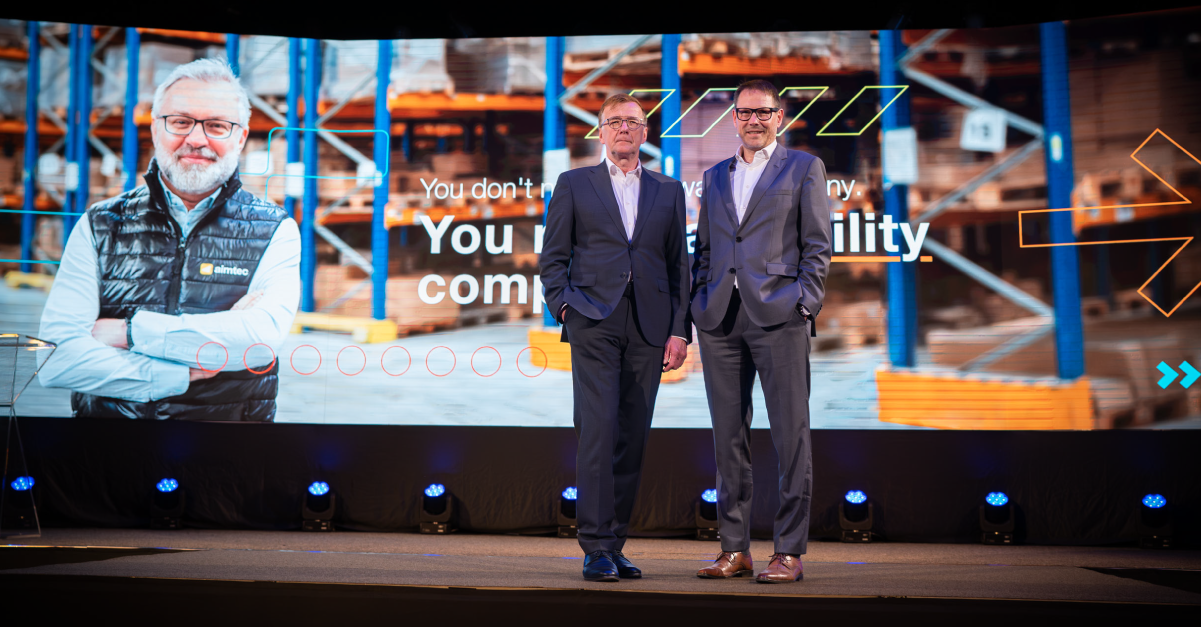
You don't need a software company. You need an ability company.
Which abilities are essential for the automotive industry in a time of unprecedented challenges? Why are people the key to digitalisation and why can't you get by with software alone in today's world? The following interview with Jaroslav Follprecht and Roman Žák, founders and owners of Aimtec, answers these and other questions.
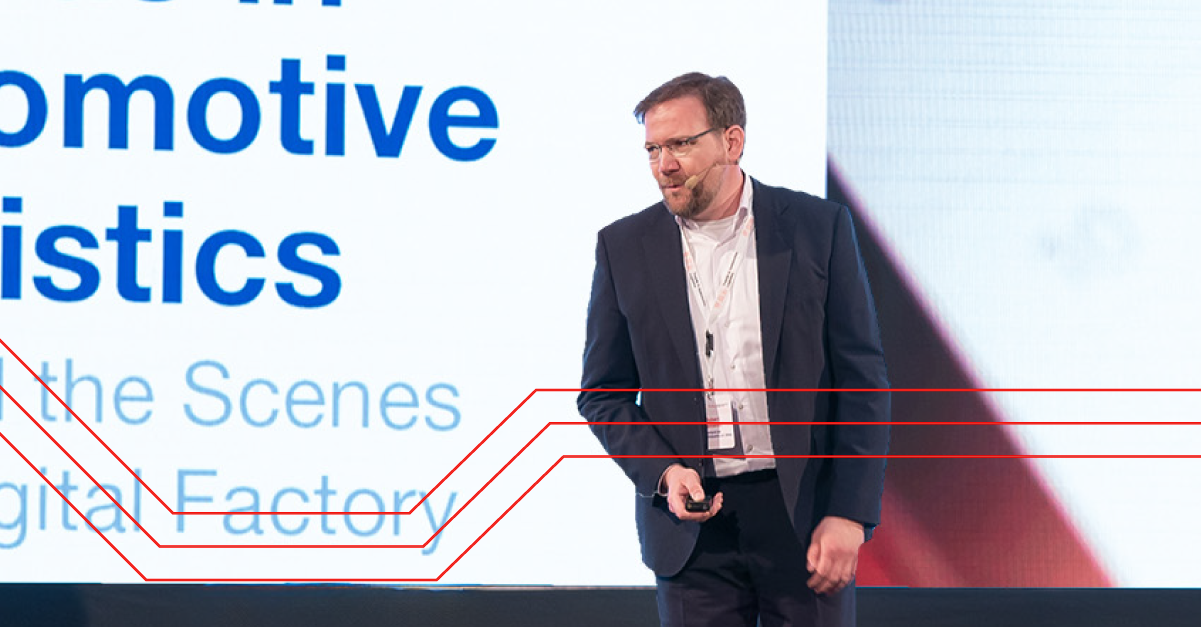
A Brave New World in Automotive Logistics: Robert Cameron's Presentation at TAL2023
Face-to-face with a changed reality in the automotive supply chain. Step into the future of automotive logistics with Robert Cameron, Head of Production, Logistics, and Aftermarket Department at the German Association of the Automotive Industry (VDA). As a renowned industry expert, Cameron brings over 20 years of experience to the forefront, including his vital role in standardizing processes for the European automotive supply chain.
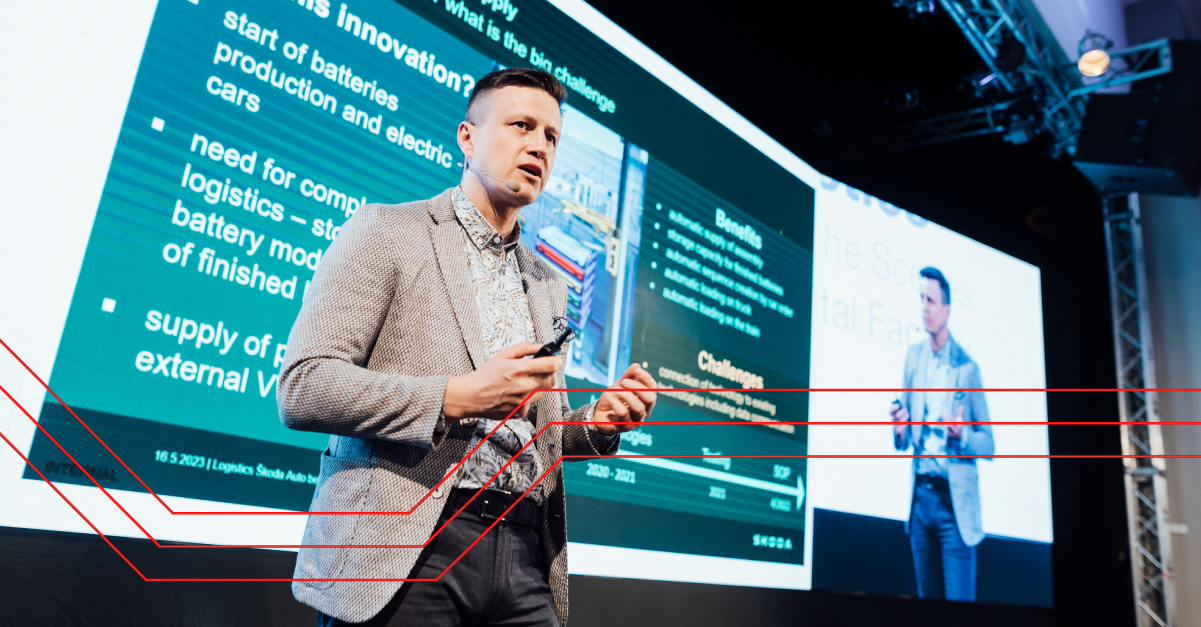
The most interesting quotes from Trends in Automotive Logistics (TAL 2023)
How should we connect AI with logistics? Will a green approach truly be a necessity? What path through digitalisation is being chosen by automotive leaders? At the Trends in Automotive conference, we all could hear a wealth of experience, tips, and declarations, which doubtlessly remained in the heads of more than a few of the nearly 400 participants. It’s no wonder, too, since this year’s theme was “Behind the Scenes at a Digital Factory”. Read our selection of the most interesting words on the digital transformation and automation – and change management and green logistics too.
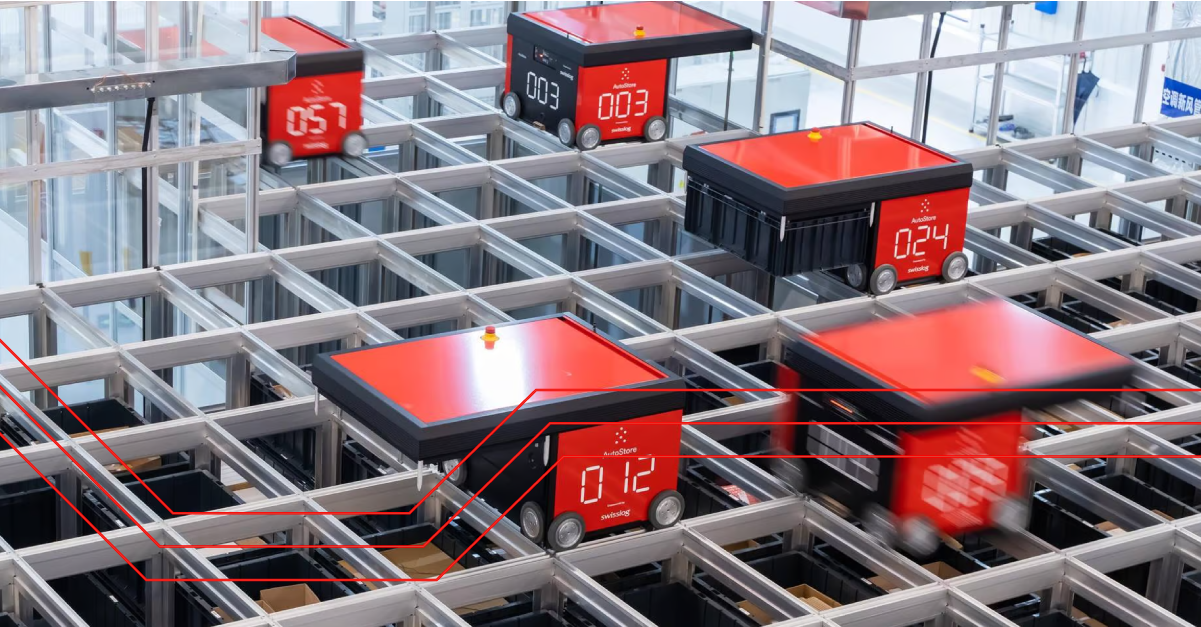
Warehouse automation has become the key to competitive advantage
Swisslog, one of our main partners at the Trends in Automotive Logistics (TAL) 2023 Conference, is a leading provider of automation solutions for warehouses and distribution centers. In today's fast-paced business landscape, speed of fulfillment has become a critical factor for success. Customers expect goods to be available and delivered quickly, and businesses that cannot meet these demands risk losing customers to their competitors. In this article, Swisslog share their insights into the importance of flexible automation in today's fast-changing logistics landscape.
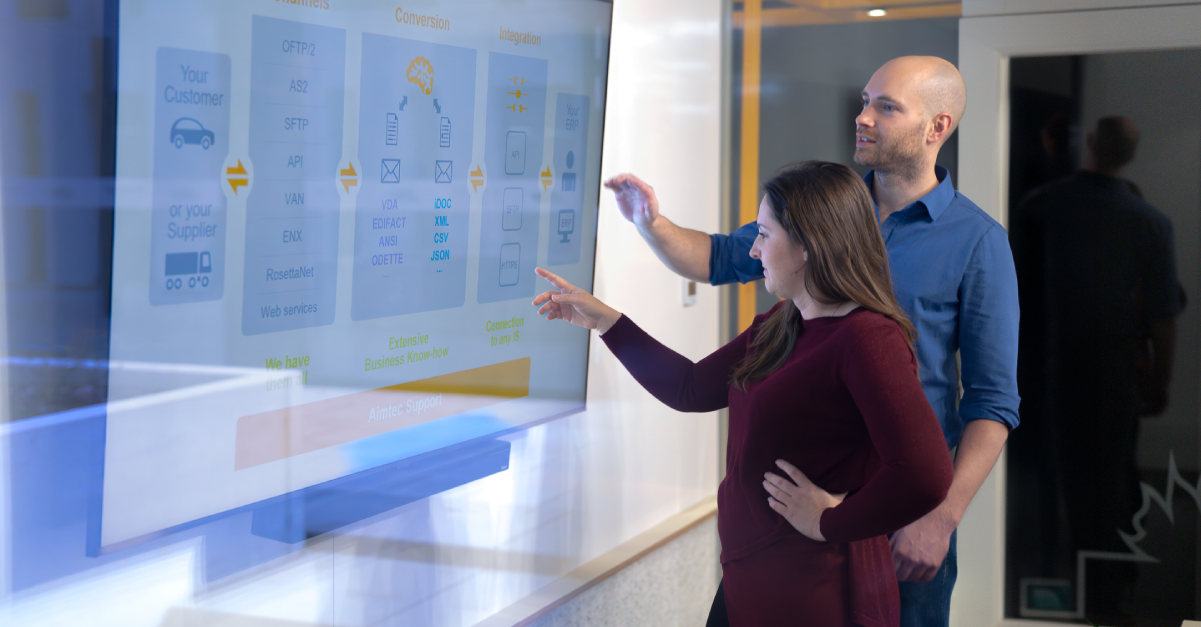
EDI ‑ A Communication Standard in the Automotive Industry
There is currently no alternative for the exchange of information between suppliers and their customers in the automotive industry. EDI (Electronic Data Interchange) has become an industry standard over the past decades and has outgrown its original purpose. Those who want to succeed in the automotive segment cannot do so without solutions and tools designed for this type of communication. In the following lines, we will outline where EDI can be used, introduce the terminology and show what types of messages, communication protocols and communication standards are used in EDI.

Hunger for change and the need for a strong team ‑ what do our TAL speakers emphasize when building a career?
The Trends in Automotive Logistics conference (TAL) is not just about technology and projects - it's about people and sharing experiences. So we asked the speakers what had given them the biggest boost in their professional career, what was most important to them. The question for all involved was: What do you consider the most important thing you have learned during your career?

The Logistics Tribe: Digital Tools and Transformation in The Automotive Industry and Logistics with Roman Žák
Aimtec has been an innovator in digital transformation since 1996. In a recent episode of The Logistics Tribe, Boris Felgendreher, Host of Business and Logistics Podcasts, sat down with the company’s co-founder and Chairman of the Board at Aimtec, Roman Žák, to discuss Aimtec‘s unique approach and how is Aimtec addressing the challenges faced by their clients in the automotive sector.
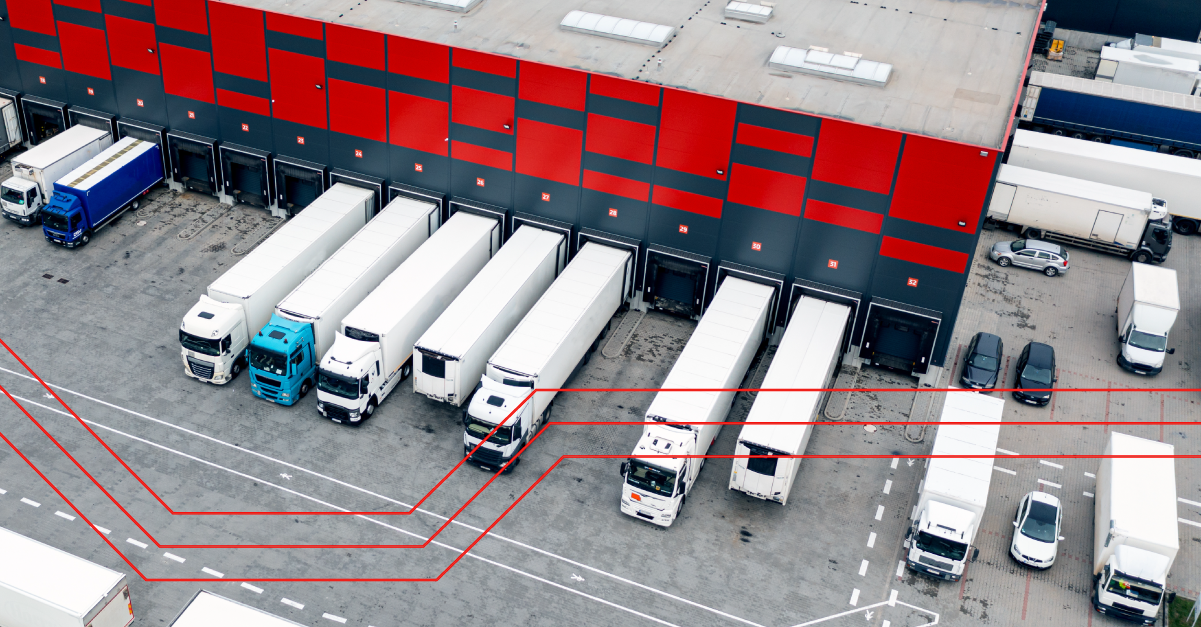
Transformation of the automotive industry and the labour market favour automation, say speakers at the upcoming TAL 2023
Important figures in the field of automotive logistics are heading to Pilsen again. They will present their views and experiences at the Trends in Automotive Logistics (TAL) conference on 16 May 2023.
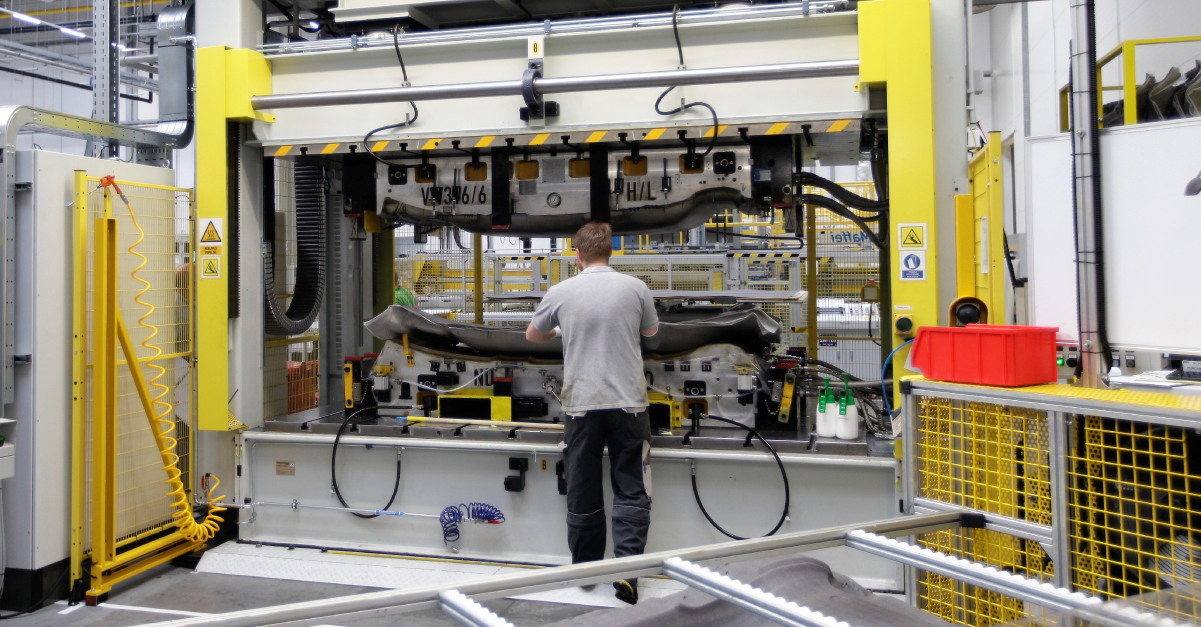
Five tips for successfully digitalising a plastics production line
Plastics manufacturing is a knotty problem for digitalisation – but it can be untangled successfully. A typical production hall is furnished with variously old presses from a variety of manufacturers. Each one has a different communication standard, e.g. OPC DA, OPC UA or Euromap 73 or 77. How can you collect operator and machine data in this complicated environment human-free? Can you stay constantly informed and in charge of every event? Take inspiration from the story of this company that presses plastics for the leading automakers and gain a guide on how to implement projects successfully.
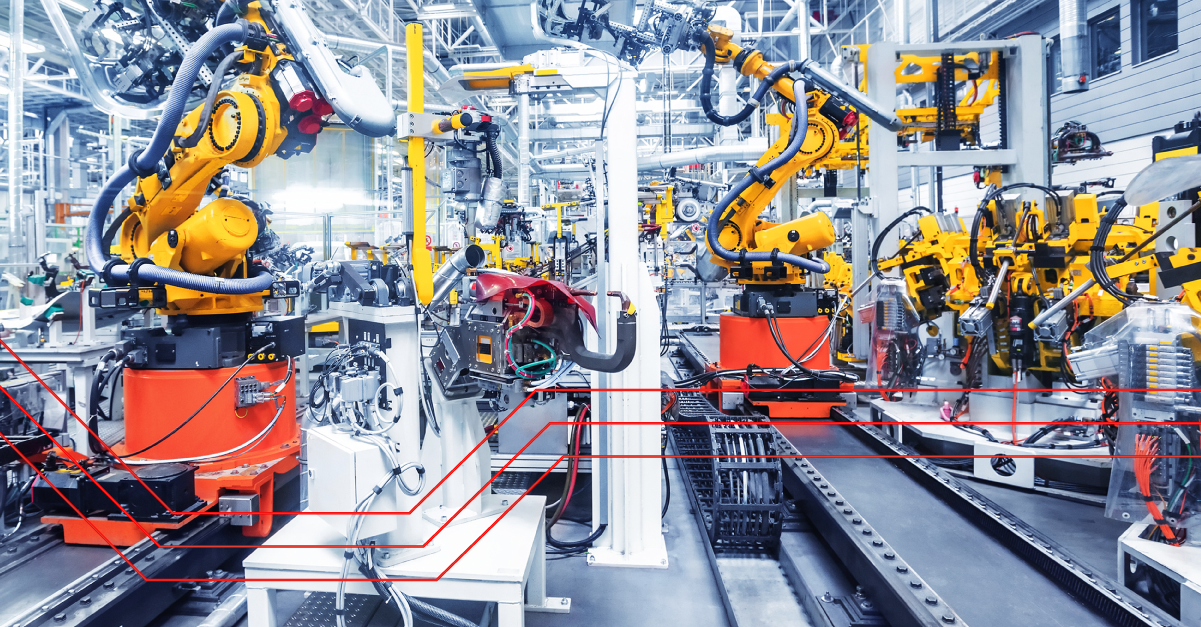
Local manufacturing and risk management will be the trends of the future, predict speakers at the upcoming TAL 2023 conference
Important figures in the field of automotive logistics are heading to Pilsen again. They will present their views and experiences at the Trends in Automotive Logistics (TAL) conference on 16 May 2023. Prior to the conference itself, we asked our speakers two important questions about future trends in automotive logistics and the ability of companies to withstand the challenges posed by supply chain disruption.
The Trends in Automotive Logistics Conference 2023: Take a Backstage Look at the Digital Factory
Despite all the current crises, digitalisation is running full steam – for manufacturing firms, the digital transformation is not just a possibility, but rather a necessity if they are to remain competitive. Anyone asleep at the wheel today may face a severe handicap in five to ten years, says Aimtec’s co-founder and supervisory board chairman Roman Žák. He also extends a cordial invitation to this year’s TAL conference, dedicated to digitalisation and other trends in automotive logistics.
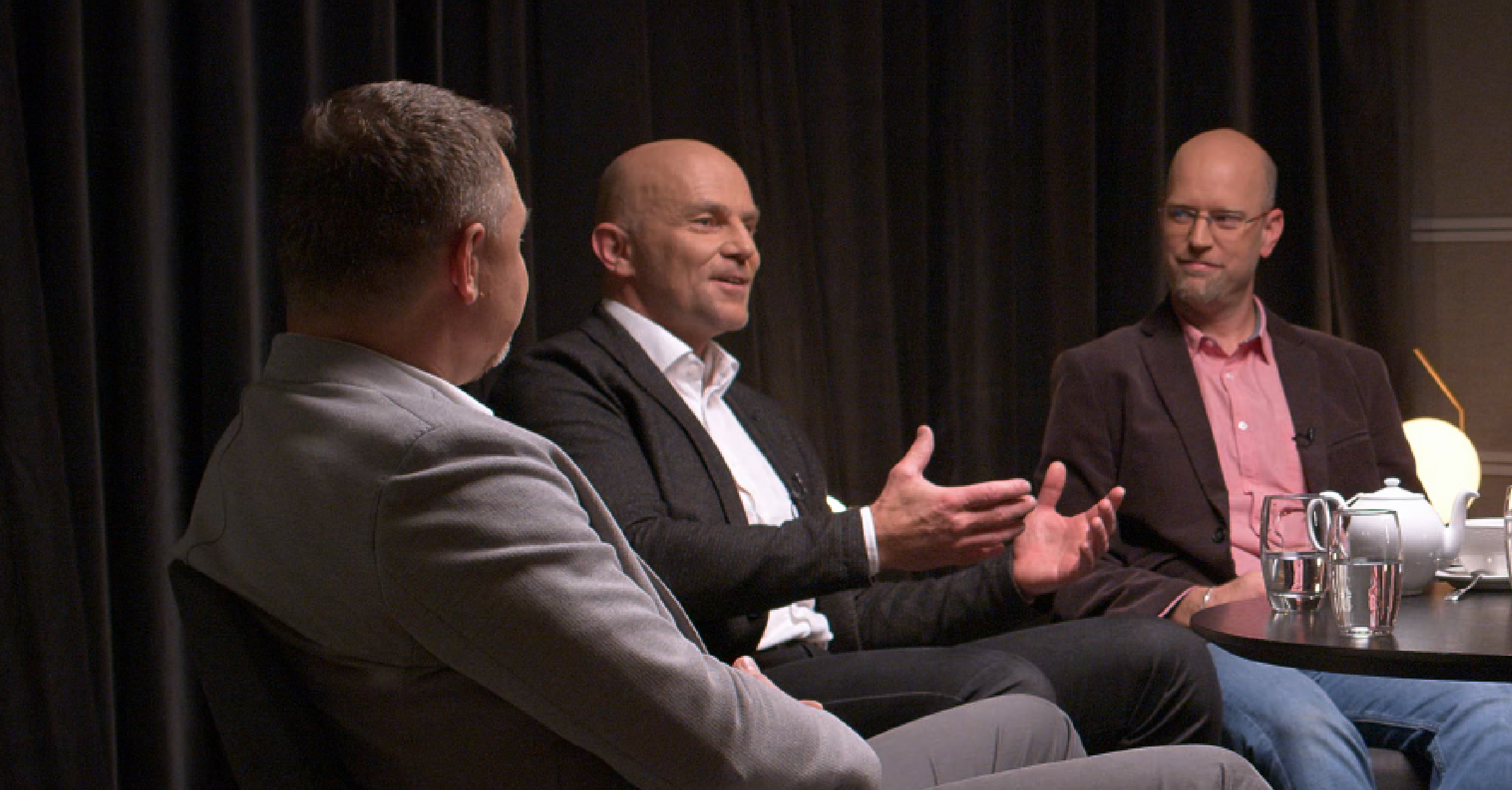
Automation: only a scalable concept will ensure companies a place in the market in ten years' time
Automation has been penetrating logistics for many years. Automation technologies often include a barcode scanner, a device that is several decades old. It is therefore not surprising that the intentions and expectations associated with automation have evolved over time. These and other topics were discussed by Jindřich Kadeřávek, Managing Director and executive officer at Element Logic, Libor Mihalka, Managing Director at LogTech, David Strnad, Head of Logistics at ŠKODA AUTO, Jan Linhart, Senior Project Manager at Alza.cz and Rostislav Schwob, Supply Chain Solutions Director at Aimtec.

Automation diminishes flexibility. Aimtec’s Rostislav Schwob explains how to restore it.
A full 95% of the firms approached in the Trends in Czech Logistics 2022 study stated that they plan to automate and acquire more modern machinery within five years. Meanwhile, new technologies, sensors and approaches to managing large datasets are being developed constantly. New orders often bring changes to the processes and conditions inside a company. Many interconnections are formed in the midst of all this, which necessitates changing and developing a firm’s overall control logic. How should you approach these demands? Is it even possible to connect it all, manage it digitally from one place and have a single, functional digital world? We asked Rostislav Schwob, Supply Chain Solutions Director at Aimtec.

How not to get lost in the flood of OEM concepts in EDI communication
Recall (4905, 4984, DELFOR, 4A3, ANSI 830). Yes, this is also the OEM requirements for EDI communication. Hundreds of message types are exchanged, with each manufacturer requiring different standards. This creates a variety of different concepts that require different EDI system settings.

New logistics management let Germany’s RKT get a lead on its competition
Material handling costs, precise traceability, compliance with expiration dates. Every pharmaceutical company has to grapple with all this – including the German firm RKT. We had an opportunity to speak with RKT’s Director of Supply Chain and Logistics Management Martin Hofstetter about how it dealt with not only a digital transformation of its warehouse logistics, but also an entirely new warehouse management method.

EDI communication with new partners is now a piece of cake, says Thomas Schott of RAPA
RAPA supplies components and system solutions for automotive, healthcare and industrial applications. The approx. 1000-employee firm was long plagued by slow debugging of EDI communication with new suppliers and slow adoption of new EDI message formats. "Thanks to the cooperation with Aimtec, these processes now take a fraction of the time they used to," says Thomas Schott, head of IT at RAPA.
Digital tools will prevent deadheading and save tens of percent in transport costs
The cost of transporting goods is one of the most expensive items on a company's books. However, companies largely underestimate the choice of carriers. Using smart tools, costs can be reduced by tens of percent. Tomáš Marinec from AIM Partners explained how to do it at the TAL conference in Pilsen.

Moving to the cloud is just a matter of timing
Alexander Schrödel is responsible for IT at Rehau Industries. The company, which supplies polymer solutions for automotive, construction and other industries, has extensive experience in EDI. Schrödel himself sees the electronic exchange of data as a condition that allows the group to do business in the volume and time required. "It is a great challenge to achieve automation in the entire process chain and to start perceiving and optimizing the EDI process as a whole and not just as a queue of orders," says the German manager in an interview with Jan Stočes, Director of Cloud & Integration Solutions at Aimtec.

Automation Remains Main Trend in Czech Logistics Even in Times of Expected Crisis
What does the present and future of Czech logistics look like? Where are investments going? To what extent is the storage and logistics sector affected by the post-COVID situation and the war in Ukraine? These and other questions were answered in the unique Trends in Czech Logistics 2022 survey conducted by Ipsos for the SKLAD trade association, of which Aimtec is a member. 132 companies took part in the survey and the responses by their managers show an emphasis on deepening digitalization and optimization of logistics processes and warehousing.

Clean up the data jungle, centralize and prepare data for advanced production
The quality of system outputs corresponds to the quality of the inputs. This simple formula has been valid for many years, yet many companies are still amazed that gems do not emerge from the "data jungle". Diving deep into this jungle, integrating data from each division, cleaning it up and adapting it into a form ideal for production planning systems is a task for the Aimtec Data Intelligence product. How exactly does it work and what can it do?

Data. Data. And more data! How can you master it and ensure it’s clear and on time?
In manufacturing and logistics, you’re faced with mountains of data, and you need to master those mountains. It would be a shame not to use them. But how should you work with them and display them to ensure that they’re truly of value and that you can make good and informed decisions? How can you gain the information you need in just a few clicks – and in an an easily navigable form? Get to know the different types of reports that can help you.
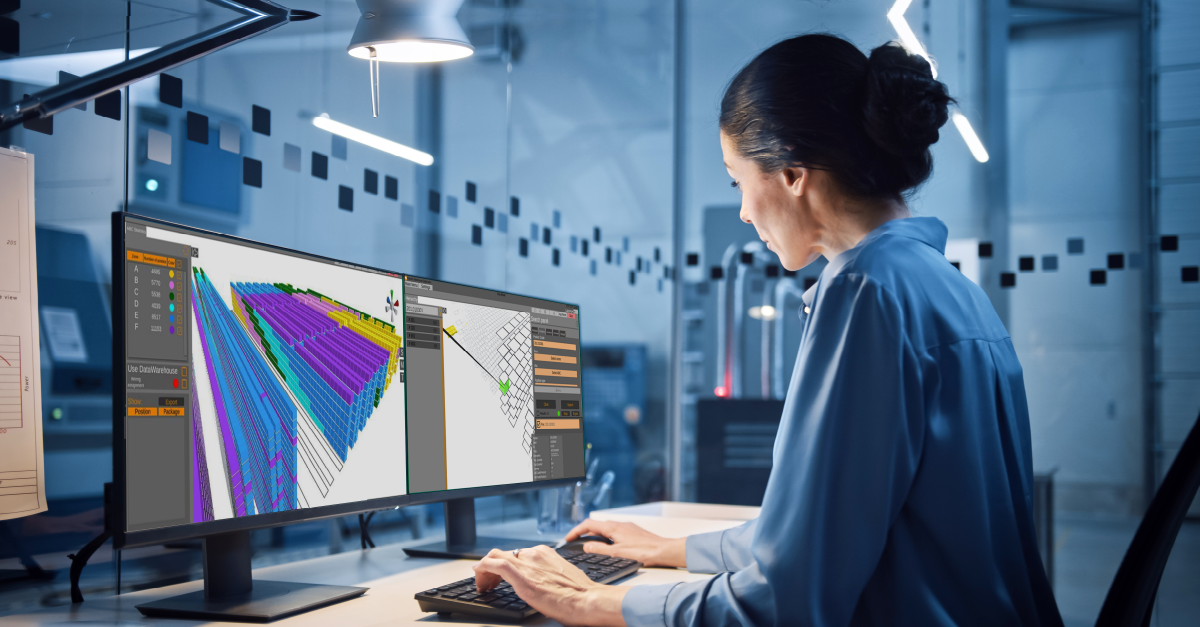
Reporting, digitization and 3D visualization streamlines logistics processes by tens of percent
The complexity of today's industrial production brings manufacturing companies a huge amount of data that needs to be processed and then used efficiently. One example of such use of reporting data in manufacturing logistics is the data warehouse and the application of the digital twin of the physical warehouse, i.e. its 3D visualization. Aimtec supplied just such a solution to Continental's domestic division. Thanks to this it has reduced the work of warehouse stackers with high-volume material to a third and gained a perfect overview of in-house logistics, which will also facilitate crucial strategic decisions.

Air it out and sweep the cobwebs, or: doing EDI migration right
Companies in automotive spend easily dozens of years building up their EDI. And it gets reconfigured many times over those years. Meanwhile few teams are responsible enough to thoroughly document all the adjustments to their on-premise system. The end result is that the risk of losing or damaging data when migrating it feels stronger than the benefits that can come from an EDI migration. “A data upgrade and migration is a fundamental act that will benefit every company’s operation”, says Jan Stočes, Cloud Services Director at Aimtec. And this process doesn’t have to be a risk, as long as a firm chooses the right partner. But how do you make that choice? Learn what to watch out for and what trends you can put to work in EDI.
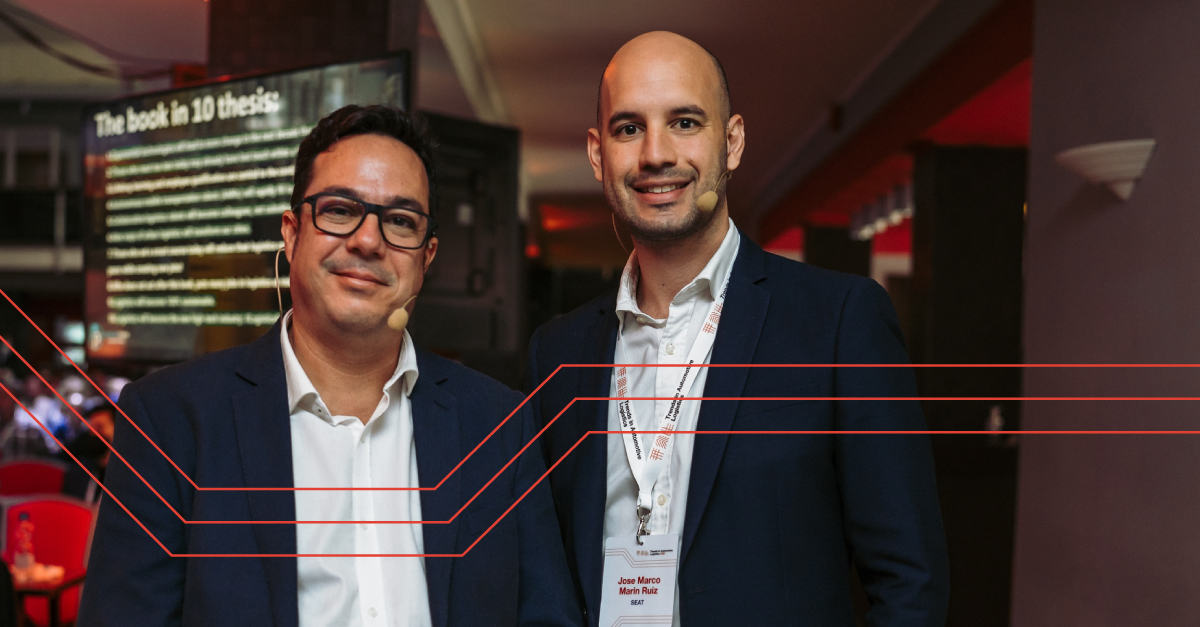
Paul Martinez and José Ruiz: SEAT:CODE digital lab is revolutionising SEAT’s supply chain
First the order, then production. SEAT’s digital division has turned this Spanish automaker’s entire supply chain upside down. An interview with Head of IT Delivery Production and Logistics Paul Palmero and Product Manager José Marín Ruiz on how technology and digitalisation can transform even traditional and unchanging industries such as the automotive supply chain.
EDI could be with us for the next 15 years, says RAPA's IT chief
Thomas Schott has been responsible for IT at Rausch & Pausch (RAPA) for six years. However, he has been gaining experience in information technology for much longer. In the early 1990s, he was there when reputable suppliers in the automotive industry were beginning to implement electronic data interchange (EDI) systems. "This topic has been a constant presence in my professional life for thirty years," says the German manager.

Optimising material flows thanks to smart automation
This July, experts in manufacturer material flow and value chain optimisation met up in Nuremberg, Germany under the leadership of the Bayern Innovativ business networking organisation to discuss things together and share best practices. The individual presentations offered up specific technologies and verified approaches and best practices when implementing innovations. Sales Manager Jiří Hanžl joined the event to present Aimtec’s experience in this area through a presentation on smart logistics automation.
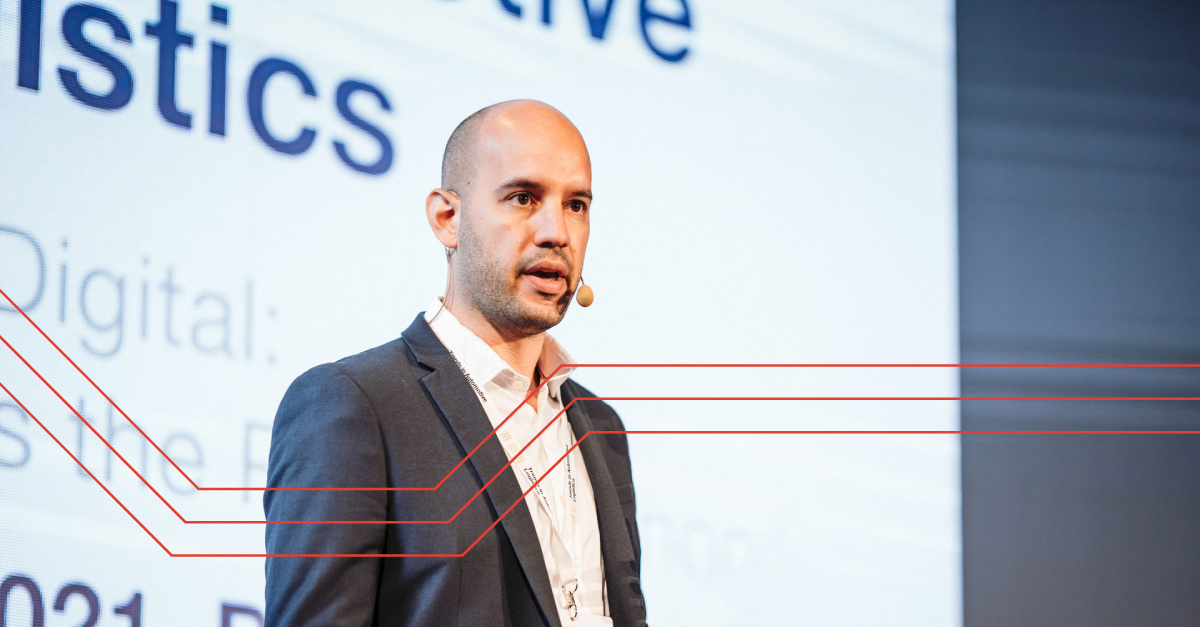
The supply chain inside out: SEAT starts with the end customer
Innovative technologies and digitalisation are inexorably entering supply chains. Thanks to them, it is also possible to abandon traditional practices, as demonstrated by the presentation of representatives of the Spanish company SEAT:CODE at the Trends in Automotive Logistics (TAL) 2021 Conference, which took place in Pilsen.
SAP and EDI in the Automotive Sector: Entrust Integration to a Professional
Not many production companies get by without an ERP system today. One of the most frequently used is SAP and this also applies to the automobile industry. The complexity of current industrial production also requires electronic data interchange (EDI) between the various elements of a supply chain. Integration of an EDI solution into SAP is a tricky IT project and, if you think you can save money by giving the task to your internal IT department, then you could be in for a rude awakening. It is ideal to entrust it to the hands of a professional with long experience of the automotive sector and solutions directly prepared for implementation in the automobile industry. Aimtec, with its automotive SAP EDI package, is such an expert. What does the package contain?

Asprova APS ‑ a proven conductor in a new tuxedo plans production down to the second
The almost limitless possibilities for variability in production are forcing companies to look for ways to make it more efficient. One of the tools that can significantly help with this is the Advanced Planning and Scheduling (APS) system. In Europe, more than two dozen suppliers offer them, but there are fewer really good ones. Automotive IT specialist Aimtec relies on Japan's Asprova APS. Its new version has several advantages - even faster scheduling thanks to optimized algorithm, machine learning and a user-friendly interface. But it doesn't stop there.

EDI is alive and well, says Tolga Ozkundakci of IAC
Occasionally one can hear the opinion that EDI is slowly but surely leaving the scene. Ozkundakci strongly disagrees. At least in the automotive sector, he says, this is not the case.

Now that we have the data, let's mine it across the supply chain
Visibility. A key word in today's automotive industry. Specifically, supply chain visibility. In today's turbulent world with disrupted traditional business channels, few things are more valued by automakers than accurate and timely information on the status and flow of supply. However, not every supplier is able to share them. The potential of digitalised communication is far from being exploited, so time and money continue to be wasted.

SappyMOM: How to take local needs into account in a central system
How to reconcile the bosses' demand for SAP standardization with the needs of local plants for which the standard is not enough? Aimtec's SappyMOM add-on solves this common dilemma.
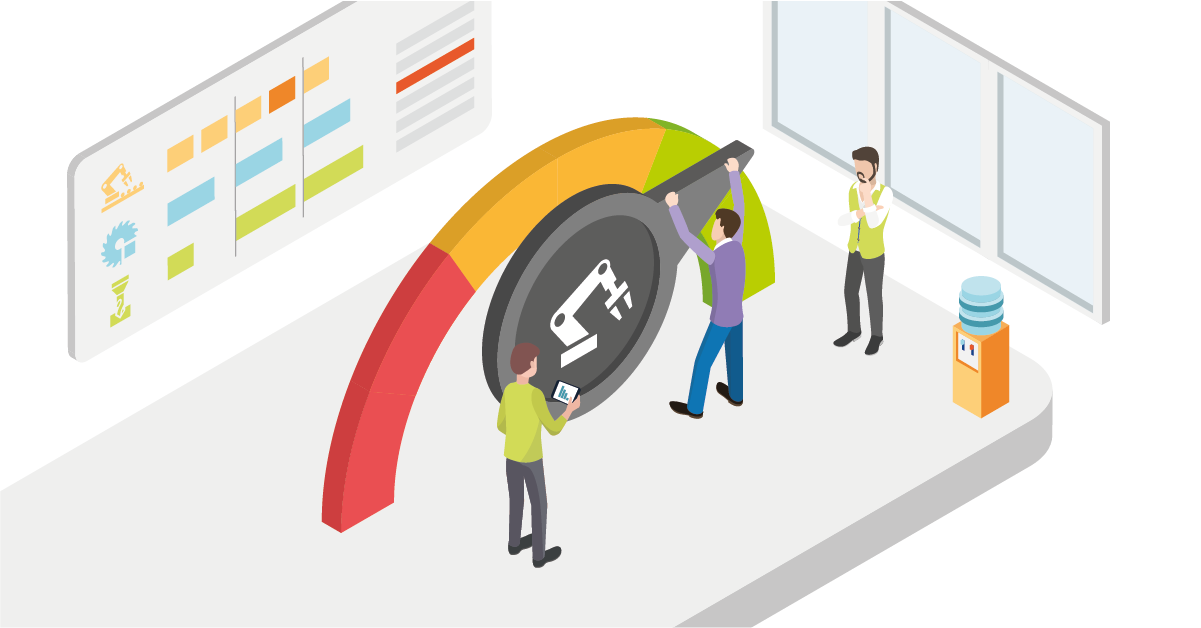
Digitalisation brings new perspectives on manufacturing efficiency
A register of scrap and manufactured units, operator and machine downtime tracking… approaches like these have become a standard part of production monitoring and reporting. In our digital age, can monitoring of overall equipment effectiveness (OEE) in terms of availability, performance and quality be improved even further, and can the needed data be acquired even more quickly and easily? What’s changing in this area, what new features is digitalisation bringing, and can we expect any specific tangible results?

Digitalisation platforms – an inexhaustible tool for manufacturing optimisation
Have you ever had the feeling that your manufacturing can’t be optimised any further, and you’ve reached its limits? Is it at all realistic to have completely interconnected manufacturing, in which people, machines, tools, materials and products all communicate simultaneously? The solution is a digitalisation platform that is able to connect to anything you can think of. With its help, you can configure any behaviour you desire for individual outputs and set up a variety of possible reactions. This way you can have complete information from manufacturing in real time – and digitally control it as well.
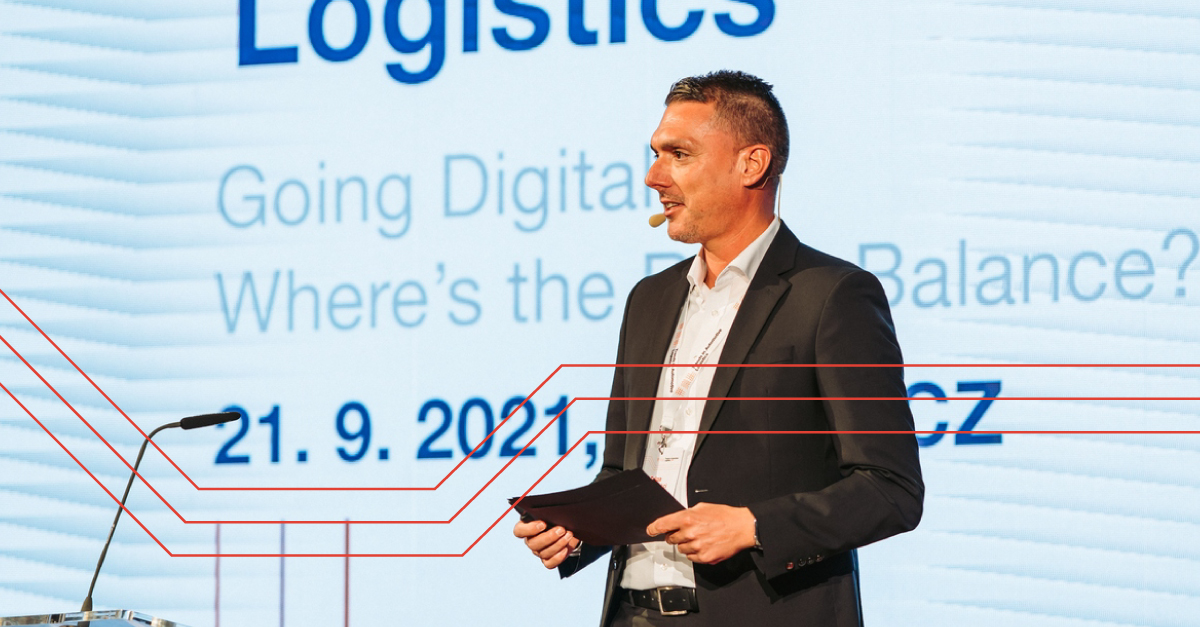
How to standardise processes in the automotive industry without limiting its flexibility?
How does a global automotive player use Aimtec’s DCIx System to standardise processes in its plants and facilities? Get an insight into International Automotive Components Group (IAC) straight from their European Vice President of IT and Systems Tolga Özkundakci.
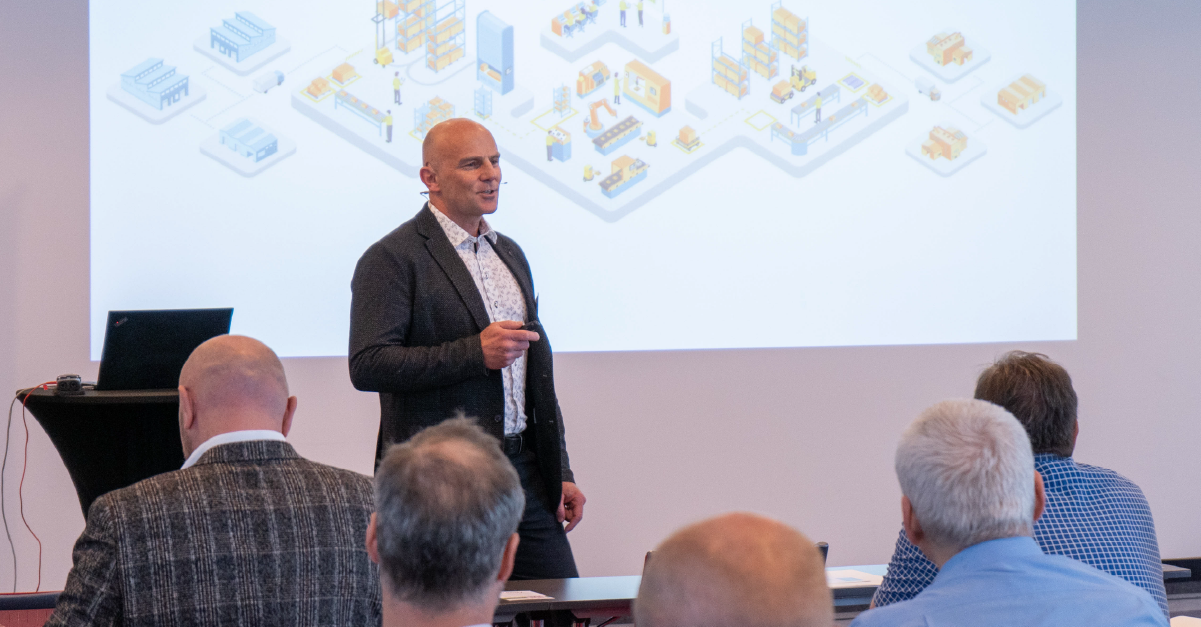
With DCIx7, the dream of a digitalisation platform running in the cloud becomes a reality
The User Group for Aimtec’s DCIx met up at the start of this May in Pilsen, and attendees could learn what visions are out there for logistics and what new features DCIx will soon have in store. Representatives from Koito Czech and Continental Automotive showed their approach to automation via practical examples. The event also included morning workshops about advanced stock management with WMS, new processes in MES and the role of DCIx in the digital factory. Couldn’t be there, or want a refresher on a few key points? Watch the presentations from the main afternoon section.
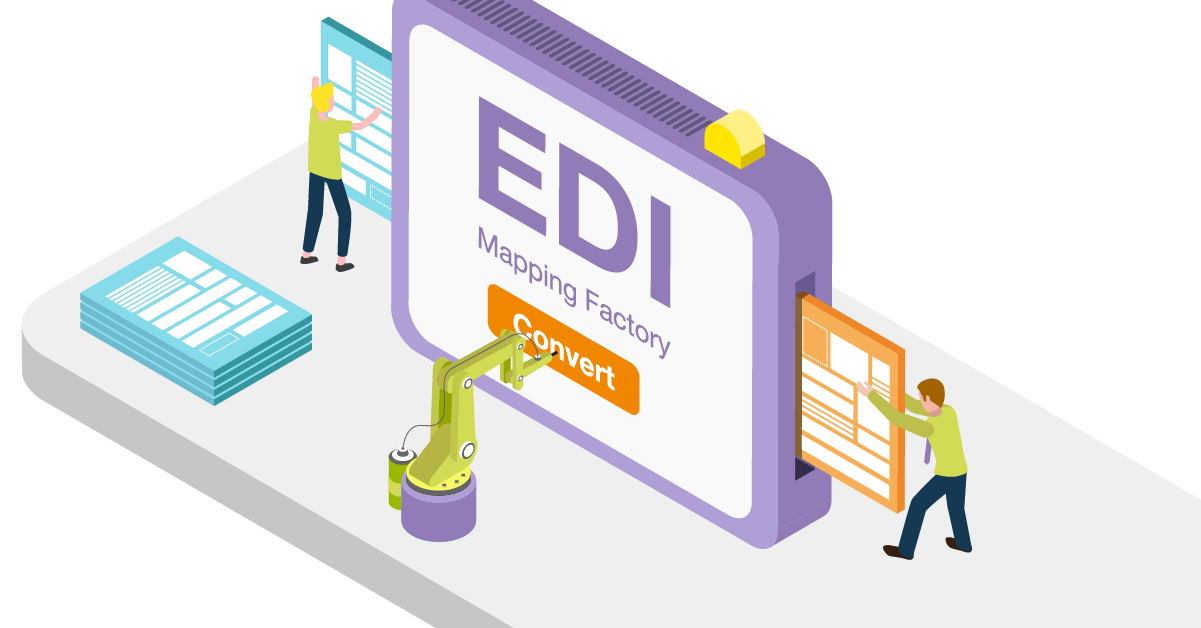
EDI mapping in automotive? A quick and affordable solution exists
Electronic data interchange (EDI) is an essential part of business, and this naturally applies to the automotive industry as well. However, as companies use different in-house systems, information sets need to be tailored to ensure that communication runs smoothly. This is a task for so-called EDI mapping, which is becoming an indispensable tool for automotive suppliers.

Tomáš Vondrák: The path to becoming Continental’s model plant in digitalisation
What are the biggest challenges for a company that’s been creating mobility trends for a century and a half? How has Continental’s largest automotive plant changed during the past 10 years? An interview with Tomáš Vondrák, Plant Manager & Managing Director, on Continental’s vision for a new era.
German head office learned the system of logistics digitalisation from Czech Bosch subsidiary
To get rid of physical kanban cards for production scheduling and save hours, weeks and months of time of the people who have to work with them. This was the basic idea that led to the creation of the digitalisation of heijunka in the Czech plant of automobile tech division of the Bosch company.
WMS and MES are changing. How will automation and the cloud affect them?
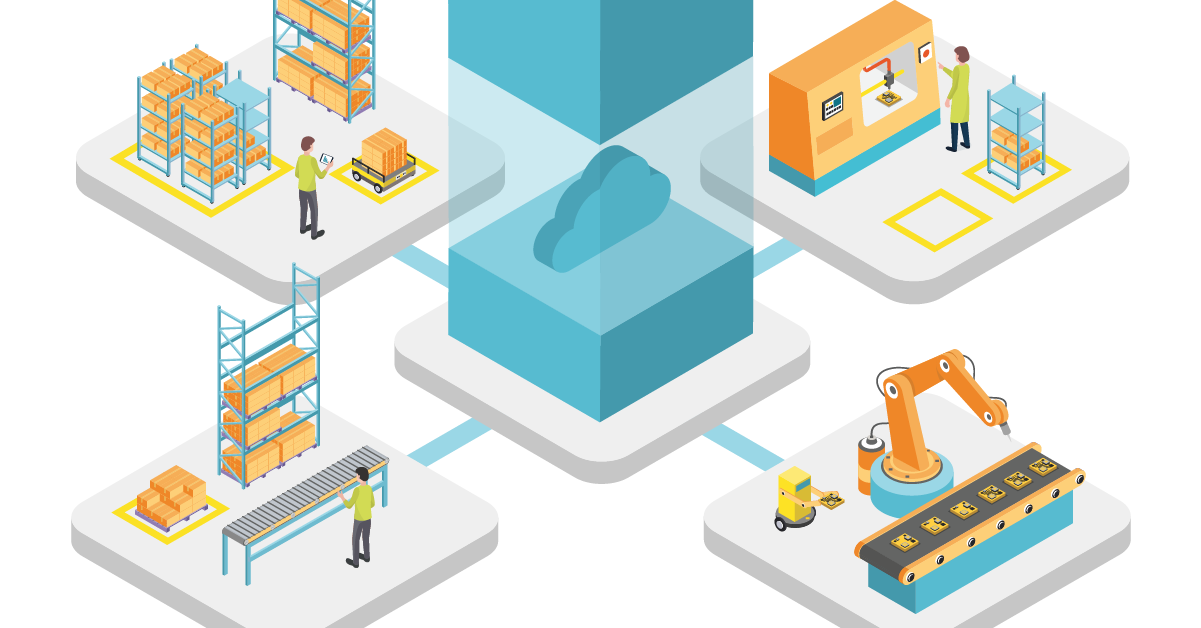
The accuracy of predictions by the consultants at Gartner is uncanny. What sort of future do they prophesy for WMS (Warehouse Management Systems) and MES (Manufacturing Execution Systems)? From monitoring plant or warehouse status, these systems should gradually grow to take on the role of strategic tools – they will enable a degree of automation that until recently was just a dream. All this joined with a perfect overview of the supply chain and, of course, support from the cloud.

Marco Prüglmeier: How can we implement innovations on time and be ready for the future of logistics?
Should different companies think differently about innovations in logistics? How can we navigate the market’s wide range of automation technologies and choose the right one? An interview with Marco Prüglmeier, CEO of i2market, about whether a blueprint exists for a successful future in logistics – but also about his new book Innovations in Logistics.

Digitalisation and Automation of Continental Automotive Plants
Holistic approach to digitalisation. You either digitalise or you don’t, there’s no doing it halfway. This should be THE approach to digitalisation, according to Tomáš Vondrák, Managing Director of Continental Automotive Czech Republic, who spoke at the Trends in Automotive Logistics Conference (TAL) on September 21st in Pilsen. We summed up Tomáš’s most inspiring points in this article.

Ivan Marinec: The role of data in the digitalisation of automotive logistics
The typical causes for automation failures all usually share the same roots. These are: low-quality data, poor knowledge of the system’s possibilities and a lack of courage. How can you make the most of the new prospects brought by digitalisation while maintaining logical and sensible goals?
The right balance in logistics and where to find it
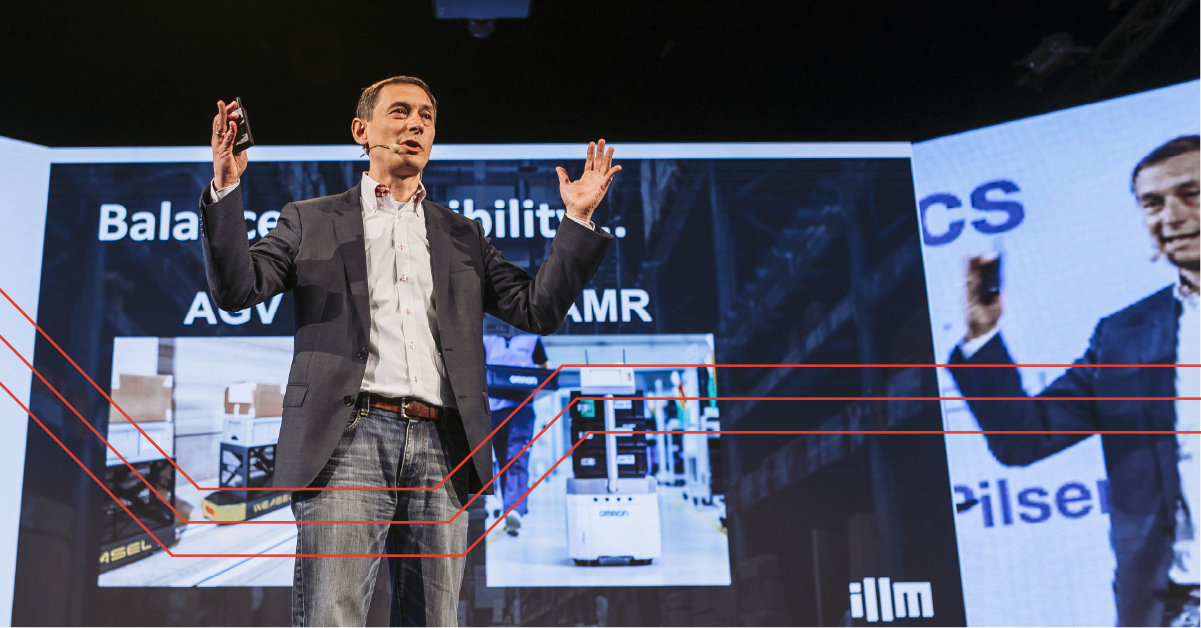
The most modern approaches in logistics—why should you be aware of the latest trends? How to find the right balance in logistics and keep it? At the Trends in Automotive Logistics Conference (TAL) 2021, Marco Prüglmeier talked about different approaches to robotization in logistics, showed the most revolutionary technological innovations, and mentioned some cons of automatization.
The New Reality for Logistics? It’s the Christmas Season, Every Season.
The 21st annual Trends in Automotive Logistics conference was held in Pilsen at the end of September this year, and like every year, it brought in speakers and listeners from the automotive sector throughout Europe. As in past years, the event’s main partner was Zebra Technologies, a major player in warehouse technology solutions.
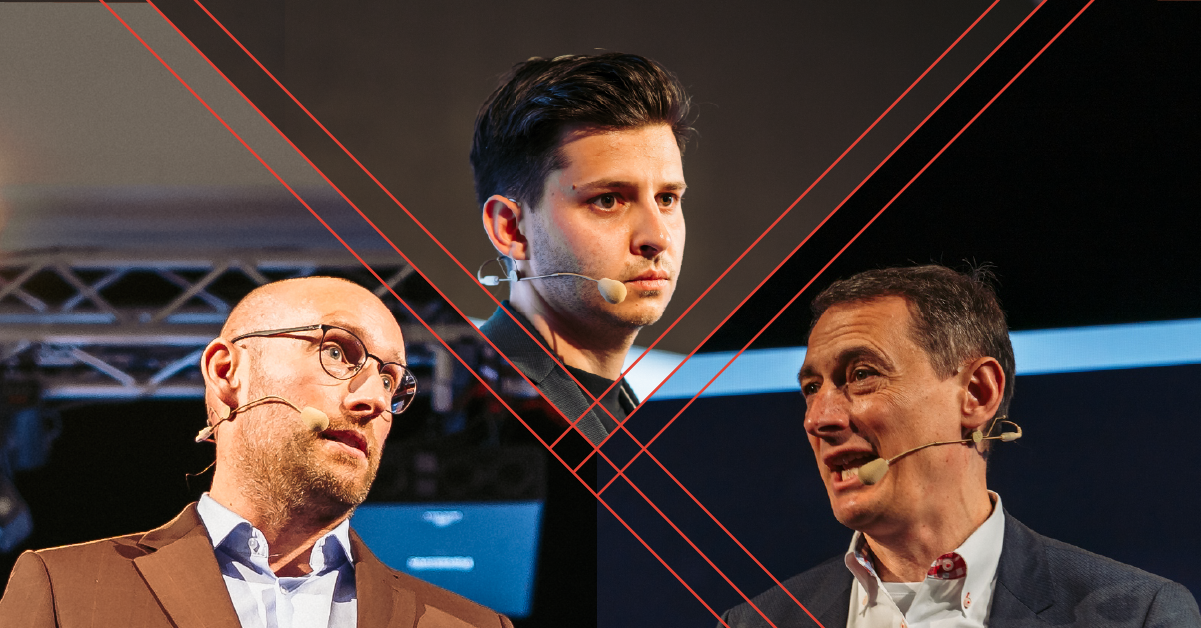
The Technology Trends That TAL 2021 Speakers Are Calling the Future of Automotive
Automotive is undergoing the biggest disruption in all the years of its existence. New technologies are coming to the fore, and if you cannot flexibly adapt, you’ll lose a lead that is very hard to earn back. What important trends are transforming logistics today in the eyes of the experts who spoke at Trends in Automotive Logistics 2021?

Switching to SaaS: a strategic change that saves CAPEX and OPEX
Security, scalability and cost optimisation – these are just a few of the cloud benefits that will surprise few people today. But what else does the cloud conceal? This year we’re expected to see an unbelievable 23% increase in cloud-services spending over 2020 – partly but not solely due to the need to secure remote workforces and optimise IT costs. That’s because the transition to SaaS services has unlocked an entirely new category of company-wide benefits for the strategic development of companies that use it.

Driving trucks from home, and UX as an engine for digitalisation: The most interesting quotes of TAL 2021
Seeking the right balance for automotive logistics – that was the main theme for this year’s Trends in Automotive Logistics conference, held in Pilsen on 21 September 2021. A total of fourteen speakers from throughout Europe came to share verified tips and experience gained from digitalisation projects. How do automotive logistics experts see the future? We’ve chosen the most inspiring statements from this year’s conference just for you.
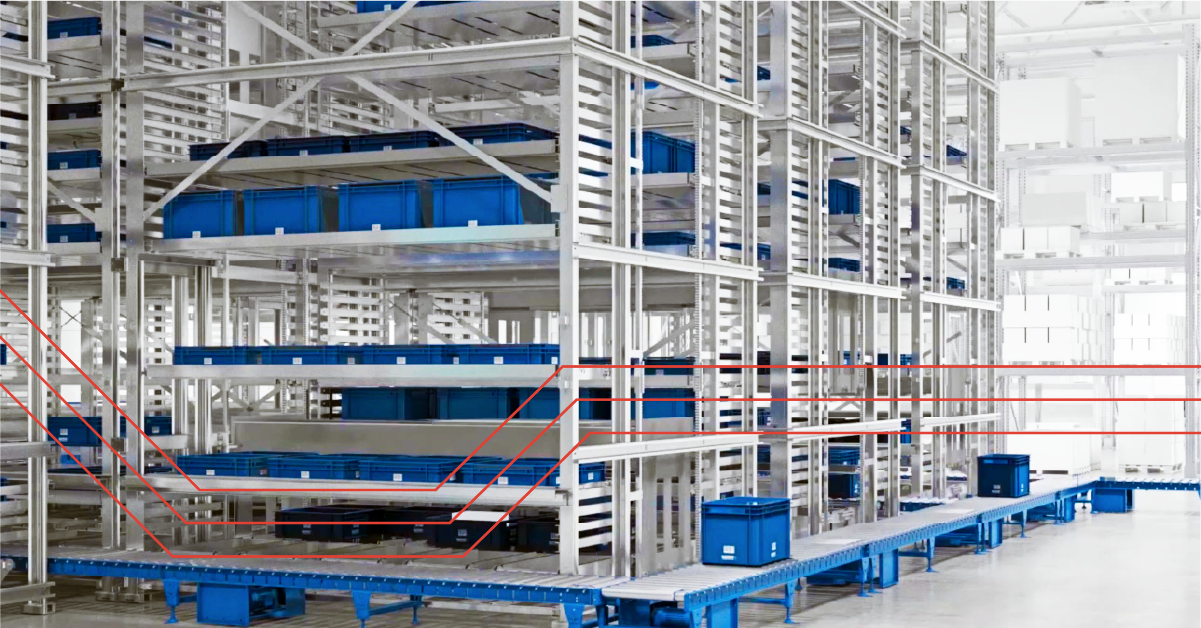
Automation in Logistics – From Hardware to Artificial Intelligence
Intralogistics and warehouse automation were once again among the main topics at this year’s TAL conference. And Czech technology start-up VertiFlex, which was one of the main partners for the entire event, focuses on precisely these areas. VertiFlex is active on eight markets in Central and Eastern Europe, to which it supplies automated vertical stackers for warehousing from Swedish manufacturer Weland Solutions boosted with its own VertiNode AI software, which makes use of the possibilities offered by artificial intelligence. In our interview with their managing partner Bohumil Tejnický, we spoke on the development of automation in intralogistics

Supply chain digitalisation and automation at RAPA
For more than 70 years, RAPA has been known as a specialist for solenoid valve technology, and in total this company has 100 years behind it. Today, hydraulic and pneumatic components and system solutions for the automotive industry as well as numerous customers in the healthcare and industrial sectors are produced under the RAPA brand. This company with roughly 1,000 employees cooperated with Aimtec to resolve a lack of know-how in integrations and to digitalise the supply chain. We talked about the details of this solution with Jan Stočes, Aimtec’s director of Cloud & Integration Solutions.
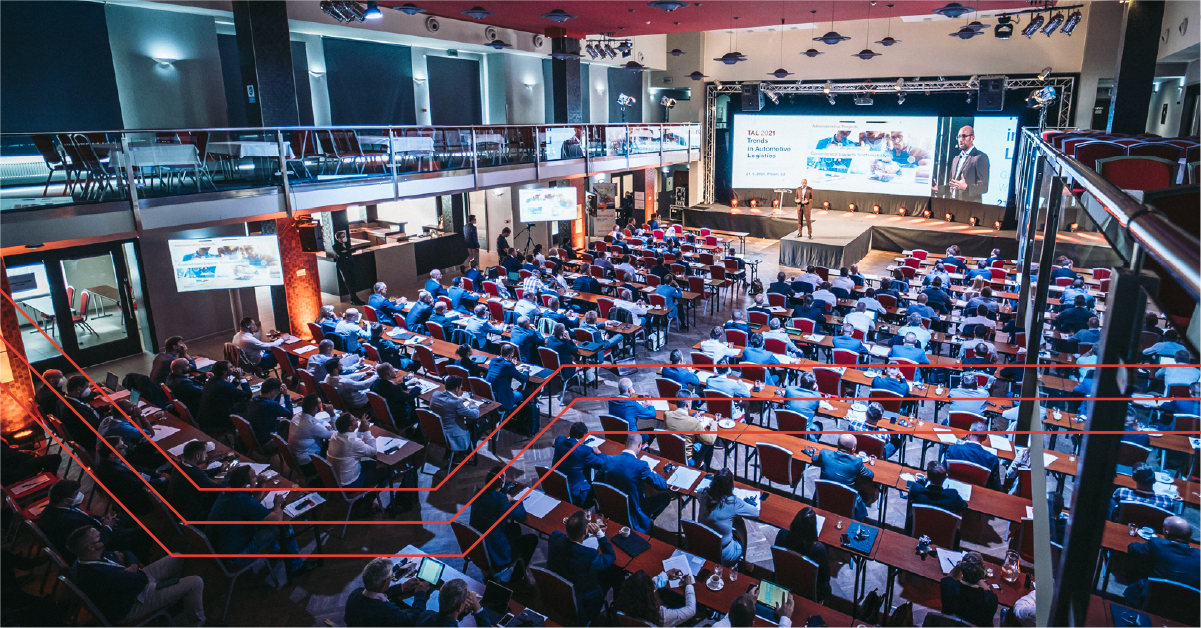
The TAL 2021 Conference: Logistics Digitalisation Must Come with Balance
Fourteen speakers from throughout Europe assembled in Pilsen on 21 September for the Trends in Automotive Logistics (TAL) conference, organised by Aimtec in cooperation with IHK Regensburg and DTIHK. The automotive logistics experts appearing on the conference stage included Marco Prüglmeier from i2market and Michael Schneider from idealworks. The topic of establishing the right balance regarding logistics digitalisation accompanied the entire programme. And the conclusion? Constant balancing, the seeking of new paths and evaluation of individual solutions’ pros and cons is, the speakers say, what is most likely to guarantee success for both small projects and cross-company transformations. TAL 2021’s participants found confirmations of this in the majority of the conference presentations.

Automotive should learn from e‑commerce. Through data and digitalisation.
If you want to succeed, learn from the best. That is why we’ve interviewed Ivan Marinec, with his rich portfolio of experience from operations and logistics management in automotive. Over 20 years in this field have given him a unique perspective on the current turbulent situation and more importantly on the trend of digitalisation in automotive manufacturing. We asked him for tips as well as lessons learned that have helped him to start his own company.
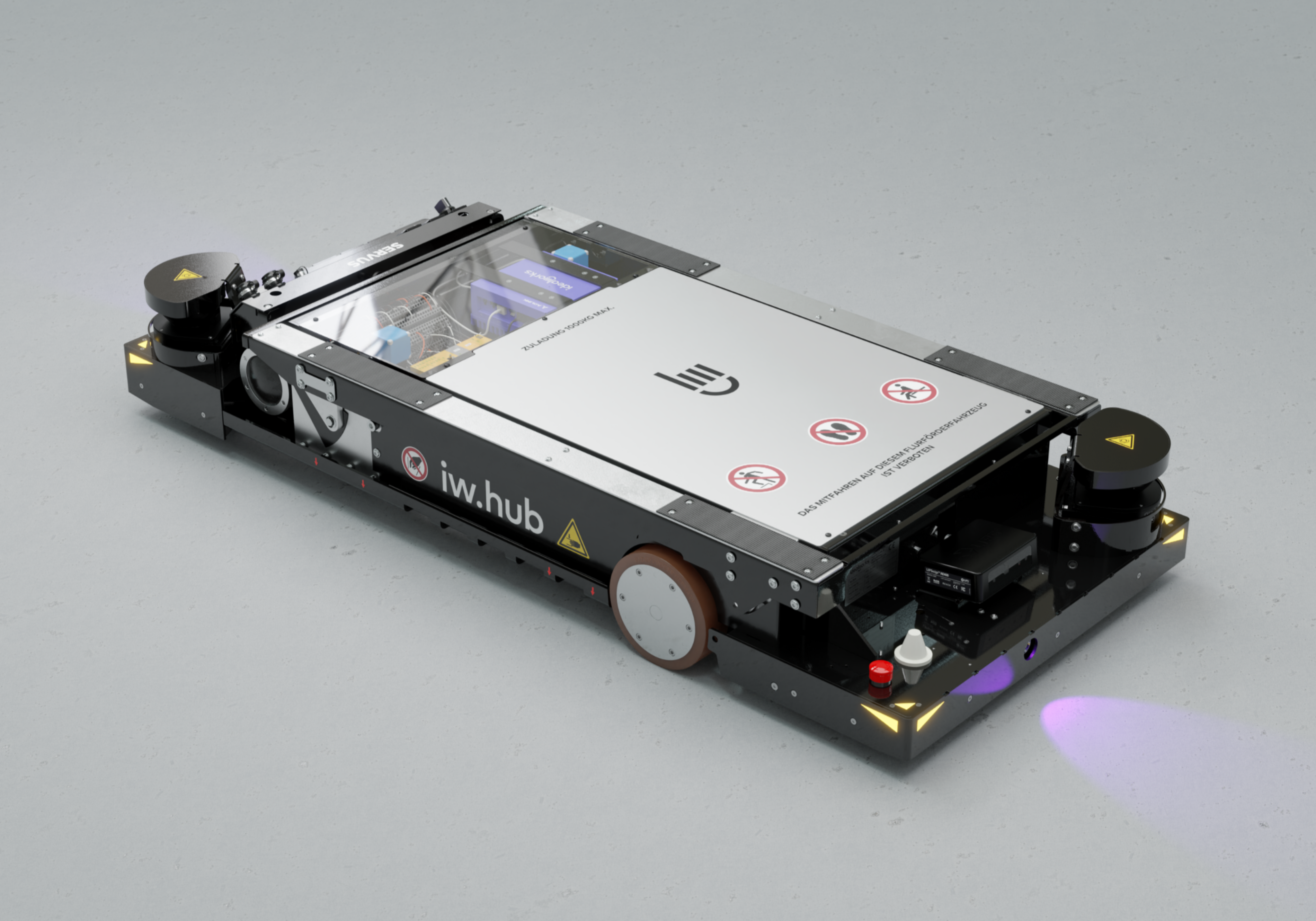
A digital‑first approach to logistics innovation by idealworks
When BMW’s new spinoff, the fully owned subsidiary idealworks, was founded in November last year, the message was fairly clear: This Munich startup – which is partnering with major players such as NVIDIA Corporation, ADLINK Technology, and SICK – is reimagining autonomous logistics and changing the way intelligent robots work. We spoke to idealworks’ CEO, Michael Schneider, about the startup’s first year of business, its goals for next year, and his presentation at TAL 2021.
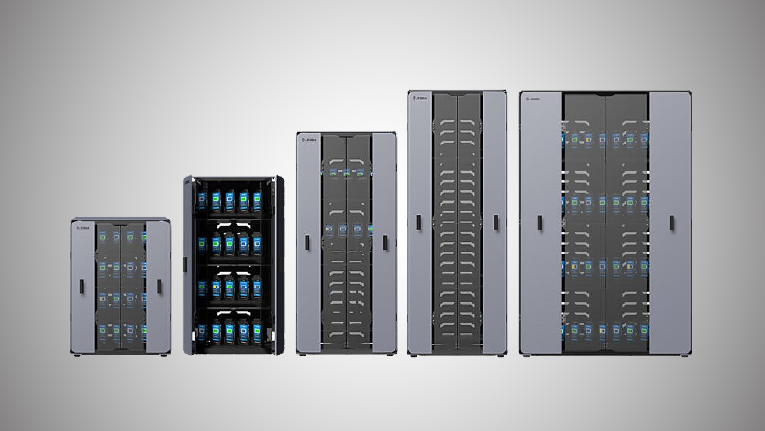
Zebra Intelligent Cabinets: A safe place for your mobile devices
In recent years, mobile terminals and printers, industrial tablets and more have become a part of modern warehouses and production lines. A single plant can have even hundreds of these items in its inventory. How do you handle and store these smart devices? Intelligent cabinets from Zebra Technologies create a central hub for your warehouse equipment, in which stored devices can be secured and monitored similarly to warehoused items.

Automotive for a New Age: Localised Manufacturing and Supply Chains Alongside New Business Models
For over a year now, the global economy has seen a trial by fire, and it is struggling with the impacts of anti-epidemic measures. In automotive, the pandemic has mercilessly revealed the vulnerability of global manufacturing and supply structures, and meanwhile this sector is seeing the greatest change in a century, with combustion engines gradually giving way to electric.

We learned while doing – and always valuing decency and good relationships
Aimtec is celebrating its 25th birthday. That’s why we couldn’t resist asking its co-founder Jaroslav Follprecht what has changed and what events most strongly shaped the company – but also how hard it is and has been to find work-life balance.
TAL 2021: The topic for automotive logistics in 2021 will be finding a balance
Audi, BMW Group, ŠKODA AUTO, ZF Friedrichshafen, Volkswagen, Eissmann Group Automotive – návštěvníci konference Trends in Automotive Logistics (TAL) už měli v minulosti možnost vyslechnout si zkušenosti, případové studie a inspiraci od těchto velkých hráčů v automotive a také od desítek jiných. Loni v únoru přilákal jubilejní 20. ročník do Plzně téměř 300 českých i zahraničních účastníků, kteří podle zpětné vazby odjížděli spokojeni. I v letošním roce chystáme inspiraci v podobě toho nejlepšího z logistiky v automotive. Posun na podzimní datum 21. 9. 2021 vidíme jako příležitost setkat se v Plzni znovu osobně a navázat tak na úspěšné předchozí ročníky. O tom, na co se letos můžete těšit, jsme si povídali s Romanem Žákem, předsedou představenstva Aimtecu.
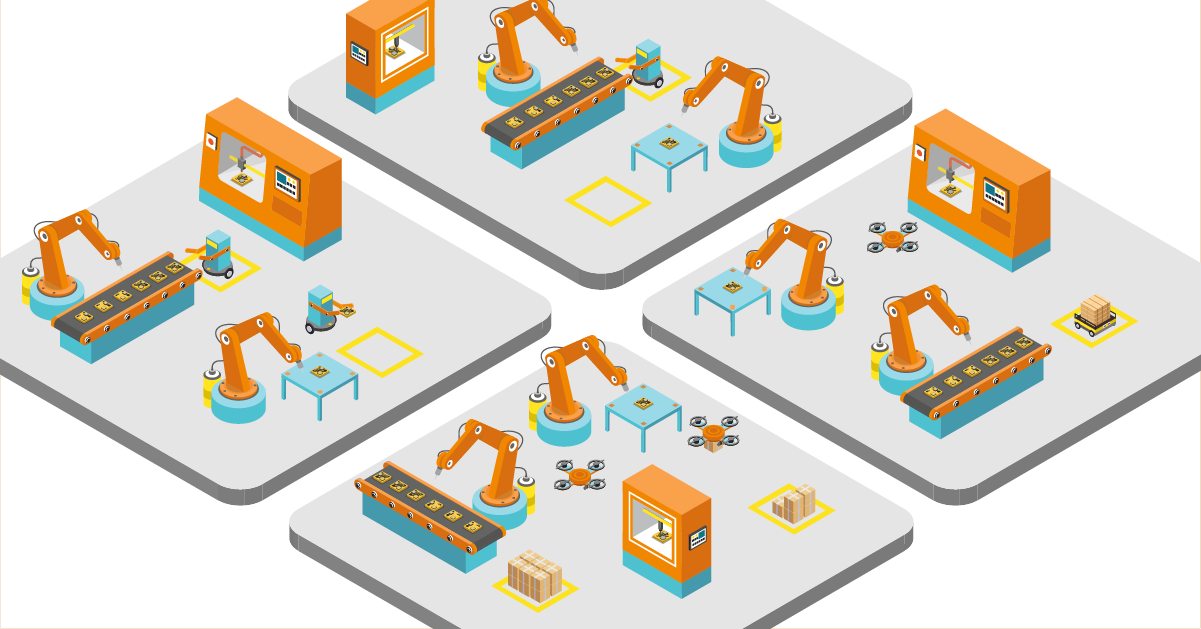
Local automotive manufacturing? Smart microfactories will make it possible.
Traditional production lines may soon be replaced by innovative microfactories consisting of manufacturing cells with flexible robotic stations. These can make do with a floor area that’s two orders of magnitude smaller and can be brought into operation considerably faster.

Expensive electromobility may endanger Europe’s OEMs
Even ten years from now, European OEMs will still spend more to produce each electric vehicle than they would for a compact automobile with an internal combustion engine. Pressure on companies’ profitability will continue to grow, and in time it can lead them to merge into larger units – and to share R&D costs as well. Will Europe’s automotive leaders fall into the red?

The warehouse automation market will see strong growth – powered by e‑commerce
The research company Statista is predicting a doubling of the warehouse market automation market by 2026. The volume of investments into automated warehouses, and thus into related technologies as well, is predicted to rise worldwide from its 2019 level of $15 billion up to $30 billion in 2026. This trend was already growing before the pandemic, but now companies that operate warehouses have been forced to shift automation away from “nice-to-have” priority up to “must-have”. If they want to remain relevant in this field, such a strategy change is a necessity. How high will this trend rise?

The three most common mistakes when choosing a WMS
A Warehouse Management System is capable of controlling processes throughout the whole warehouse, making it the first choice for internal logistics. The latest study by the SKLAD association has shown that an unbelievable 53% of Czech logistics companies want to invest in a WMS over the next year. Are you among them? Then make sure that while you’re choosing, you’re not making any of these mistakes that can endanger the whole project’s success!

The Five Things You Need for Successfully Launching Your Production and Logistics Automation Project
The automation of logistics and manufacturing is steaming ahead. This trend has been helped along by the constant pressure for efficiency, along with the digital transformation and a shift towards greater freedom from human capital. All this has made way for the deployment of new technologies, with which automation is often connected. How can you maximise logistics automation’s potential while making sure your project goes as smoothly as possible?

Three real‑world examples of how to configure the system for controlling logistics and production
Today, when the demands on businesses and how they work are changing nearly non-stop, it is essential to be able to react quickly and gain control immediately even in tough situations. And so it is no surprise that custom configurability is also a fundamental matter for WMS, MES and APS, among other logistics and control systems. The trend is clear – customers seek a system where their hands and minds are free to create their own transactions and processes and shape their system’s future development. But is this truly possible?

DCIx 7: The Future Is in the Cloud
The 2020 DCIx User Group on 10 September 2020 introduced this application’s latest version: DCIx 7. Are you expecting the usual – just some added features like in previous versions? Then you’ll be pleasantly surprised. The cloud has entered the game more than ever before. And that makes this more a revolution than an upgrade. What else can the new DCIx 7 offer you?
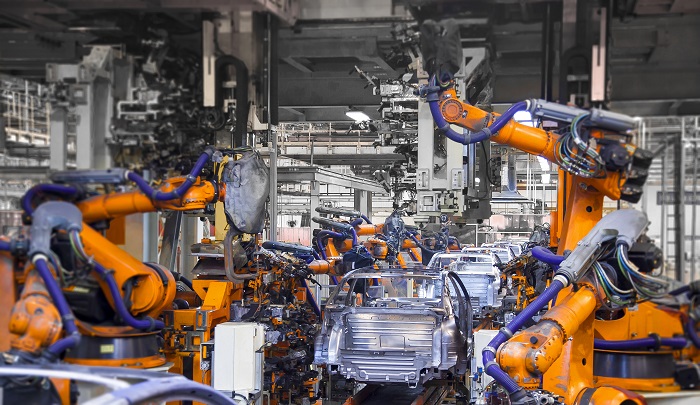
When transformation is not a trend, but a necessity
An automobile comprises about 20,000 parts. Some components are so unique you could count their suppliers on just one hand. If on top of that you’re forced to speedily switch to a new supplier, the whole process can become a nightmare. We probably needn’t quiz you on why this information is so interesting of late…

Digitalisation goes hand in hand with automation. And it can bring companies durability and flexibility.
Projects aiming to automate logistics tend to be a major challenge for companies. In this interview with Aimtec co-founder Roman Žák, we discussed the most common errors one encounters in projects like these – as well as how automation relates to digitalisation.
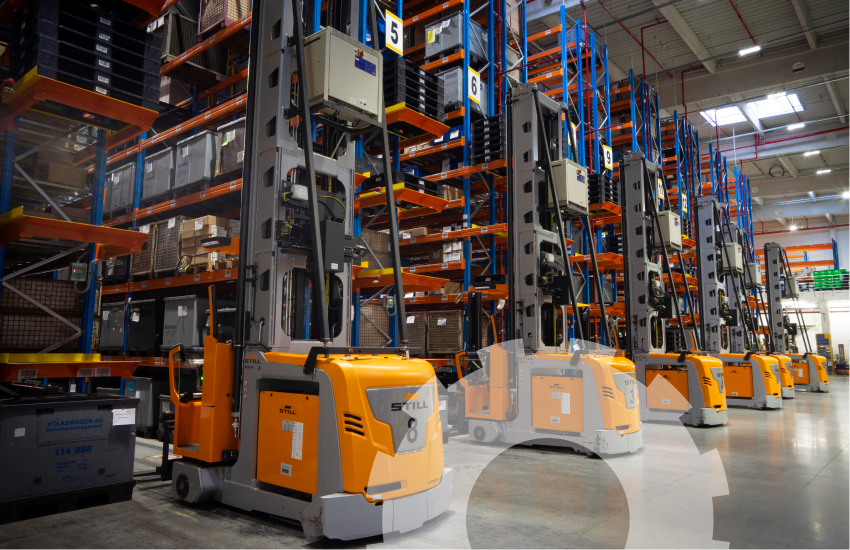
How to Automate Warehouse Processes with VNA: The General Prerequisites
More and more often warehouse halls contain VNA (Very Narrow Aisle) forklifts that zip through aisles all on their own, or in semi-automatic mode. But before they can do that, you need to integrate them into their surroundings properly. Unless you want VNA to stand for “Very Nasty Automation,” you need to make sure not to underestimate preparations. How can you prepare your warehouse and processes for this expansion of your fleet? We have a few tips on how to approach it.
What’s the state of Czech logistics and warehousing today? We know the current crucial trends and problems
How are logistics firms handling ever-shorter delivery periods? Do they see automation as a necessity, or are they tending to delay related investments? The new Trends in Czech Logistics study answers all of this and maps the topics that are shaping the Czech logistics market.

Automation: Keeping Your Control System in Great Shape
In our previous article on how to tackle automation, we mainly focused on your team and on how to take an efficient and modern approach to your new control system’s deployment. Today we’ll look under the hood (or into the code?) of the system itself. You want it to grow along with you – and with the evolution of your processes and the hardware technologies in use at your warehouse. So you need it to be configurable, and naturally you need to attend to its maintenance too. But you can entrust that maintenance to… automation! Join us for a look at how to “automate automation” and have a control system that’s still as good as new after years of utilisation.
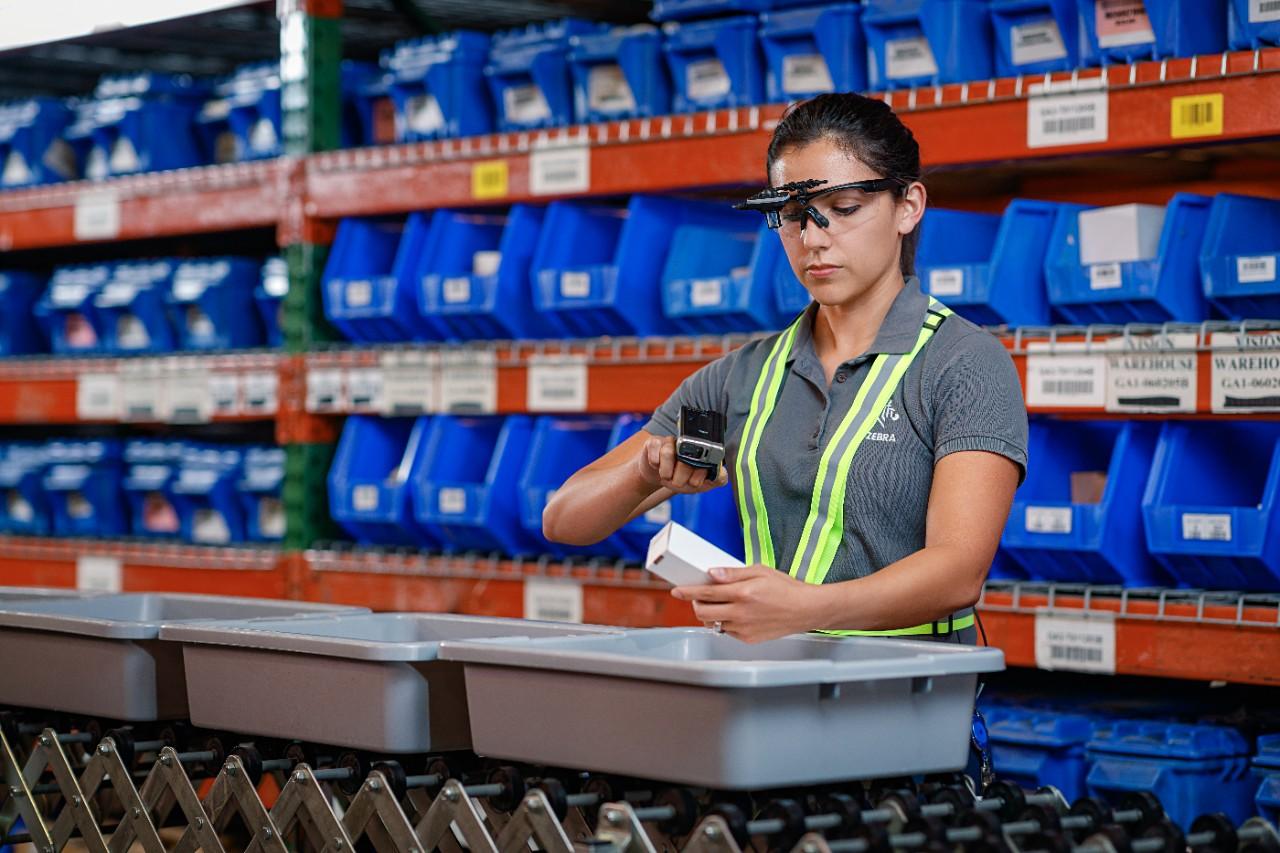
Zebra Technologies’ HD4000 – the latest smart glasses for industrial augmented reality
The potential of industrial augmented reality (AR) is growing, so talk about it has grown too. And we too wrote last year about the possibilities for using it, for example in tablet-assisted quality control. The latest AR tool we’ve had a chance to try out is the HD4000: a pair of glasses from Zebra Technologies.

Lean Manufacturing Principles Applied to a Packaging Line
Not many companies in our country have withstood its fundamental societal changes over the last 100 years without major fluctuations. The Swedish company SKF is one of the exceptions.
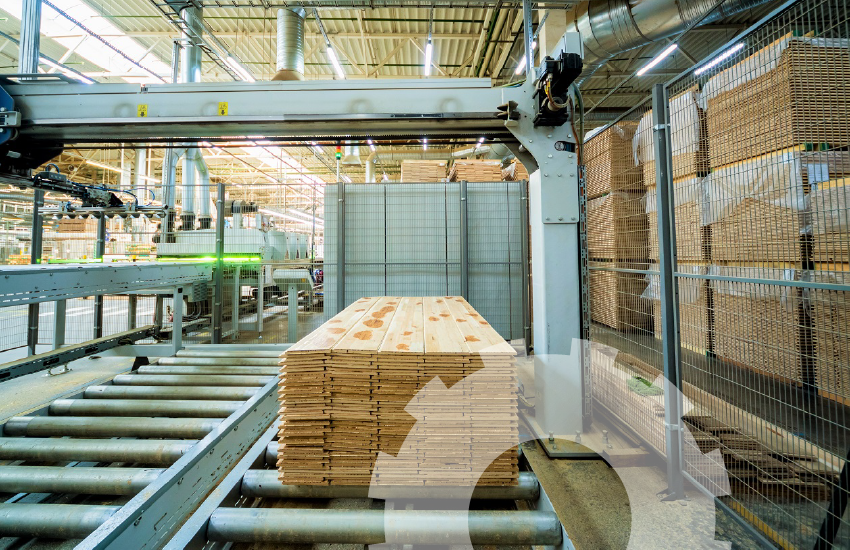
“We Originally Just Wanted to Improve Our Processes, but in the End We Automated Our Whole Warehouse,”
states Libor Toman from the board of directors of DŘEVO TRUST, a.s. He answered our questions just weeks after the start of live operation for their fully automated warehouse – that is, in a very special phase of the project. Mr. Toman captained the new warehouse’s investment project, and therefore we asked him about his experience and the path leading up to the automation.
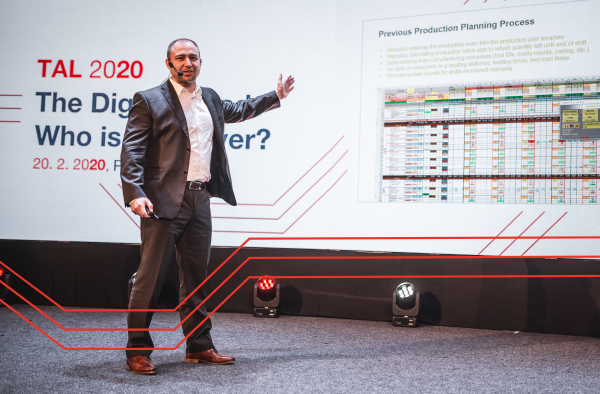
Efficient Planning with the Asprova APS System at Autoneum Czech Republic
Autoneum has the vision and goal of digitalising all of its logistics processes. In 2019, digitalisation made its way to production planning, with the new solution aiming mainly to increase the efficiency of manufacturing and of plan creation. At TAL 2020, Jan Stejskal, Logistics Manager at Autoneum CZ’s Choceň plant – to which the group’s other plants are now turning for inspiration – revealed how it all worked out. But is this change in production planning “just” about a tool, or is it a much more comprehensive process?
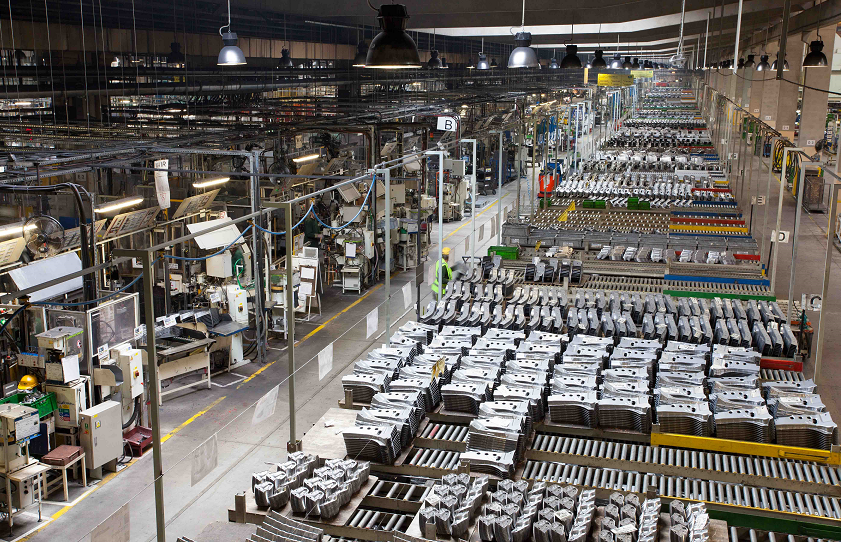
Asprova Opened Our Eyes. Thanks to It We Were Able to Reduce Our Stock by 50%
The Futaba Czech company started an implementation of the Asprova system for advanced planning and production controlling in April 2014. It has been fully relying on this APS system since the beginning of 2015.
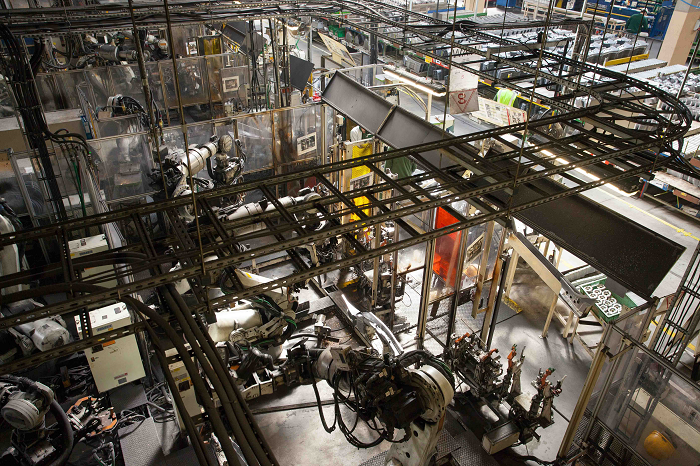
MOM Is the Future! What Is the MOM of the Future?
Manufacturing companies will be facing challenges in the near future that will drive deeper and tighter interconnection of the virtual and physical world of products, machines and workers.
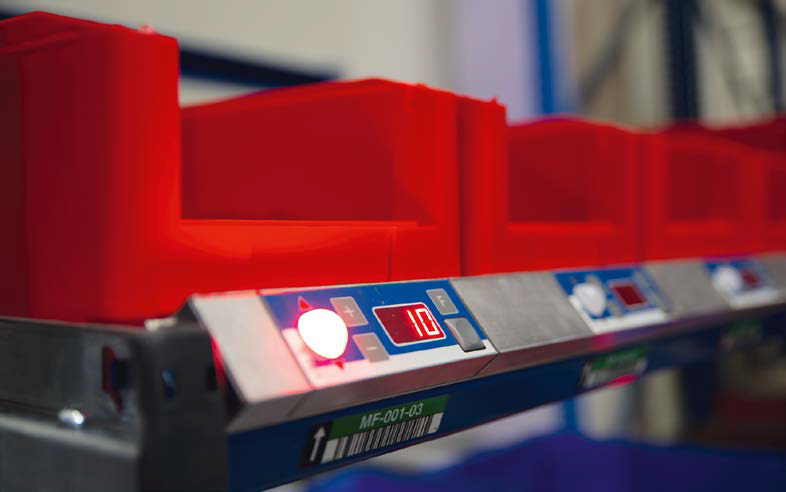
Vertical Lift Storage: When the Component Comes to the Operator
Navigation of the warehouse operator using light indication. World’s gone mad, what was enough yesterday, is not enough today. Production batches are getting smaller and the profitability limits of yesterday are being reconsidered today.

How Does the EDI Communication in the Fiat Chrysler Automobiles Car Plant Look Like?
The seventh largest carmaker in the world, FCA – Fiat Chrysler Automobiles in the USA, supports the process of electronic communication with suppliers using so called feedback messages.

Integration of Systems with MuleSoft Anypoint Platform
Integration of systems in a company is important not only for the elimination of errors or current data availability in separate systems.

Interview with Tomáš Pivovarník, Amphenol‑Tuchel Electronics
The SappyMES implementation project upon agreed time and financial conditions. Czech branch of the German Amphenol-Tuchel Electronics GmbH company, manufacturing connectors and electrical cable bundles not only for OEMs, implemented the SappyMES system for the production data collection.
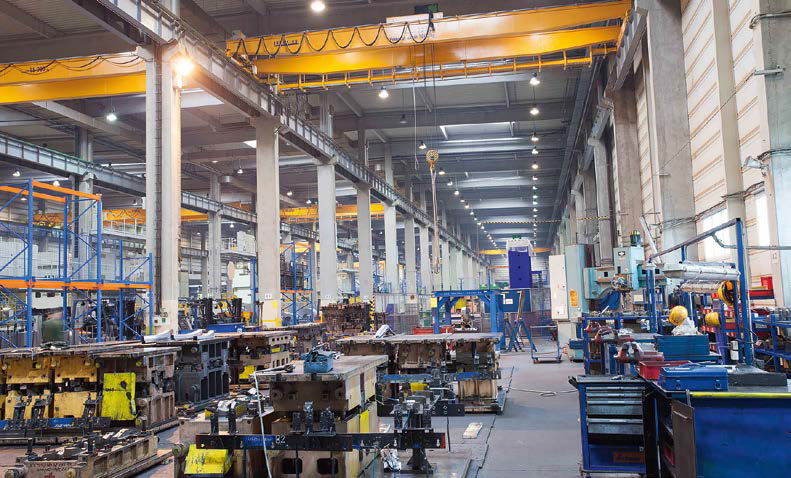
The Data War Has Been Declared, Production Including
The avalanche of terms from the world includes Industry 4.0, Advanced manufacturing, Smart factory, Internet of Things. Each of them has a slightly different meaning but we can find common base too. Let us analyse them from the production data point of view.
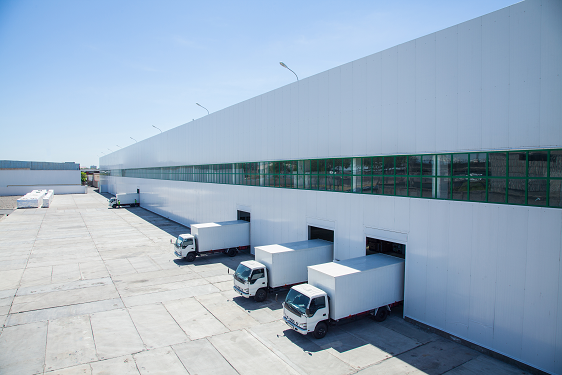
Optimizing Loading and Unloading with YMS
The ever growing variety and number of products means a growing number of suppliers and customers for production companies. As a result the number of trucks to be loaded and unloaded everyday is growing too.

Planning of SMT Lines and Consequent Processes in Electronics
Practically all companies fabricating electronics use the SMT (Surface Mount Technology). In most of them, however, the production process is not finished by automatic installation.
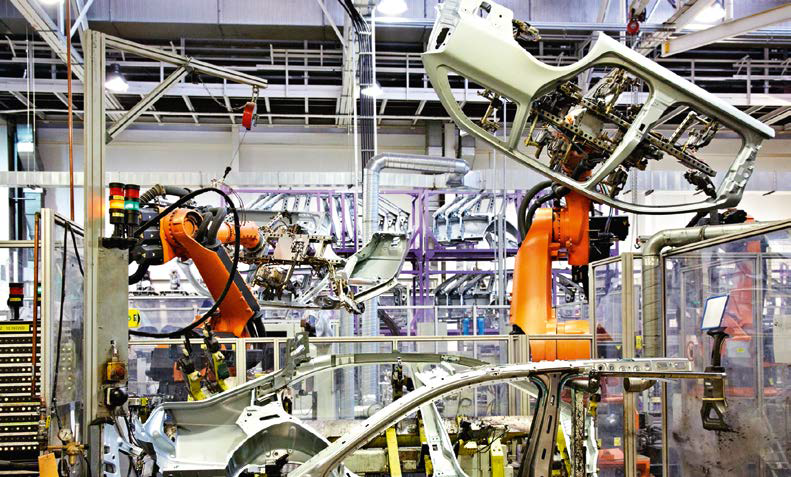
Industry 4.0, Time for a Change – and the Czech Republic Is Sleeping
Whether we call the Industry 4.0 a revolution or evolution, obviously it is an unrepeatable opportunity for small and large (states and companies) to change their conditions of existence. However, if the one having the reins in the hands does not awake, how the commons might master the issue.

Who Will Win the IoT Global Network Race?
The starting shot was heard. The race has been started, regarding who would build the global communication standard for the Internet of Things (IoT).
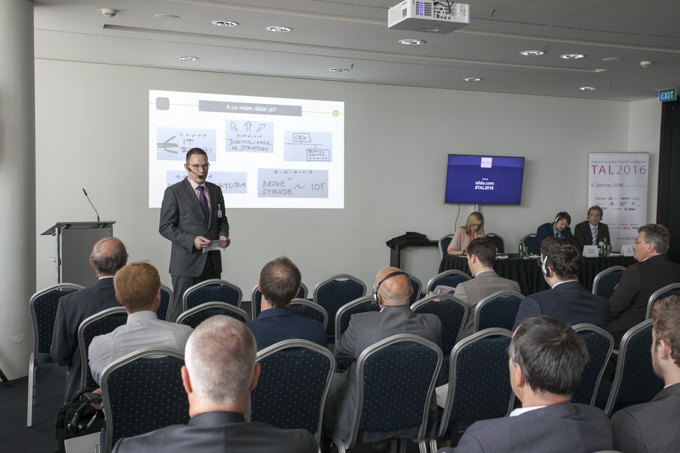
The TAL Conference Has Attracted Well‑Known Experts
The Trends in Automotive Logistics conference (TAL) took place on June 9th, 2016. This annual and eagerly awaited action took place in an interesting and attractive environment again – the 28th floor of the Prague highest building, in Pankrác.
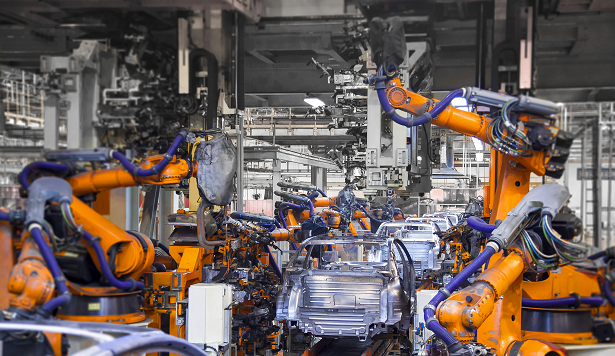
Magna: Transfer of Production Planning Experience from the Czech Plant to Germany
Magna is a leader in the automotive industry for the production and supply of components. Every year it places in the higher ranks of the top 100 global automotive industry suppliers.
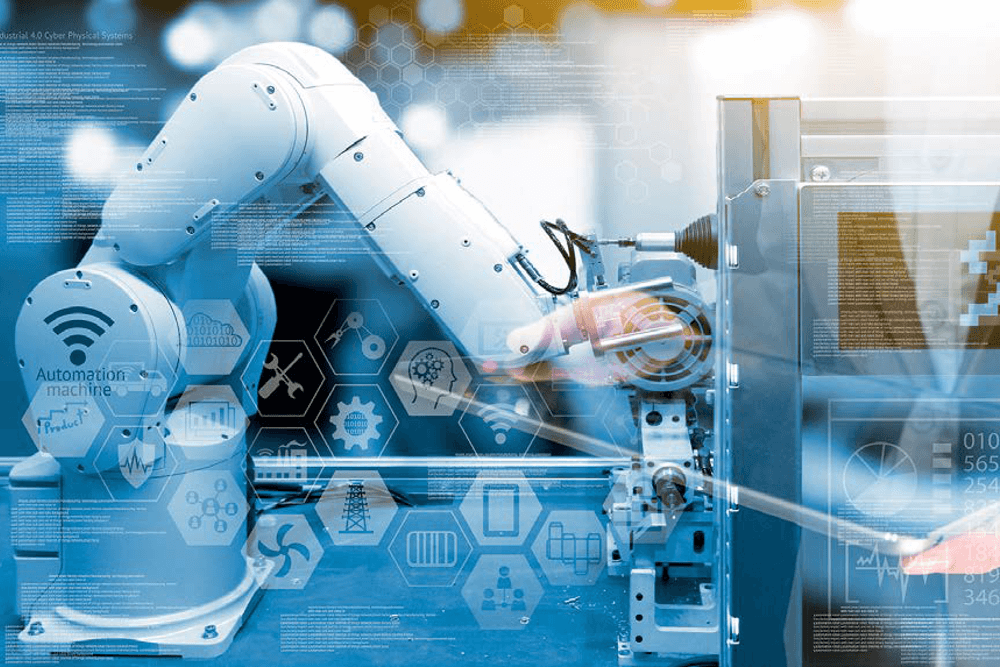
Make It Digital! Your Reward Will Be Flexibility and Speed
One of leaders in the industrial automation market, the American company Rockwell Automation claims that thanks to principles of so called Smart Manufacturing, the price of a personal computer will drop to USD 300, and of a car to USD 3,000.

Is It Possible to Have a Stable, yet Agile It Infrastructure? Bimodal Architecture Is the Answer
Digital world of nowadays brings increasingly pressing and more often demands placed on enterprise IT departments.