
Most recent articles
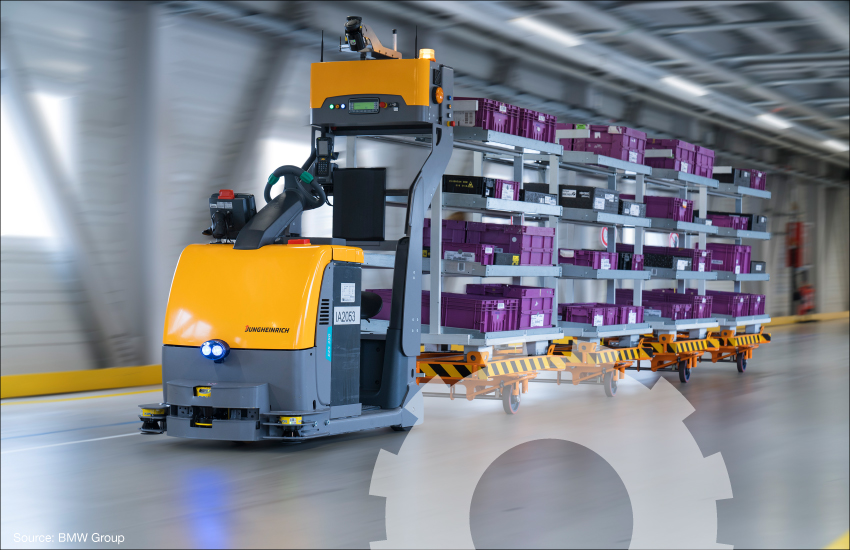
Warehouse Automation: The Technologies
Many automation projects start with the idea of replacing manually driven vehicles with automated ones. But this solution may not bring the desired results, and usually, even before the fleet’s replacement, it becomes clear that a deeper analysis of automation type and level is required. Not always it is possible and beneficial to opt for a fully automated warehouse or autonomous handling equipment. Often a gradual process, which lets you prepare for changes and absorb them, will be a better choice. But a radical change can work too. What are the options, and which technologies can you use? And what should you consider before deploying them?
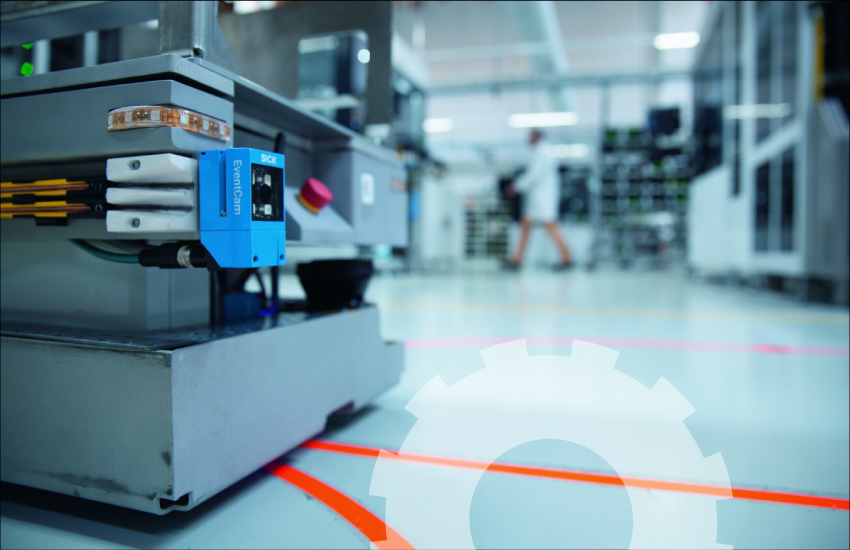
Catch a Ride with Autonomous Guided Vehicles into the World of Industry 4.0
While self-driving is fairly problematic for automobiles, carts without human operators are appearing in factories and warehouses with growing frequency. They differ in how they navigate and in the degree of their autonomy. For intralogistics, autonomous guided vehicles are a way to make processes faster and more efficient, and naturally, they’re also a way to free up people’s hands. Because they’re moving around among people, safety is important as well.

Warehouse Automation Achievement: Sellier & Bellot
Sellier & Bellot is one of the most successful industrial firms in the Czech Republic – and one of the oldest munitions manufacturers in the world. And it is also a renowned name in sport, for example in shooting disciplines and biathlon. Interestingly enough, it is likely the only company to have its own game reserve on its premises. But let’s take a look at the Sellier & Bellot warehouses, which saw a key turning point in 2016, when a new hall was built and equipped with a fully automated warehouse.
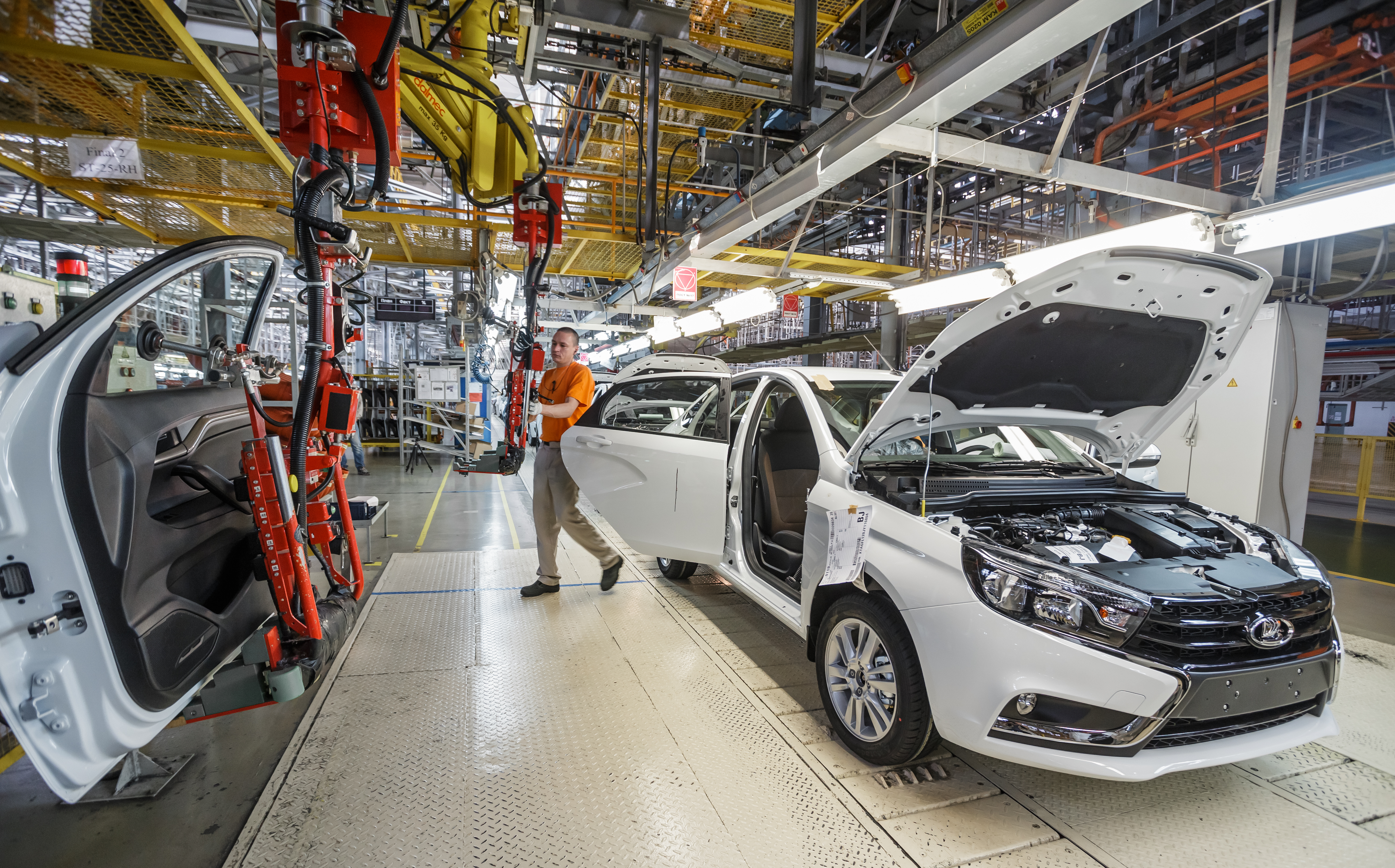
B2B Communication in Automotive: The Basics
The automotive sector places greater demands on suppliers than almost any other sector. Individual components need to meet strict criteria for the quality and traceability of materials, and additionally electronic data interchange (EDI) plays a key role.
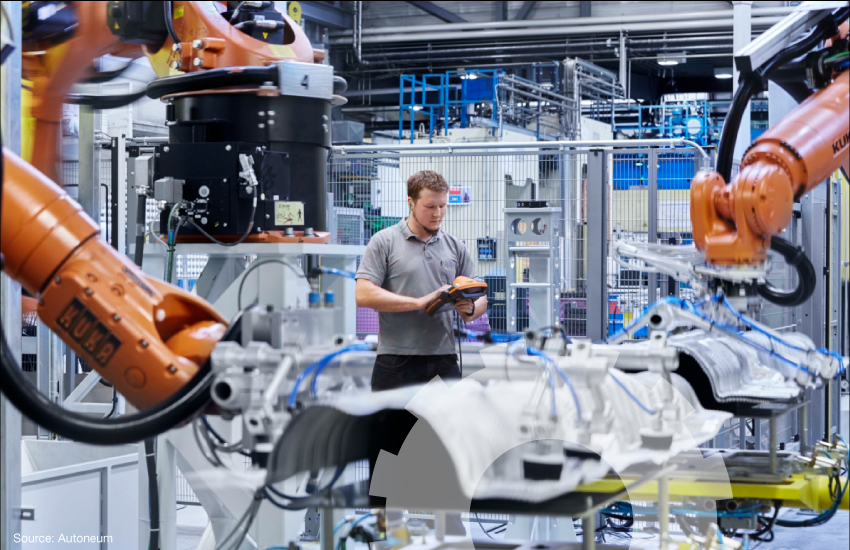
How Can You Master Automation? Your Internal Team and Innovative Project Tools Are the Key
Automation’s benefits are clear – saved costs, reduced human error, and faster, more efficient processes. But how much time will it take your team to grasp this Holy Grail? How can you prepare your key people for what awaits them and empower them to enable a smooth course for the entire project? Success is not just about suppliers and technologies, although they do play an important role. An often forgotten, but fundamental pillar lies elsewhere. In your people’s time.

The 8 Most Interesting Quotes from TAL 2020
What you might have missed at the conference, but is good to remind yourself.

The Digital Transformation: Are You a Driver or a Follower?
If you were there in the audience at TAL 2020, Filip Dřímalka may have piqued your curiosity right as it began. If you weren’t there, here’s a summary of all his key points, as well as some tips on what to do to stay a true driver of the digital transformation.
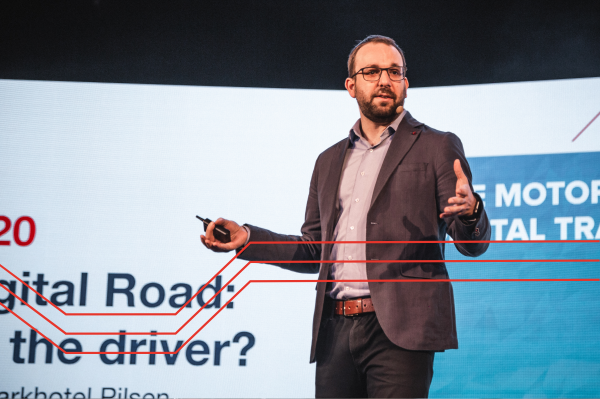
Filip Dřímalka: The Future Will Be Fantastic
Filip Dřímalka is a law graduate, and yet you’ll more likely come across him as a consultant for your company’s digital transformation, or as a speaker. And speaking was his role at TAL 2020 – where we also questioned him in a bit more detail.
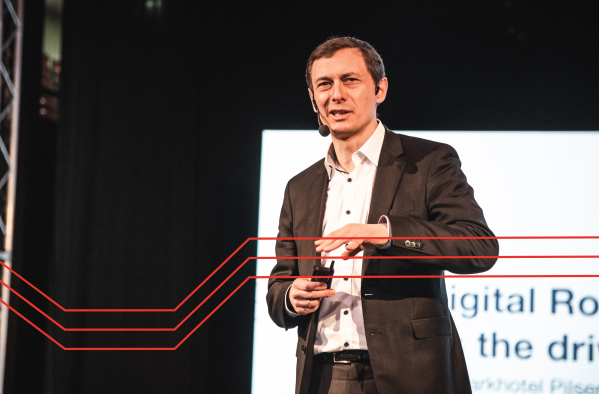
What Makes Smart Logistics Smart? An Interview With Marco Prüglmeier From BMW Group
When it comes to digitalization in logistics and manufacturing, the question most often asked is what will happen to the human workers. Will they be made redundant? The very clear answer is “no”. Digitalization is nothing without human workers. It is there to support them, not to replace them.

Petr Eret on Remote Delivery: It’s More a Mental Change Than a Technological One
Delivering software solutions entirely remotely? Completion of projects without the need to visit the plant or warehouse is one option offered by Aimtec, a consulting and technology firm based in the Czech city of Pilsen, which has been providing software solutions for manufacturing and logistics for almost 25 years. How important a role does COVID-19 play in the shift to remote delivery, and what demands does this delivery method place on the customer? We’ve asked Aimtec’s Senior Business Consultant Petr Eret about all this and more.
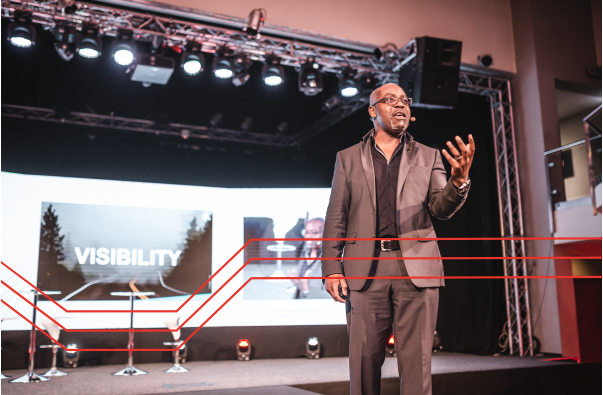
How Do We Create Intelligent Automation?
That’s the question Paul Norford from Zebra Technologies tried to answer at TAL 2020. Yet his speech at this conference definitely was not about technologies and different products and features. Anyone who’s had the good fortune to meet this enthusiast already knows what element Paul considers the most important in automation; for the rest of you, we have a short summary of his presentation.
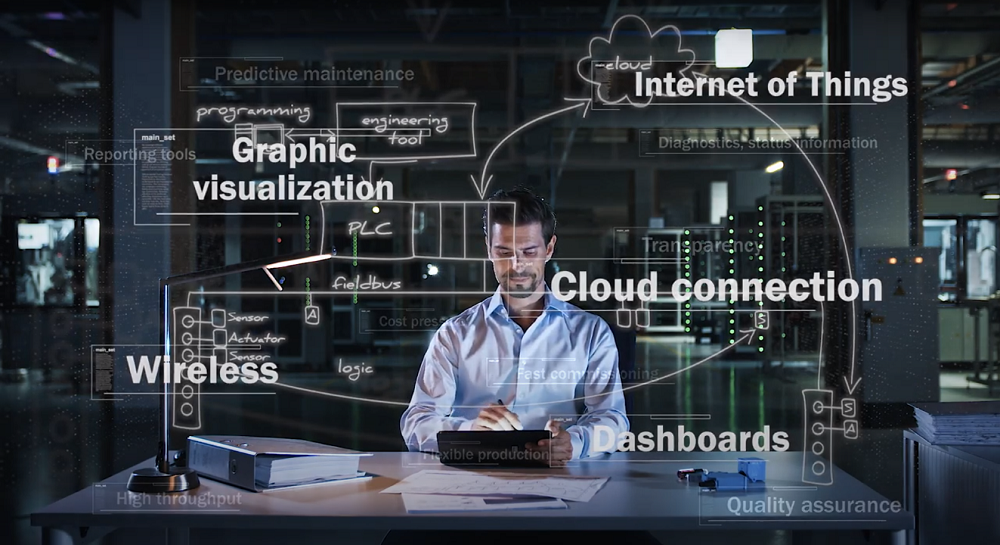
Get the Data You Need for Industry 4.0 with IO‑Link Communication
The Covid-19 viral pandemic is affecting both human health and the global economy. The restrictions on movements of persons, above all, have revealed certain weaknesses in manufacturing and supply systems across different fields. Even before this global crisis broke out, automation and industrial robotisation – jointly known as Industry 4.0 – were of growing importance. So it is very likely that pressure for automation of manufacturing and logistics will increase in further areas even after the crisis ends.

“Above All, Communicate Your Automation Internally,”
advises Jiří Ovesný, founder of the logistics consulting firm INTRALOG SERVICES. He has been working in logistics and industry for thirteen years, and he currently provides consulting focused on automation, improving process effectiveness and putting Industry 4.0 into practice. We asked him for his opinions on how to approach automation and what to focus on right away in the project planning phase.

It Won’t Work without Robots: How to Accommodate the Extreme Personalisation of Manufacturing
Autonomous robots are gradually becoming common “employees” at manufacturing and logistics companies. Everyone wants them. However, the presentation by Faouzi Grebici from OMRON at TAL 2020 led us to realise that they are the mere tip of the iceberg of a modern, maximally efficient warehouse. Nevertheless, they do play an important role in the transformation of manufacturing and logistics. Will robots play a greater role than their human colleagues?
5 can’t‑miss changes in DCIx
Far greater and more efficient utilisation for the data you collect, broader possibilities for in-house editing and transaction creation, and of course a cloud-native approach. And the new offerings in DCIx go beyond just this – there’s news in the client applications as well. Read up on the system’s five most important changes, which are not to be missed.