
Most recent articles
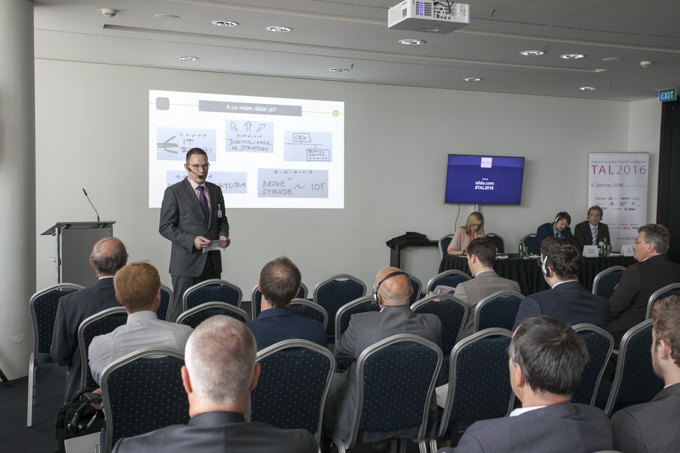
The TAL Conference Has Attracted Well‑Known Experts
The Trends in Automotive Logistics conference (TAL) took place on June 9th, 2016. This annual and eagerly awaited action took place in an interesting and attractive environment again – the 28th floor of the Prague highest building, in Pankrác.
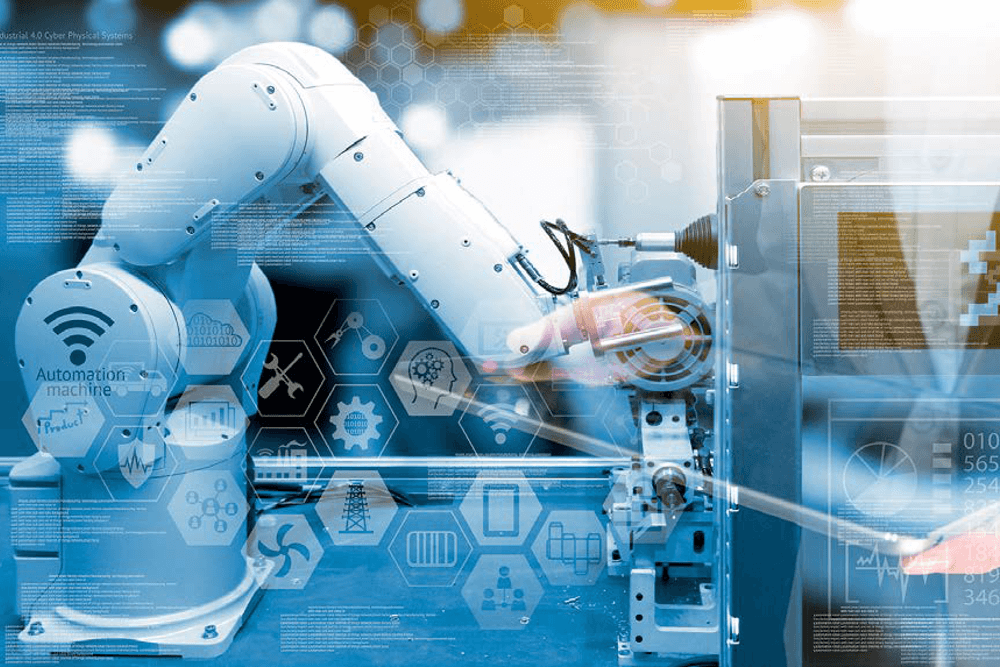
Make It Digital! Your Reward Will Be Flexibility and Speed
One of leaders in the industrial automation market, the American company Rockwell Automation claims that thanks to principles of so called Smart Manufacturing, the price of a personal computer will drop to USD 300, and of a car to USD 3,000.

Is It Possible to Have a Stable, yet Agile It Infrastructure? Bimodal Architecture Is the Answer
Digital world of nowadays brings increasingly pressing and more often demands placed on enterprise IT departments.

Api‑Led Connectivity – Key for Successful Digital Transformation
API is a very frequently mentioned term in the area of information technology.
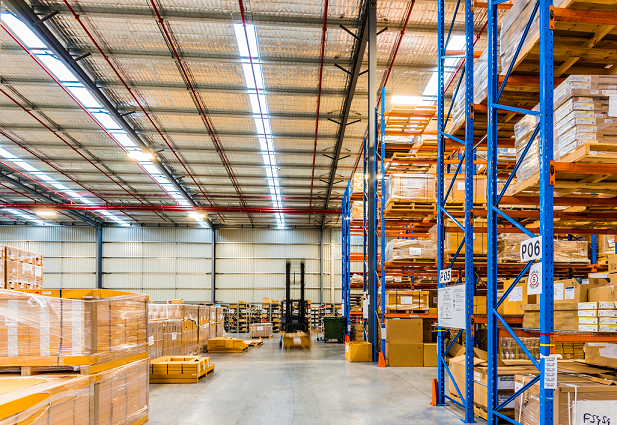
František Finger, TRCZ: We Implemented WMS Mainly for Traceability
The TRCZ company is a daughter company of the Tokai Rika company, Japan. The company manufactures automotive parts, safety elements, and keys for cars. In the Czech plant in Lovosice, the company has implemented, step by step, a complex solution for the management of material flow, from call-offs to shipment, in cooperation with the Aimtec company.

New I4.0 Technologies Must Be Adaptable into the Industrial Environment
The WITTE Automotive company ranks among global technological leaders. The production plant in Nejdek is the largest within the group.
Be Digital. Faster.
Czech economy, in its large portion, is oriented to the German market, and in the last year, the Czech Republic became one of top 10 trade partners of Germany.

Future of Planning from the Perspective of Industry 4.0
With respect to the implementation of information systems, production companies can currently be divided into two basic groups. The first group implements tested solutions, having a clear beginning, end, objective, and benefit.

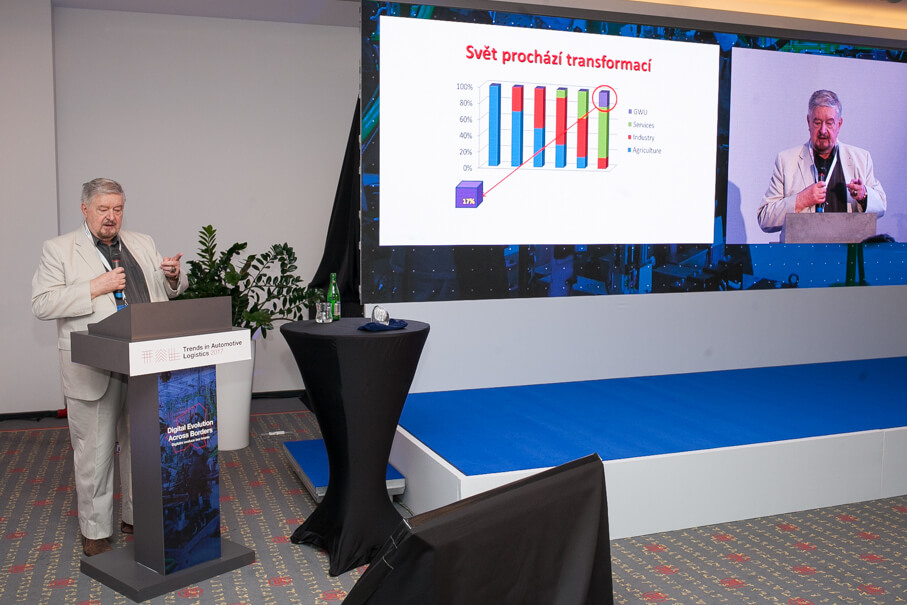
We Live in a Time of an Accelerating Change, States Milan Zelený
Were you unable to attend September’s Trends in Automotive Logistics (TAL) conference? Or perhaps you attended the event and want a refresher on the fundamental ideas expressed there?

The Specifics of Delivering for Jaguar Land Rover (JLR)
A new JLR plant is being constructed in Slovakia. This is one of the largest foreign investments in Slovakia’s modern history.
Sequencing Is the Trend for Today. What about Tomorrow?
Each new car model brings an increase in the number of suppliers and parts swept up in sequential delivery to the assembly line at cars’ end-manufacturers.
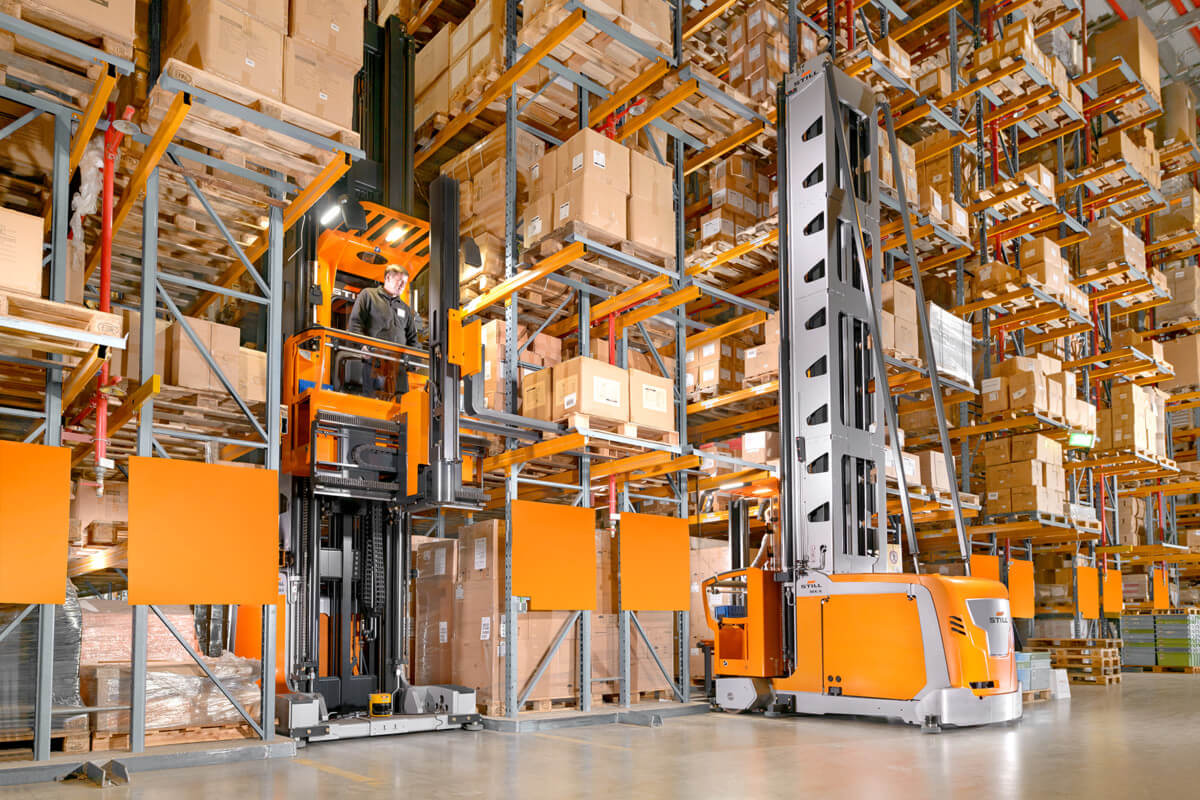
Automation and HW Technologies in Logistics. a Visible Part of Digital Transformation
In our last issue, we wrote about the digital transformation; about processes, people and changes to the business model.
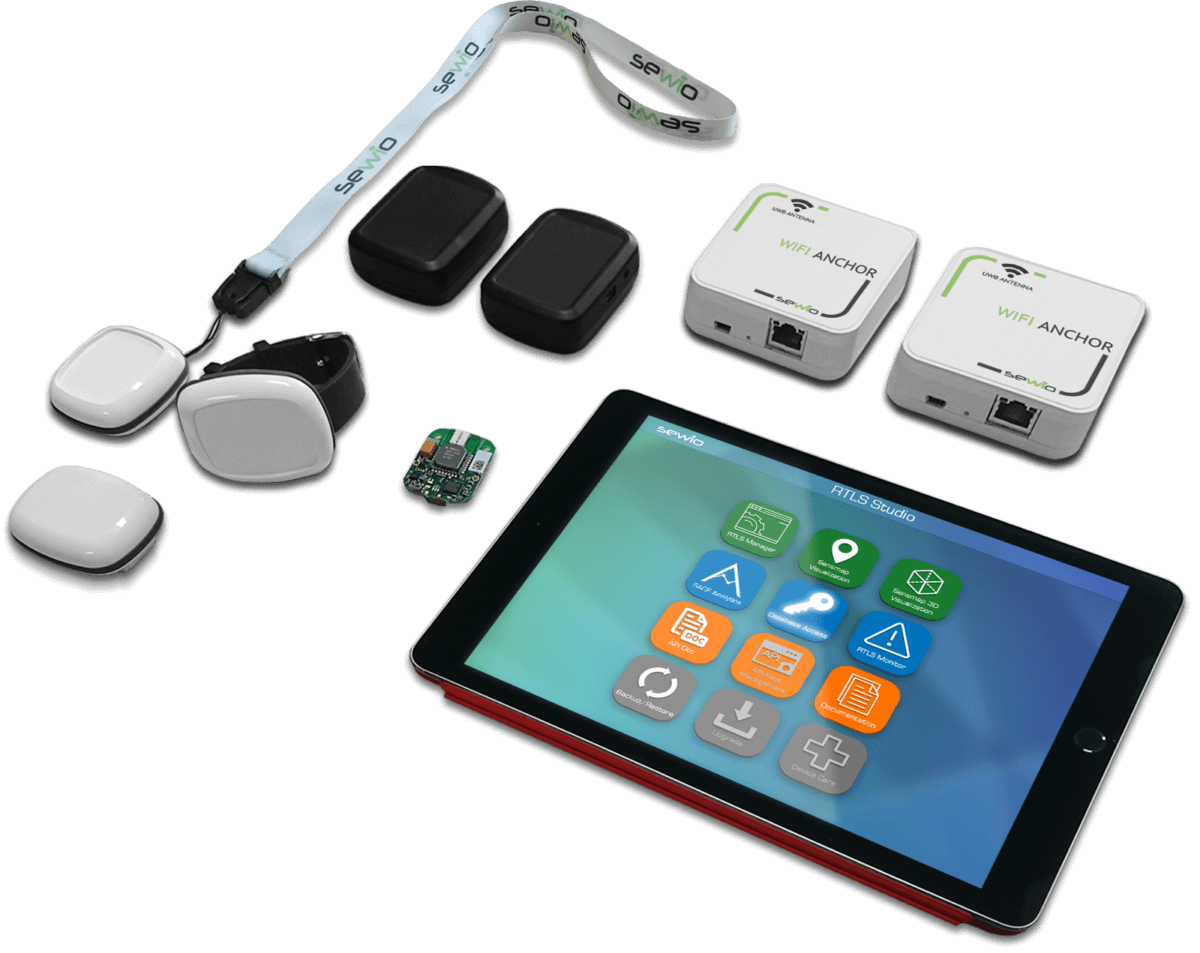
Monitor Warehouse Staff Routes and Localise Objects in Real Time
Where on Earth is Petr with that forklift? Where have you put that blasted pallet with the parts for the Daimler order? If you’re knee-deep in questions like these, then it’s time to discover Location Based Services.

4 Development Phases Towards Digital Factory
Many manufacturing companies have already been performing digitalisation activities for quite a long time now. In the past they invested into manufacturing equipment and warehouses, which today are commonly controlled by advanced software.

Don’t Wait Seven Years; Convert Your Sap to S/4Hana Today
SAP is a company that is adapting rapidly to the changing IT environment so as to focus on Industry 4.0 elements and companies’ digital transformations.

It Resists the Rain, Dust and Heat. and Your Business May Well Find It Irresistible
At first sight, you might mistake the new TC20 mobile computer from Zebra Technologies for a smartphone. But instead, it’s a smart tool that will help you e.g. store and track the goods at your warehouses and collect field data.

Digitalisation Is All about People
In manufacturing and logistics companies, digitalisation keeps on making work easier and letting people focus more deeply on their specialisations.
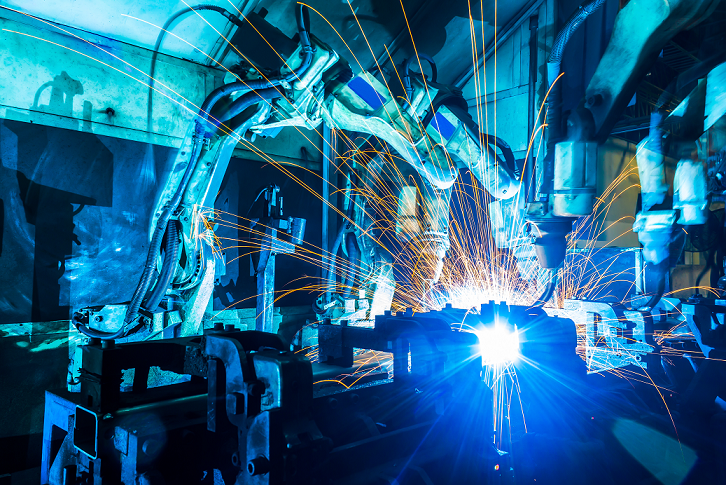
The Digital Factory as MuleSoft sees it
How do you automate an entire factory? You need just three technologies: an API, the IoT and artificial intelligence, all communicating together.
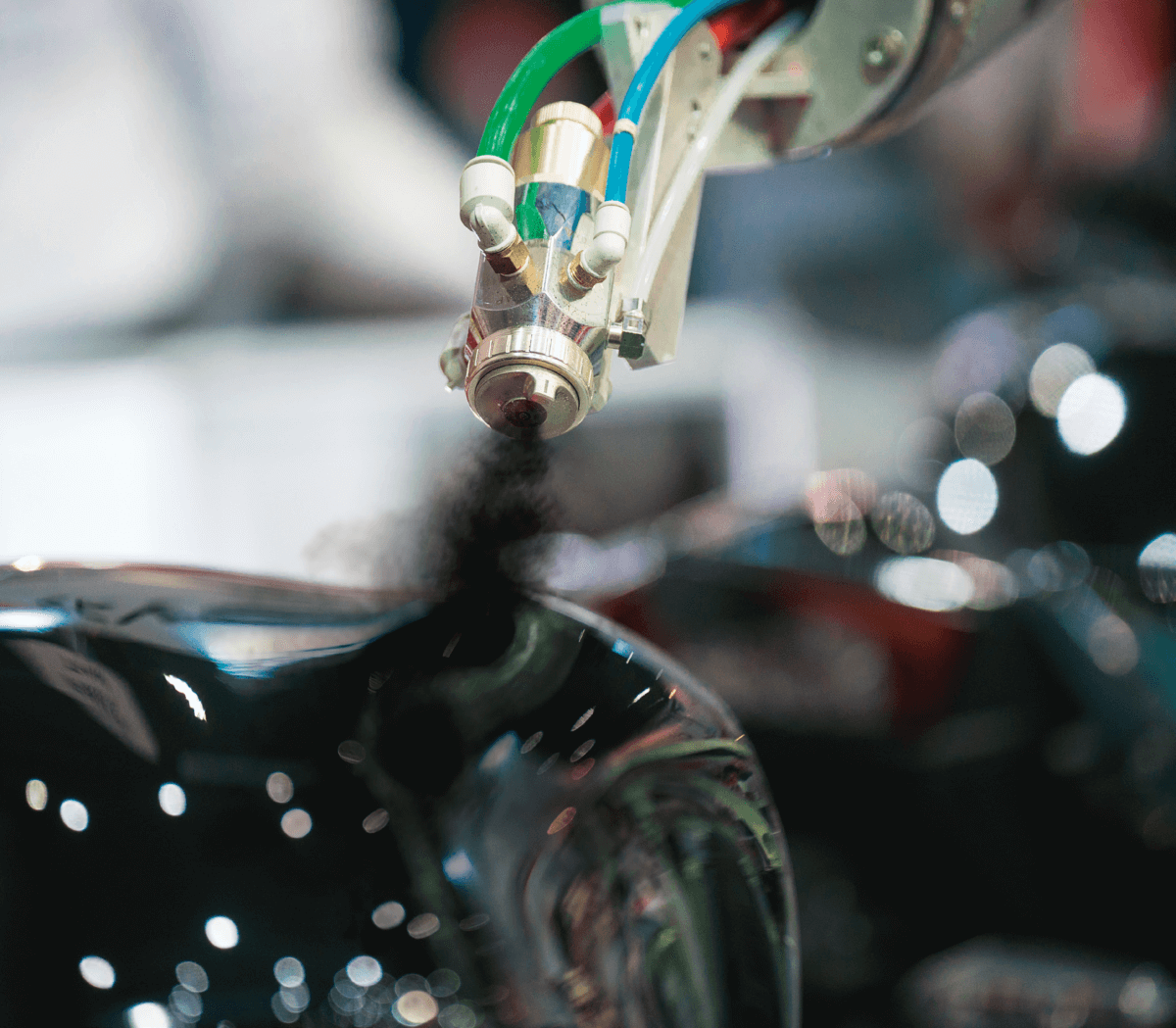
How Does a Car Get Painted aka APS in Paint Shops
You come into the showroom, the salesman hands over the keys and you step up to your new car for the first time.
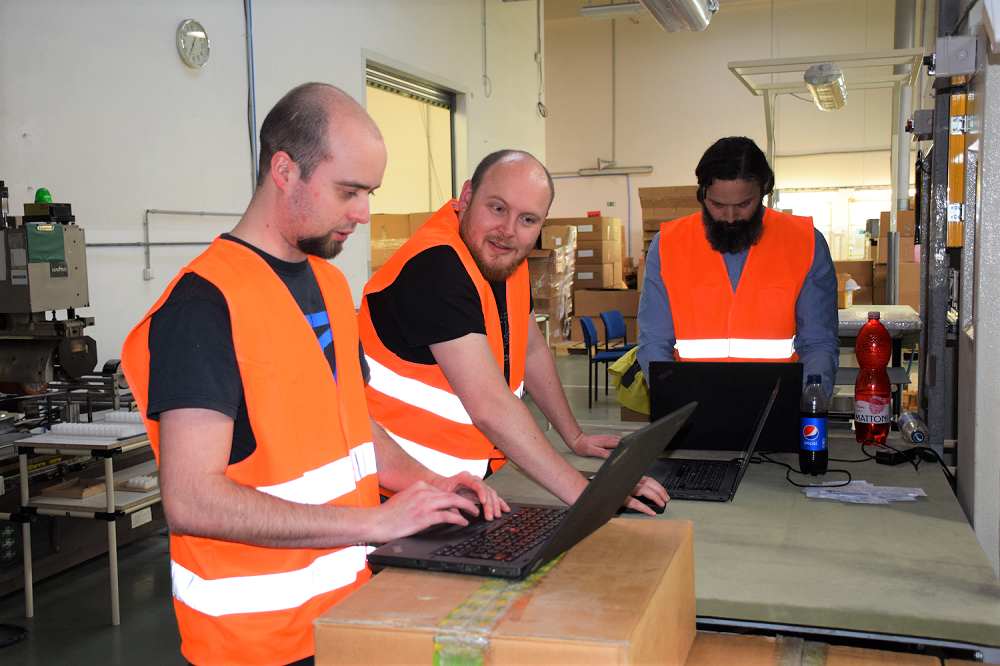
The First Step on the Road to Industry 4.0 at Daiho
The individual steps in digitalising your enterprise may seem demanding. And they do demand long preparation and thorough employee training.
ERP: The Cornerstone of Every Digital Factory
It’s not just corporate IT managers who lose sleep over Industry 4.0. Members of companies’ top management often have to address this topic as well.

Not Just Smart Manufacturing – Smart Planning Too
A digital factory doesn’t just mean collecting data on production and logistics processes. It also means controlling them.

Mapping Factory ‑ Developing EDI Conversions
The Digital Factory doesn’t have to only mean introducing Industry 4.0 at manufacturing and logistics firms. We also have our own digital factory at Aimtec.
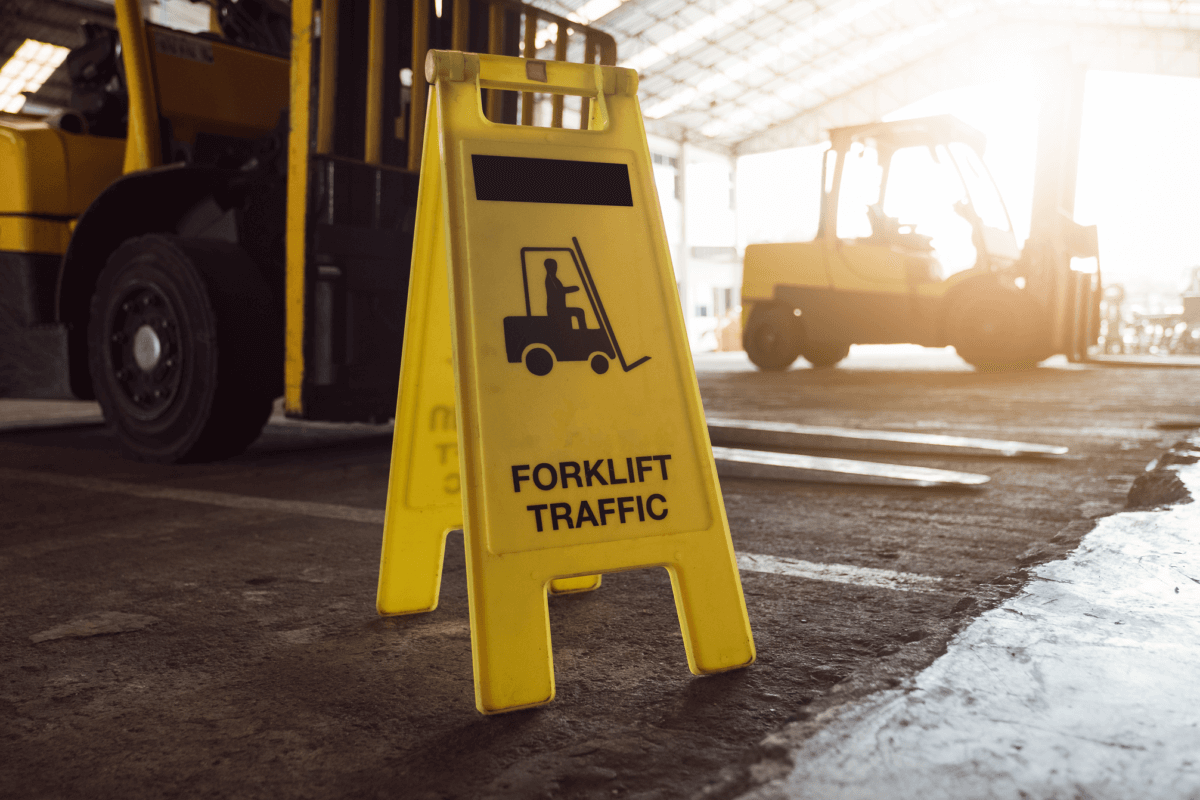
Real‑Time Location System: Your Bodyguard
Imagine a warehouse where the workers don’t have to scan shelf positions and where the forklifts automatically avoid high-traffic spots so that they never have to wait and yield.
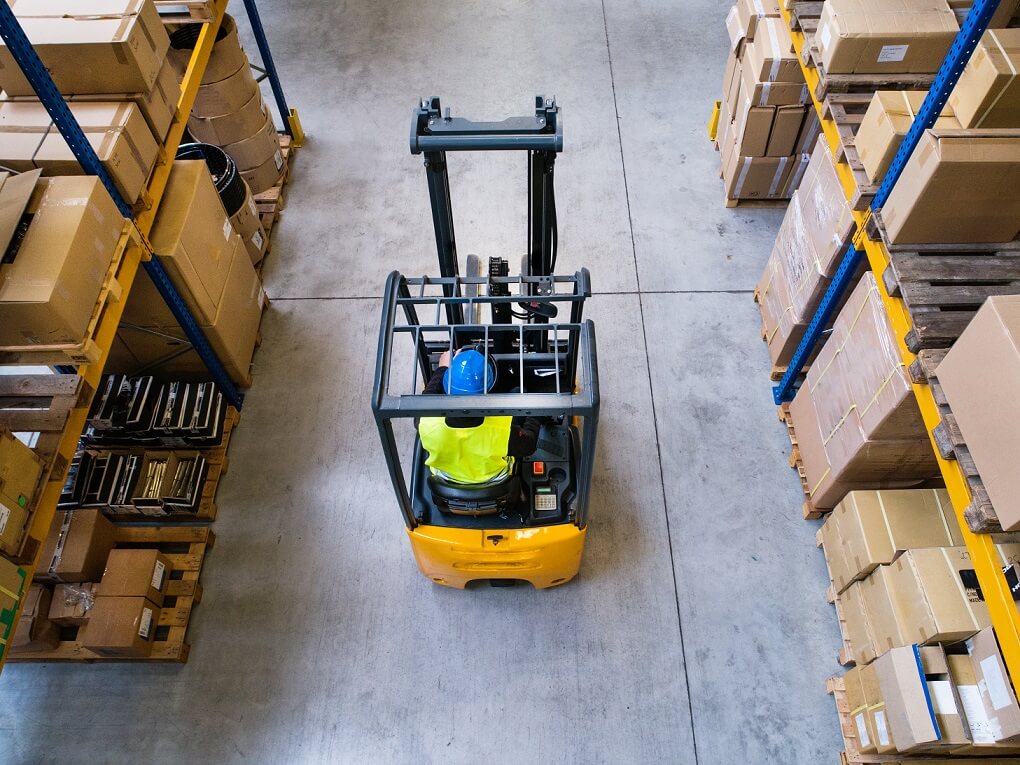


Sappy Products Ready for S/4HANA
The products in our Sappy range are currently under intensive “core” testing. Thanks to their new core composition, developed for S/4HANA, you can look forward to new, expertly sculpted Sappy products with more convenient feature sets.

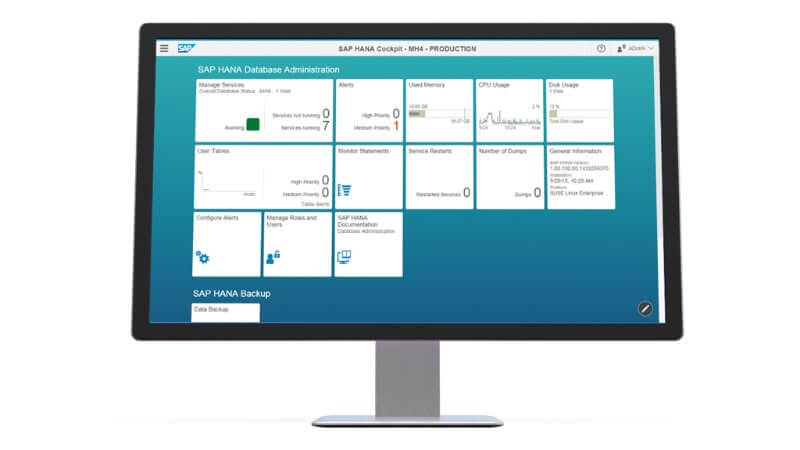
The New SAP ERP Generation Is Coming. Are You Ready?
Starting in 2025, the new generation of SAP ERP – SAP S/4HANA – will fully replace the current version. The current version, SAP ECC 6.0, will no longer be supported or see further development. What are the options for moving to SAP S/4HANA?



Integrate SAP ERP with EDI
It’s hard to say, really, which system in a company is the most important. For some companies, it might be the production management system, for others planning, for others accounting.

Augmented Reality – from Ice Cream to the Production Line
According to a study by the University of Washington, a full 65% of children have one or more imaginary friends. But that’s nothing compared to all the people out there chasing imaginary animals down real streets, or waiting with some help from their phone to give their ice cream just the right consistency.



The King Is Dead, Long Live the King ‑ Zebra MC9300
The MC9000 mobile terminals have long been among the best-selling products in their category. Since their entry onto the market in 2003, 2.8 million terminals from this line have been sold.
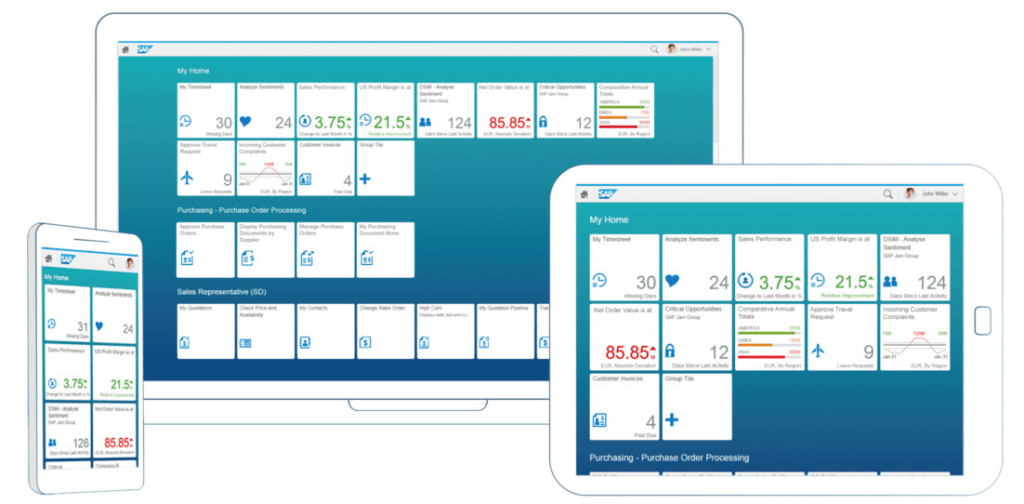
Fiori – a Facelift to SAP
As one of the top players in ERP systems, SAP is well aware that an intuitive interface is an integral part of every modern software tool and helps to maximise work efficiency.

Jan Stočes about aimtec.cloud: We Have a Lot More Responsibility Now
This April, we officially launched aimtec.cloud, a single platform incorporating all of Aimtec’s cloud solutions. What led us to do it, where do we see cloud services’ future, and how can manufacturing and logistics firms profit from SaaS?

Automatic Monitoring ‑ Cloud Systems Outages Prevention
Cloud services don’t just mean moving a server off-site. Using them also gives you many services in the background that would otherwise burden your internal team.
The Czech Republic’s Biggest Logistics Innovations of 2018
Every year, the renowned media house Economia organises Zóna logistika, a conference at which it presents awards for the best logistics innovations.


From the Internet of People to the Internet of Things
Before machines were first connected via wires or airwaves, they were connected by people. People were a sort of phase-zero Internet of things (IoT), ensuring machines were connected and weren’t overheated. If a machine was near a critical temperature, they turned it off.
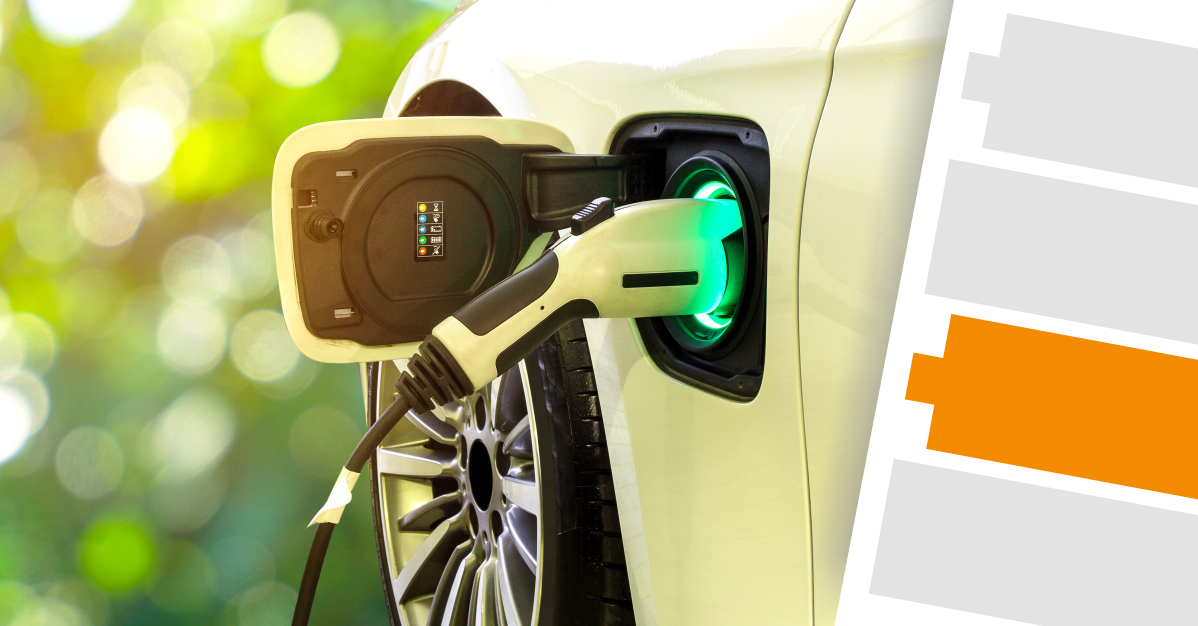
The Future of Automotive Industry: Will Electric Motors Replace the Combustion Engines?
After over a century of using combustion engines as the main system of propulsion in passenger cars, this type of engine is slowly being curbed in favour of electric motors. The world is expecting that electric cars will skyrocket… Or is it? Why? What sort of impact may e-mobility have on Europe’s automotive industry? Which unanswered questions regarding e-mobility remain on the table? We try to answer these questions in our series, starting with this article.

The Future of Automotive Industry: Who Invests into E‑Mobility?
Electric cars are the theme of all the big automakers, and it seems that we are going to have a rapid onslaught of e-cars. Or not? After introducing the issue, in the next episode of our series on the impact of e-mobility on the automotive industry, we will focus on the investments into e-mobility and whether batteries are the only alternative to the combustion engine.

The Future of Automotive Industry: Consequences of E‑Mobility
What changes do automotive suppliers expect with the increasing trend of e-cars? And is the only change awaiting us in passenger cars the engine? We respond to this in the third part of our mini-series on electromobility and its impact on the automotive industry.
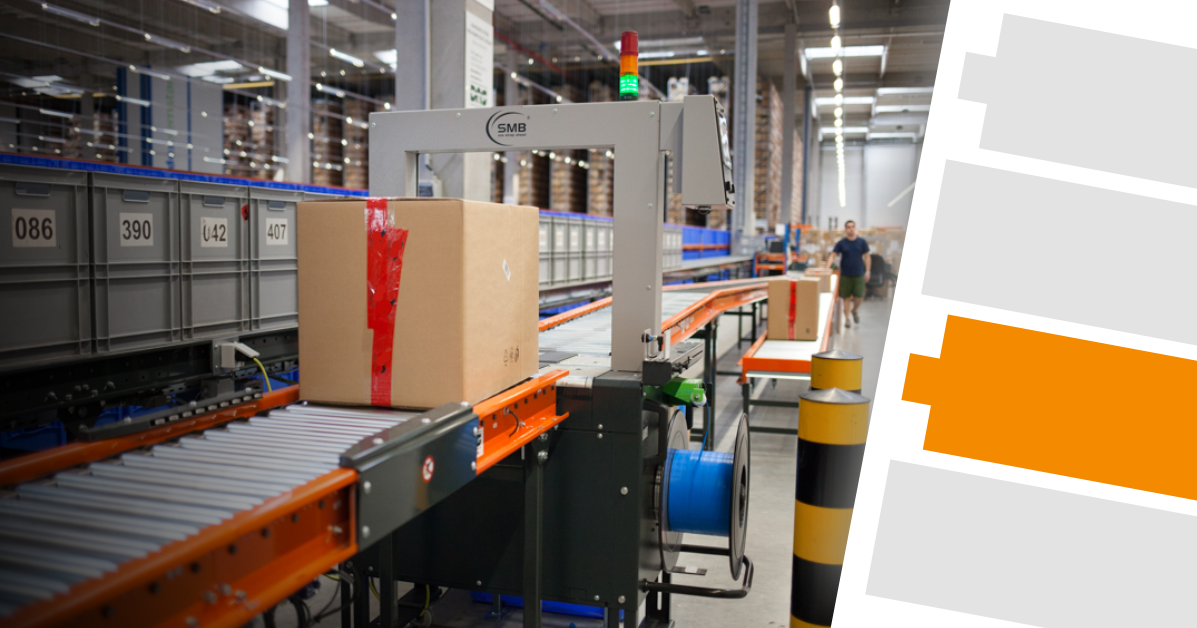
The Future of the Automotive Industry: Automation and New Partnerships are the Solutions
Regulations, technological development and a change of view of car ownership all affect the automotive industry as we know it. In our latest episode on the future of the automotive industry, we focused on what automakers and their suppliers can do differently to keep pace and place amongst the list of the most successful companies.

The TAL 2020 Conference: The Best in European Automotive
“Each year’s TAL has one thing in common. Our wish for its participants to bring home the best of experiences, as well as ideas that will help them towards an even better formulation of their vision and strategy for manufacturing and logistics management,” says Roman Žák, chairman of the board at Aimtec, on the history of Trends in Automotive Logistics (TAL). Originally a side event for Autosalon, a trade fair in Brno, it has become an independent conference with international speakers and attendees, will be celebrating 20 years in 2020 and promises an attractive programme once again.
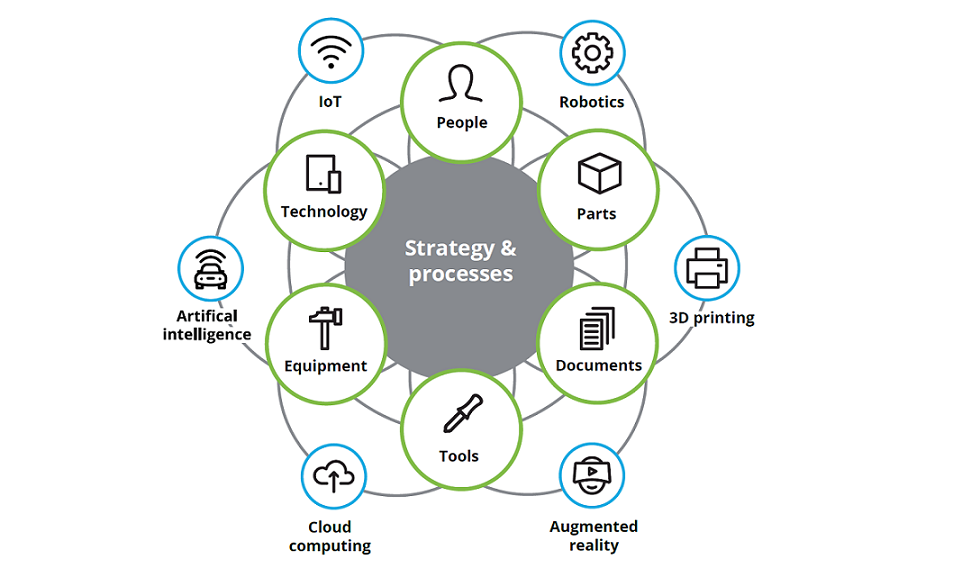
Deloitte and the Digital Factory
Manufacturers are facing a new age of physical production. Advanced processes, new materials and increasing automation are reshaping the industry. Business leaders are beginning to ask themselves how to keep up with market changes…
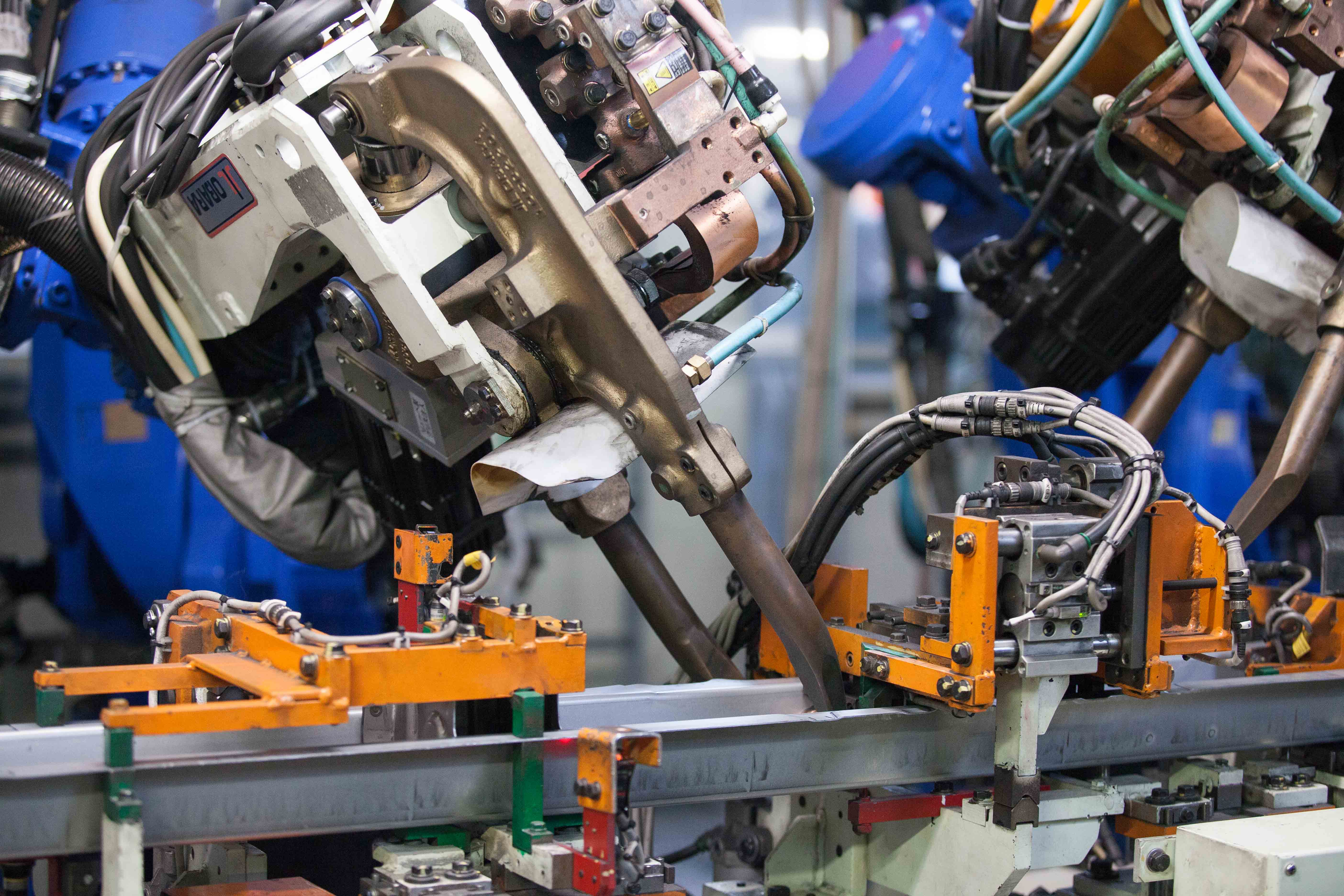
MES Is for More Than Manufacturing
MES has an established role as the main system support for manufacturing. Its primary function is data collection and evaluation. The manufacturing data it collects can then be used as a foundation for monitoring, assessing and managing the manufacturing process based on a plan. But managers aren’t the only consumers of this data. Operators and maintenance staff use it too. That’s why MES is a key component in enterprise systems and is also receiving growing interest in relation to the rise of new technologies and the overall trend of interconnecting manufacturing and logistics.

The End of Support for Windows CE and Windows Mobile Is Approaching. Switch to Android.
Microsoft makes no secret of the fact that on 13 April 2021, it will be ending its support for the Windows CE operating systems, and support for Windows Mobile will end even sooner – on 14 January 2020. This is perhaps a logical step. Not counting the first mobile phones, these operating systems have appeared in industrial operating systems for many years now. Time for a change! The makers of terminals and other industrial devices have been preparing for the end of support for a long time now, and they are moving on to Android. Zebra Technologies was the first to take this step.

How to Approach Logistics Automation
Automation. It’s so tightly tied to industrial manufacturing that just about everyone thinks of robots when they think of assembly lines. But what do you think of when you hear the phrase “internal logistics automation”? Self-driving forklifts? Conveyor belts? Warehousing and logistics was a back-burner field until recently, but now it’s time to change that. After all, inefficient intralogistics processes generate considerable financial losses. Thanks to the latest technologies, we can free workers’ hands and take productivity to a level that would be unachievable with manual warehouse operations. But how does one approach automation? What are its possibilities? What can it lead to? We have some answers for you.
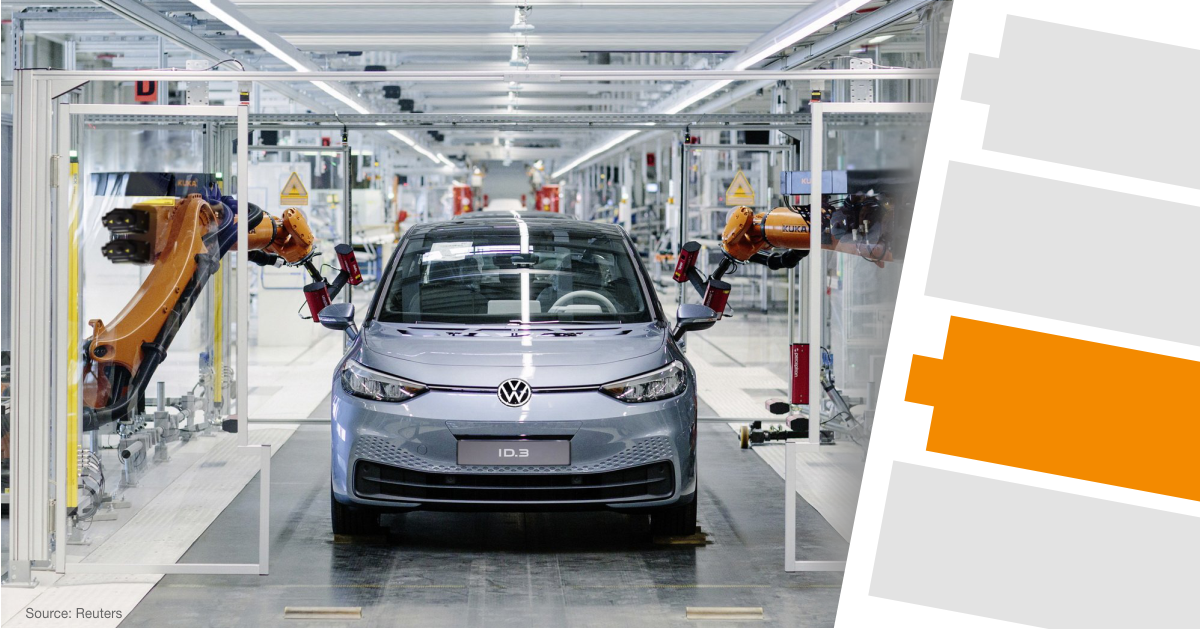
Electromobility: Even Production at a Loss Can Pay Off
In August of 2019, the Deloitte consulting firm published a study focused on automotive suppliers (the 2019 Global Automotive Supplier Study). It states that automotive suppliers’ revenues in 2018 amounted to 1,700 billion USD. Their segment analysis revealed that the income for certain components (the fuel system) may drop by up to 20 percent by 2025, and meanwhile certain attractive products (the electric drive unit) can generate up to three times as much revenue as they do today.

Automation and Jobs: The Skills Revolution Is a Necessity
Automation replaces people. But does this mean we’re losing jobs? The media might make that seem at first to be the case, but what’s the real situation? Should we worry about massive redundancy and thousands of the unemployed? The jobs experts at Manpower and their study named “Humans Wanted: Robots Need You” tell us the opposite. Companies are seeking employees despite automation – new positions are being created with entirely new work tasks. After all, robots can’t get by without people. Thus we can expect a shift towards completely new activities and the need for a different approach to employees.
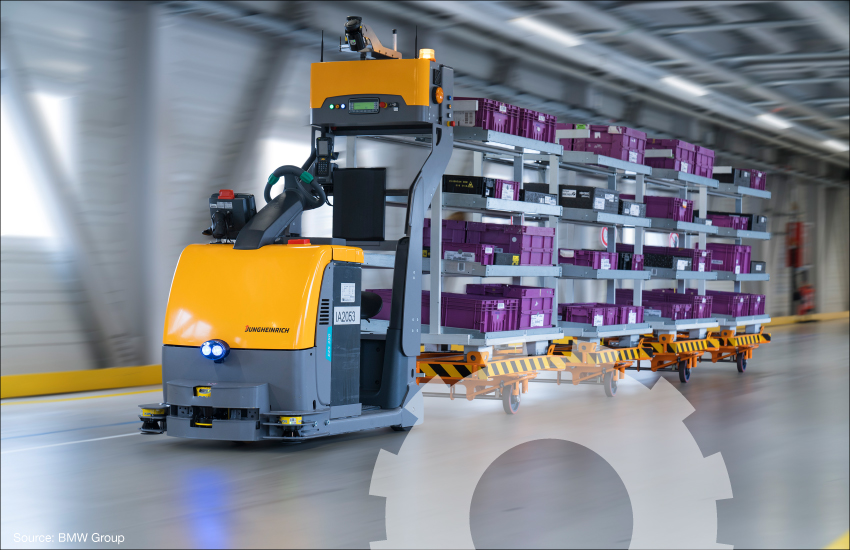
Warehouse Automation: The Technologies
Many automation projects start with the idea of replacing manually driven vehicles with automated ones. But this solution may not bring the desired results, and usually, even before the fleet’s replacement, it becomes clear that a deeper analysis of automation type and level is required. Not always it is possible and beneficial to opt for a fully automated warehouse or autonomous handling equipment. Often a gradual process, which lets you prepare for changes and absorb them, will be a better choice. But a radical change can work too. What are the options, and which technologies can you use? And what should you consider before deploying them?
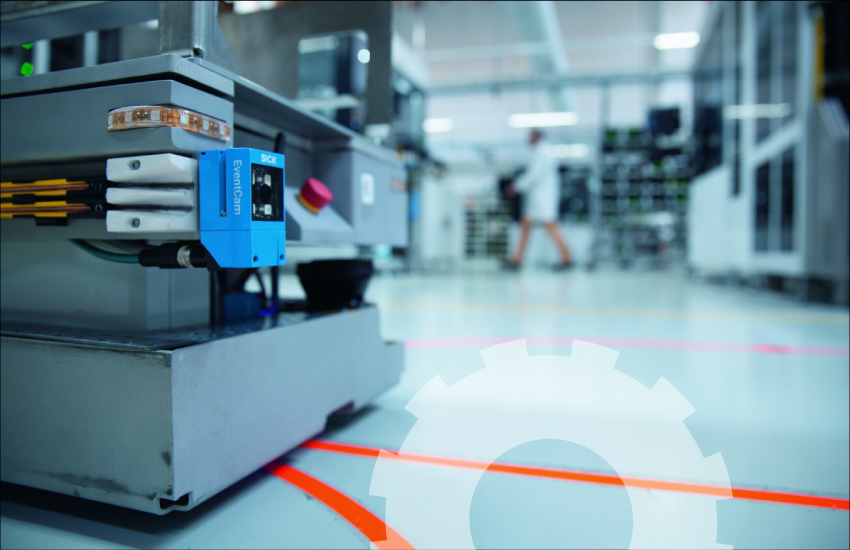
Catch a Ride with Autonomous Guided Vehicles into the World of Industry 4.0
While self-driving is fairly problematic for automobiles, carts without human operators are appearing in factories and warehouses with growing frequency. They differ in how they navigate and in the degree of their autonomy. For intralogistics, autonomous guided vehicles are a way to make processes faster and more efficient, and naturally, they’re also a way to free up people’s hands. Because they’re moving around among people, safety is important as well.

Warehouse Automation Achievement: Sellier & Bellot
Sellier & Bellot is one of the most successful industrial firms in the Czech Republic – and one of the oldest munitions manufacturers in the world. And it is also a renowned name in sport, for example in shooting disciplines and biathlon. Interestingly enough, it is likely the only company to have its own game reserve on its premises. But let’s take a look at the Sellier & Bellot warehouses, which saw a key turning point in 2016, when a new hall was built and equipped with a fully automated warehouse.