
Most recent articles

Automatic Monitoring ‑ Cloud Systems Outages Prevention
Cloud services don’t just mean moving a server off-site. Using them also gives you many services in the background that would otherwise burden your internal team.

The Czech Republic’s Biggest Logistics Innovations of 2018
Every year, the renowned media house Economia organises Zóna logistika, a conference at which it presents awards for the best logistics innovations.


From the Internet of People to the Internet of Things
Before machines were first connected via wires or airwaves, they were connected by people. People were a sort of phase-zero Internet of things (IoT), ensuring machines were connected and weren’t overheated. If a machine was near a critical temperature, they turned it off.
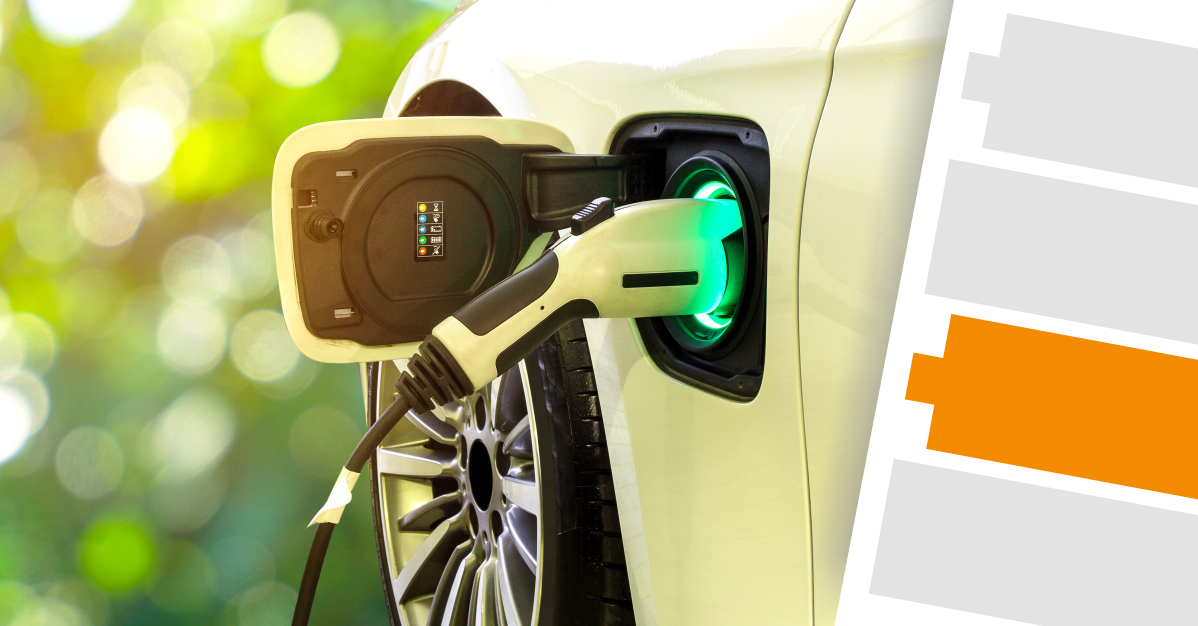
The Future of Automotive Industry: Will Electric Motors Replace the Combustion Engines?
After over a century of using combustion engines as the main system of propulsion in passenger cars, this type of engine is slowly being curbed in favour of electric motors. The world is expecting that electric cars will skyrocket… Or is it? Why? What sort of impact may e-mobility have on Europe’s automotive industry? Which unanswered questions regarding e-mobility remain on the table? We try to answer these questions in our series, starting with this article.

The Future of Automotive Industry: Who Invests into E‑Mobility?
Electric cars are the theme of all the big automakers, and it seems that we are going to have a rapid onslaught of e-cars. Or not? After introducing the issue, in the next episode of our series on the impact of e-mobility on the automotive industry, we will focus on the investments into e-mobility and whether batteries are the only alternative to the combustion engine.

The Future of Automotive Industry: Consequences of E‑Mobility
What changes do automotive suppliers expect with the increasing trend of e-cars? And is the only change awaiting us in passenger cars the engine? We respond to this in the third part of our mini-series on electromobility and its impact on the automotive industry.
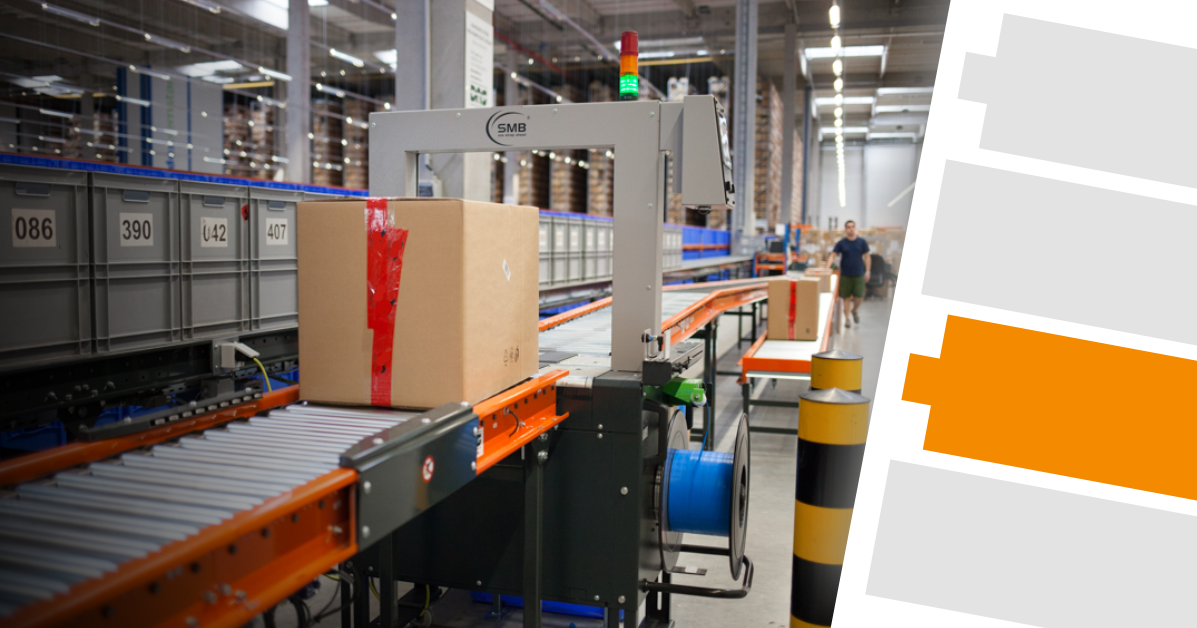
The Future of the Automotive Industry: Automation and New Partnerships are the Solutions
Regulations, technological development and a change of view of car ownership all affect the automotive industry as we know it. In our latest episode on the future of the automotive industry, we focused on what automakers and their suppliers can do differently to keep pace and place amongst the list of the most successful companies.

The TAL 2020 Conference: The Best in European Automotive
“Each year’s TAL has one thing in common. Our wish for its participants to bring home the best of experiences, as well as ideas that will help them towards an even better formulation of their vision and strategy for manufacturing and logistics management,” says Roman Žák, chairman of the board at Aimtec, on the history of Trends in Automotive Logistics (TAL). Originally a side event for Autosalon, a trade fair in Brno, it has become an independent conference with international speakers and attendees, will be celebrating 20 years in 2020 and promises an attractive programme once again.
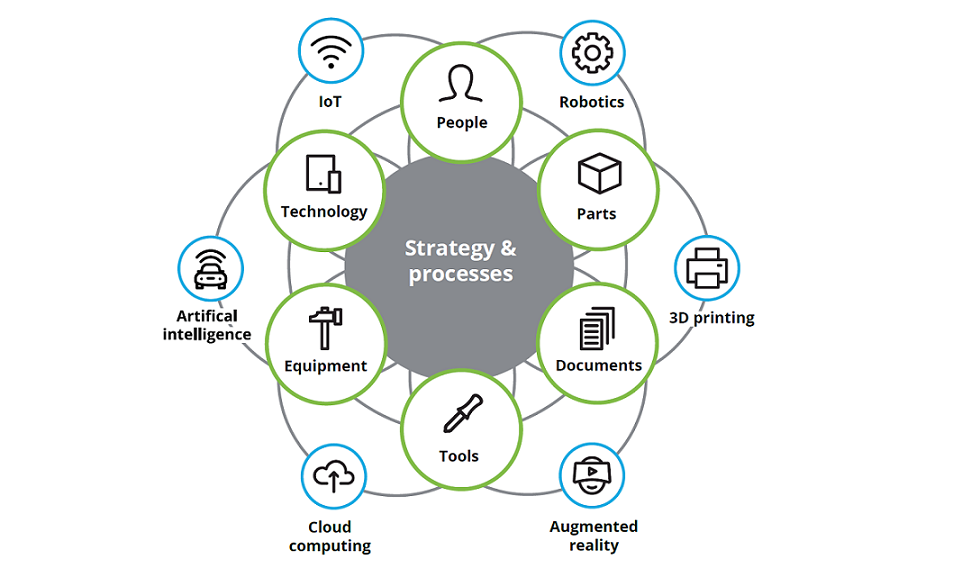
Deloitte and the Digital Factory
Manufacturers are facing a new age of physical production. Advanced processes, new materials and increasing automation are reshaping the industry. Business leaders are beginning to ask themselves how to keep up with market changes…
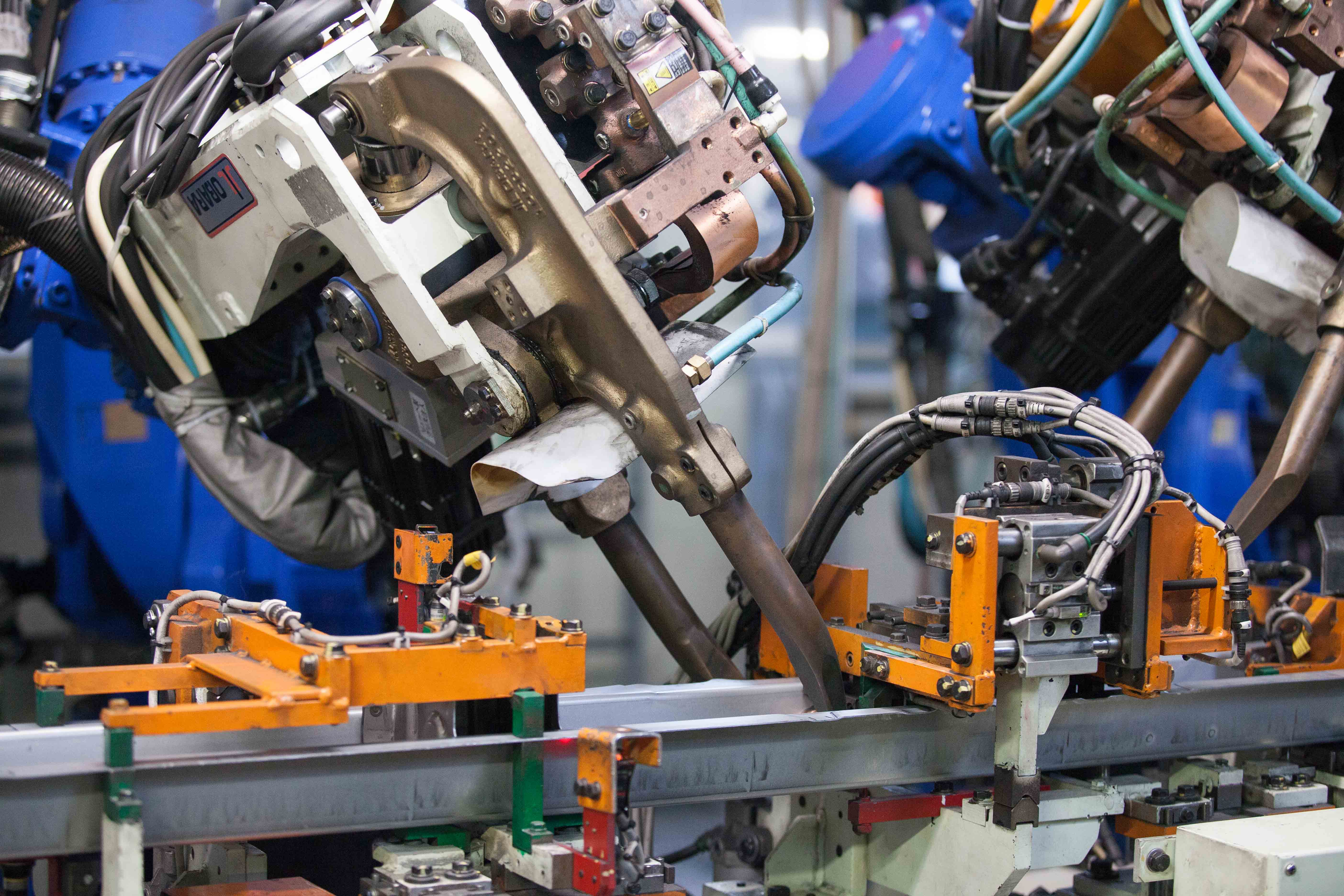
MES Is for More Than Manufacturing
MES has an established role as the main system support for manufacturing. Its primary function is data collection and evaluation. The manufacturing data it collects can then be used as a foundation for monitoring, assessing and managing the manufacturing process based on a plan. But managers aren’t the only consumers of this data. Operators and maintenance staff use it too. That’s why MES is a key component in enterprise systems and is also receiving growing interest in relation to the rise of new technologies and the overall trend of interconnecting manufacturing and logistics.

The End of Support for Windows CE and Windows Mobile Is Approaching. Switch to Android.
Microsoft makes no secret of the fact that on 13 April 2021, it will be ending its support for the Windows CE operating systems, and support for Windows Mobile will end even sooner – on 14 January 2020. This is perhaps a logical step. Not counting the first mobile phones, these operating systems have appeared in industrial operating systems for many years now. Time for a change! The makers of terminals and other industrial devices have been preparing for the end of support for a long time now, and they are moving on to Android. Zebra Technologies was the first to take this step.

How to Approach Logistics Automation
Automation. It’s so tightly tied to industrial manufacturing that just about everyone thinks of robots when they think of assembly lines. But what do you think of when you hear the phrase “internal logistics automation”? Self-driving forklifts? Conveyor belts? Warehousing and logistics was a back-burner field until recently, but now it’s time to change that. After all, inefficient intralogistics processes generate considerable financial losses. Thanks to the latest technologies, we can free workers’ hands and take productivity to a level that would be unachievable with manual warehouse operations. But how does one approach automation? What are its possibilities? What can it lead to? We have some answers for you.
Electromobility: Even Production at a Loss Can Pay Off
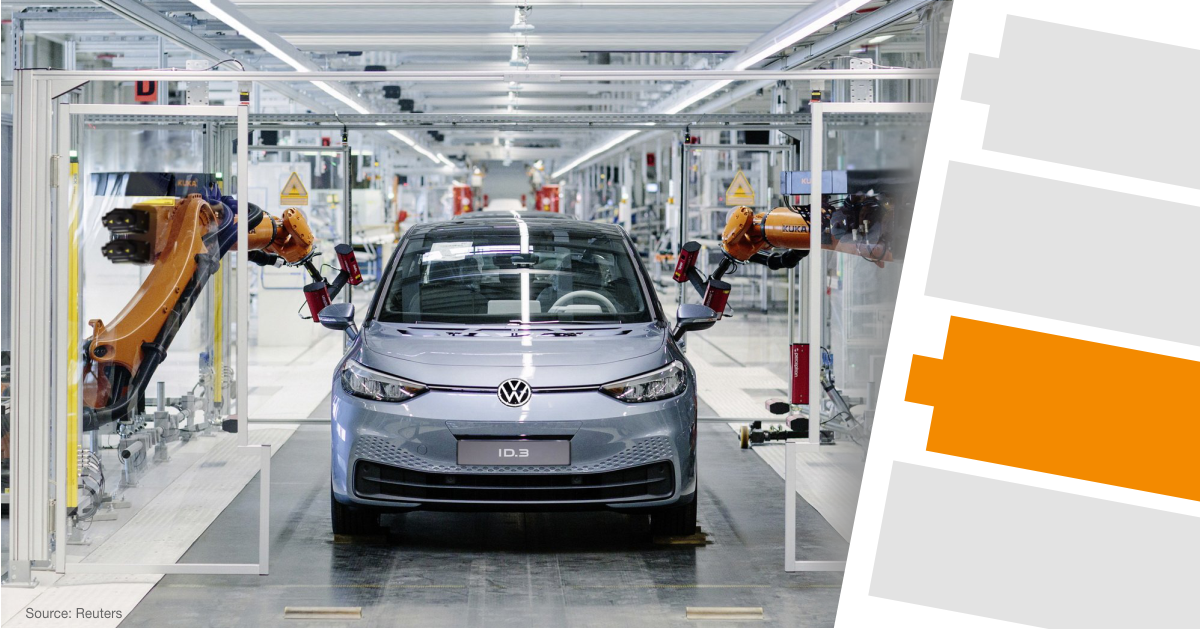
In August of 2019, the Deloitte consulting firm published a study focused on automotive suppliers (the 2019 Global Automotive Supplier Study). It states that automotive suppliers’ revenues in 2018 amounted to 1,700 billion USD. Their segment analysis revealed that the income for certain components (the fuel system) may drop by up to 20 percent by 2025, and meanwhile certain attractive products (the electric drive unit) can generate up to three times as much revenue as they do today.

Automation and Jobs: The Skills Revolution Is a Necessity
Automation replaces people. But does this mean we’re losing jobs? The media might make that seem at first to be the case, but what’s the real situation? Should we worry about massive redundancy and thousands of the unemployed? The jobs experts at Manpower and their study named “Humans Wanted: Robots Need You” tell us the opposite. Companies are seeking employees despite automation – new positions are being created with entirely new work tasks. After all, robots can’t get by without people. Thus we can expect a shift towards completely new activities and the need for a different approach to employees.