
Automotive

Catena‑X Connector as a Service: Your Ticket to the Automotive Data Ecosystem
The automotive industry is undergoing rapid digitalisation and relies on standardised data exchange between partners. Established EDI communication is now gradually being complemented by Catena-X—an open ecosystem that connects supply chains and enables secure, sovereign and efficient data sharing. Aimtec has obtained Catena-X certification in the role of an ESP (Enablement Service Provider) for the Aimtec Integration Platform solution and now offers the Catena-X Connector as a service within this platform, allowing you to connect to the Catena-X ecosystem quickly, securely and without unnecessary burden on your internal team.

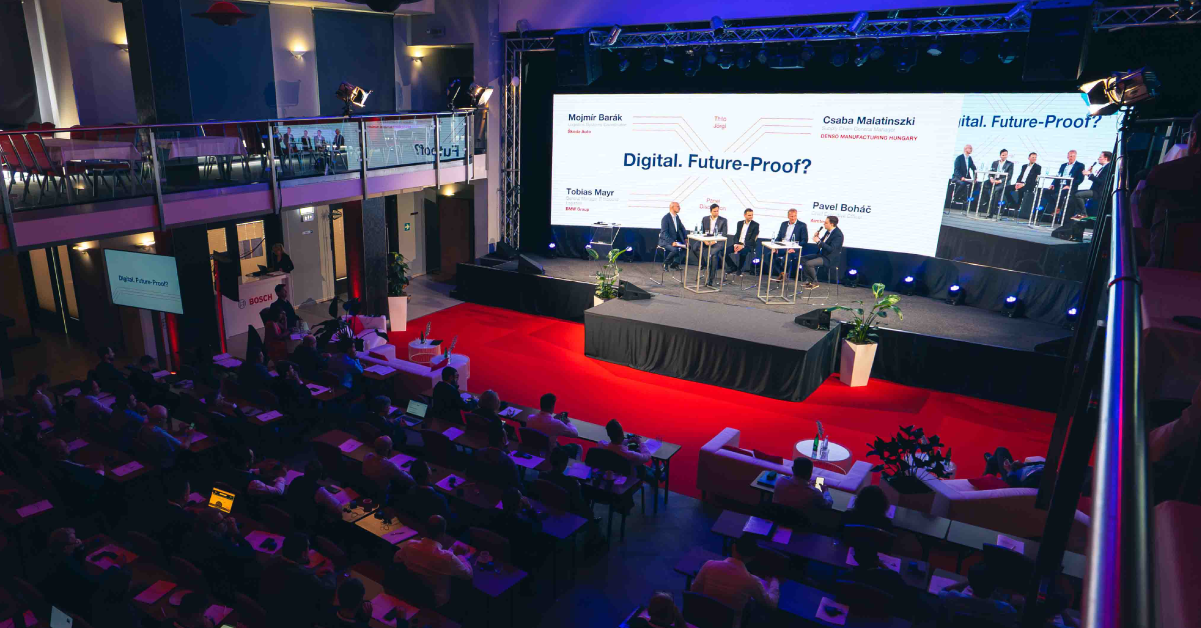
Panel Discussion on the Future of Logistics: AI, Work with Data and a Clash of Generations
The era of merely collecting data is behind us. Now we have to decide: what’s the right way to use that data – and protect it? The “Digital. Future-Proof?” panel discussion at the Trends in Automotive Logistics 2025 conference this May touched on a number of fundamental questions related to the digitalisation of logistics. The panel’s experts shared their views and experience regarding artificial intelligence, cybersecurity and changing job roles, as well as how to bridge the generation gap in the workplace.
Focus on the Essentials, Accept Change, Stay Humble: Valuable Advice from the Speakers at TAL 2025
“If you had to choose the one thing that’s helped you the most... what would it be?” At this year’s Trends in Automotive Logistics conference – with the tagline “Digital. Future-Proof?” – speakers shared their opinions on the most important lessons their professional journeys have taught them. In these logistics experts’ answers, you’ll find both values and practical tips – from daily decision-making to strategies for managing people and changes. Together they offer a diverse yet surprisingly consistent map for everyone who wants growth – professional or personal.

The best quotes from Trends in Automotive Logistics (TAL 2025)
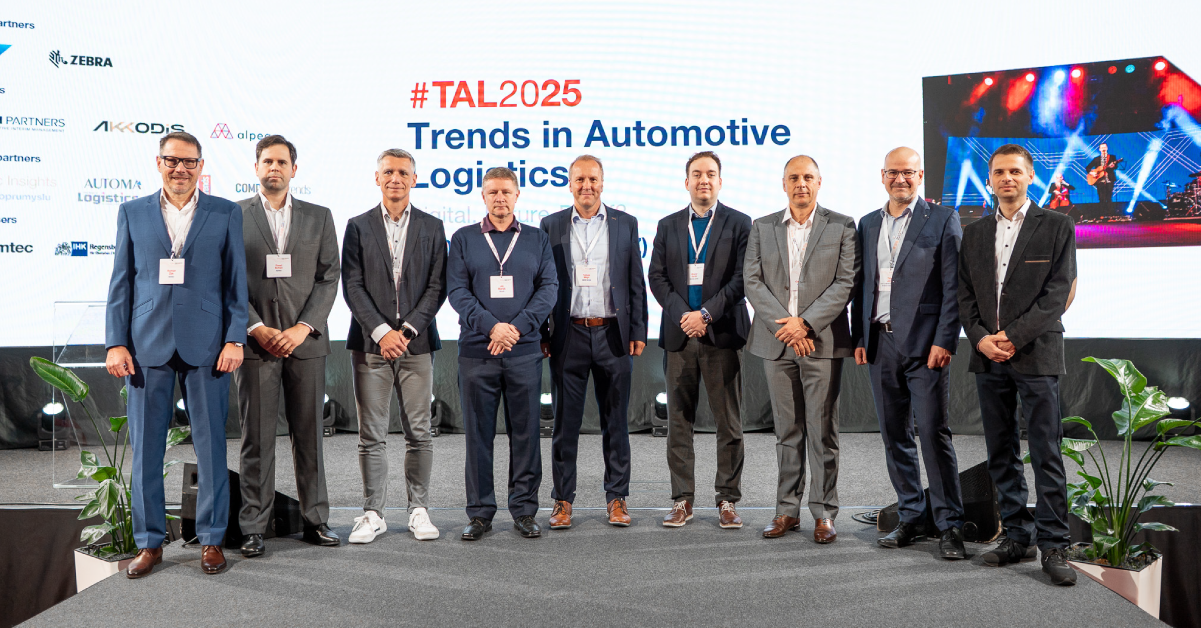
How are people in logistics using AI – and is it paying off for them? Is standardisation going out of style? And how is humans’ role within the factory evolving in the real world? Trends in Automotive Logistics 2025, a conference with the tagline Digital. Future-Proof? answered all these questions and more. Experts from key companies such as BMW Group, Bosch, Škoda Auto and Siemens shared their experience and visions for this field’s future. Read on to see the most distinctive words that resounded at this year’s conference. And find out who has the world’s best potato salad.
Make Your Logistics Ready for the AI Revolution: TAL 2025 Speakers Share Their Experience
The automotive industry stands before a revolution. The rise of artificial intelligence is changing established processes and bringing new possibilities. But what obstacles are companies having to overcome so that they can deploy AI effectively? The experts and industry leaders appearing at Trends in Automotive Logistics 2025 – with the tagline “Digital. Future-Proof?” – are sharing their experience and viewpoints on the key challenges in deploying AI.

How can you overcome uncertainty in automotive logistics? Here’s some valuable advice from the speakers at TAL 2025
What can companies do to enable them to respond to challenges that they’re not yet even aware of? We posed this question to the leading experts in automotive logistics who will be coming together on 20 May 2025 at the Trends in Automotive Logistics (TAL) conference in Pilsen, with the tagline “Digital. Future-Proof?” Read up on what the TAL 2025 speakers see as important for building resilience in the swiftly changing automotive sector.
The Trends in Automotive Logistics Conference 2025: You Can’t Make It Without People and Resilient Systems
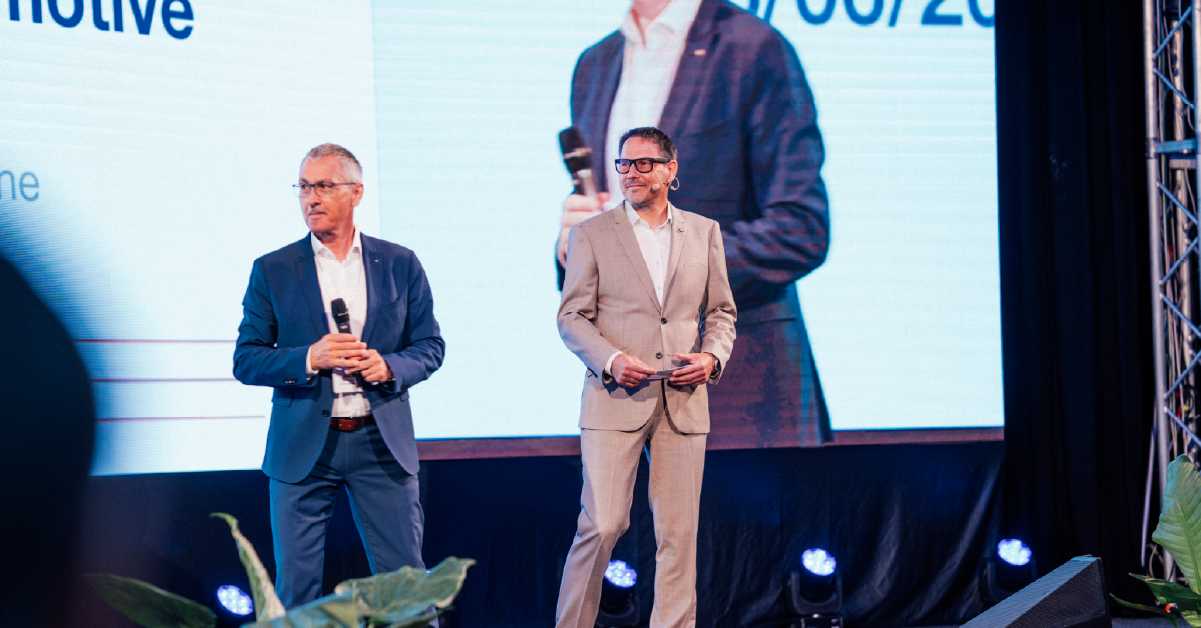
Artificial intelligence, electromobility, regulations and fears around competition from China. The automotive sector’s future is in many respects unclear, yet despite this, it is essential for companies to develop a digital factory. Tangible tips, paths and experience are offered once again by yet another year of the Trends in Automotive Logistics conference, coming up on 20 May 2025 in Pilsen. Roman Žák, the co-founder of Aimtec and head of its advisory board, welcomes you to this event with a deep tradition and international impact.

EDI and SAP integration – Part 2: Don’t Do It for the OEM – Do It for You

Thilo Jörgl joins TAL 2025 as a speaker – watch his interview
Thilo Jörgl, a prominent figure in intralogistics, is the manager of the IFOY Award and the TEST CAMP INTRALOGISTICS event. During the 24th Trends in Automotive Logistics (TAL) conference, organised by Aimtec, he sat down for an interview regarding his expertise and experience.
Digitalisation and Its Human Dimension
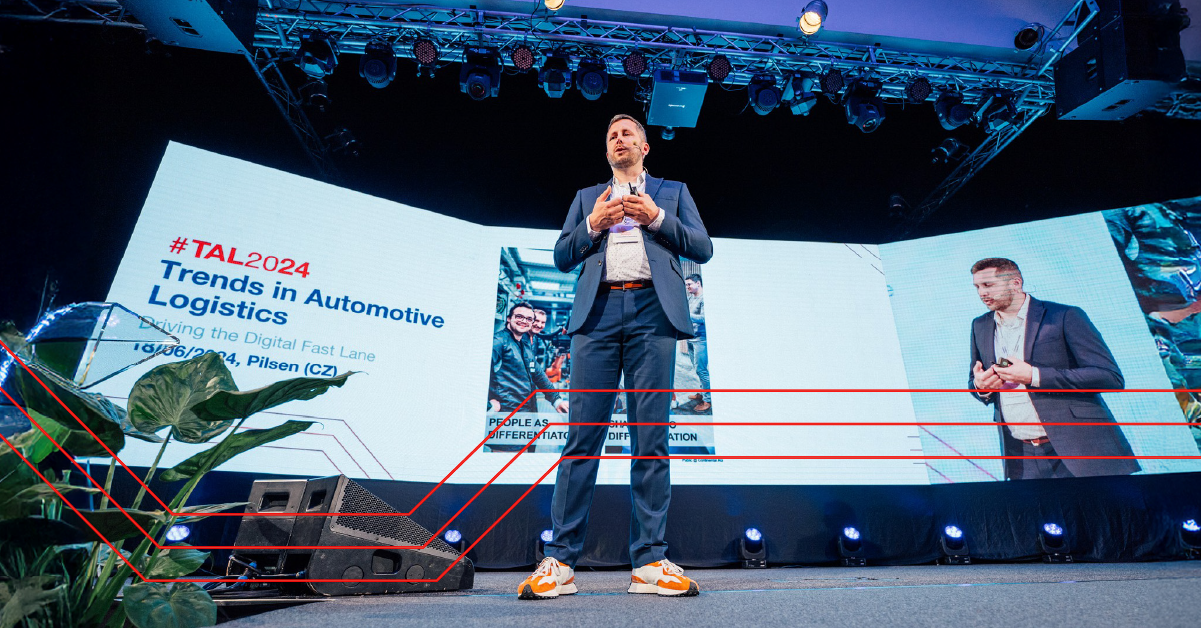
The digital transformation is a present challenge for many companies in a variety of fields. As Michal Fichtner, Head of Digitalization Operations at Continental Automotive emphasised at Trends in Automotive Logistics (TAL 2024), you need to thoroughly understand this process, and above all win over your people for it.

EDI and SAP integration – Part 1: Added Value beyond Mere Data Transfer
What benefits do you get when you integrate Electronic Data Interchange (EDI) with SAP ERP? This question was explored at an Aimtec-organised workshop with presentations by Business Development Manager Adam Heller and SAP SD Consultant Tomáš Pašek.

Interview with prof. Dr. Heinz‑Jürgen Klepzig: Companies need cash!
Prof. Dr. Heinz-Jürgen Klepzig, who teaches at the Technical University of Applied Sciences Augsburg and mainly focuses on business economics and logistics, assessed the German and European automotive industry’s challenges and trends in an interview at the Trends in Automotive Logistics (TAL) 2024 conference, organised by Aimtec.

E‑invoicing in B2B: How to Get Ready for Mandatory Digitalisation
A new mandatory requirement is taking effect in Germany in 2025: companies must accept digital invoices. Also, from 2027 they will have to both receive and send them digitally. Other countries will also have to comply with similar legislative requirements by then. The European Union directive involved is part of a broader trend of digitalisation of public and company processes throughout Europe with the goal of making business more transparent and efficient. For companies doing business with German partners, this change is a key milestone for which they will have to prepare thoroughly.
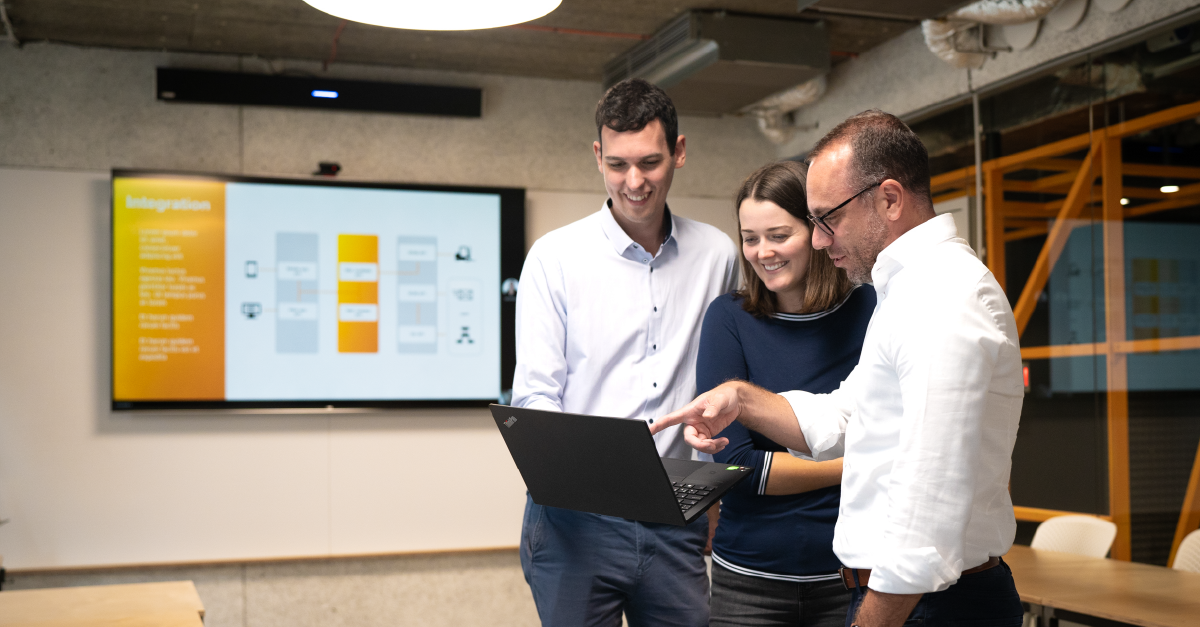
Aimtec Integration Platform: An Effective Solution for EDI, WebEDI and System Integration
In the globalised, interconnected world of industry today, flexibility and effectiveness are crucial for staying competitive. And tools that go beyond just handling ordinary operations and further streamline your processes are essential. Aimtec Integration Platform is a comprehensive solution for managing and optimising electronic data interchange and integrating internal systems.
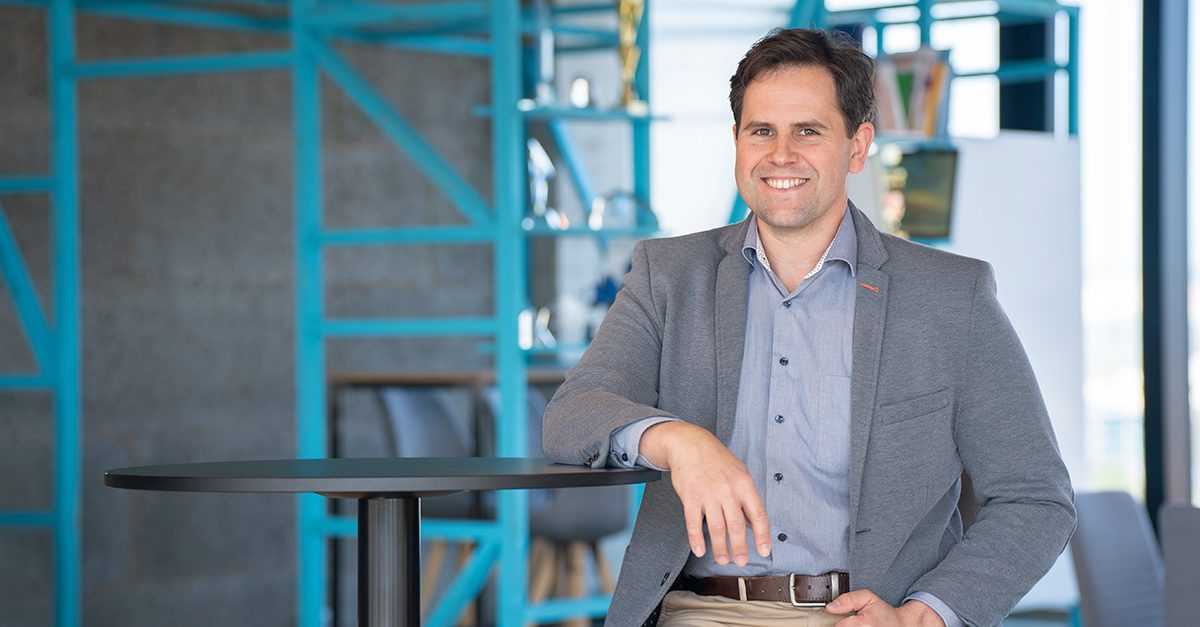
We must not forget the values that support our foundations
For the first time in Aimtec’s history, neither of its founders is serving as its CEO. Jaroslav Follprecht and Roman Žák have placed the company in the hands of Pavel Boháč, an experienced manager previously in charge of the division that handles planning and data processing.

3 tips for strengthening automotive supply chains
The last few years have been full of upheavals that have exposed the hidden weaknesses of international supply chains. These developments urgently remind us that we will all need to focus on improving our resilience from here forward. What specific steps can automotive industry suppliers take to protect themselves against production stoppages, delivery interruptions and cost overruns?

Migrating to SAP S/4HANA: Harness the potential of EDI for supply chain optimisation
SAP is one of the world’s most widely used ERP systems today, and its first version dates all the way back to the 1970s. The business world has changed dynamically since that era, and these changes have made it essential for companies to have an ever more complex and robust information infrastructure to support their digitalisation and automation. In 2015, this led SAP to come forward with a breakthrough solution: SAP S/4HANA. It represents a technological leap towards greater speed and stability and a modern user interface. But, above all, it’s ready to support companies as they go about transforming their business, integrating new technologies, plugging in AI, working with data and more.
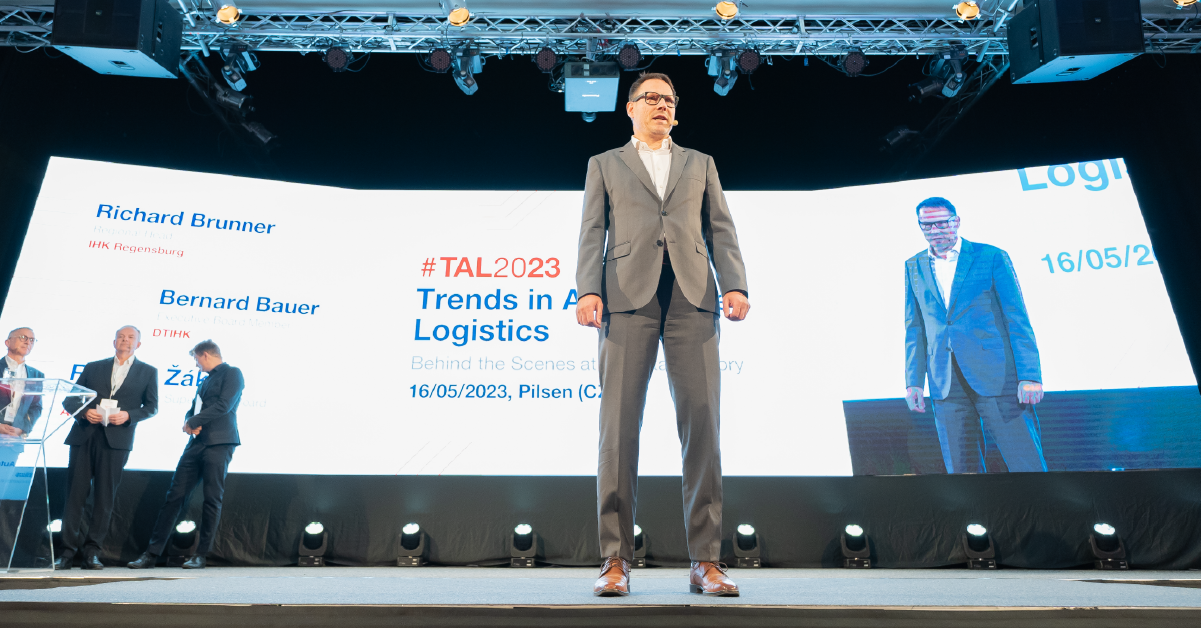
The Trends in Automotive Logistics Conference 2024: In the fast lane of the digitalisation highway
Digital transformation is like a road that enterprises drive down to adapt to changing conditions and gain a competitive advantage. What do the “drivers” – CEOs, logisticians and IT experts – need so they can enter the fast lane of the digitalisation highway? What abilities, platforms and technologies are necessary to ensure they and their teams are confidently pointed towards their goals? We spoke with Roman Žák, co- founder of the conference organiser Aimtec, on the topics for the next TAL conference, which will take place in Pilsen on 18 June.

Global Flexibility with B2G E‑Invoicing
Business is constantly evolving in our digitalised age. The transition to electronic Invoicing (e-Invoicing) within B2G (Business-to-Government) is a key element for ensuring transparency and compliance.
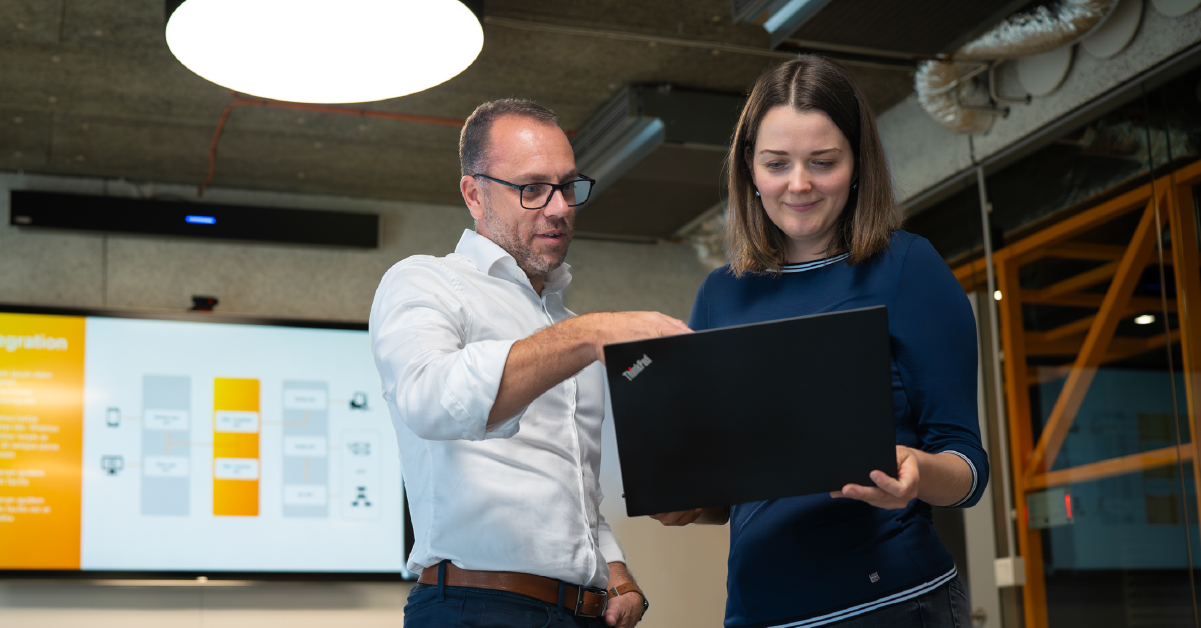
Three tips for EDI migration in the automotive industry without a hitch
Electronic Data Interchange systems are the lifeline of communications in the automotive industry. Companies have a vested interest in keeping the systems robust and up-to-date. Migrating from legacy systems to the cloud early on can streamline processes and save money. Despite all the advantages, EDI migration comes with some risks. Aimtec, an automotive industry digitalisation partner with more than twenty-six years of experience working with suppliers and manufacturers throughout the entire automotive value chain, provides three tips for successfully migrating your EDI system.
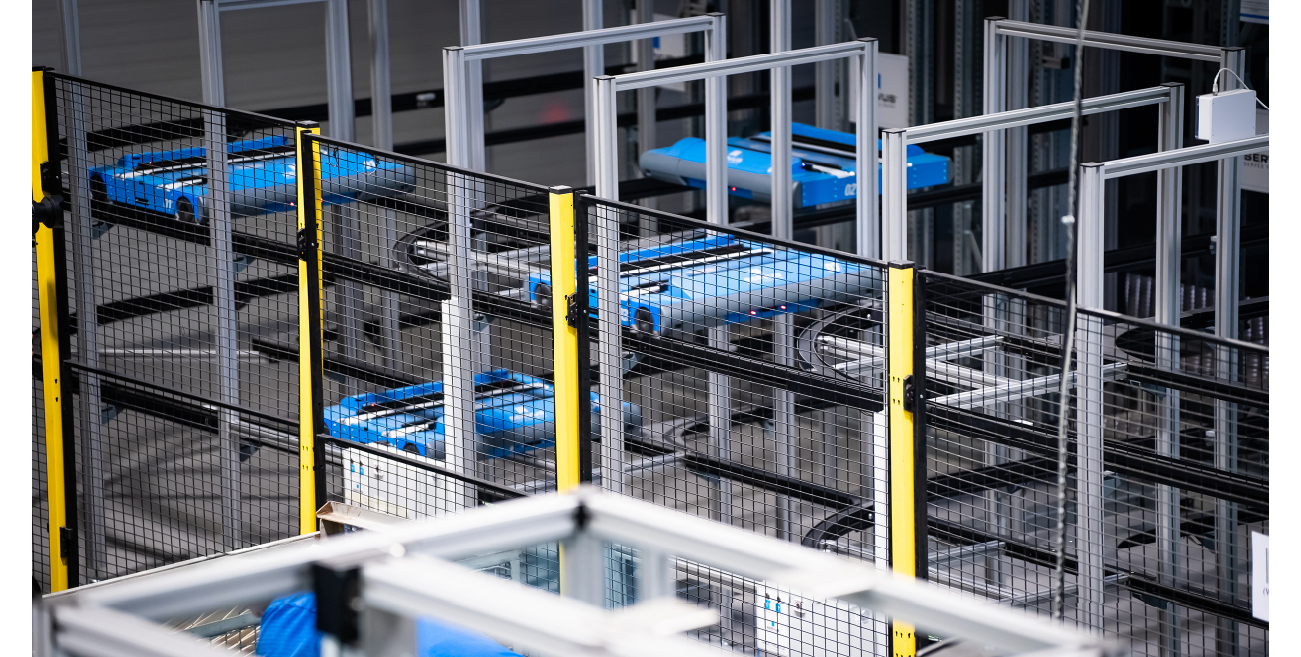
Scherdel ‑ Flexibility as a key goal of automation
Inhouse logistics starts to be a difficult issue from companies of medium size. One such company is SCHERDEL, whose Czech division has embarked on a project to automate and digitalize logistics, specifically by implementing a fully automated warehouse full of self-driving robots. During the work, the entire concept changed several times, because one of the key conditions of the whole solution was flexibility, which is not easy to provide through automation. The experience of building an automated warehouse was submitted by the company's managers in a presentation at the TAL 2023 conference.
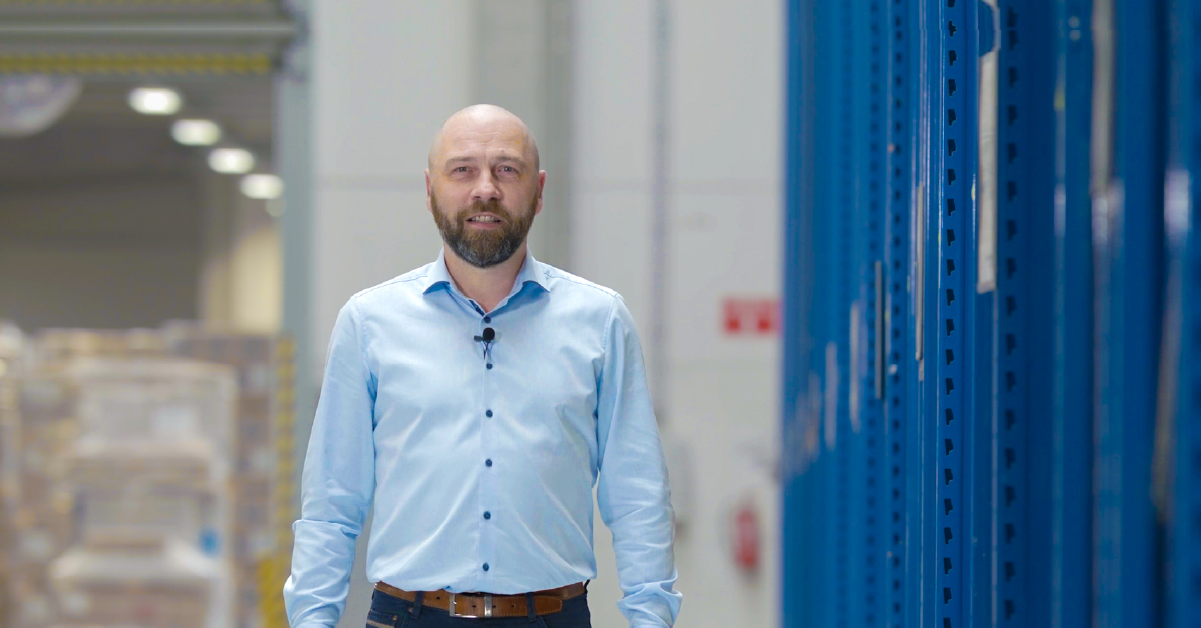
An interview with LASSELSBERGER's Head of Logistics on a successful introduction of changes
RAKO is a brand with over 140 years of tradition. It’s also a member of the LASSELSBERGER group – one of the world’s largest producers of ceramic tiles. I visited the RAKO distribution centre in Chlumčany and spoke with Pavel Vokáč, Head of Logistics at the Czech branch, about how these products’ logistics has some surprising specifics.
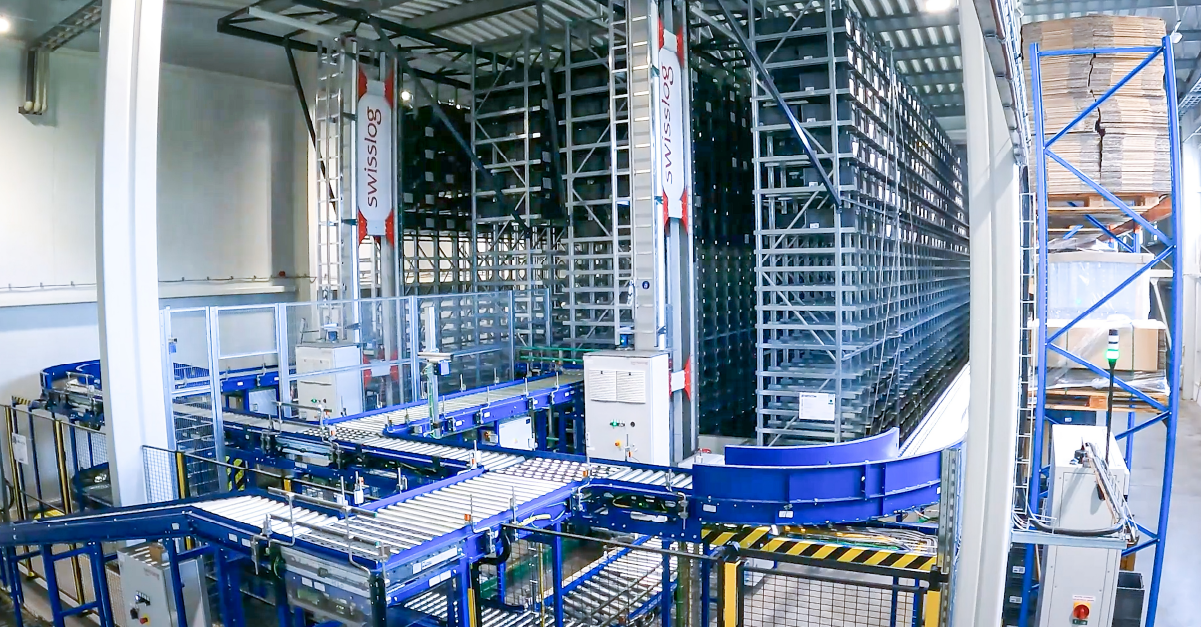
Brano ‑ the path to 21st century logistics
From complete locking mechanisms, other mechanical parts, door handles to fuel tank caps for Skoda Auto and other car companies. This is the business of Brano, which has recently committed to a change in logistics and invested in digitizing its warehouse to minimize the role of humans. At the TAL 2023 conference, Denis Kittrich, a technologist from Brano, together with Jiří Žižka, project manager at Aimtec, explained how the project was carried out.
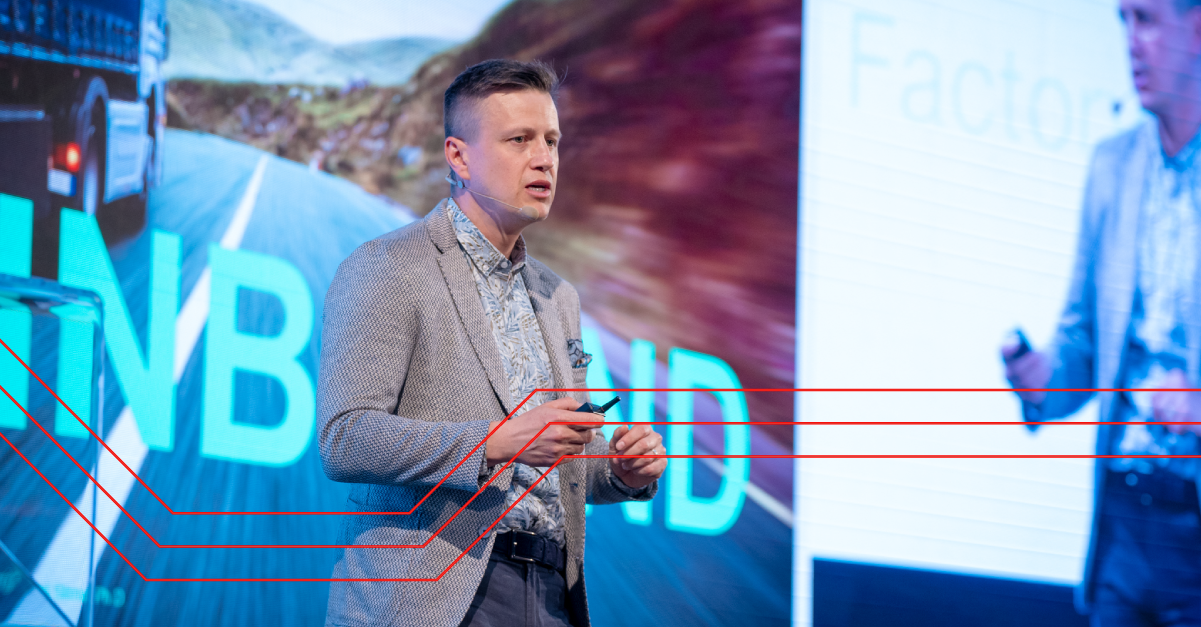
Behind the scenes: how new resilient logistics is being built at Skoda Auto
The demands on manufacturing logistics change over time, and this change has accelerated at an unprecedented rate in recent years with the accompanying phenomena of the Covid-19 pandemic. David Strnad, Head of Logistics at Škoda Auto, presented how these challenges are being dealt with and how they are preparing for the next ones in the largest domestic automotive company at the Trends in Automotive Logistics 2023 conference.
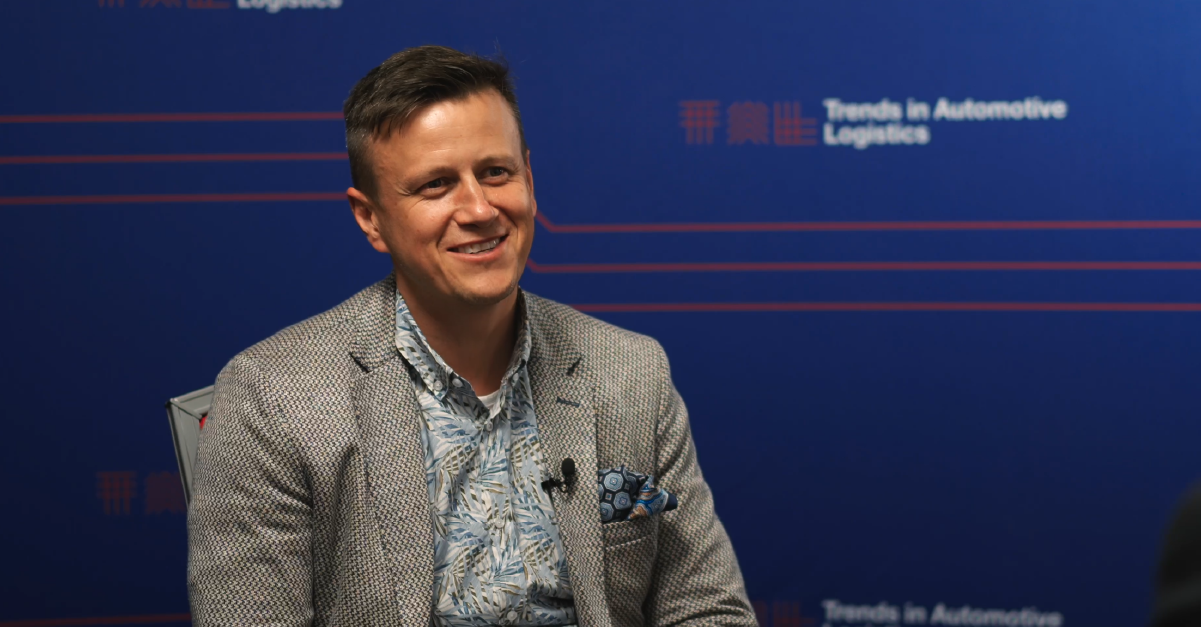
Resilience, prediction and risk monitoring form the key to modern logistics, says David Strnad
The automaker Škoda Auto is a major player in the world of logistics. Every day, 3,500 freight trucks arrive at his races. Managing everything from the perspective of warehouses and the entire system, and ensuring production and employment for 30,000 people, is a challenging task. Can an automaker turn logistics trends such as digitalisation and automation into a company reality? What’s the right way to face today’s challenges, and what does a successful project look like? David Strnad, Head of Brand Logistics at Škoda Auto, has shared his opinions in an interview with Aimtec’s Rostislav Schwob.
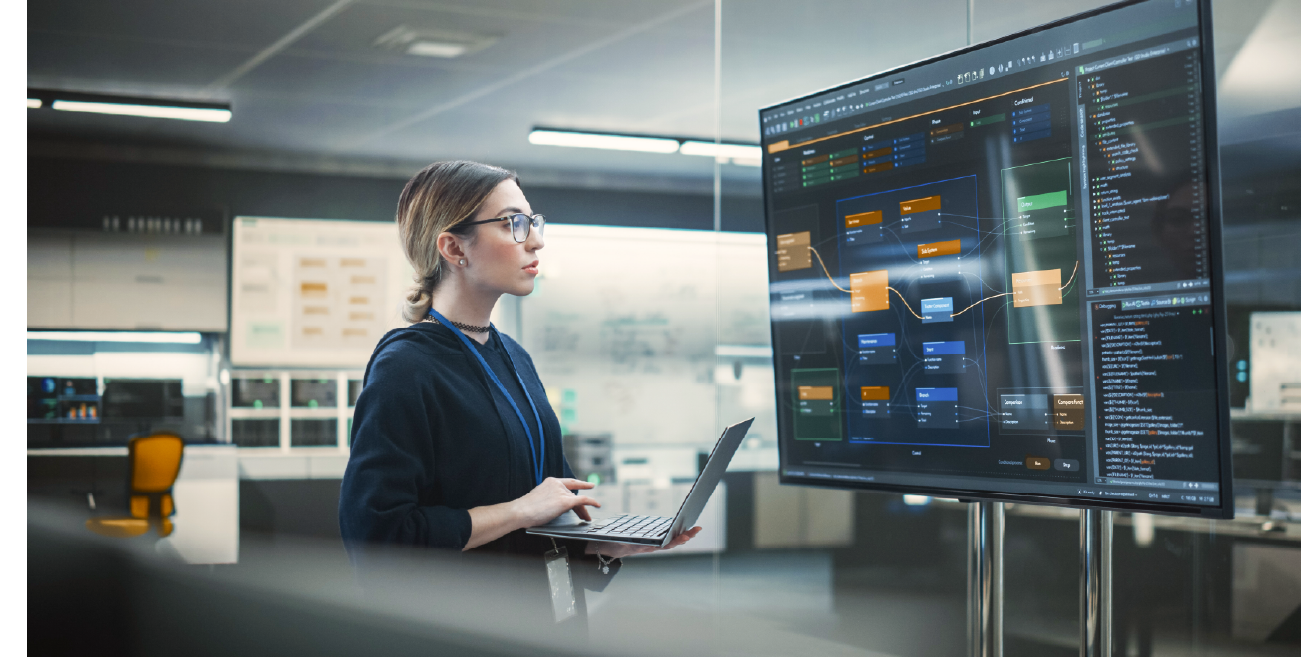
When EDI migration means a real upgrade
Few things inspire more dread in the imagination of IT department heads than EDI migration. Even for mid-sized companies, the EDI process catalogue contains a large number of items and gigabytes of data, so it's no wonder that managers put off the crucial decision to initiate such an operation on the fly. But in companies where they have made the commitment, moving from a legacy system to the new solution has provided strategic benefits, reflected in a rapid return on investment.

Disrupted supply chains and the future of the automotive industry with Robert Cameron
The global automotive industry has been grappling with unprecedented disruptions in supply chains, creating a complex and uncertain landscape. The burning questions on the minds of industry leaders and experts are how long it will take to restore stability and whether such stability can ever be fully achieved. Are there multiple approaches available to address the situation? Can lessons from other industries be applied to the automotive sector?
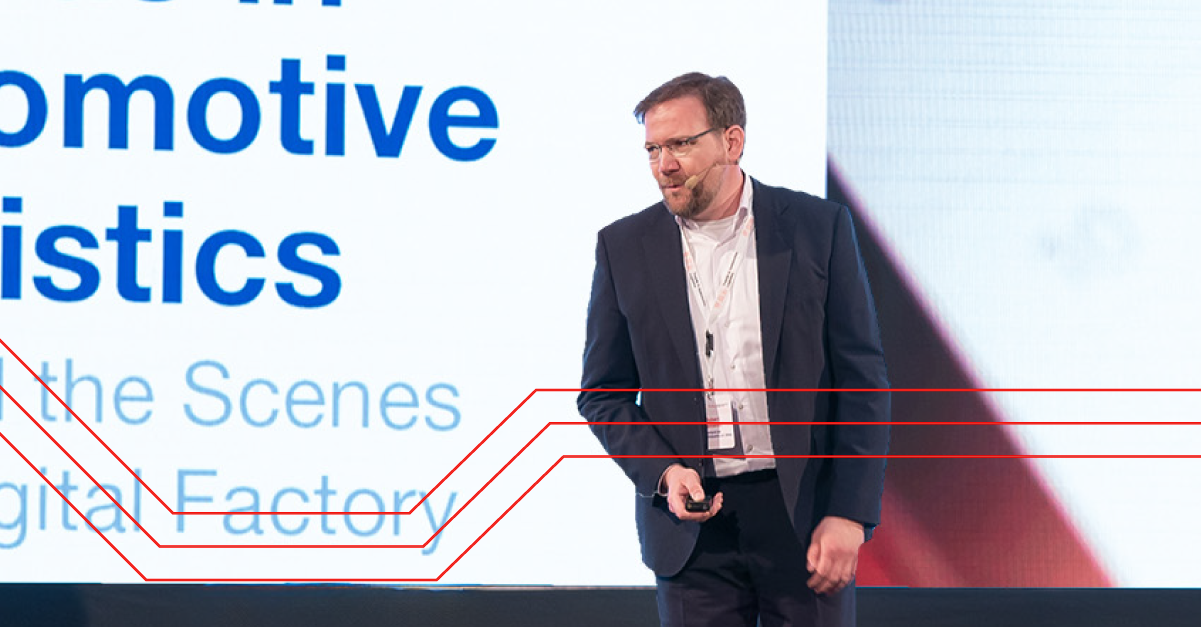
A Brave New World in Automotive Logistics: Robert Cameron's Presentation at TAL2023
Face-to-face with a changed reality in the automotive supply chain. Step into the future of automotive logistics with Robert Cameron, Head of Production, Logistics, and Aftermarket Department at the German Association of the Automotive Industry (VDA). As a renowned industry expert, Cameron brings over 20 years of experience to the forefront, including his vital role in standardizing processes for the European automotive supply chain.
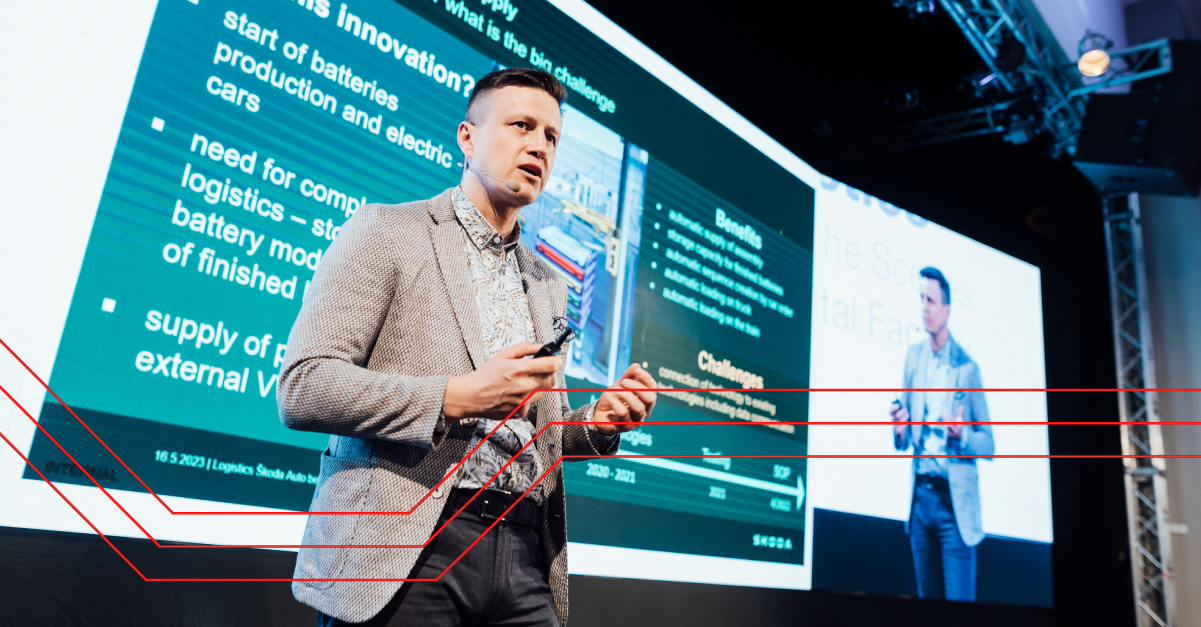
The most interesting quotes from Trends in Automotive Logistics (TAL 2023)
How should we connect AI with logistics? Will a green approach truly be a necessity? What path through digitalisation is being chosen by automotive leaders? At the Trends in Automotive conference, we all could hear a wealth of experience, tips, and declarations, which doubtlessly remained in the heads of more than a few of the nearly 400 participants. It’s no wonder, too, since this year’s theme was “Behind the Scenes at a Digital Factory”. Read our selection of the most interesting words on the digital transformation and automation – and change management and green logistics too.
EDI ‑ A Communication Standard in the Automotive Industry
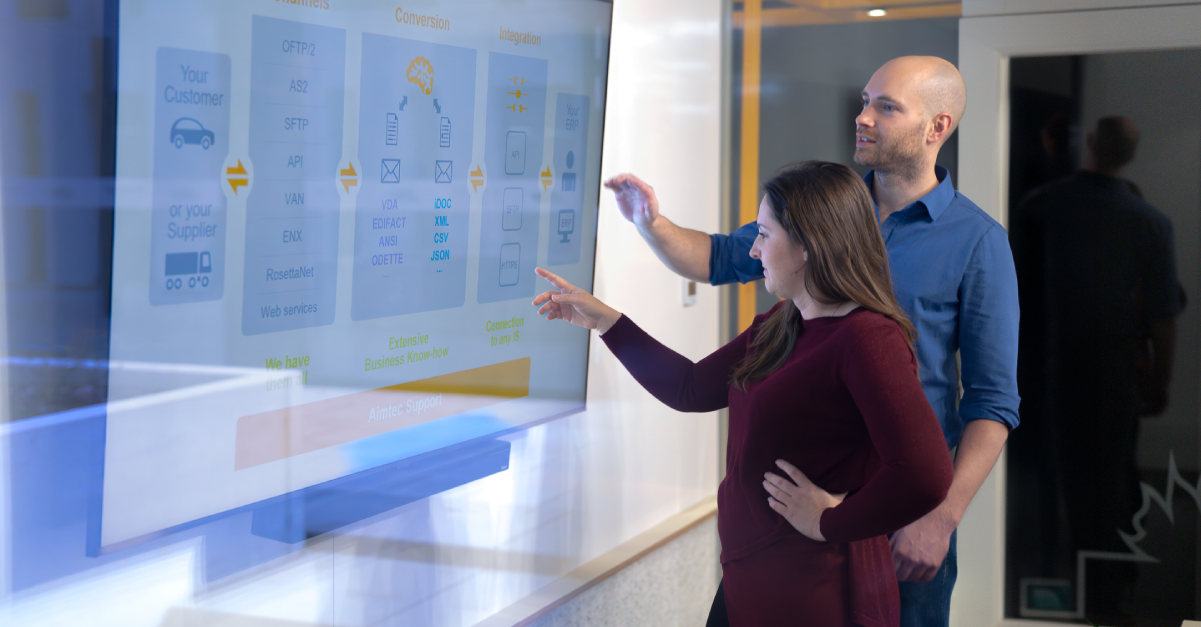
There is currently no alternative for the exchange of information between suppliers and their customers in the automotive industry. EDI (Electronic Data Interchange) has become an industry standard over the past decades and has outgrown its original purpose. Those who want to succeed in the automotive segment cannot do so without solutions and tools designed for this type of communication. In the following lines, we will outline where EDI can be used, introduce the terminology and show what types of messages, communication protocols and communication standards are used in EDI.
The Logistics Tribe: Digital Tools and Transformation in The Automotive Industry and Logistics with Roman Žák
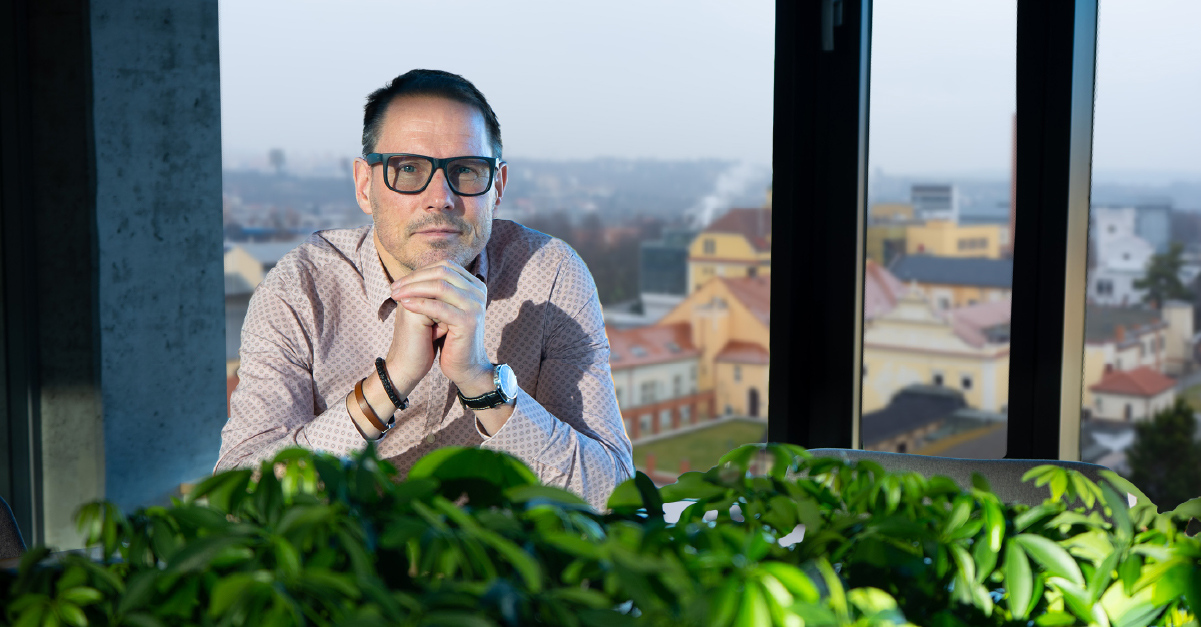
Aimtec has been an innovator in digital transformation since 1996. In a recent episode of The Logistics Tribe, Boris Felgendreher, Host of Business and Logistics Podcasts, sat down with the company’s co-founder and Chairman of the Board at Aimtec, Roman Žák, to discuss Aimtec‘s unique approach and how is Aimtec addressing the challenges faced by their clients in the automotive sector.
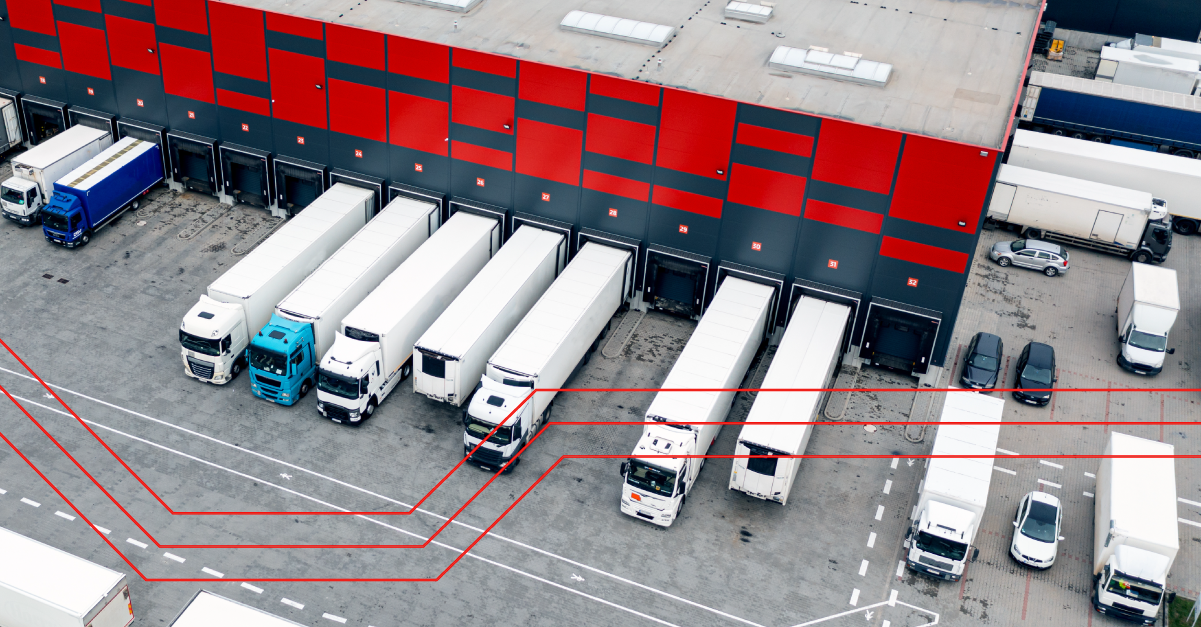
Transformation of the automotive industry and the labour market favour automation, say speakers at the upcoming TAL 2023
Important figures in the field of automotive logistics are heading to Pilsen again. They will present their views and experiences at the Trends in Automotive Logistics (TAL) conference on 16 May 2023.
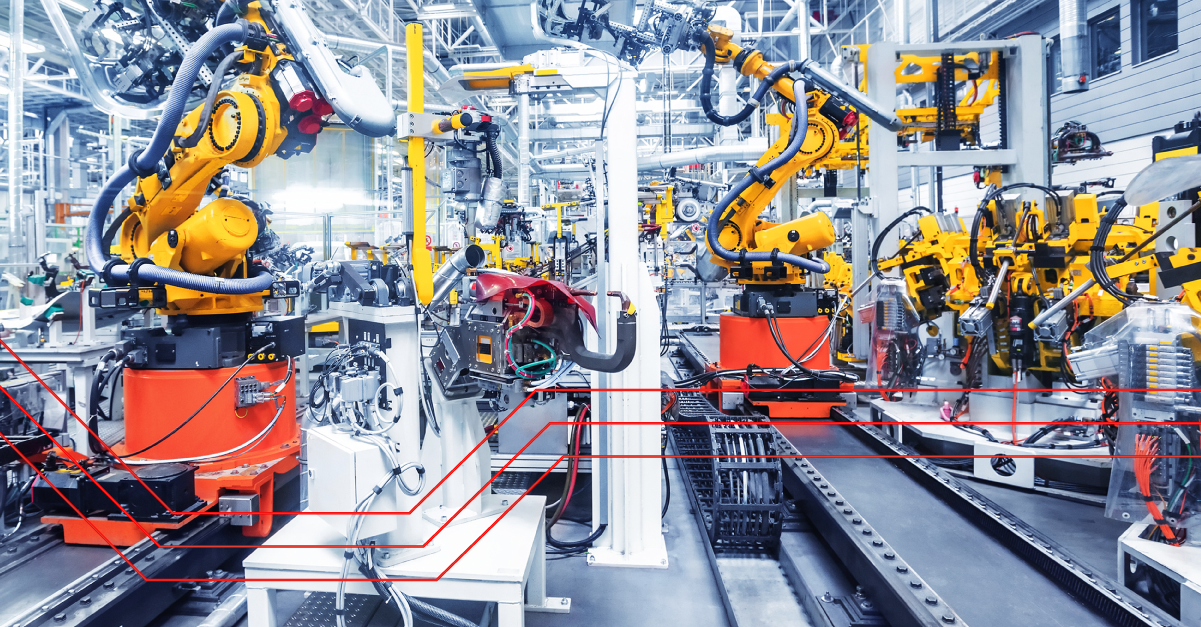
Local manufacturing and risk management will be the trends of the future, predict speakers at the upcoming TAL 2023 conference
Important figures in the field of automotive logistics are heading to Pilsen again. They will present their views and experiences at the Trends in Automotive Logistics (TAL) conference on 16 May 2023. Prior to the conference itself, we asked our speakers two important questions about future trends in automotive logistics and the ability of companies to withstand the challenges posed by supply chain disruption.
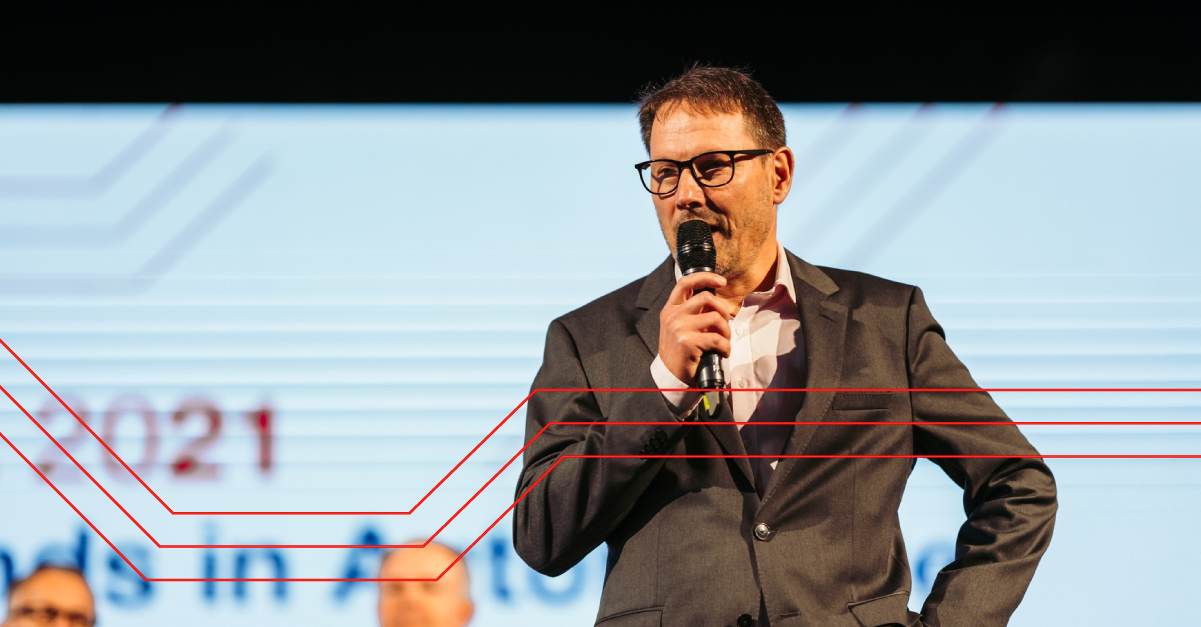
The Trends in Automotive Logistics Conference 2023: Take a Backstage Look at the Digital Factory
Despite all the current crises, digitalisation is running full steam – for manufacturing firms, the digital transformation is not just a possibility, but rather a necessity if they are to remain competitive. Anyone asleep at the wheel today may face a severe handicap in five to ten years, says Aimtec’s co-founder and supervisory board chairman Roman Žák. He also extends a cordial invitation to this year’s TAL conference, dedicated to digitalisation and other trends in automotive logistics.
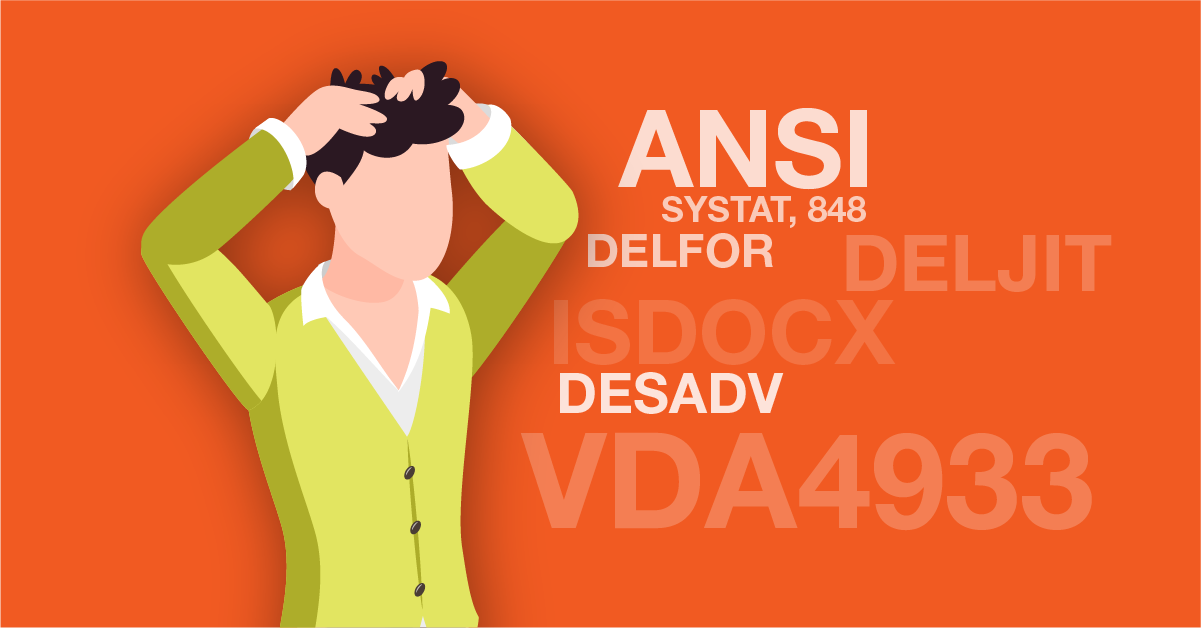
How not to get lost in the flood of OEM concepts in EDI communication
Recall (4905, 4984, DELFOR, 4A3, ANSI 830). Yes, this is also the OEM requirements for EDI communication. Hundreds of message types are exchanged, with each manufacturer requiring different standards. This creates a variety of different concepts that require different EDI system settings.
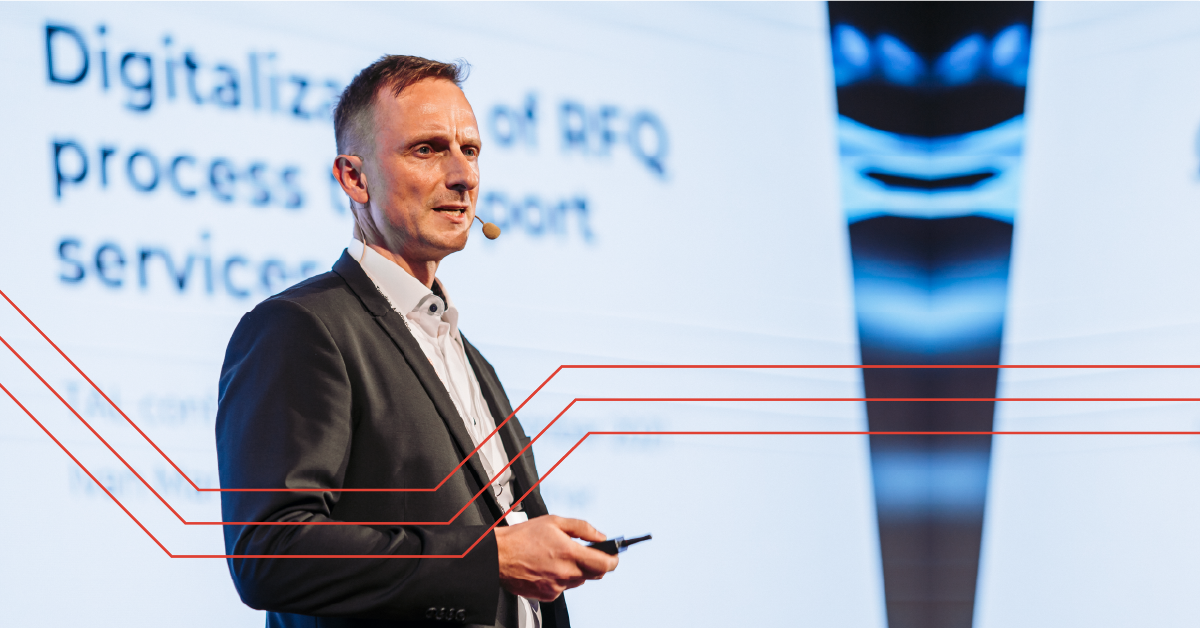
Digital tools will prevent deadheading and save tens of percent in transport costs
The cost of transporting goods is one of the most expensive items on a company's books. However, companies largely underestimate the choice of carriers. Using smart tools, costs can be reduced by tens of percent. Tomáš Marinec from AIM Partners explained how to do it at the TAL conference in Pilsen.
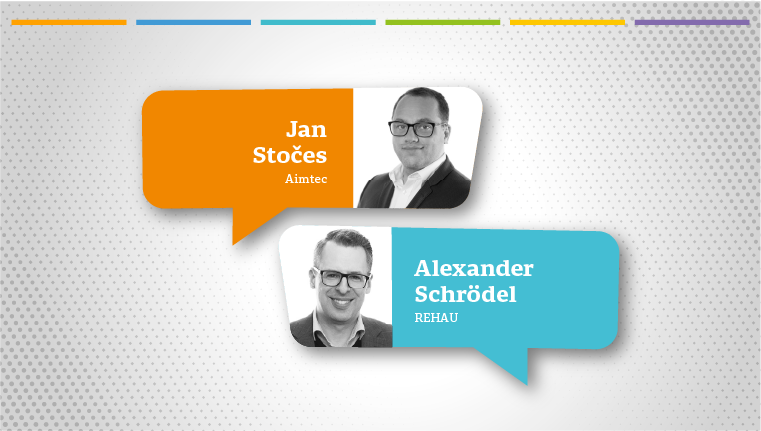
Moving to the cloud is just a matter of timing
Alexander Schrödel is responsible for IT at Rehau Industries. The company, which supplies polymer solutions for automotive, construction and other industries, has extensive experience in EDI. Schrödel himself sees the electronic exchange of data as a condition that allows the group to do business in the volume and time required. "It is a great challenge to achieve automation in the entire process chain and to start perceiving and optimizing the EDI process as a whole and not just as a queue of orders," says the German manager in an interview with Jan Stočes, Director of Cloud & Integration Solutions at Aimtec.

Air it out and sweep the cobwebs, or: doing EDI migration right
Companies in automotive spend easily dozens of years building up their EDI. And it gets reconfigured many times over those years. Meanwhile few teams are responsible enough to thoroughly document all the adjustments to their on-premise system. The end result is that the risk of losing or damaging data when migrating it feels stronger than the benefits that can come from an EDI migration. “A data upgrade and migration is a fundamental act that will benefit every company’s operation”, says Jan Stočes, Cloud Services Director at Aimtec. And this process doesn’t have to be a risk, as long as a firm chooses the right partner. But how do you make that choice? Learn what to watch out for and what trends you can put to work in EDI.
EDI could be with us for the next 15 years, says RAPA's IT chief
Thomas Schott has been responsible for IT at Rausch & Pausch (RAPA) for six years. However, he has been gaining experience in information technology for much longer. In the early 1990s, he was there when reputable suppliers in the automotive industry were beginning to implement electronic data interchange (EDI) systems. "This topic has been a constant presence in my professional life for thirty years," says the German manager.
EDI is alive and well, says Tolga Ozkundakci of IAC
Occasionally one can hear the opinion that EDI is slowly but surely leaving the scene. Ozkundakci strongly disagrees. At least in the automotive sector, he says, this is not the case.

Now that we have the data, let's mine it across the supply chain
Visibility. A key word in today's automotive industry. Specifically, supply chain visibility. In today's turbulent world with disrupted traditional business channels, few things are more valued by automakers than accurate and timely information on the status and flow of supply. However, not every supplier is able to share them. The potential of digitalised communication is far from being exploited, so time and money continue to be wasted.
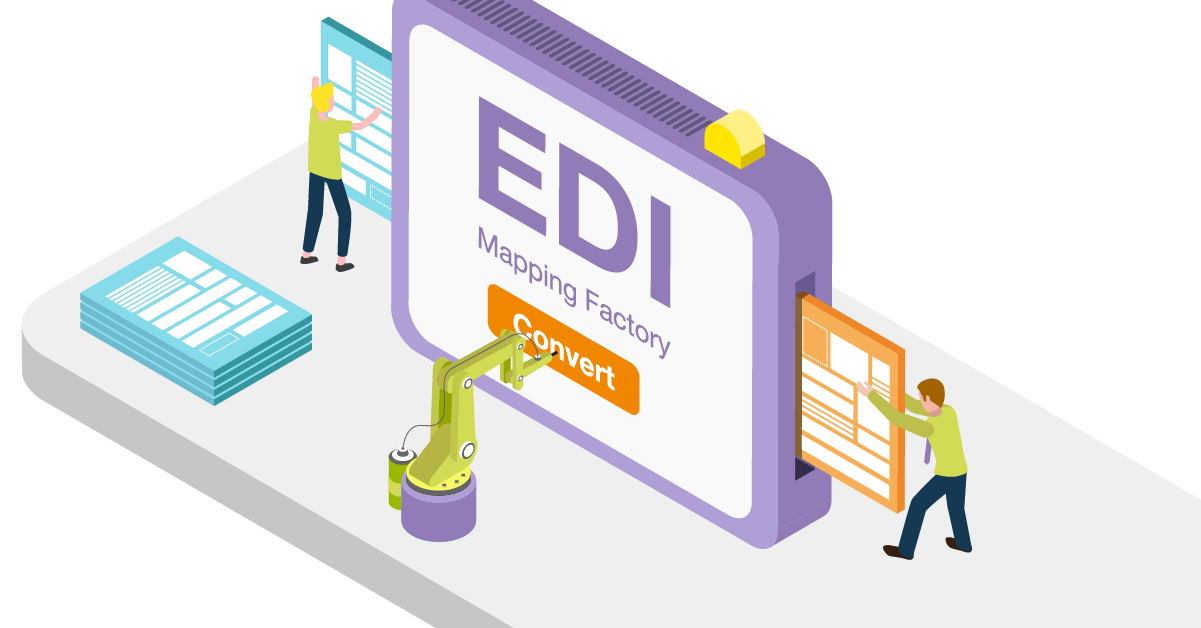
EDI mapping in automotive? A quick and affordable solution exists
Electronic data interchange (EDI) is an essential part of business, and this naturally applies to the automotive industry as well. However, as companies use different in-house systems, information sets need to be tailored to ensure that communication runs smoothly. This is a task for so-called EDI mapping, which is becoming an indispensable tool for automotive suppliers.

Digitalisation and Automation of Continental Automotive Plants
Holistic approach to digitalisation. You either digitalise or you don’t, there’s no doing it halfway. This should be THE approach to digitalisation, according to Tomáš Vondrák, Managing Director of Continental Automotive Czech Republic, who spoke at the Trends in Automotive Logistics Conference (TAL) on September 21st in Pilsen. We summed up Tomáš’s most inspiring points in this article.

Ivan Marinec: The role of data in the digitalisation of automotive logistics
The typical causes for automation failures all usually share the same roots. These are: low-quality data, poor knowledge of the system’s possibilities and a lack of courage. How can you make the most of the new prospects brought by digitalisation while maintaining logical and sensible goals?

Driving trucks from home, and UX as an engine for digitalisation: The most interesting quotes of TAL 2021
Seeking the right balance for automotive logistics – that was the main theme for this year’s Trends in Automotive Logistics conference, held in Pilsen on 21 September 2021. A total of fourteen speakers from throughout Europe came to share verified tips and experience gained from digitalisation projects. How do automotive logistics experts see the future? We’ve chosen the most inspiring statements from this year’s conference just for you.
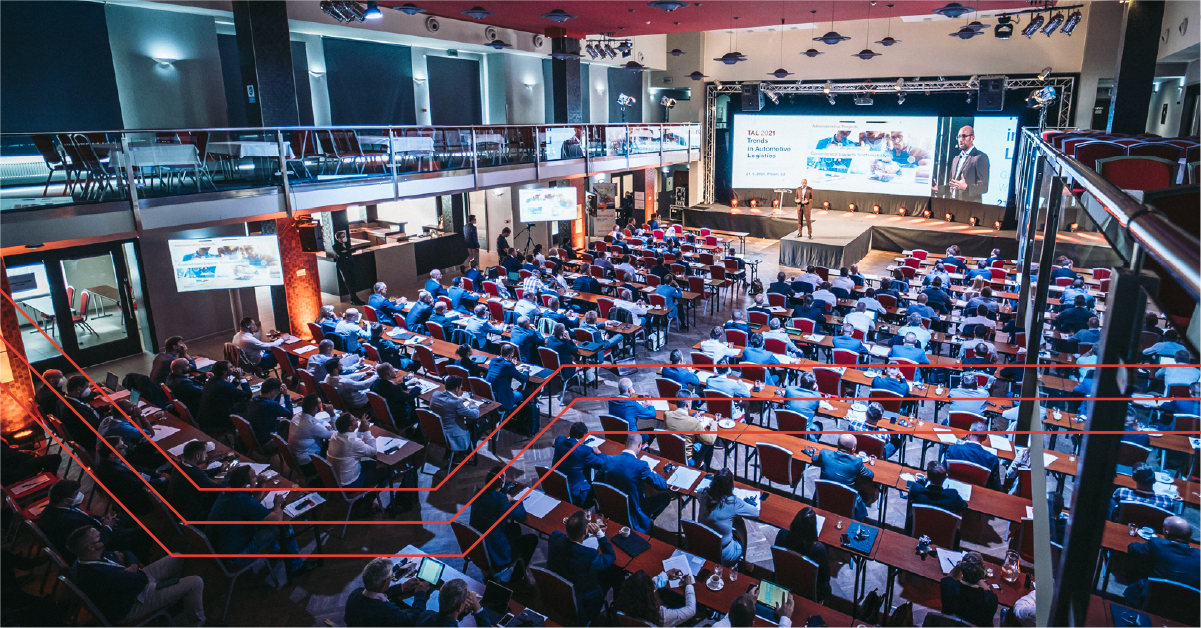
The TAL 2021 Conference: Logistics Digitalisation Must Come with Balance
Fourteen speakers from throughout Europe assembled in Pilsen on 21 September for the Trends in Automotive Logistics (TAL) conference, organised by Aimtec in cooperation with IHK Regensburg and DTIHK. The automotive logistics experts appearing on the conference stage included Marco Prüglmeier from i2market and Michael Schneider from idealworks. The topic of establishing the right balance regarding logistics digitalisation accompanied the entire programme. And the conclusion? Constant balancing, the seeking of new paths and evaluation of individual solutions’ pros and cons is, the speakers say, what is most likely to guarantee success for both small projects and cross-company transformations. TAL 2021’s participants found confirmations of this in the majority of the conference presentations.

Automotive should learn from e‑commerce. Through data and digitalisation.
If you want to succeed, learn from the best. That is why we’ve interviewed Ivan Marinec, with his rich portfolio of experience from operations and logistics management in automotive. Over 20 years in this field have given him a unique perspective on the current turbulent situation and more importantly on the trend of digitalisation in automotive manufacturing. We asked him for tips as well as lessons learned that have helped him to start his own company.

Automotive for a New Age: Localised Manufacturing and Supply Chains Alongside New Business Models
For over a year now, the global economy has seen a trial by fire, and it is struggling with the impacts of anti-epidemic measures. In automotive, the pandemic has mercilessly revealed the vulnerability of global manufacturing and supply structures, and meanwhile this sector is seeing the greatest change in a century, with combustion engines gradually giving way to electric.
TAL 2021: The topic for automotive logistics in 2021 will be finding a balance
Audi, BMW Group, ŠKODA AUTO, ZF Friedrichshafen, Volkswagen, Eissmann Group Automotive – návštěvníci konference Trends in Automotive Logistics (TAL) už měli v minulosti možnost vyslechnout si zkušenosti, případové studie a inspiraci od těchto velkých hráčů v automotive a také od desítek jiných. Loni v únoru přilákal jubilejní 20. ročník do Plzně téměř 300 českých i zahraničních účastníků, kteří podle zpětné vazby odjížděli spokojeni. I v letošním roce chystáme inspiraci v podobě toho nejlepšího z logistiky v automotive. Posun na podzimní datum 21. 9. 2021 vidíme jako příležitost setkat se v Plzni znovu osobně a navázat tak na úspěšné předchozí ročníky. O tom, na co se letos můžete těšit, jsme si povídali s Romanem Žákem, předsedou představenstva Aimtecu.
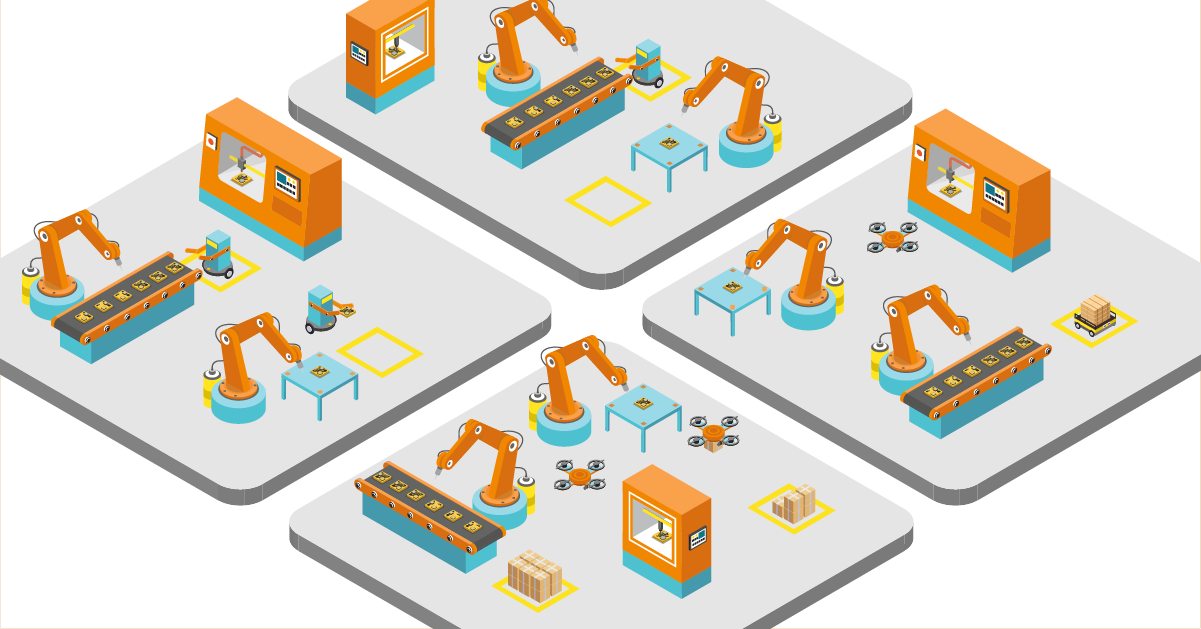
Local automotive manufacturing? Smart microfactories will make it possible.
Traditional production lines may soon be replaced by innovative microfactories consisting of manufacturing cells with flexible robotic stations. These can make do with a floor area that’s two orders of magnitude smaller and can be brought into operation considerably faster.

Expensive electromobility may endanger Europe’s OEMs
Even ten years from now, European OEMs will still spend more to produce each electric vehicle than they would for a compact automobile with an internal combustion engine. Pressure on companies’ profitability will continue to grow, and in time it can lead them to merge into larger units – and to share R&D costs as well. Will Europe’s automotive leaders fall into the red?
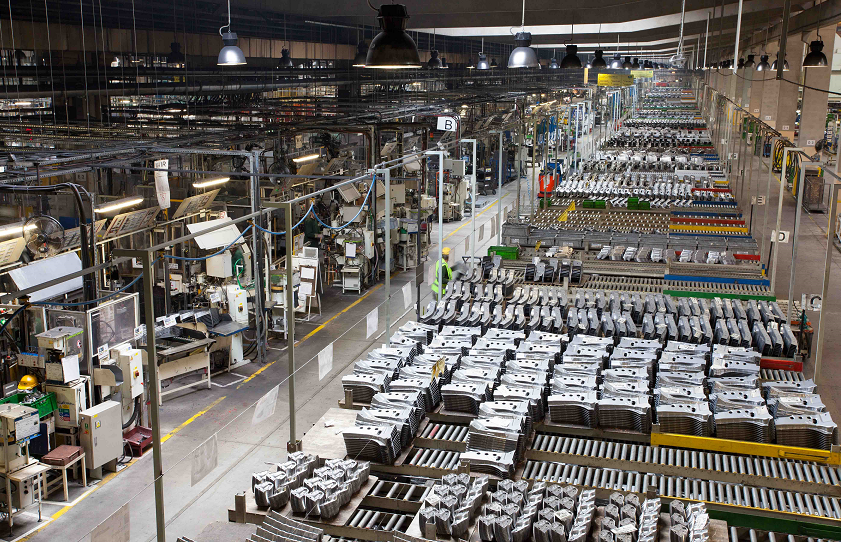
Asprova Opened Our Eyes. Thanks to It We Were Able to Reduce Our Stock by 50%
The Futaba Czech company started an implementation of the Asprova system for advanced planning and production controlling in April 2014. It has been fully relying on this APS system since the beginning of 2015.
How Does the EDI Communication in the Fiat Chrysler Automobiles Car Plant Look Like?
The seventh largest carmaker in the world, FCA – Fiat Chrysler Automobiles in the USA, supports the process of electronic communication with suppliers using so called feedback messages.
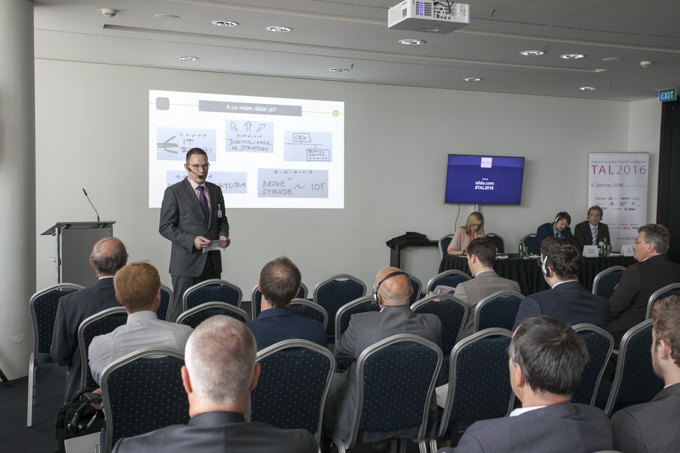
The TAL Conference Has Attracted Well‑Known Experts
The Trends in Automotive Logistics conference (TAL) took place on June 9th, 2016. This annual and eagerly awaited action took place in an interesting and attractive environment again – the 28th floor of the Prague highest building, in Pankrác.
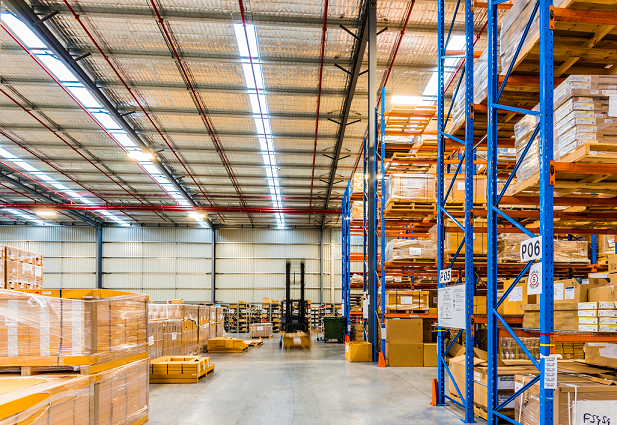
František Finger, TRCZ: We Implemented WMS Mainly for Traceability
The TRCZ company is a daughter company of the Tokai Rika company, Japan. The company manufactures automotive parts, safety elements, and keys for cars. In the Czech plant in Lovosice, the company has implemented, step by step, a complex solution for the management of material flow, from call-offs to shipment, in cooperation with the Aimtec company.

The Specifics of Delivering for Jaguar Land Rover (JLR)
A new JLR plant is being constructed in Slovakia. This is one of the largest foreign investments in Slovakia’s modern history.
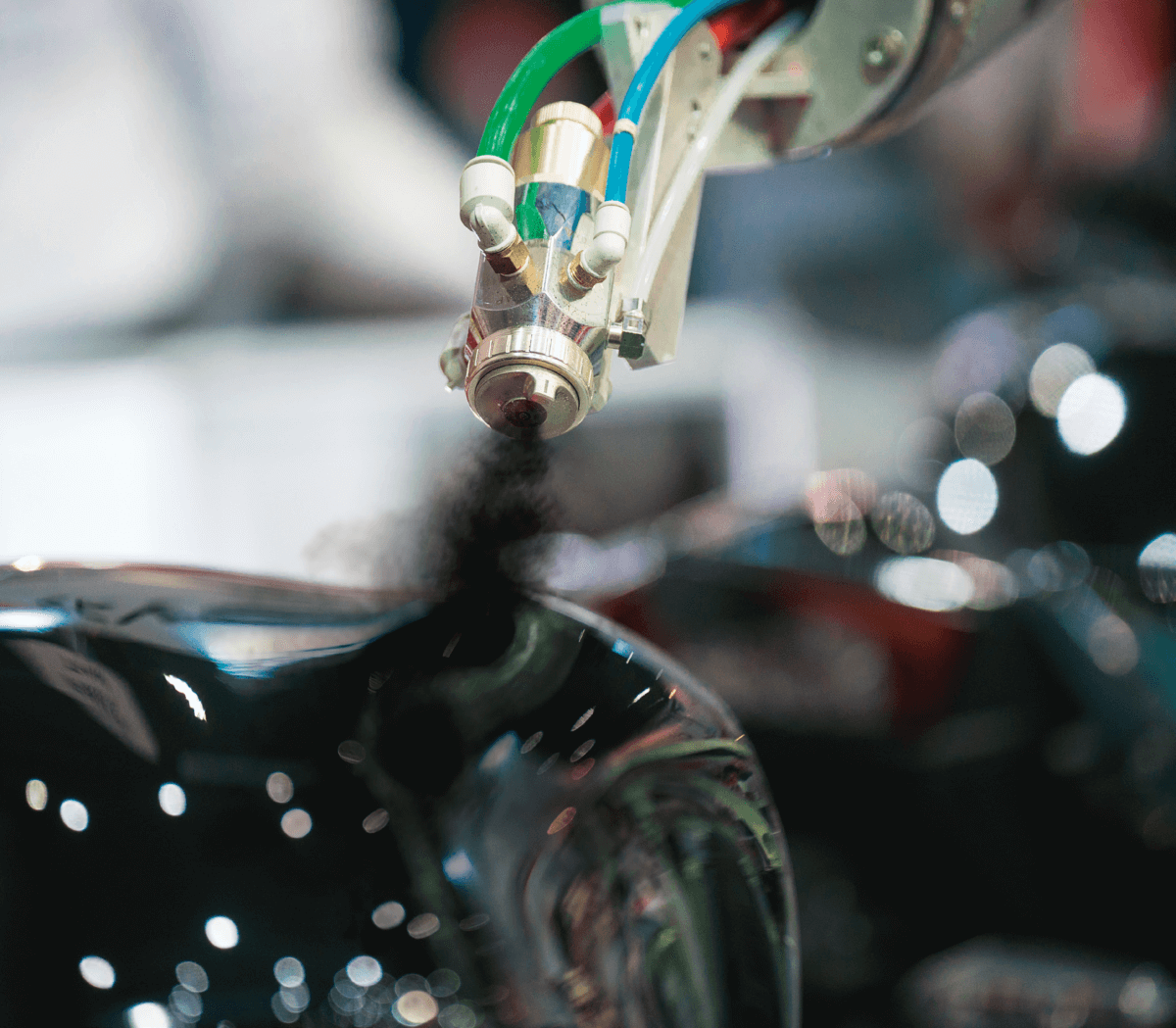
How Does a Car Get Painted aka APS in Paint Shops
You come into the showroom, the salesman hands over the keys and you step up to your new car for the first time.