
Automotive

Mapping Factory ‑ Developing EDI Conversions
The Digital Factory doesn’t have to only mean introducing Industry 4.0 at manufacturing and logistics firms. We also have our own digital factory at Aimtec.
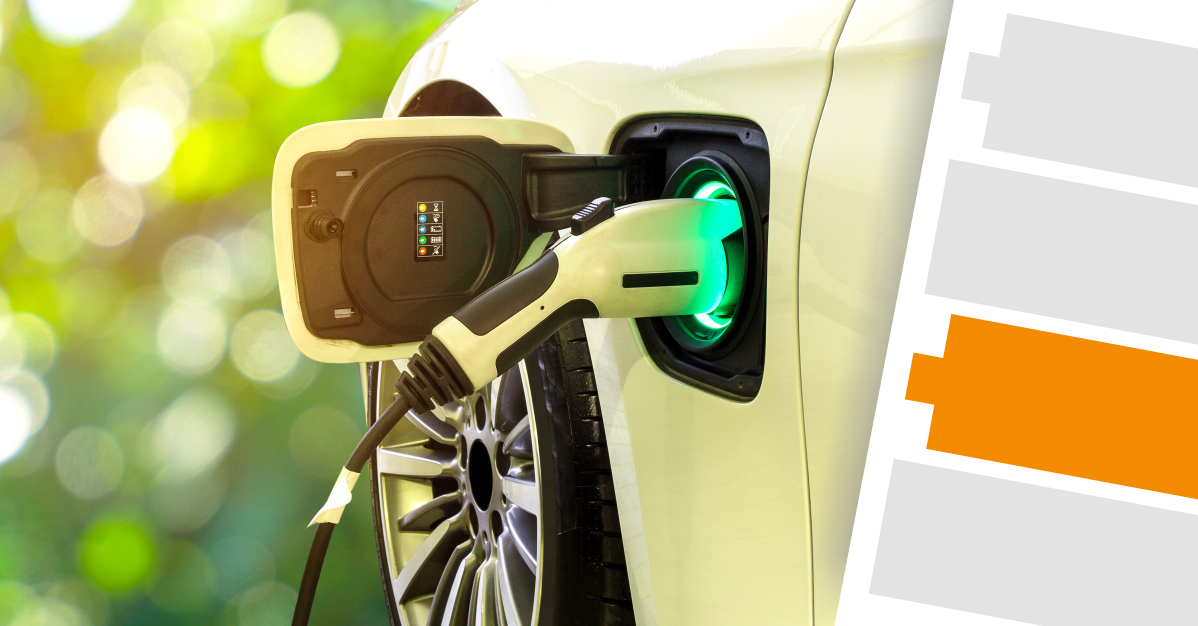
The Future of Automotive Industry: Will Electric Motors Replace the Combustion Engines?
After over a century of using combustion engines as the main system of propulsion in passenger cars, this type of engine is slowly being curbed in favour of electric motors. The world is expecting that electric cars will skyrocket… Or is it? Why? What sort of impact may e-mobility have on Europe’s automotive industry? Which unanswered questions regarding e-mobility remain on the table? We try to answer these questions in our series, starting with this article.

The Future of Automotive Industry: Who Invests into E‑Mobility?
Electric cars are the theme of all the big automakers, and it seems that we are going to have a rapid onslaught of e-cars. Or not? After introducing the issue, in the next episode of our series on the impact of e-mobility on the automotive industry, we will focus on the investments into e-mobility and whether batteries are the only alternative to the combustion engine.

The Future of Automotive Industry: Consequences of E‑Mobility
What changes do automotive suppliers expect with the increasing trend of e-cars? And is the only change awaiting us in passenger cars the engine? We respond to this in the third part of our mini-series on electromobility and its impact on the automotive industry.
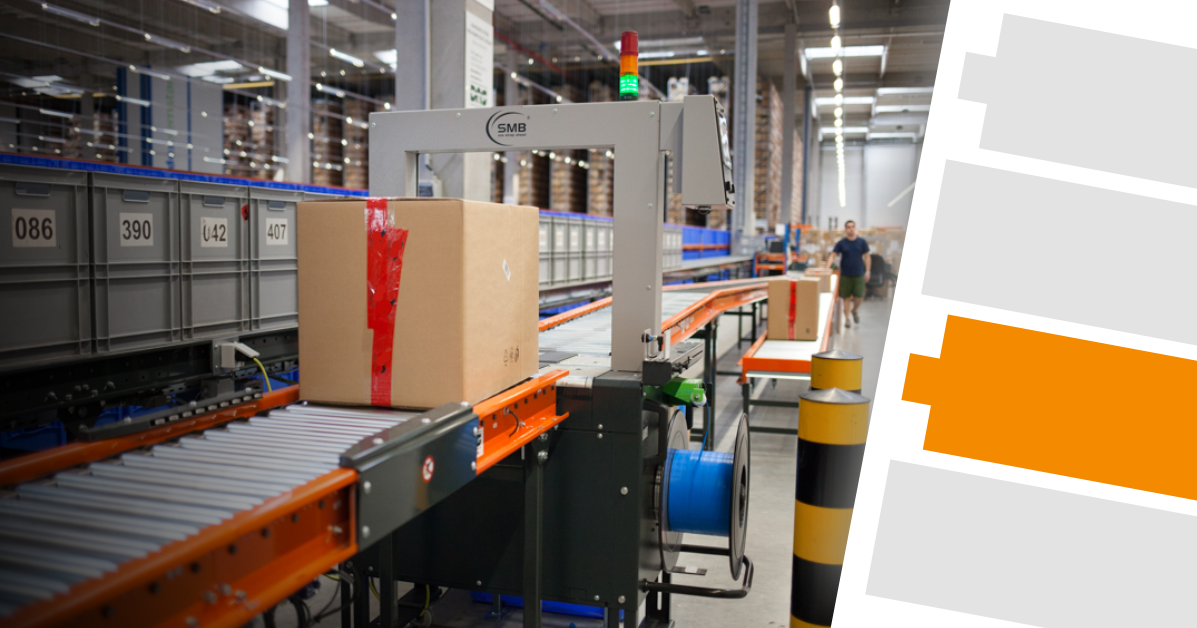
The Future of the Automotive Industry: Automation and New Partnerships are the Solutions
Regulations, technological development and a change of view of car ownership all affect the automotive industry as we know it. In our latest episode on the future of the automotive industry, we focused on what automakers and their suppliers can do differently to keep pace and place amongst the list of the most successful companies.
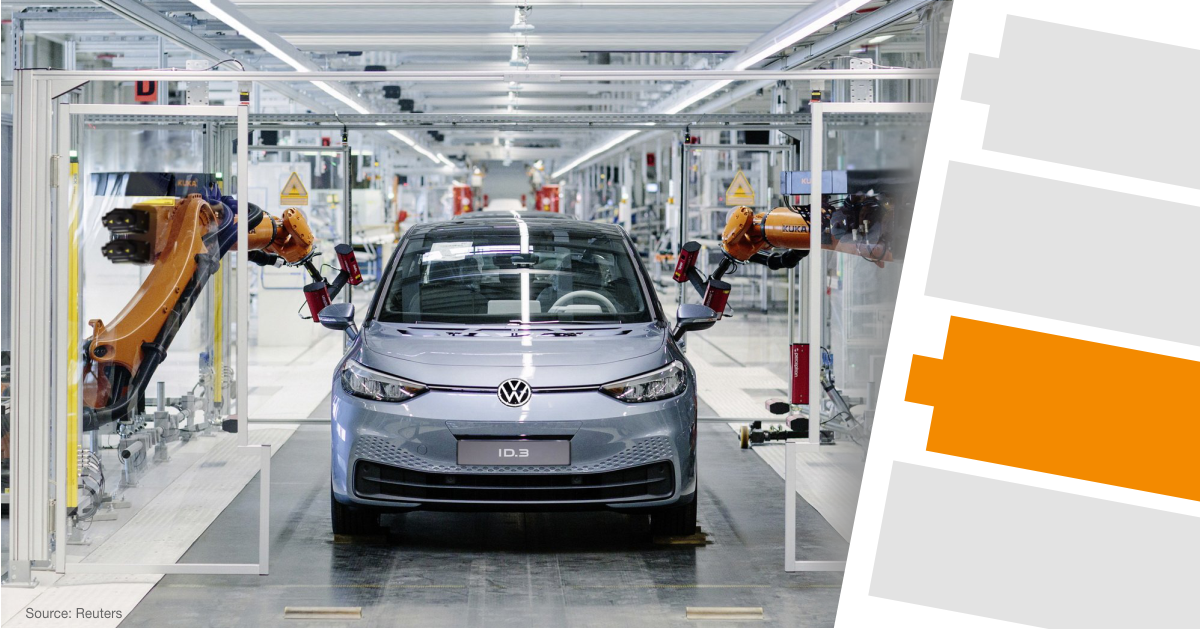
Electromobility: Even Production at a Loss Can Pay Off
In August of 2019, the Deloitte consulting firm published a study focused on automotive suppliers (the 2019 Global Automotive Supplier Study). It states that automotive suppliers’ revenues in 2018 amounted to 1,700 billion USD. Their segment analysis revealed that the income for certain components (the fuel system) may drop by up to 20 percent by 2025, and meanwhile certain attractive products (the electric drive unit) can generate up to three times as much revenue as they do today.
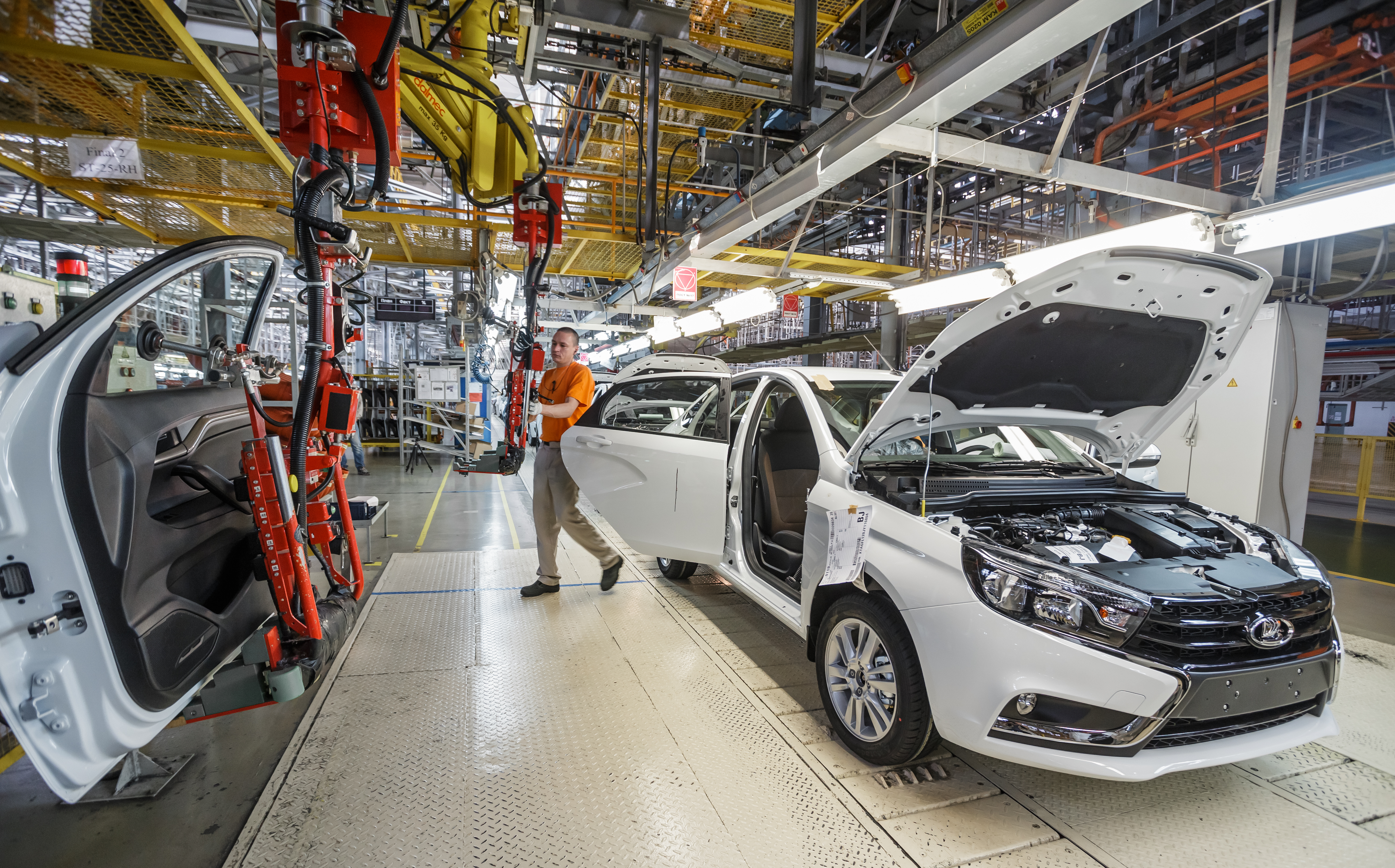
B2B Communication in Automotive: The Basics
The automotive sector places greater demands on suppliers than almost any other sector. Individual components need to meet strict criteria for the quality and traceability of materials, and additionally electronic data interchange (EDI) plays a key role.

The 8 Most Interesting Quotes from TAL 2020
What you might have missed at the conference, but is good to remind yourself.

The Digital Transformation: Are You a Driver or a Follower?
If you were there in the audience at TAL 2020, Filip Dřímalka may have piqued your curiosity right as it began. If you weren’t there, here’s a summary of all his key points, as well as some tips on what to do to stay a true driver of the digital transformation.

What Makes Smart Logistics Smart? An Interview With Marco Prüglmeier From BMW Group
When it comes to digitalization in logistics and manufacturing, the question most often asked is what will happen to the human workers. Will they be made redundant? The very clear answer is “no”. Digitalization is nothing without human workers. It is there to support them, not to replace them.