
Resilience, prediction and risk monitoring form the key to modern logistics, says David Strnad

Aimtec
6. 9. 2023
3 minutes reading
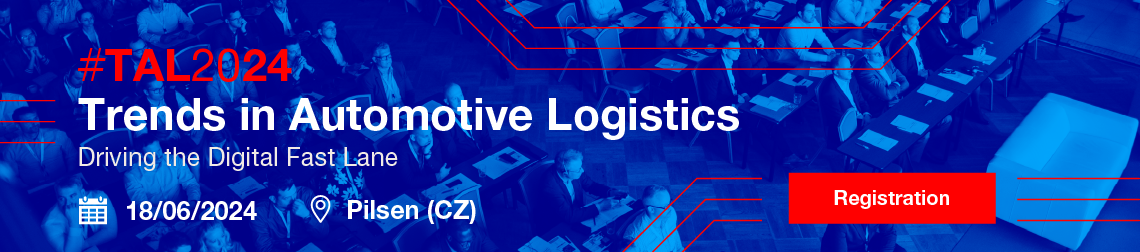
The automaker Škoda Auto is a major player in the world of logistics. Every day, 3,500 freight trucks arrive at its factories. Managing everything from the perspective of warehouses and the entire system, and ensuring production and employment for 30,000 people, is a challenging task. Can an automaker turn logistics trends such as digitalisation and automation into a company reality? What’s the right way to face today’s challenges, and what does a successful project look like? David Strnad, Head of Brand Logistics at Škoda Auto, has shared his opinions in an interview with Aimtec’s Rostislav Schwob.
Just having a vision is not enough
In David Strnad’s words, it’s important to not just talk about things, but also to take topics such as digitalisation, automation and harnessing artificial intelligence seriously and to transpose these ideas and visions into reality and achieve a final result. Internal staff’s motivation and stamina have their roles to play as well. The foundation is a self-sufficient internal team containing not only logistics workers, but also people with other training such as mechanical engineers. In the past, logistics was more focused on processes, while the trend of today is to head towards automation, and that requires work by specialists from technical fields as well. David Strnad expects technical suppliers to have an open information system and the capability to bring in something new that you won’t find among their competition.
Resilience, readiness for change and cooperation with suppliers
A successful project is one that won’t need updates in a year or two – one that will work without major adjustments for ten or fifteen years. Resilience is also needed to this end – for example, in recent months, Škoda Auto has been increasing its stocks and is now seeking the right path and balance between leanness and resilience.
One necessity in today’s turbulent world is the ability to predict the future, monitor risks and, if possible, at least partially prepare for changes. A digital connection with parts suppliers and the development of closer partnerships with them leads to win-win solutions and shared overcoming of challenges.
Tune in to this video interview with David Strnad to learn more.

Get top stories from logistics, production and IT.
By registering, you agree to the processing of your personal data by Aimtec as described in the Privacy policy.
Related stories


Panel Discussion on the Future of Logistics: AI, Work with Data and a Clash of Generations
Focus on the Essentials, Accept Change, Stay Humble: Valuable Advice from the Speakers at TAL 2025