
Most recent articles

Now that we have the data, let's mine it across the supply chain
Visibility. A key word in today's automotive industry. Specifically, supply chain visibility. In today's turbulent world with disrupted traditional business channels, few things are more valued by automakers than accurate and timely information on the status and flow of supply. However, not every supplier is able to share them. The potential of digitalised communication is far from being exploited, so time and money continue to be wasted.

SappyMOM: How to take local needs into account in a central system
How to reconcile the bosses' demand for SAP standardization with the needs of local plants for which the standard is not enough? Aimtec's SappyMOM add-on solves this common dilemma.
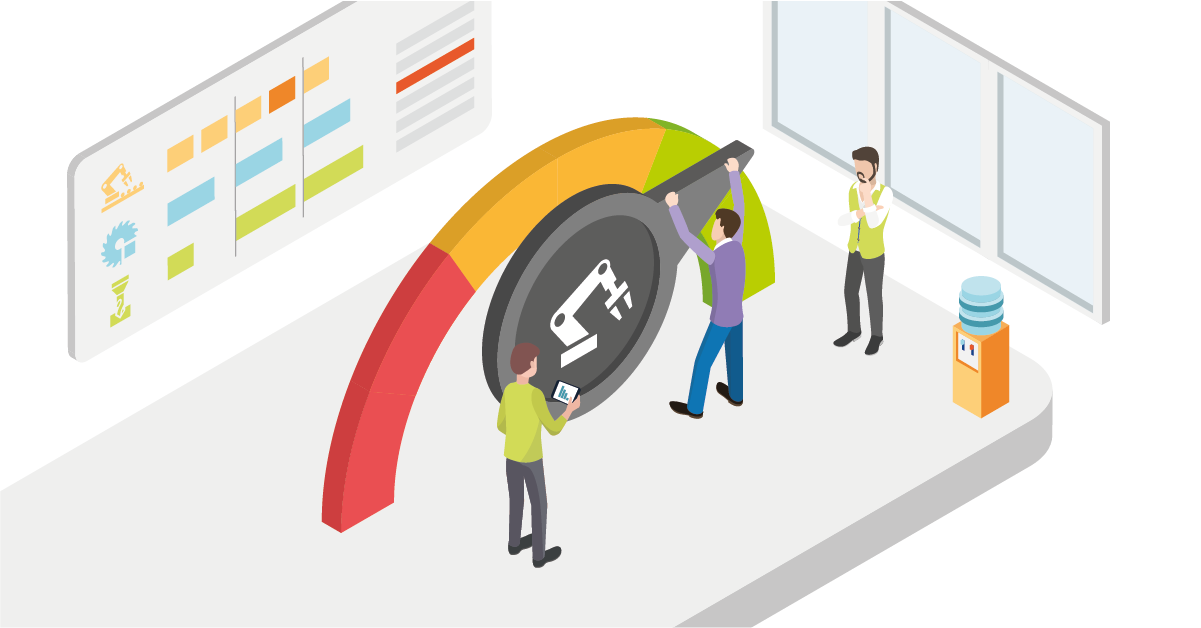
Digitalisation brings new perspectives on manufacturing efficiency
A register of scrap and manufactured units, operator and machine downtime tracking… approaches like these have become a standard part of production monitoring and reporting. In our digital age, can monitoring of overall equipment effectiveness (OEE) in terms of availability, performance and quality be improved even further, and can the needed data be acquired even more quickly and easily? What’s changing in this area, what new features is digitalisation bringing, and can we expect any specific tangible results?

Digitalisation platforms – an inexhaustible tool for manufacturing optimisation
Have you ever had the feeling that your manufacturing can’t be optimised any further, and you’ve reached its limits? Is it at all realistic to have completely interconnected manufacturing, in which people, machines, tools, materials and products all communicate simultaneously? The solution is a digitalisation platform that is able to connect to anything you can think of. With its help, you can configure any behaviour you desire for individual outputs and set up a variety of possible reactions. This way you can have complete information from manufacturing in real time – and digitally control it as well.
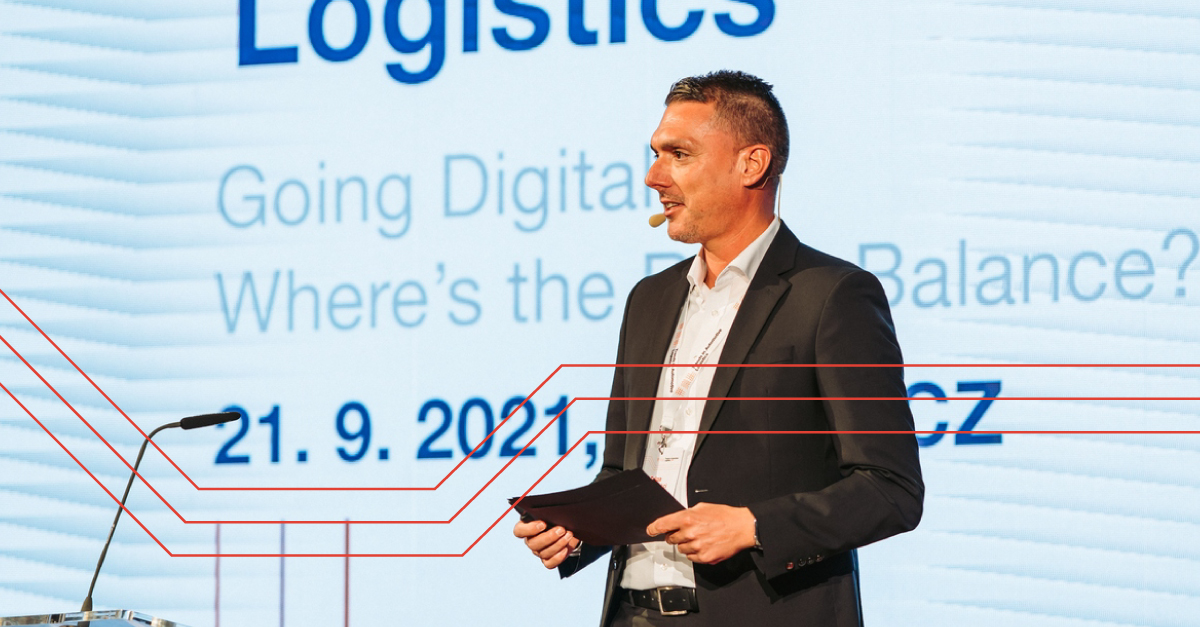
How to standardise processes in the automotive industry without limiting its flexibility?
How does a global automotive player use Aimtec’s DCIx System to standardise processes in its plants and facilities? Get an insight into International Automotive Components Group (IAC) straight from their European Vice President of IT and Systems Tolga Özkundakci.
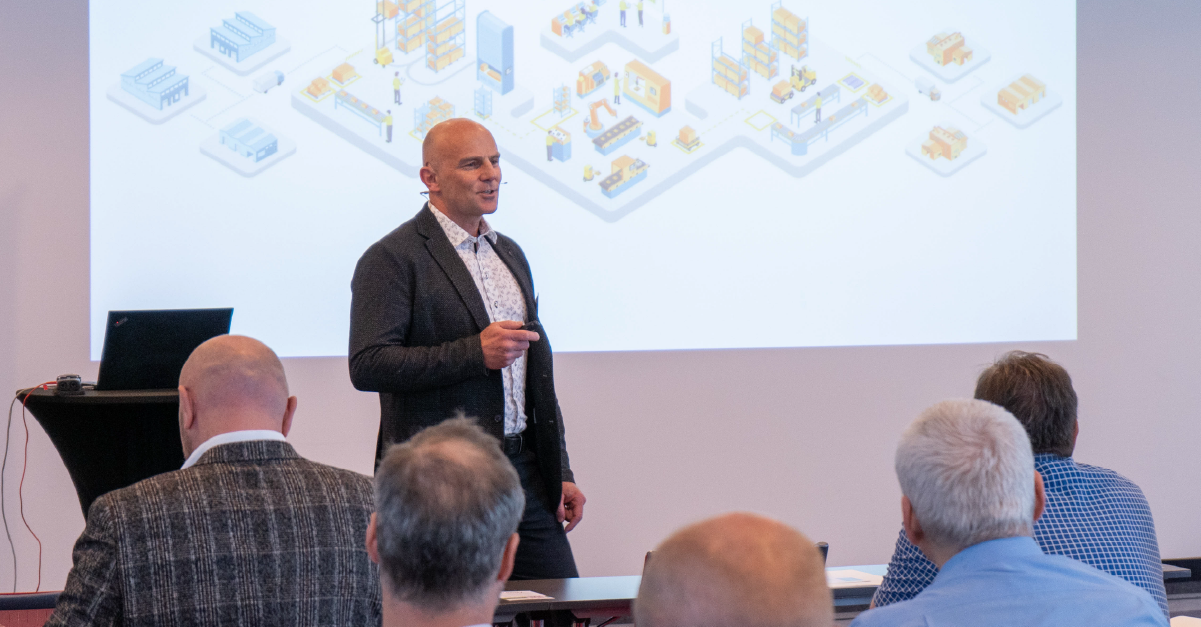
With DCIx7, the dream of a digitalisation platform running in the cloud becomes a reality
The User Group for Aimtec’s DCIx met up at the start of this May in Pilsen, and attendees could learn what visions are out there for logistics and what new features DCIx will soon have in store. Representatives from Koito Czech and Continental Automotive showed their approach to automation via practical examples. The event also included morning workshops about advanced stock management with WMS, new processes in MES and the role of DCIx in the digital factory. Couldn’t be there, or want a refresher on a few key points? Watch the presentations from the main afternoon section.
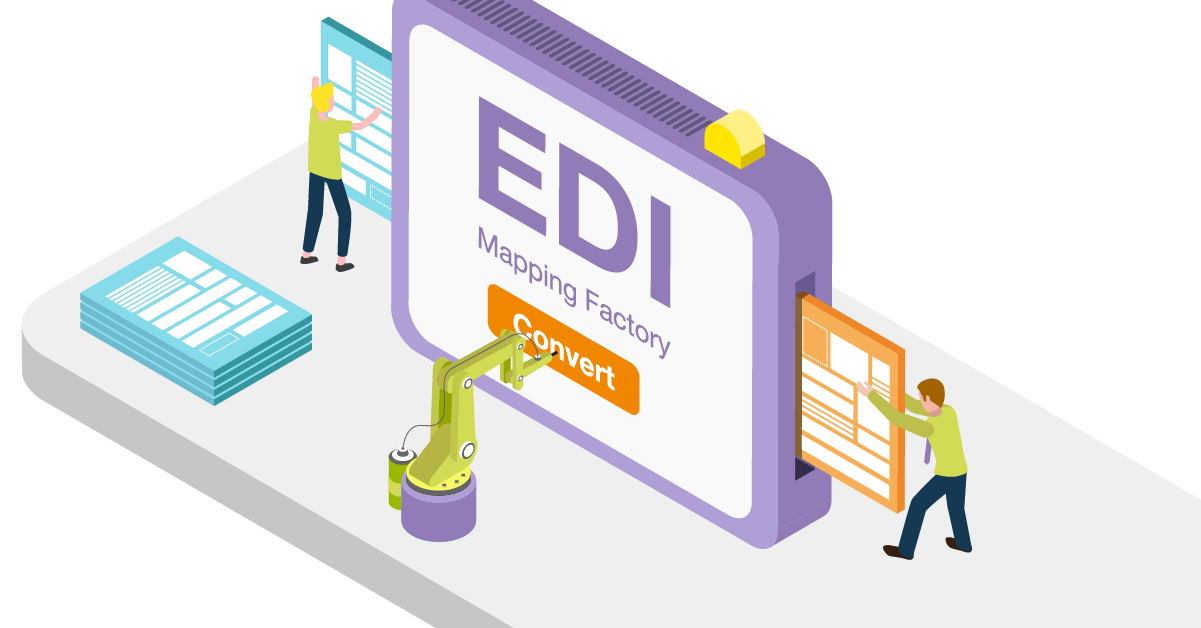
EDI mapping in automotive? A quick and affordable solution exists
Electronic data interchange (EDI) is an essential part of business, and this naturally applies to the automotive industry as well. However, as companies use different in-house systems, information sets need to be tailored to ensure that communication runs smoothly. This is a task for so-called EDI mapping, which is becoming an indispensable tool for automotive suppliers.

Tomáš Vondrák: The path to becoming Continental’s model plant in digitalisation
What are the biggest challenges for a company that’s been creating mobility trends for a century and a half? How has Continental’s largest automotive plant changed during the past 10 years? An interview with Tomáš Vondrák, Plant Manager & Managing Director, on Continental’s vision for a new era.
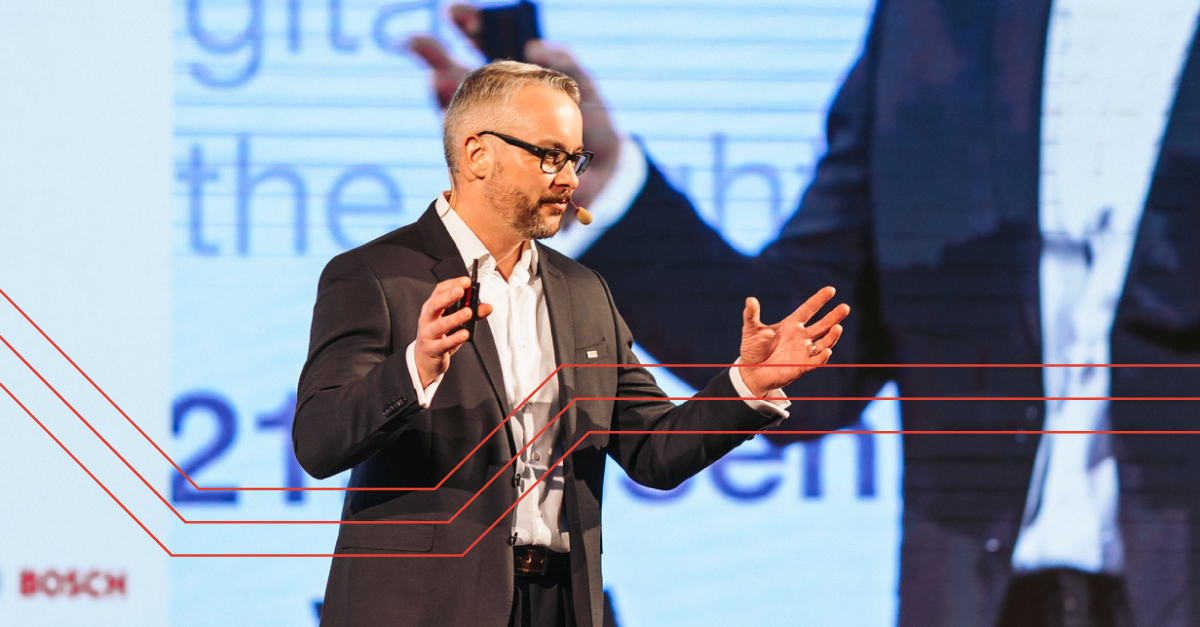
German head office learned the system of logistics digitalisation from Czech Bosch subsidiary
To get rid of physical kanban cards for production scheduling and save hours, weeks and months of time of the people who have to work with them. This was the basic idea that led to the creation of the digitalisation of heijunka in the Czech plant of automobile tech division of the Bosch company.
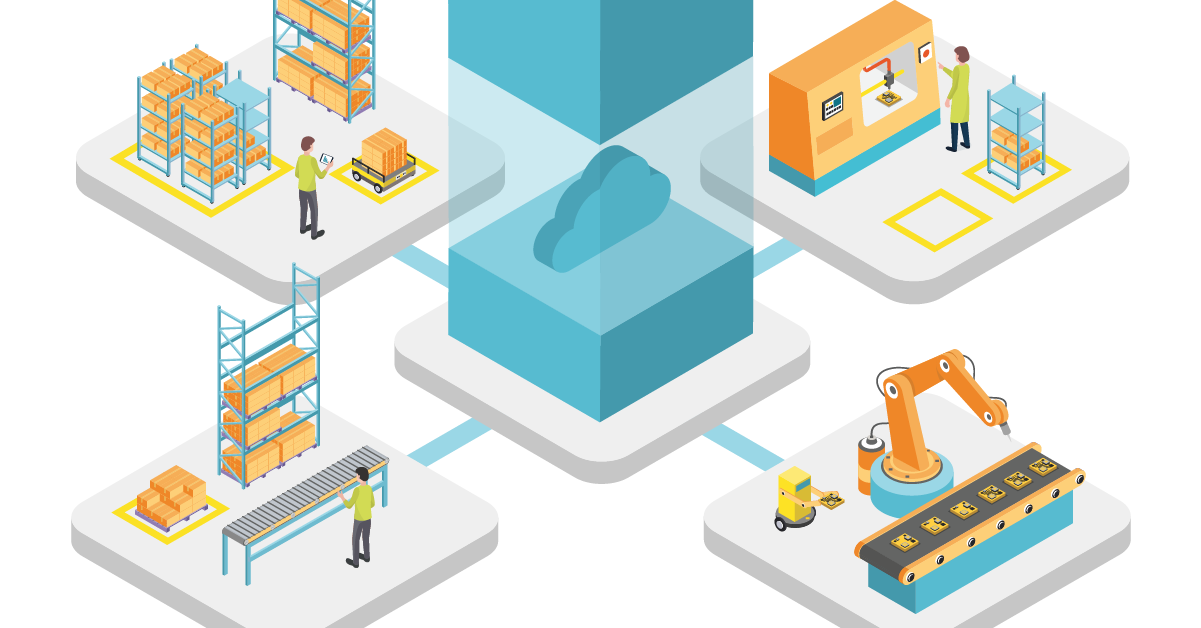
WMS and MES are changing. How will automation and the cloud affect them?
The accuracy of predictions by the consultants at Gartner is uncanny. What sort of future do they prophesy for WMS (Warehouse Management Systems) and MES (Manufacturing Execution Systems)? From monitoring plant or warehouse status, these systems should gradually grow to take on the role of strategic tools – they will enable a degree of automation that until recently was just a dream. All this joined with a perfect overview of the supply chain and, of course, support from the cloud.

Marco Prüglmeier: How can we implement innovations on time and be ready for the future of logistics?
Should different companies think differently about innovations in logistics? How can we navigate the market’s wide range of automation technologies and choose the right one? An interview with Marco Prüglmeier, CEO of i2market, about whether a blueprint exists for a successful future in logistics – but also about his new book Innovations in Logistics.

Digitalisation and Automation of Continental Automotive Plants
Holistic approach to digitalisation. You either digitalise or you don’t, there’s no doing it halfway. This should be THE approach to digitalisation, according to Tomáš Vondrák, Managing Director of Continental Automotive Czech Republic, who spoke at the Trends in Automotive Logistics Conference (TAL) on September 21st in Pilsen. We summed up Tomáš’s most inspiring points in this article.

Ivan Marinec: The role of data in the digitalisation of automotive logistics
The typical causes for automation failures all usually share the same roots. These are: low-quality data, poor knowledge of the system’s possibilities and a lack of courage. How can you make the most of the new prospects brought by digitalisation while maintaining logical and sensible goals?
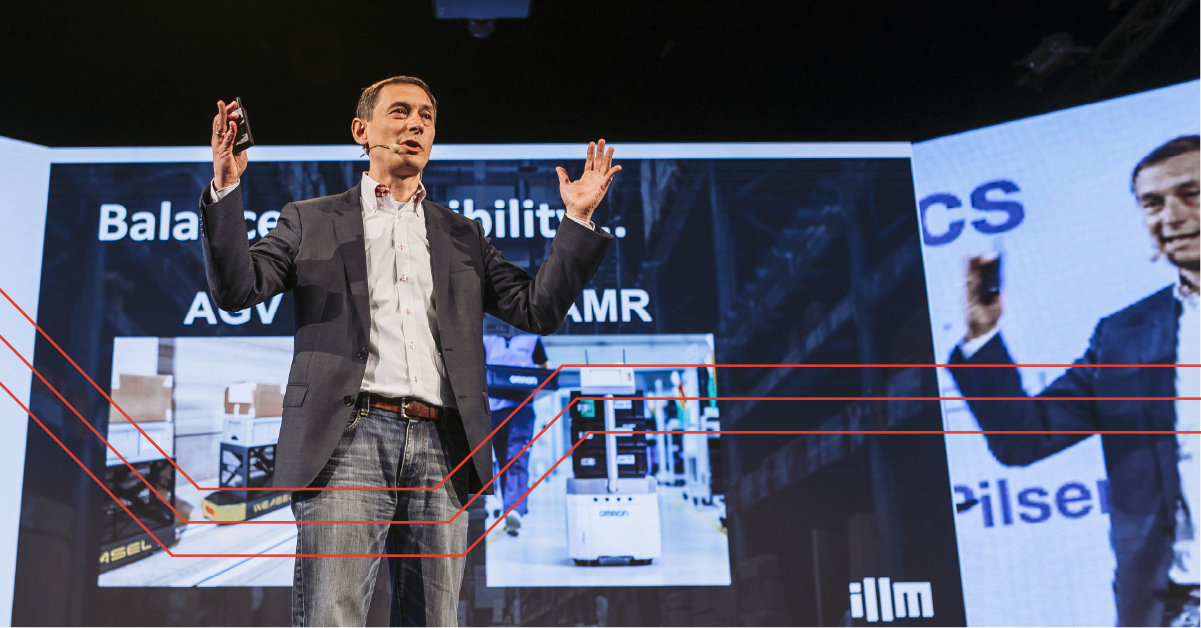
The right balance in logistics and where to find it
The most modern approaches in logistics—why should you be aware of the latest trends? How to find the right balance in logistics and keep it? At the Trends in Automotive Logistics Conference (TAL) 2021, Marco Prüglmeier talked about different approaches to robotization in logistics, showed the most revolutionary technological innovations, and mentioned some cons of automatization.
The New Reality for Logistics? It’s the Christmas Season, Every Season.
The 21st annual Trends in Automotive Logistics conference was held in Pilsen at the end of September this year, and like every year, it brought in speakers and listeners from the automotive sector throughout Europe. As in past years, the event’s main partner was Zebra Technologies, a major player in warehouse technology solutions.
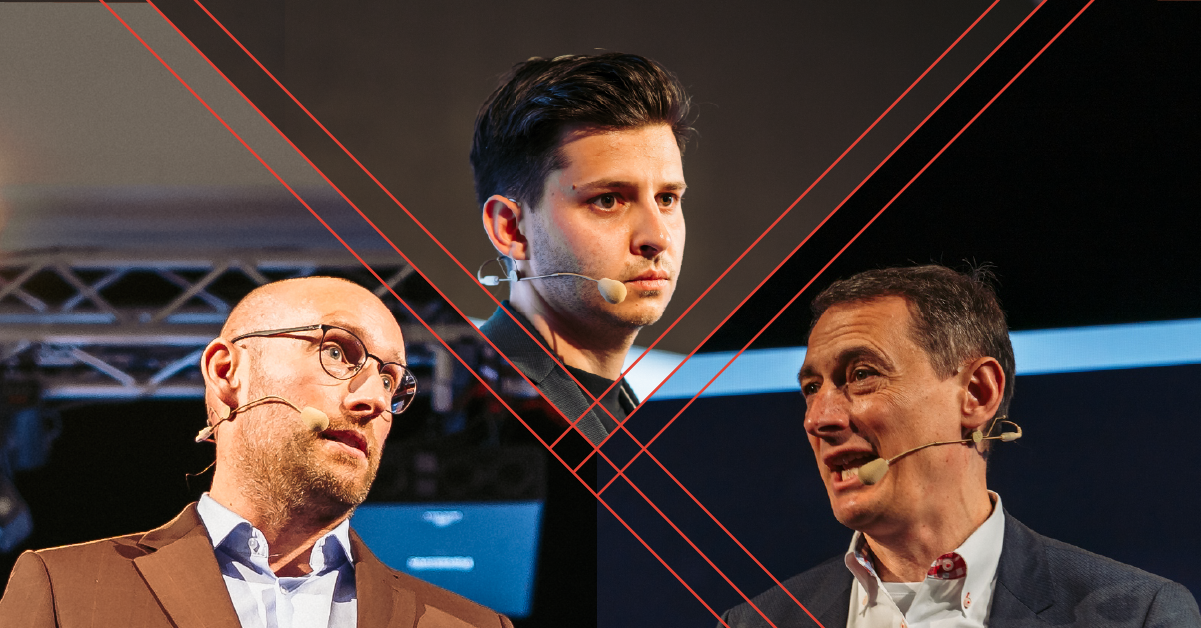
The Technology Trends That TAL 2021 Speakers Are Calling the Future of Automotive
Automotive is undergoing the biggest disruption in all the years of its existence. New technologies are coming to the fore, and if you cannot flexibly adapt, you’ll lose a lead that is very hard to earn back. What important trends are transforming logistics today in the eyes of the experts who spoke at Trends in Automotive Logistics 2021?

Switching to SaaS: a strategic change that saves CAPEX and OPEX
Security, scalability and cost optimisation – these are just a few of the cloud benefits that will surprise few people today. But what else does the cloud conceal? This year we’re expected to see an unbelievable 23% increase in cloud-services spending over 2020 – partly but not solely due to the need to secure remote workforces and optimise IT costs. That’s because the transition to SaaS services has unlocked an entirely new category of company-wide benefits for the strategic development of companies that use it.

Driving trucks from home, and UX as an engine for digitalisation: The most interesting quotes of TAL 2021
Seeking the right balance for automotive logistics – that was the main theme for this year’s Trends in Automotive Logistics conference, held in Pilsen on 21 September 2021. A total of fourteen speakers from throughout Europe came to share verified tips and experience gained from digitalisation projects. How do automotive logistics experts see the future? We’ve chosen the most inspiring statements from this year’s conference just for you.
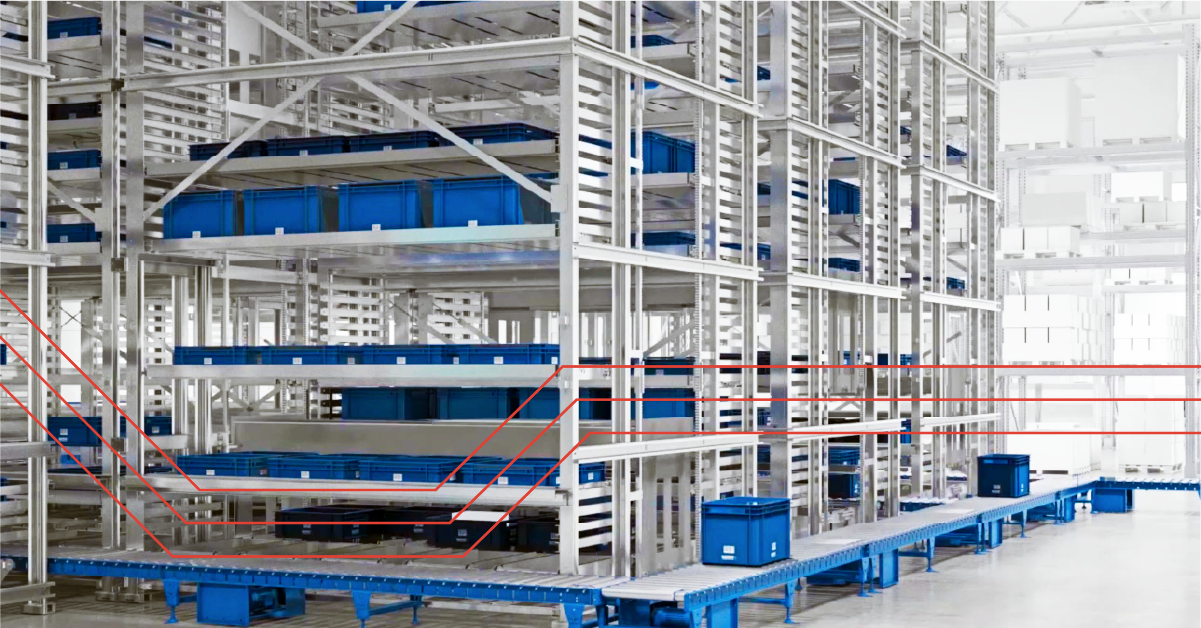
Automation in Logistics – From Hardware to Artificial Intelligence
Intralogistics and warehouse automation were once again among the main topics at this year’s TAL conference. And Czech technology start-up VertiFlex, which was one of the main partners for the entire event, focuses on precisely these areas. VertiFlex is active on eight markets in Central and Eastern Europe, to which it supplies automated vertical stackers for warehousing from Swedish manufacturer Weland Solutions boosted with its own VertiNode AI software, which makes use of the possibilities offered by artificial intelligence. In our interview with their managing partner Bohumil Tejnický, we spoke on the development of automation in intralogistics

Supply chain digitalisation and automation at RAPA
For more than 70 years, RAPA has been known as a specialist for solenoid valve technology, and in total this company has 100 years behind it. Today, hydraulic and pneumatic components and system solutions for the automotive industry as well as numerous customers in the healthcare and industrial sectors are produced under the RAPA brand. This company with roughly 1,000 employees cooperated with Aimtec to resolve a lack of know-how in integrations and to digitalise the supply chain. We talked about the details of this solution with Jan Stočes, Aimtec’s director of Cloud & Integration Solutions.
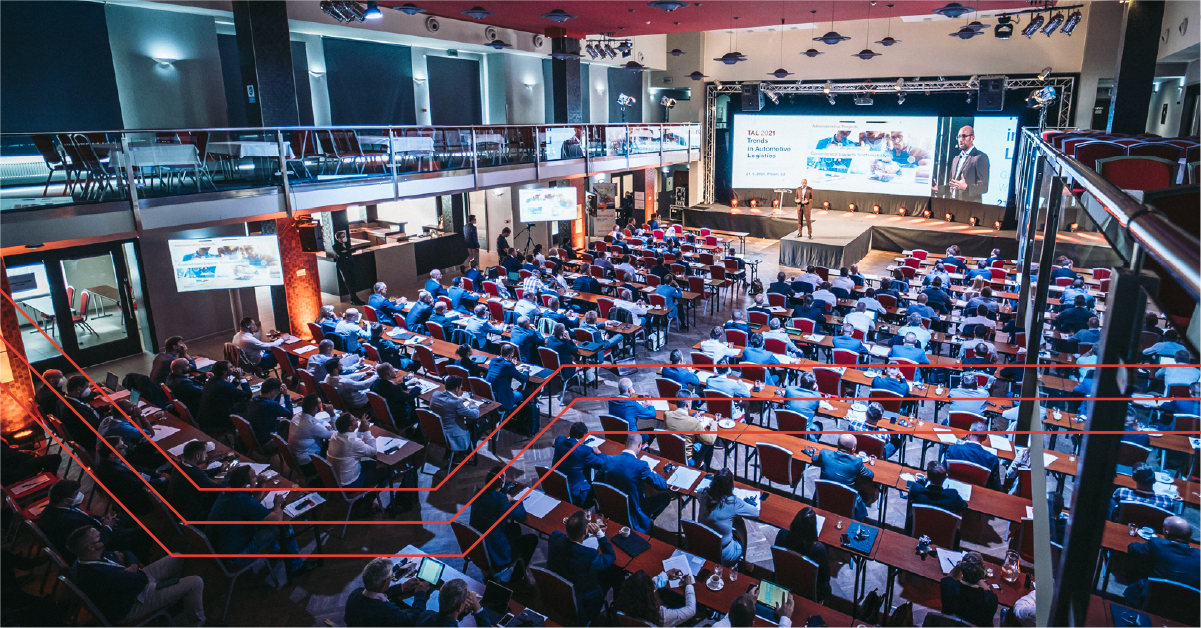
The TAL 2021 Conference: Logistics Digitalisation Must Come with Balance
Fourteen speakers from throughout Europe assembled in Pilsen on 21 September for the Trends in Automotive Logistics (TAL) conference, organised by Aimtec in cooperation with IHK Regensburg and DTIHK. The automotive logistics experts appearing on the conference stage included Marco Prüglmeier from i2market and Michael Schneider from idealworks. The topic of establishing the right balance regarding logistics digitalisation accompanied the entire programme. And the conclusion? Constant balancing, the seeking of new paths and evaluation of individual solutions’ pros and cons is, the speakers say, what is most likely to guarantee success for both small projects and cross-company transformations. TAL 2021’s participants found confirmations of this in the majority of the conference presentations.

Automotive should learn from e‑commerce. Through data and digitalisation.
If you want to succeed, learn from the best. That is why we’ve interviewed Ivan Marinec, with his rich portfolio of experience from operations and logistics management in automotive. Over 20 years in this field have given him a unique perspective on the current turbulent situation and more importantly on the trend of digitalisation in automotive manufacturing. We asked him for tips as well as lessons learned that have helped him to start his own company.
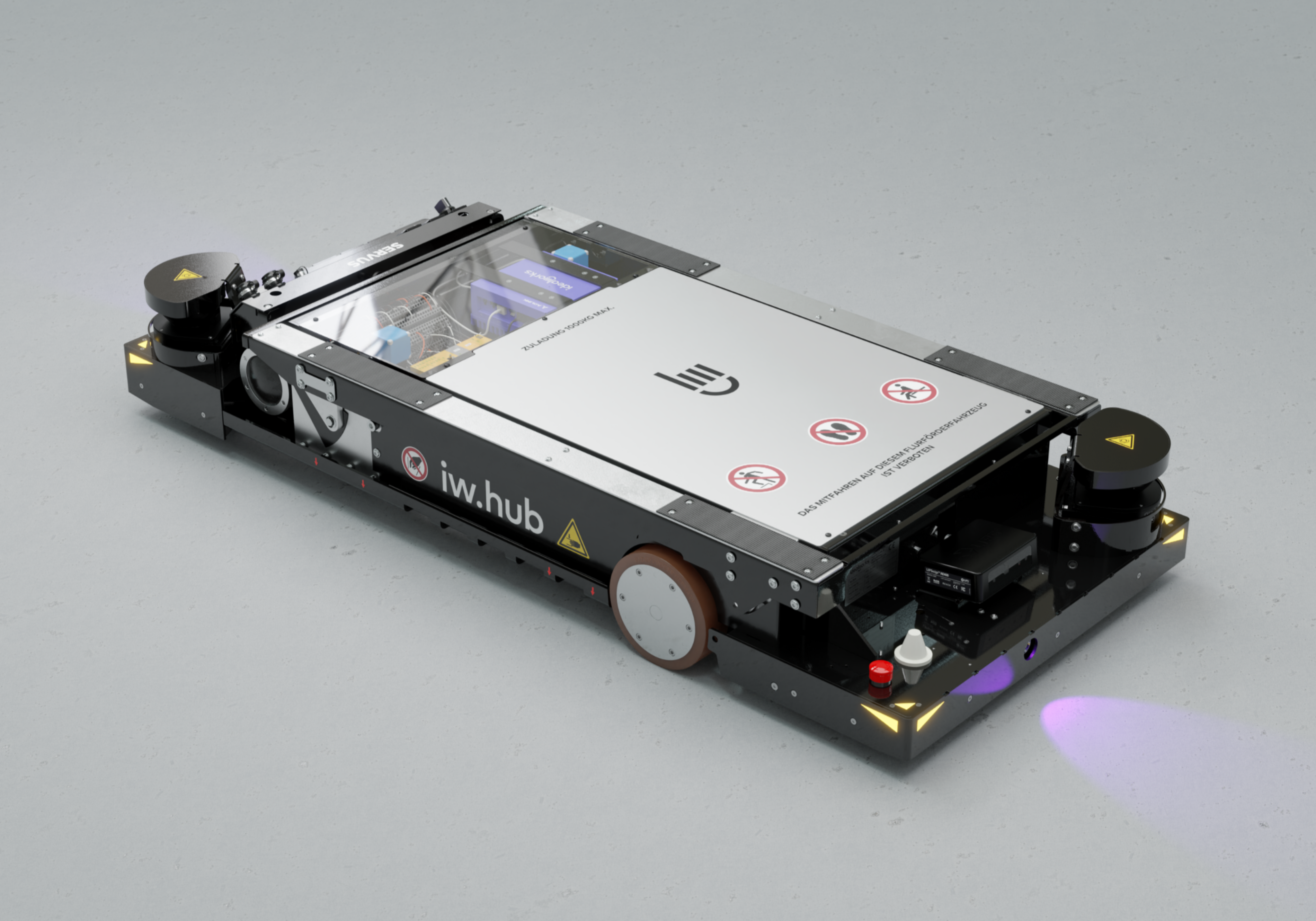
A digital‑first approach to logistics innovation by idealworks
When BMW’s new spinoff, the fully owned subsidiary idealworks, was founded in November last year, the message was fairly clear: This Munich startup – which is partnering with major players such as NVIDIA Corporation, ADLINK Technology, and SICK – is reimagining autonomous logistics and changing the way intelligent robots work. We spoke to idealworks’ CEO, Michael Schneider, about the startup’s first year of business, its goals for next year, and his presentation at TAL 2021.
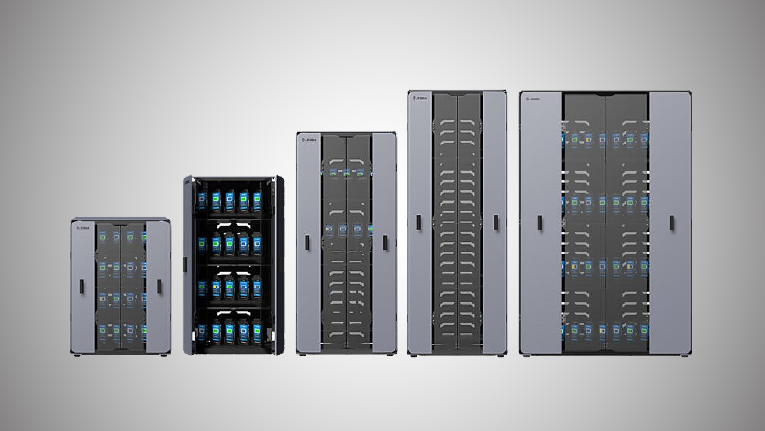
Zebra Intelligent Cabinets: A safe place for your mobile devices
In recent years, mobile terminals and printers, industrial tablets and more have become a part of modern warehouses and production lines. A single plant can have even hundreds of these items in its inventory. How do you handle and store these smart devices? Intelligent cabinets from Zebra Technologies create a central hub for your warehouse equipment, in which stored devices can be secured and monitored similarly to warehoused items.

Automotive for a New Age: Localised Manufacturing and Supply Chains Alongside New Business Models
For over a year now, the global economy has seen a trial by fire, and it is struggling with the impacts of anti-epidemic measures. In automotive, the pandemic has mercilessly revealed the vulnerability of global manufacturing and supply structures, and meanwhile this sector is seeing the greatest change in a century, with combustion engines gradually giving way to electric.

We learned while doing – and always valuing decency and good relationships
Aimtec is celebrating its 25th birthday. That’s why we couldn’t resist asking its co-founder Jaroslav Follprecht what has changed and what events most strongly shaped the company – but also how hard it is and has been to find work-life balance.
TAL 2021: The topic for automotive logistics in 2021 will be finding a balance
Audi, BMW Group, ŠKODA AUTO, ZF Friedrichshafen, Volkswagen, Eissmann Group Automotive – návštěvníci konference Trends in Automotive Logistics (TAL) už měli v minulosti možnost vyslechnout si zkušenosti, případové studie a inspiraci od těchto velkých hráčů v automotive a také od desítek jiných. Loni v únoru přilákal jubilejní 20. ročník do Plzně téměř 300 českých i zahraničních účastníků, kteří podle zpětné vazby odjížděli spokojeni. I v letošním roce chystáme inspiraci v podobě toho nejlepšího z logistiky v automotive. Posun na podzimní datum 21. 9. 2021 vidíme jako příležitost setkat se v Plzni znovu osobně a navázat tak na úspěšné předchozí ročníky. O tom, na co se letos můžete těšit, jsme si povídali s Romanem Žákem, předsedou představenstva Aimtecu.
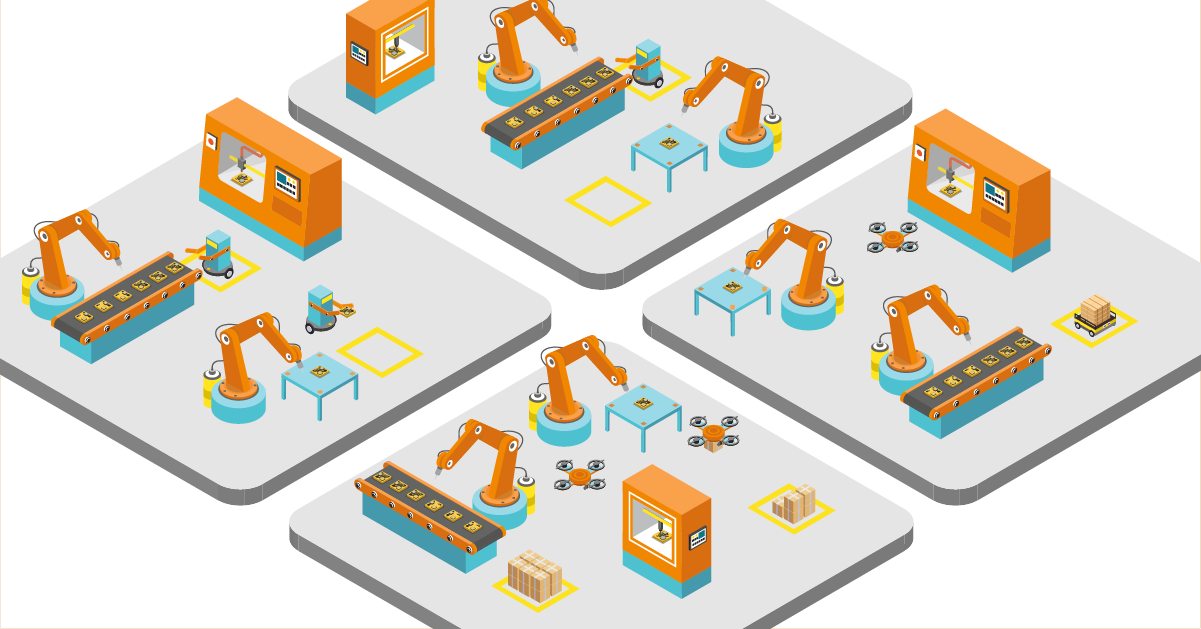
Local automotive manufacturing? Smart microfactories will make it possible.
Traditional production lines may soon be replaced by innovative microfactories consisting of manufacturing cells with flexible robotic stations. These can make do with a floor area that’s two orders of magnitude smaller and can be brought into operation considerably faster.

Expensive electromobility may endanger Europe’s OEMs
Even ten years from now, European OEMs will still spend more to produce each electric vehicle than they would for a compact automobile with an internal combustion engine. Pressure on companies’ profitability will continue to grow, and in time it can lead them to merge into larger units – and to share R&D costs as well. Will Europe’s automotive leaders fall into the red?

The warehouse automation market will see strong growth – powered by e‑commerce
The research company Statista is predicting a doubling of the warehouse market automation market by 2026. The volume of investments into automated warehouses, and thus into related technologies as well, is predicted to rise worldwide from its 2019 level of $15 billion up to $30 billion in 2026. This trend was already growing before the pandemic, but now companies that operate warehouses have been forced to shift automation away from “nice-to-have” priority up to “must-have”. If they want to remain relevant in this field, such a strategy change is a necessity. How high will this trend rise?