
Most recent articles

Klaus Straub: Key factors of digital transformation at TAL2023 Conference
Klaus Straub, Co-CEO of xelerate.tech and former CIO & SVP at BMW Group, shared insights at the TAL2023 conference organized by AIMTEC. He delivered an engaging lecture titled "Digital Transformation in a Changing World" and also discussed his experiences with Tereza Čechová, Communication specialist in Aimtec, in a video interview which we would like to share with you.
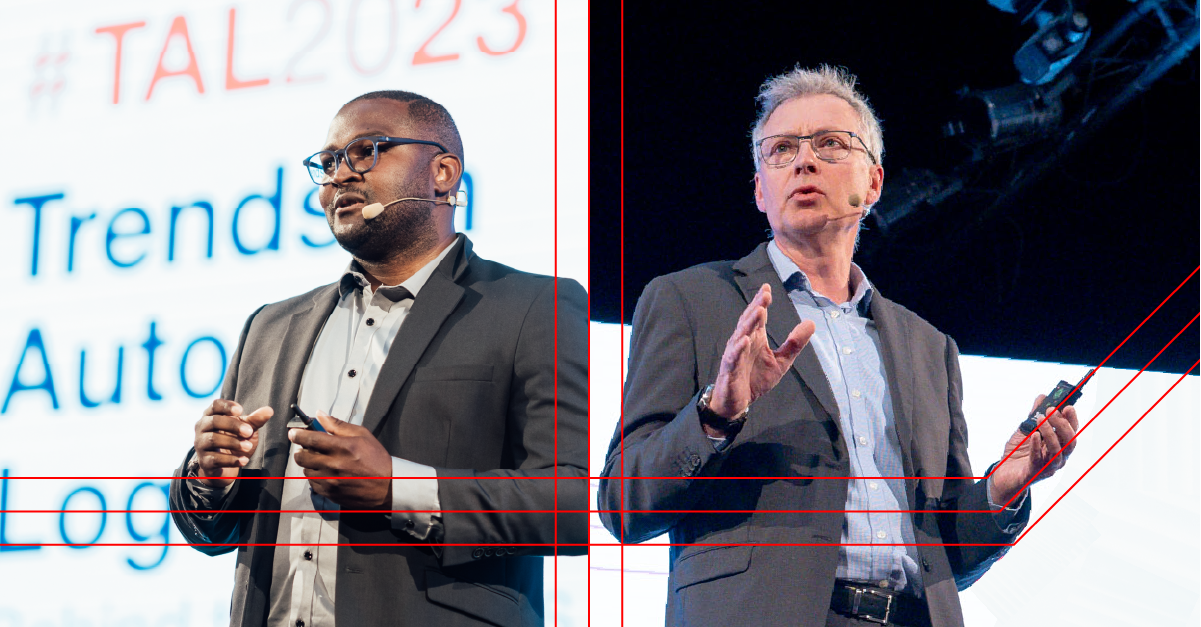
TAL 2023: What Safran's digital transformation looks like
The purpose of any change in company operation should be to improve, whether in terms of efficiency, cost or workflow. Ideally this is an upgrade that brings positive benefits in all areas. This may not be easy for large companies operating in different industries. At technology company Safran, they have done just that, relying on four key pillars of digital transformation, as explained by executives Frédéric Vétil and Bindioa Ouali at the TAL 2023 conference.
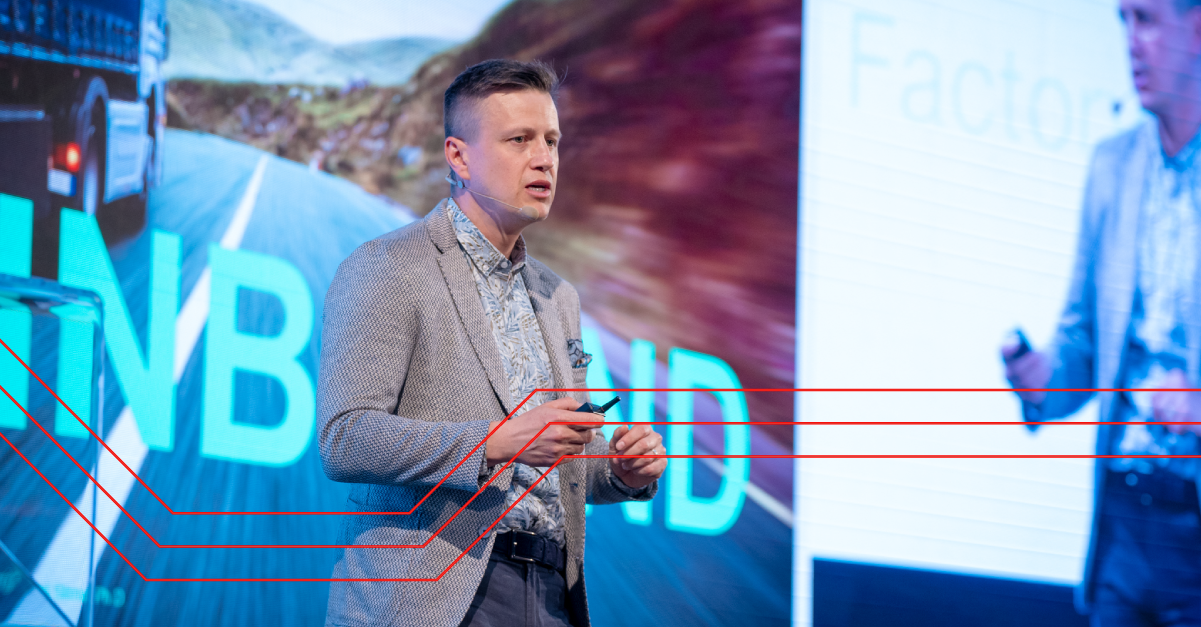
Behind the scenes: how new resilient logistics is being built at Skoda Auto
The demands on manufacturing logistics change over time, and this change has accelerated at an unprecedented rate in recent years with the accompanying phenomena of the Covid-19 pandemic. David Strnad, Head of Logistics at Škoda Auto, presented how these challenges are being dealt with and how they are preparing for the next ones in the largest domestic automotive company at the Trends in Automotive Logistics 2023 conference.
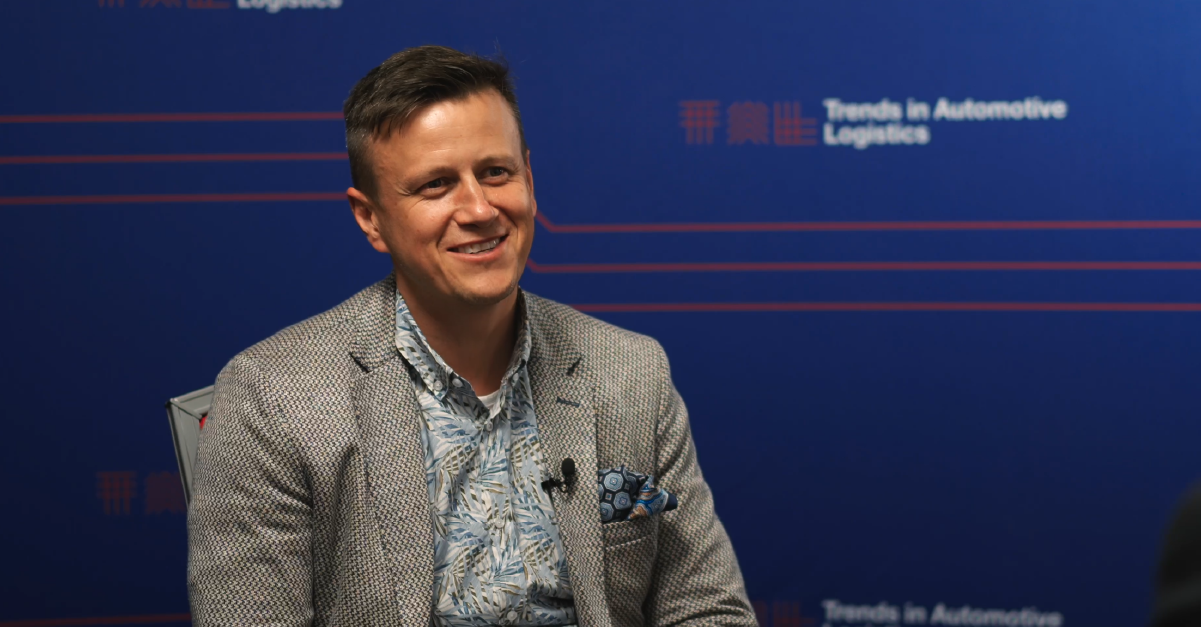
Resilience, prediction and risk monitoring form the key to modern logistics, says David Strnad
The automaker Škoda Auto is a major player in the world of logistics. Every day, 3,500 freight trucks arrive at his races. Managing everything from the perspective of warehouses and the entire system, and ensuring production and employment for 30,000 people, is a challenging task. Can an automaker turn logistics trends such as digitalisation and automation into a company reality? What’s the right way to face today’s challenges, and what does a successful project look like? David Strnad, Head of Brand Logistics at Škoda Auto, has shared his opinions in an interview with Aimtec’s Rostislav Schwob.
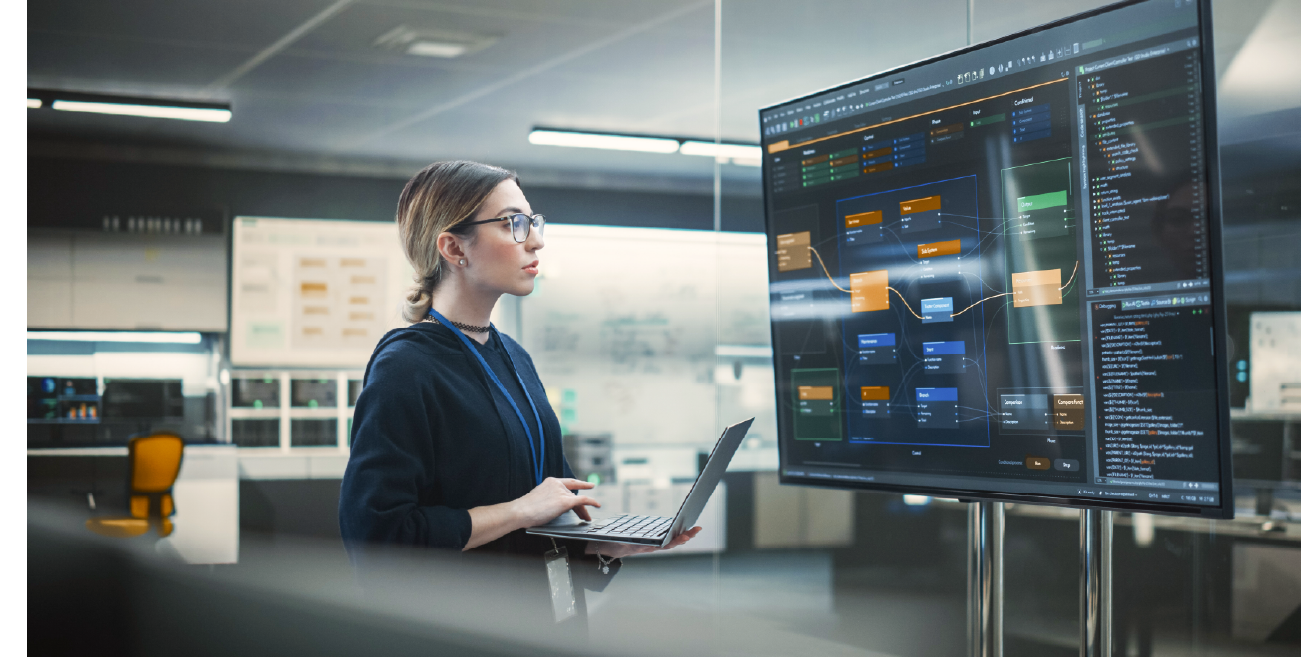
When EDI migration means a real upgrade
Few things inspire more dread in the imagination of IT department heads than EDI migration. Even for mid-sized companies, the EDI process catalogue contains a large number of items and gigabytes of data, so it's no wonder that managers put off the crucial decision to initiate such an operation on the fly. But in companies where they have made the commitment, moving from a legacy system to the new solution has provided strategic benefits, reflected in a rapid return on investment.

Disrupted supply chains and the future of the automotive industry with Robert Cameron
The global automotive industry has been grappling with unprecedented disruptions in supply chains, creating a complex and uncertain landscape. The burning questions on the minds of industry leaders and experts are how long it will take to restore stability and whether such stability can ever be fully achieved. Are there multiple approaches available to address the situation? Can lessons from other industries be applied to the automotive sector?
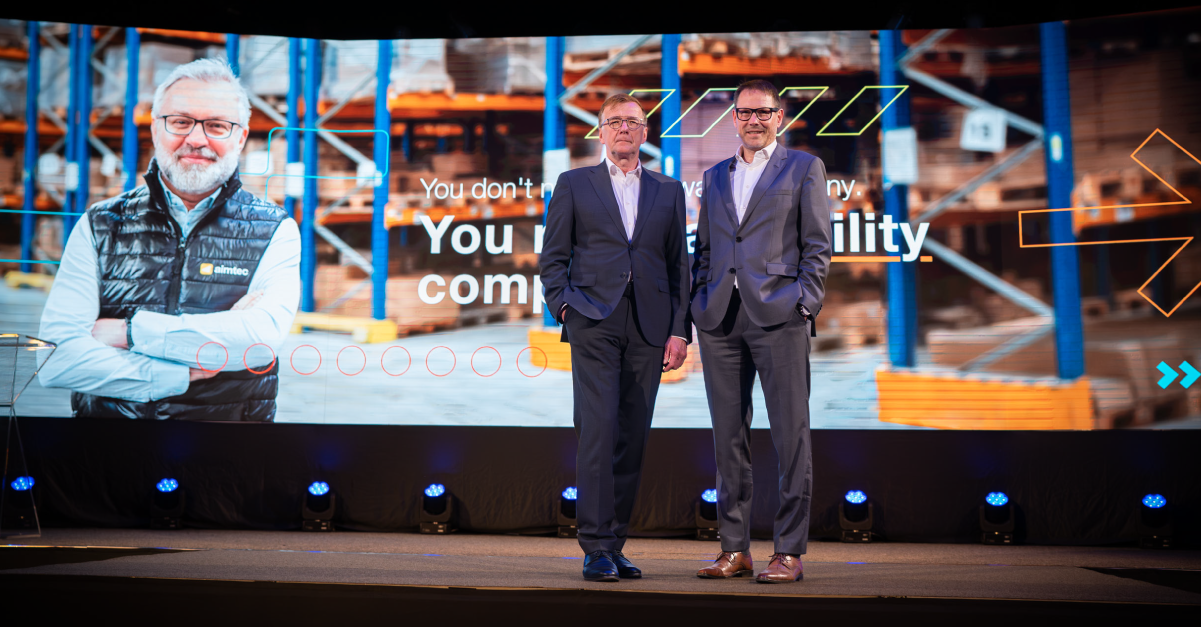
You don't need a software company. You need an ability company.
Which abilities are essential for the automotive industry in a time of unprecedented challenges? Why are people the key to digitalisation and why can't you get by with software alone in today's world? The following interview with Jaroslav Follprecht and Roman Žák, founders and owners of Aimtec, answers these and other questions.
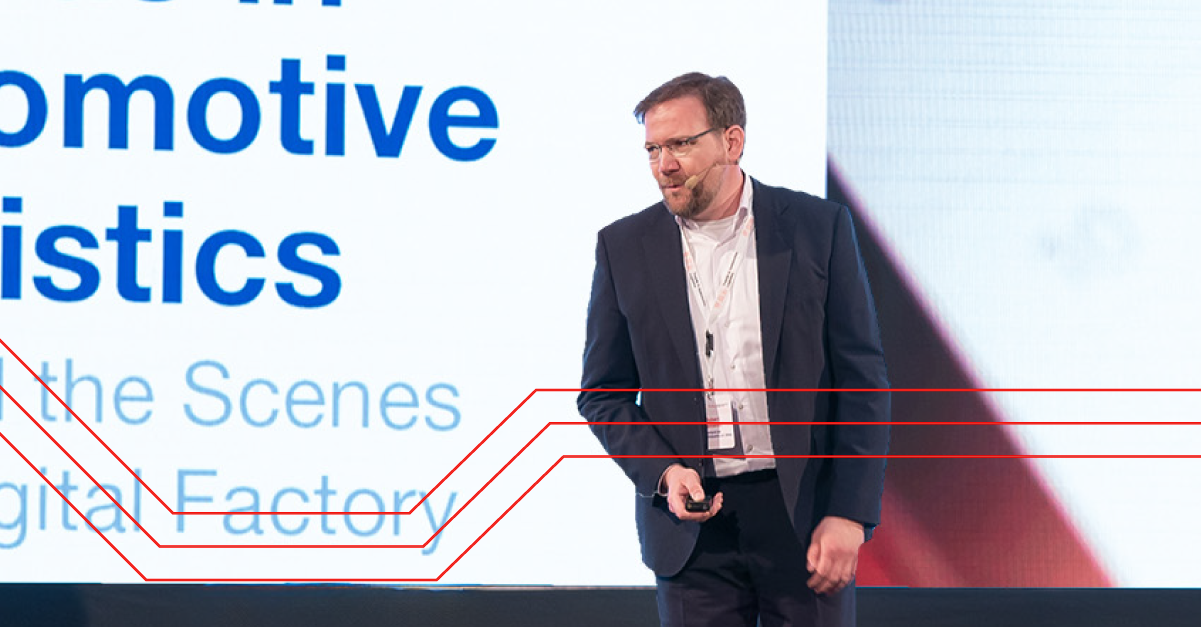
A Brave New World in Automotive Logistics: Robert Cameron's Presentation at TAL2023
Face-to-face with a changed reality in the automotive supply chain. Step into the future of automotive logistics with Robert Cameron, Head of Production, Logistics, and Aftermarket Department at the German Association of the Automotive Industry (VDA). As a renowned industry expert, Cameron brings over 20 years of experience to the forefront, including his vital role in standardizing processes for the European automotive supply chain.
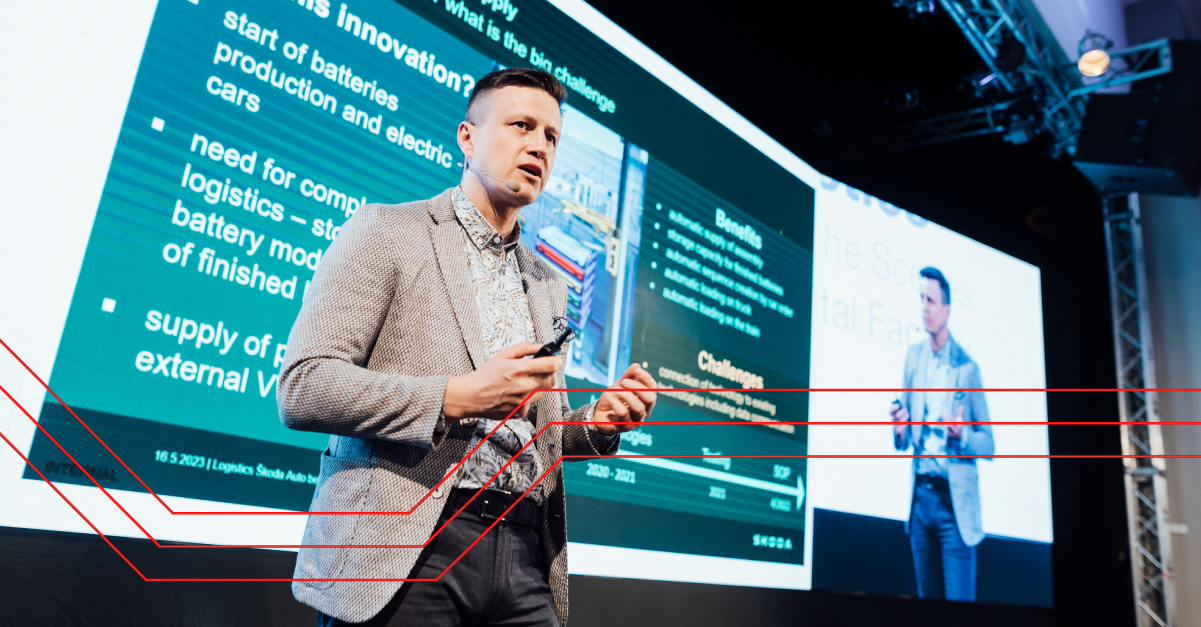
The most interesting quotes from Trends in Automotive Logistics (TAL 2023)
How should we connect AI with logistics? Will a green approach truly be a necessity? What path through digitalisation is being chosen by automotive leaders? At the Trends in Automotive conference, we all could hear a wealth of experience, tips, and declarations, which doubtlessly remained in the heads of more than a few of the nearly 400 participants. It’s no wonder, too, since this year’s theme was “Behind the Scenes at a Digital Factory”. Read our selection of the most interesting words on the digital transformation and automation – and change management and green logistics too.
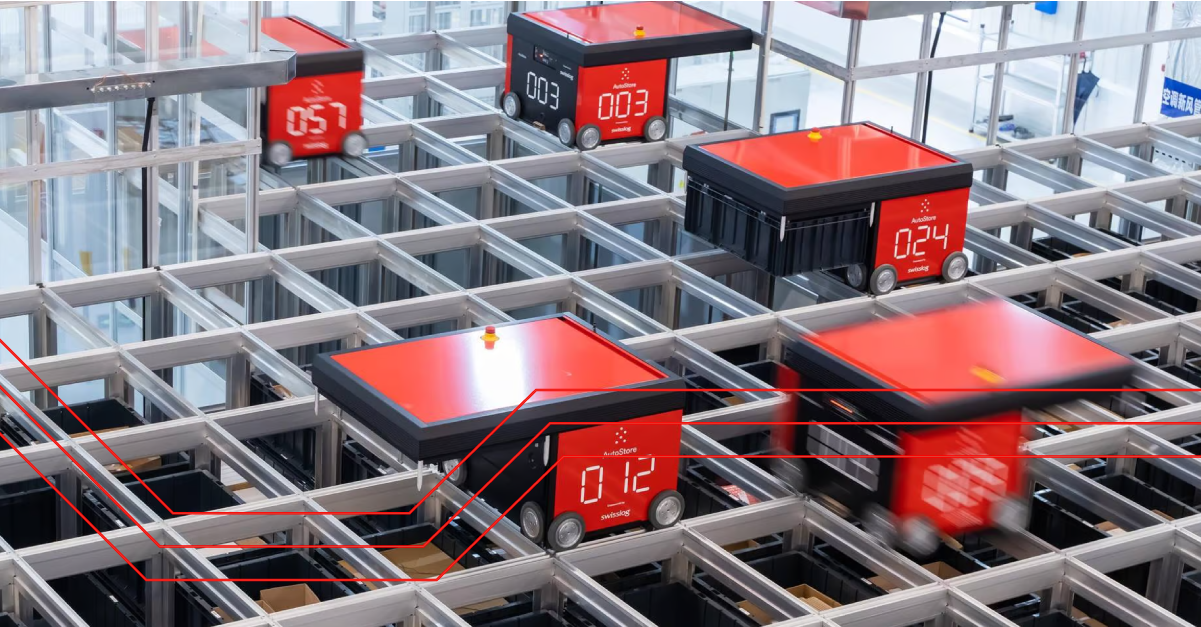
Warehouse automation has become the key to competitive advantage
Swisslog, one of our main partners at the Trends in Automotive Logistics (TAL) 2023 Conference, is a leading provider of automation solutions for warehouses and distribution centers. In today's fast-paced business landscape, speed of fulfillment has become a critical factor for success. Customers expect goods to be available and delivered quickly, and businesses that cannot meet these demands risk losing customers to their competitors. In this article, Swisslog share their insights into the importance of flexible automation in today's fast-changing logistics landscape.
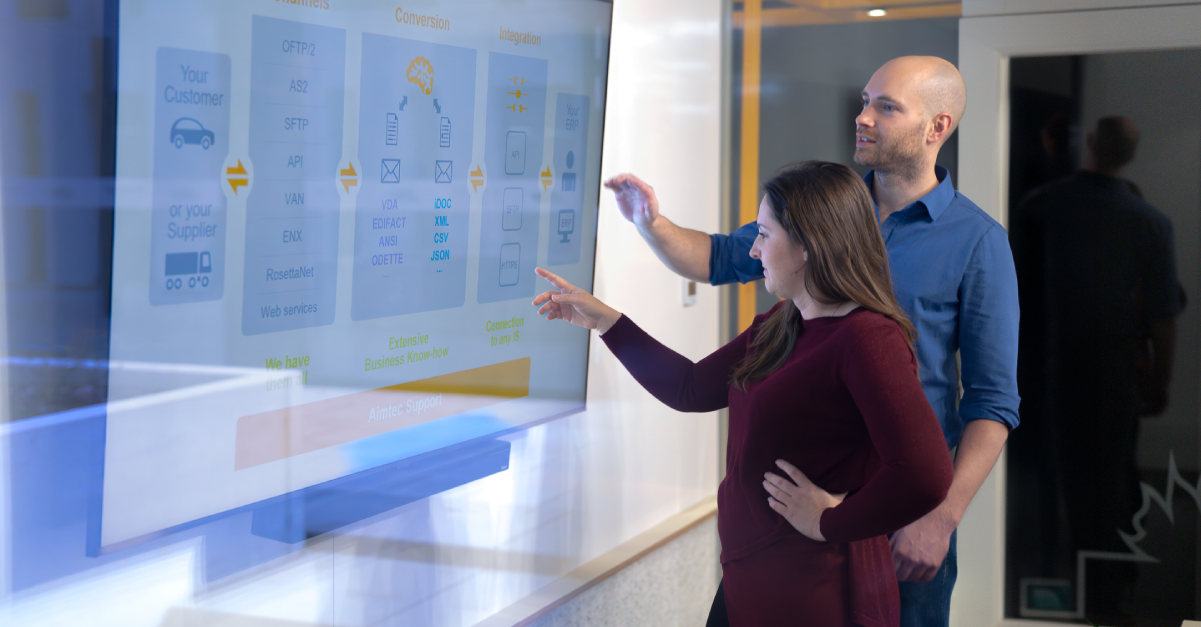
EDI ‑ A Communication Standard in the Automotive Industry
There is currently no alternative for the exchange of information between suppliers and their customers in the automotive industry. EDI (Electronic Data Interchange) has become an industry standard over the past decades and has outgrown its original purpose. Those who want to succeed in the automotive segment cannot do so without solutions and tools designed for this type of communication. In the following lines, we will outline where EDI can be used, introduce the terminology and show what types of messages, communication protocols and communication standards are used in EDI.

Hunger for change and the need for a strong team ‑ what do our TAL speakers emphasize when building a career?
The Trends in Automotive Logistics conference (TAL) is not just about technology and projects - it's about people and sharing experiences. So we asked the speakers what had given them the biggest boost in their professional career, what was most important to them. The question for all involved was: What do you consider the most important thing you have learned during your career?
The Logistics Tribe: Digital Tools and Transformation in The Automotive Industry and Logistics with Roman Žák
Aimtec has been an innovator in digital transformation since 1996. In a recent episode of The Logistics Tribe, Boris Felgendreher, Host of Business and Logistics Podcasts, sat down with the company’s co-founder and Chairman of the Board at Aimtec, Roman Žák, to discuss Aimtec‘s unique approach and how is Aimtec addressing the challenges faced by their clients in the automotive sector.
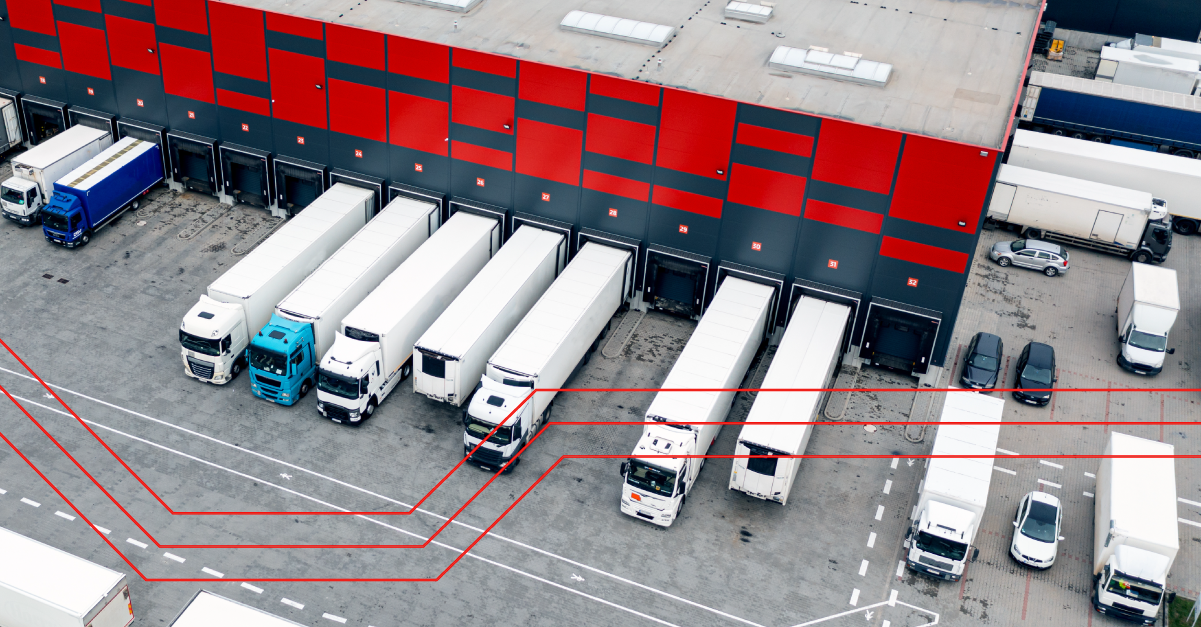
Transformation of the automotive industry and the labour market favour automation, say speakers at the upcoming TAL 2023
Important figures in the field of automotive logistics are heading to Pilsen again. They will present their views and experiences at the Trends in Automotive Logistics (TAL) conference on 16 May 2023.
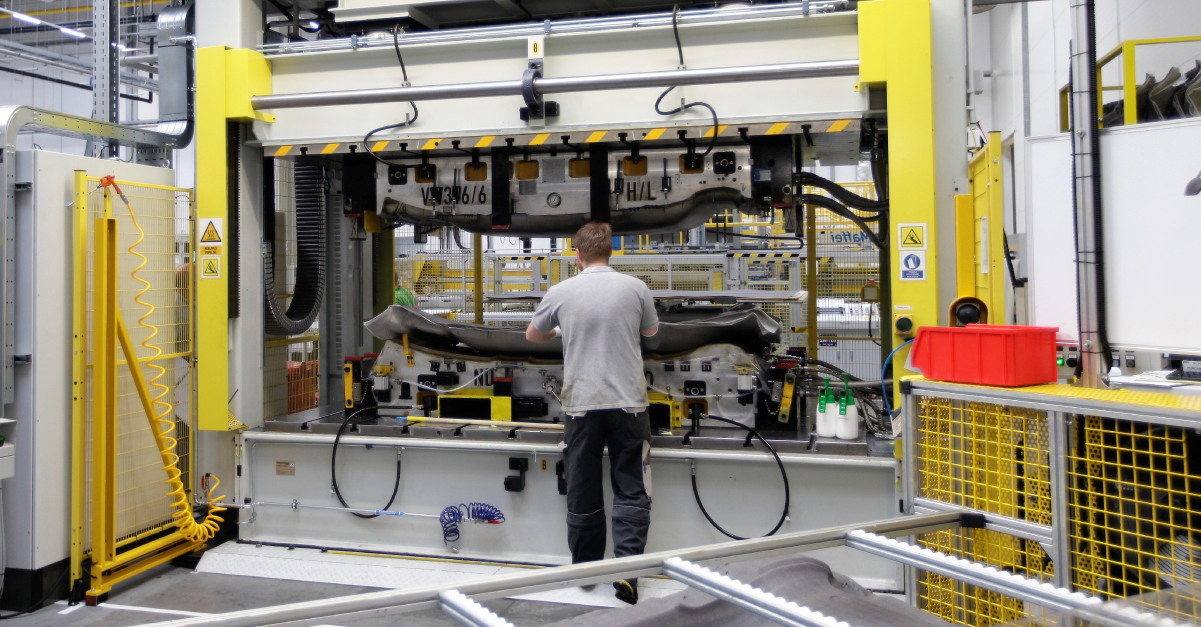
Five tips for successfully digitalising a plastics production line
Plastics manufacturing is a knotty problem for digitalisation – but it can be untangled successfully. A typical production hall is furnished with variously old presses from a variety of manufacturers. Each one has a different communication standard, e.g. OPC DA, OPC UA or Euromap 73 or 77. How can you collect operator and machine data in this complicated environment human-free? Can you stay constantly informed and in charge of every event? Take inspiration from the story of this company that presses plastics for the leading automakers and gain a guide on how to implement projects successfully.