
Digital Factory
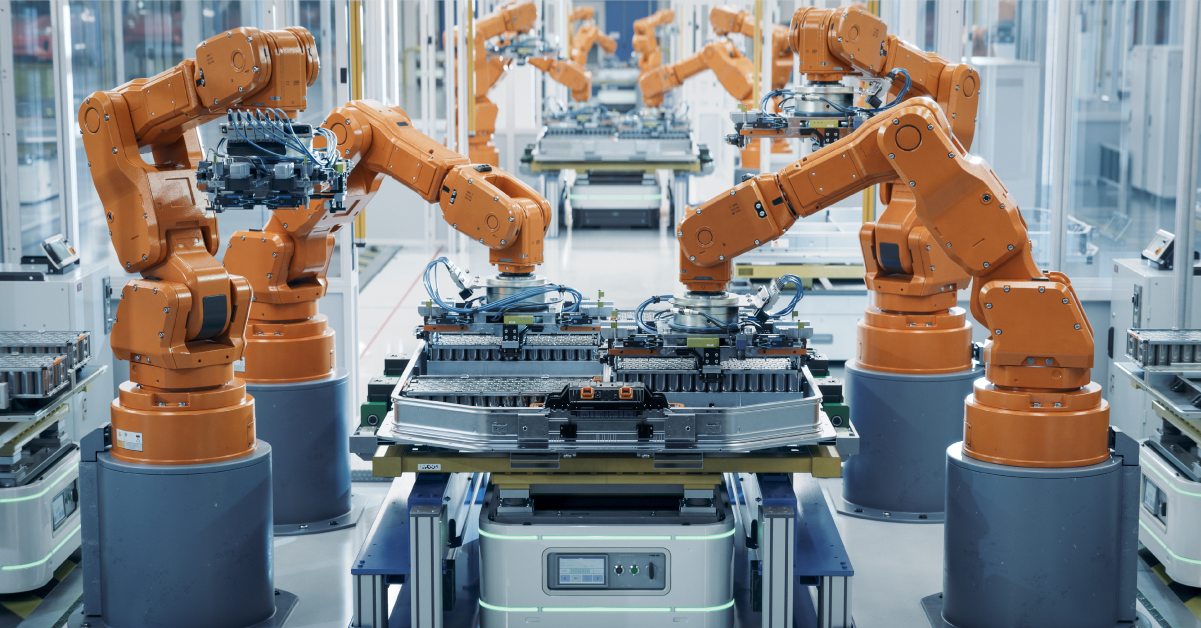
Digital Factory: From Data to Real‑Time Control
Digitalisation opens the door to greater efficiency – but only when it can connect people, processes and technologies. That’s why instead of building isolated solutions, we build a comprehensive ecosystem enabling a smooth, secure and resilient flow of data among individual suppliers, recipients and customers. Our vision for the Digital Factory works with five interconnected layers that jointly form the backbone of true digitalisation..

Taking the Nightmares out of IT System Integration
When you have many fragmented information systems and applications, work slows down and costs rise across your company. Why are integrations so tough, and can we learn from yesterday’s mistakes? Can you connect diverse systems quickly and securely without a need for complex programming? And how do you ensure your integrations are both functional and reliable, running outage-free 24 hours a day, while staying easy to maintain and scale? Modern integration platforms have the answers. They let you interconnect systems without stress and unnecessary expenses.

An Interview with Martin Kraus: “Simulations Help Us Be Confident We’re Making Good Decisions”
Making decisions about production or logistics changes is always risky. Every step – changing a layout, adding a shift or investing in automation – can transform the whole system’s performance. How can you evade mistakes and decide with confidence? We chatted about all this with Martin Kraus, a simulation specialist at Aimtec.

Stress‑Free System Integration: How to Connect Everything Without Losing Control
Systems that don’t talk to each other, hours of extra work due to integration errors, endless log scanning, or everyone’s nightmare — production downtime. Fortunately, these now belong to bad dreams rather than the reality of a modern digital factory. So how do you build a system integration that works reliably, predictably — and most importantly — without worries?
6 IT Trends Worth Watching – Insights from Aimtec Experts
The digital world is developing swiftly, and so is the way in which firms are innovating. The cloud is bringing flexibility, artificial intelligence is speeding up decision-making and cybersecurity is more important than ever. We carefully test new technologies and select the ones that have long-term potential and are ready for industrial use. We bring you our experts’ insight into which trends truly change the rules of the game – and how to take hold of them so that they’re truly useful.
AI Data Extraction Unchained: Automation That Will Finally Ease Your Work
All those thousands of partners, customers and suppliers… Thanks to EDI, they’re now conveniently integrated into your ERP system, but you still get quite a few PDFs over email whose data you must copy by hand. Extraction of data from documents such as invoices, orders and delivery notes is among the foundational processes for a functioning business. Yet paradoxically, you’ll often encounter a wealth of mistakes caused by the diversity of business document formats or bad data transcription. The existing methods for automated data extraction are demanding to develop, and they have to be adapted to every change to a PDF document’s layout. Meanwhile, this area is ideal for integrating artificial intelligence, which will quickly eliminate all these troubles. Just how much can it accomplish?
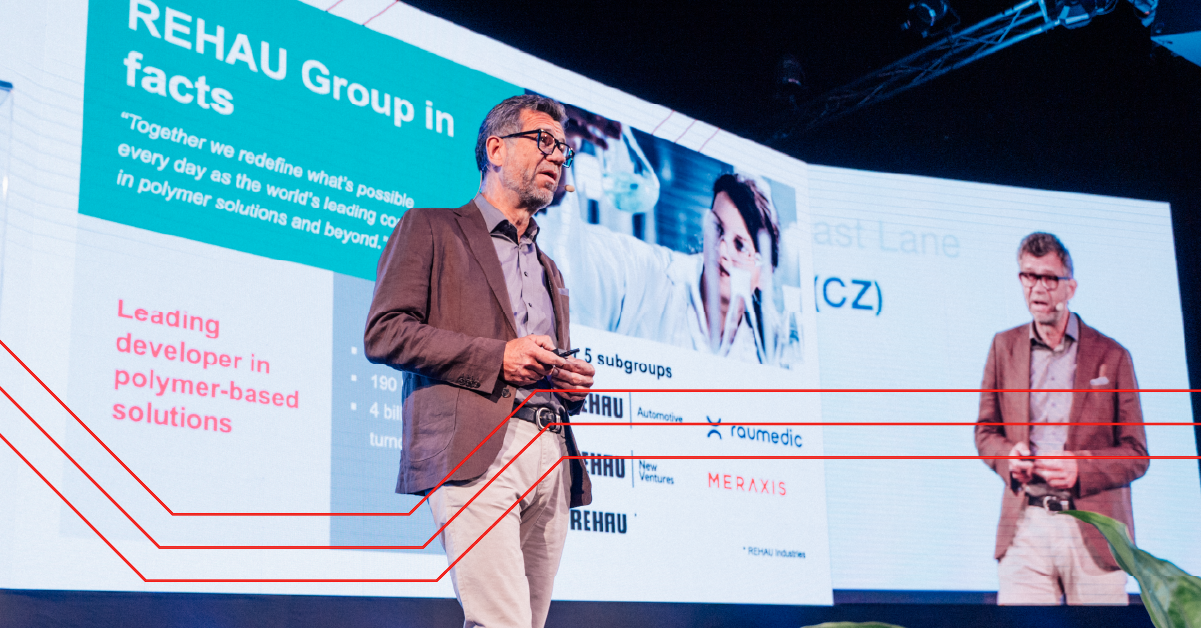
Change Management at REHAU Automotive: Digital Transformation in Practice
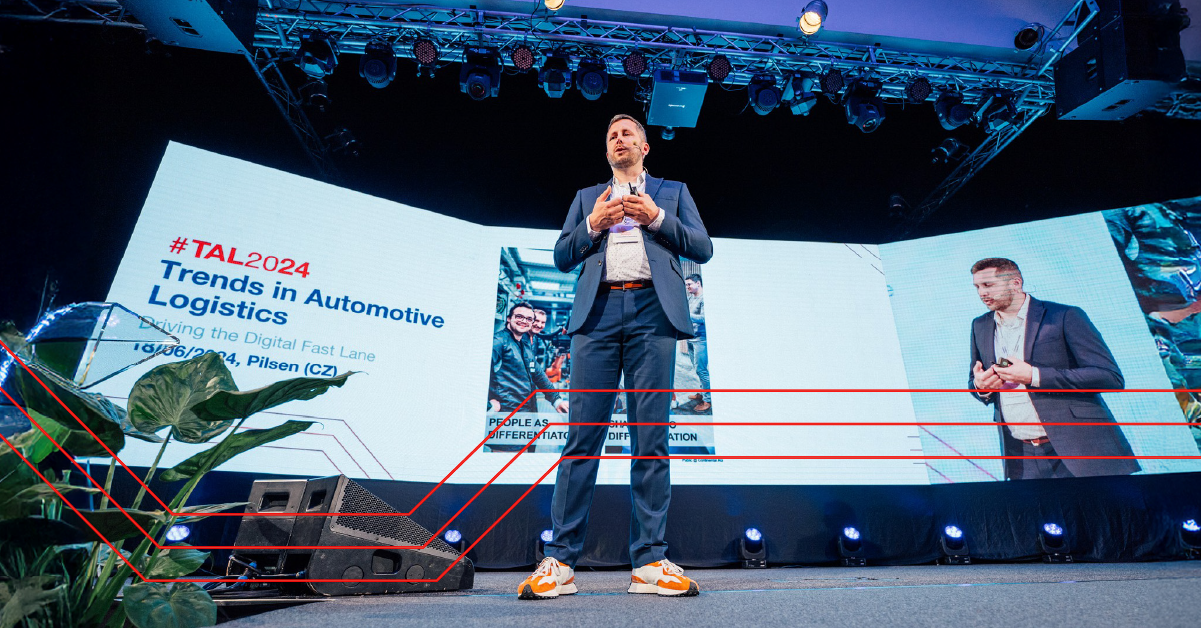
What’s the most effective way to develop a company’s business? Michael Colberg, Chief Operations Officer at REHAU Automotive, has a clear-cut reply: Digitalisation. He presented his viewpoint in a presentation at the Trends in Automotive Logistics (TAL) 2024 conference, where he called above all for a pragmatic approach to the entire topic. According to Colberg, digitalisation is really not rocket science. “Don’t be afraid – just dive right in!” says this manager with three decades of experience in automotive.
What visions and news did this autumn’s Aimtec DCIx User Group meeting bring?
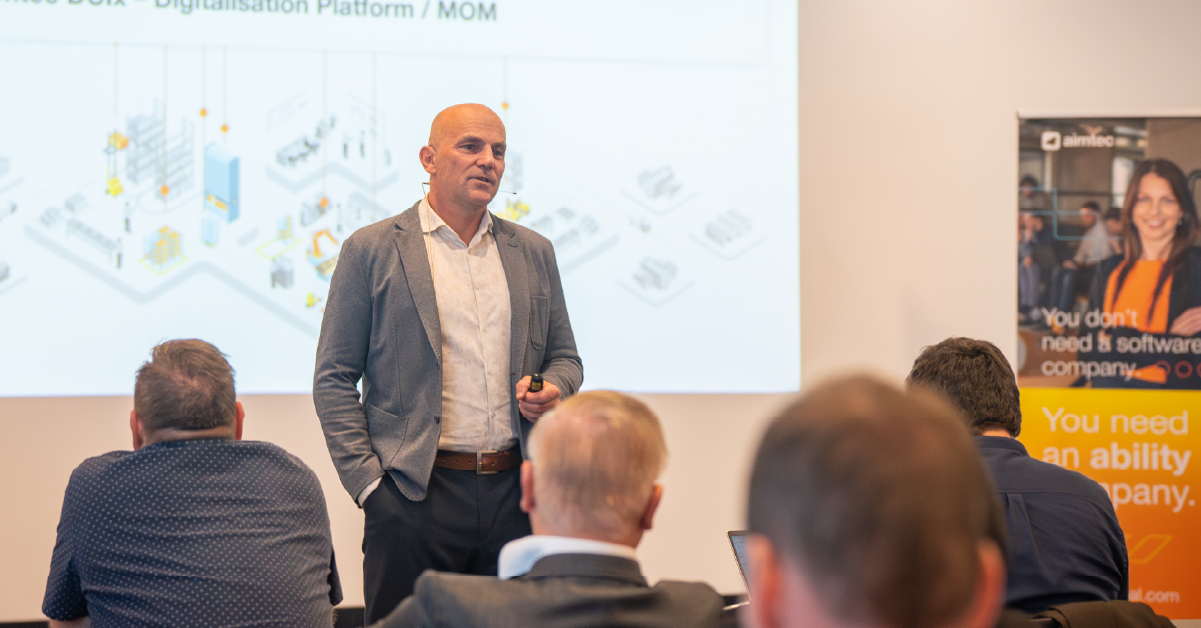
The regular meeting in Pilsen for users of Aimtec’s DCIx solution took place at the end of October. Participants learned Aimtec’s visions in logistics and manufacturing, the latest features the system has to offer, what plans are in store for future versions and more. Case studies from two companies, DŘEVO TRUST and DENSO MANUFACTURING CZECH, were on the agenda as well. Participants also showed great interest in the morning workshops on current topics, such as logistics automation and the application of AI, comprehensively interconnected and managed manufacturing, and enterprise digitalisation. Couldn’t make it to the meeting and missed the latest news, or want to go back over some of the presentations? Watch the videos from the main afternoon segment.

BI reporting brings full data automation, says Futaba Czech’s Radek Slanař
Futaba Czech manufactures steel components for cars. Its Czech plant in Havlíčkův Brod was built to serve as Futaba’s sole location in continental Europe – a role it still retains today. It is also highly valued from this Japanese industrial group’s standpoint because it strives for constant progress in operational management, which oversees logistics, manufacturing, maintenance and more. To achieve defined KPIs and provide precise and timely KPI reporting to its parent company, the plant recently switched to reporting its indicators with the help of BI. What fuelled the plant’s decision, what will the new tool bring it and what are its further visions? We spoke on all this and more with Radek Slanař, this Czech enterprise’s plant manager.

E‑invoicing in B2B: How to Get Ready for Mandatory Digitalisation
A new mandatory requirement is taking effect in Germany in 2025: companies must accept digital invoices. Also, from 2027 they will have to both receive and send them digitally. Other countries will also have to comply with similar legislative requirements by then. The European Union directive involved is part of a broader trend of digitalisation of public and company processes throughout Europe with the goal of making business more transparent and efficient. For companies doing business with German partners, this change is a key milestone for which they will have to prepare thoroughly.

An interview with Otakar Horák: Data as the foundation for successful digitalisation
Data was the star player at this year’s Trends in Automotive Logistics conference. It’s no wonder, because high-quality clean data is essential for making the most of the potential new technologies, digitalisation and automation can offer. We spoke with Otakar Horák about how to use these to the fullest. He deals with data, and work with data, every day as the head of a division specialising in advanced planning systems.
Rostislav Schwob: The Latest Aimtec DCIx Version Makes Connected Manufacturing and AI/ML a Reality
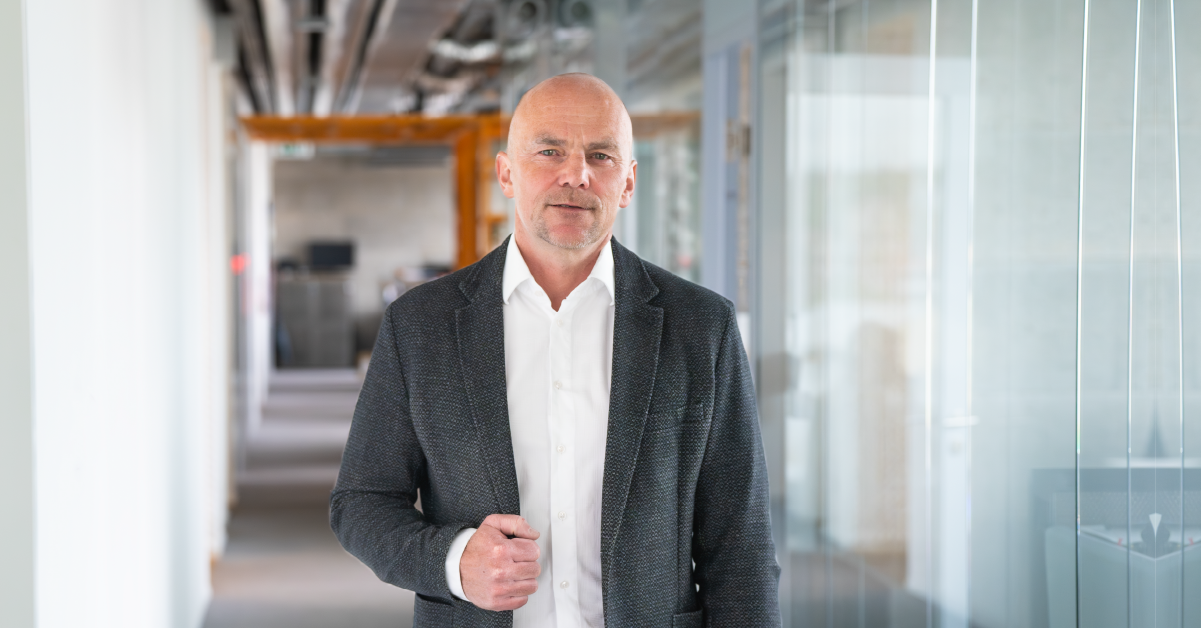
The world around us is constantly accelerating and globalising. That means growing competition, and companies are pushed into ever greater and more frequent changes. New technologies are rushing at them from all sides. It seems like just about everything can be automated now, and everything can control itself with help from digitalisation and artificial intelligence. How can the Aimtec DCIx digitalisation platform help companies with this? And what will our October seminar for customers be showing them? We came with these questions to the person best placed to answer them: Aimtec’s Supply Chain Solutions Director Rostislav Schwob.
“People and data are worth their weight in gold.” The best quotes from the Trends in Automotive Logistics Conference 2024
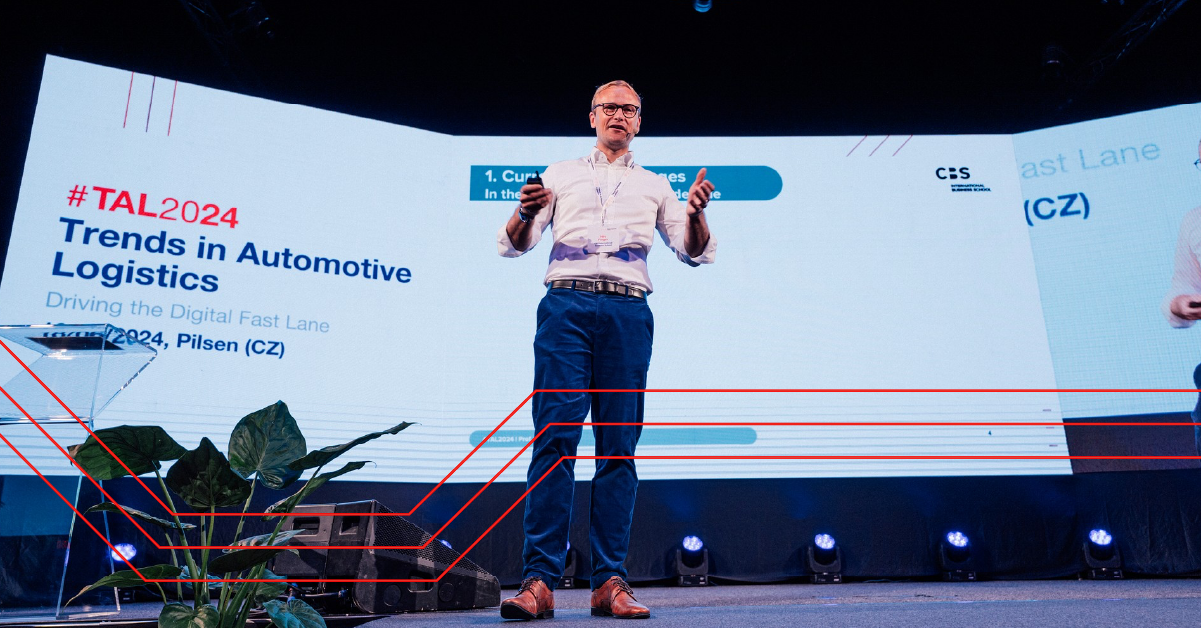
People, data and sustainability: these are the topics that resounded at the Trends in Automotive Logistics Conference 2024, subtitled Driving the Digital Fast Lane. How can you drive safely in digitalisation’s fast lane while still transforming quickly enough? Nearly 400 experts in logistics, manufacturing and IT from the European automotive sector came to the conference to explore this question. Ten inspiring speakers rotated on the stage throughout the day. What were the most interesting quotes at this conference? Read our picks below.

What does it mean to be a key OEM supplier?
New car models are coming onto the market every day. And each new model is accompanied by a number of variants that we as customers can choose from. The effects are obvious. The number of Just in Sequence (JIS) suppliers – those delivering parts in sequence straight to the assembly lines of automotive manufacturers (OEMs) – is on the rise. “In sequence” means that products come prepared in the same sequence as will be used for assembly on the line. Why is this done, and what does a supplier need to do to satisfy customers in the tough automotive environment while also keeping full control over the fulfilment of the contracts?

Klaus Straub: Key factors of digital transformation at TAL2023 Conference
Klaus Straub, Co-CEO of xelerate.tech and former CIO & SVP at BMW Group, shared insights at the TAL2023 conference organized by AIMTEC. He delivered an engaging lecture titled "Digital Transformation in a Changing World" and also discussed his experiences with Tereza Čechová, Communication specialist in Aimtec, in a video interview which we would like to share with you.
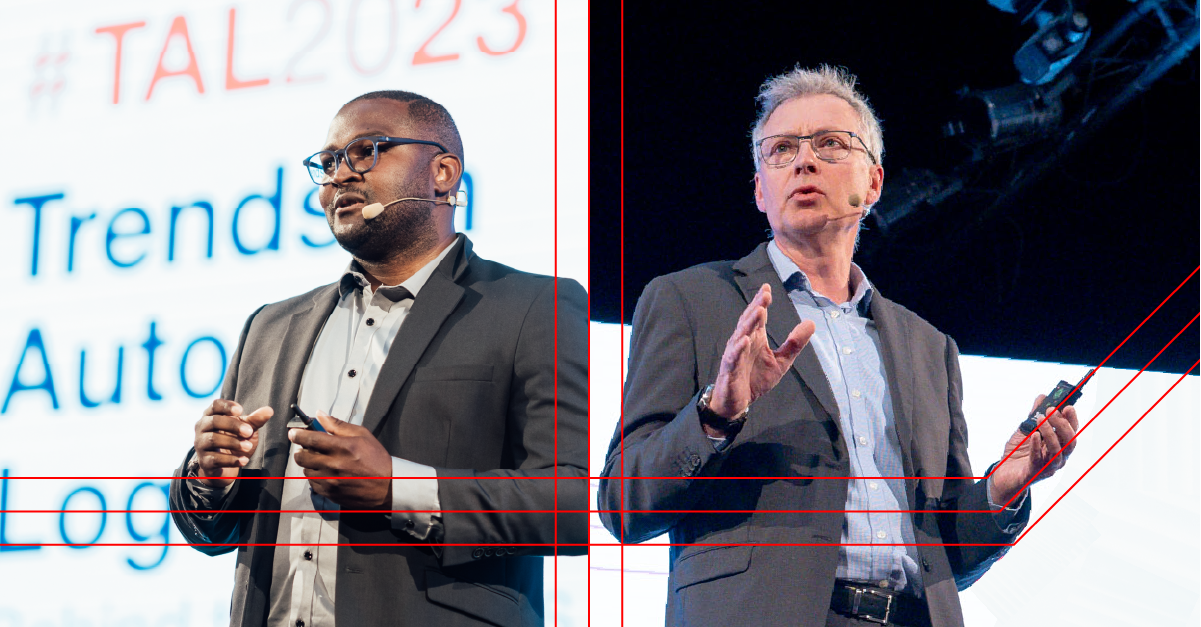
TAL 2023: What Safran's digital transformation looks like
The purpose of any change in company operation should be to improve, whether in terms of efficiency, cost or workflow. Ideally this is an upgrade that brings positive benefits in all areas. This may not be easy for large companies operating in different industries. At technology company Safran, they have done just that, relying on four key pillars of digital transformation, as explained by executives Frédéric Vétil and Bindioa Ouali at the TAL 2023 conference.
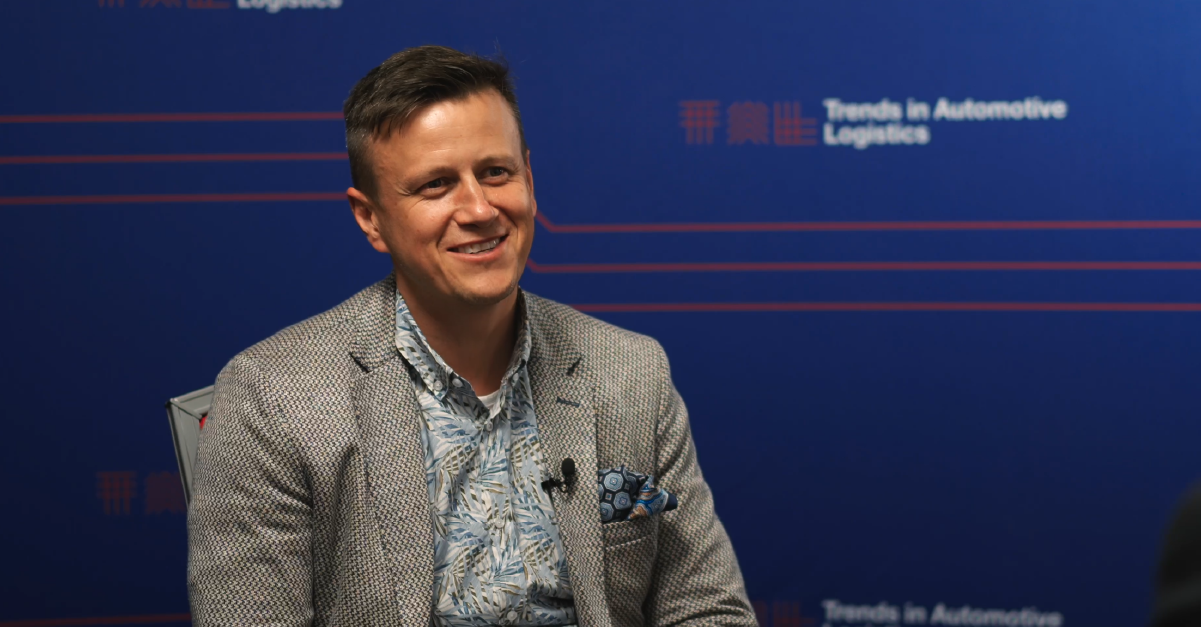
Resilience, prediction and risk monitoring form the key to modern logistics, says David Strnad
The automaker Škoda Auto is a major player in the world of logistics. Every day, 3,500 freight trucks arrive at his races. Managing everything from the perspective of warehouses and the entire system, and ensuring production and employment for 30,000 people, is a challenging task. Can an automaker turn logistics trends such as digitalisation and automation into a company reality? What’s the right way to face today’s challenges, and what does a successful project look like? David Strnad, Head of Brand Logistics at Škoda Auto, has shared his opinions in an interview with Aimtec’s Rostislav Schwob.
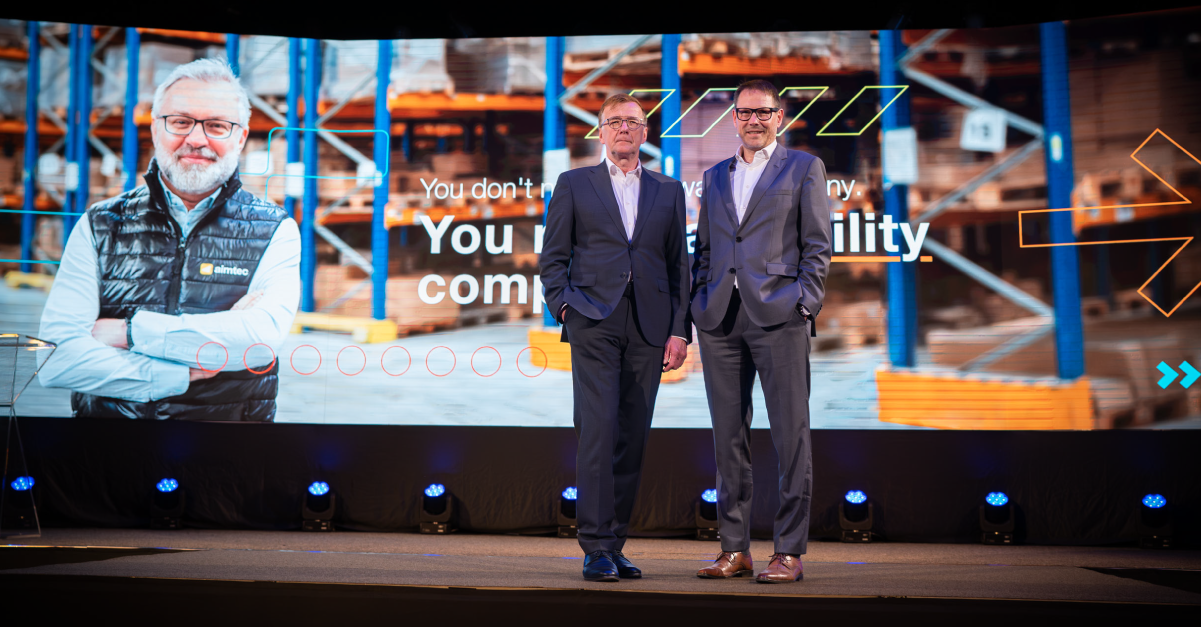
You don't need a software company. You need an ability company.
Which abilities are essential for the automotive industry in a time of unprecedented challenges? Why are people the key to digitalisation and why can't you get by with software alone in today's world? The following interview with Jaroslav Follprecht and Roman Žák, founders and owners of Aimtec, answers these and other questions.
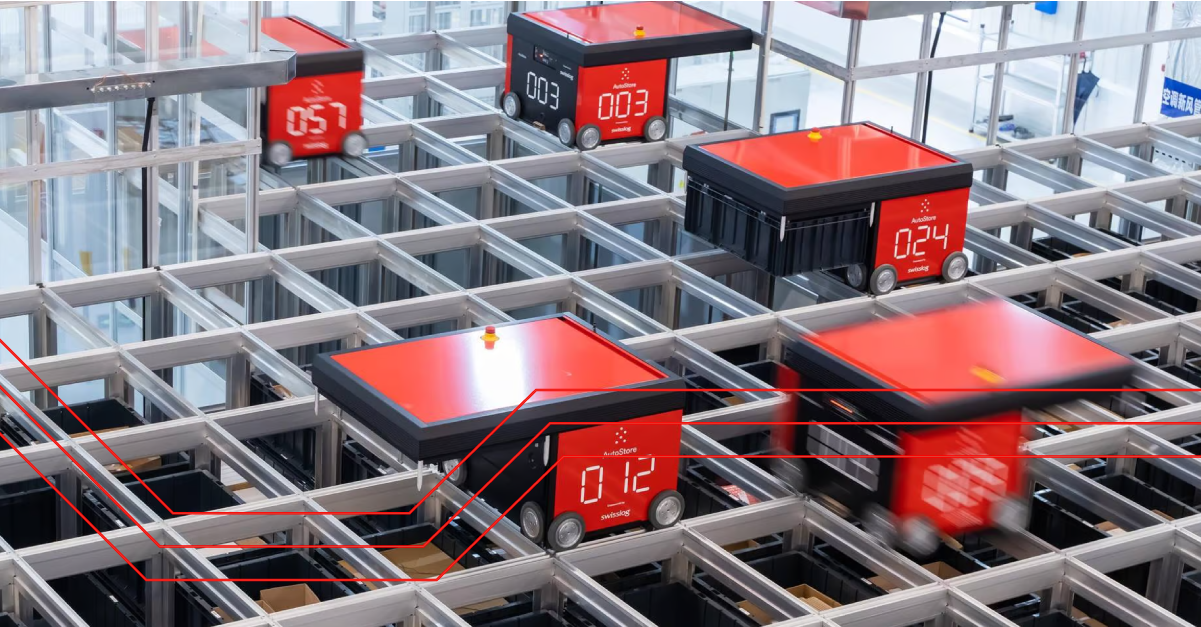
Warehouse automation has become the key to competitive advantage
Swisslog, one of our main partners at the Trends in Automotive Logistics (TAL) 2023 Conference, is a leading provider of automation solutions for warehouses and distribution centers. In today's fast-paced business landscape, speed of fulfillment has become a critical factor for success. Customers expect goods to be available and delivered quickly, and businesses that cannot meet these demands risk losing customers to their competitors. In this article, Swisslog share their insights into the importance of flexible automation in today's fast-changing logistics landscape.
The Logistics Tribe: Digital Tools and Transformation in The Automotive Industry and Logistics with Roman Žák
Aimtec has been an innovator in digital transformation since 1996. In a recent episode of The Logistics Tribe, Boris Felgendreher, Host of Business and Logistics Podcasts, sat down with the company’s co-founder and Chairman of the Board at Aimtec, Roman Žák, to discuss Aimtec‘s unique approach and how is Aimtec addressing the challenges faced by their clients in the automotive sector.
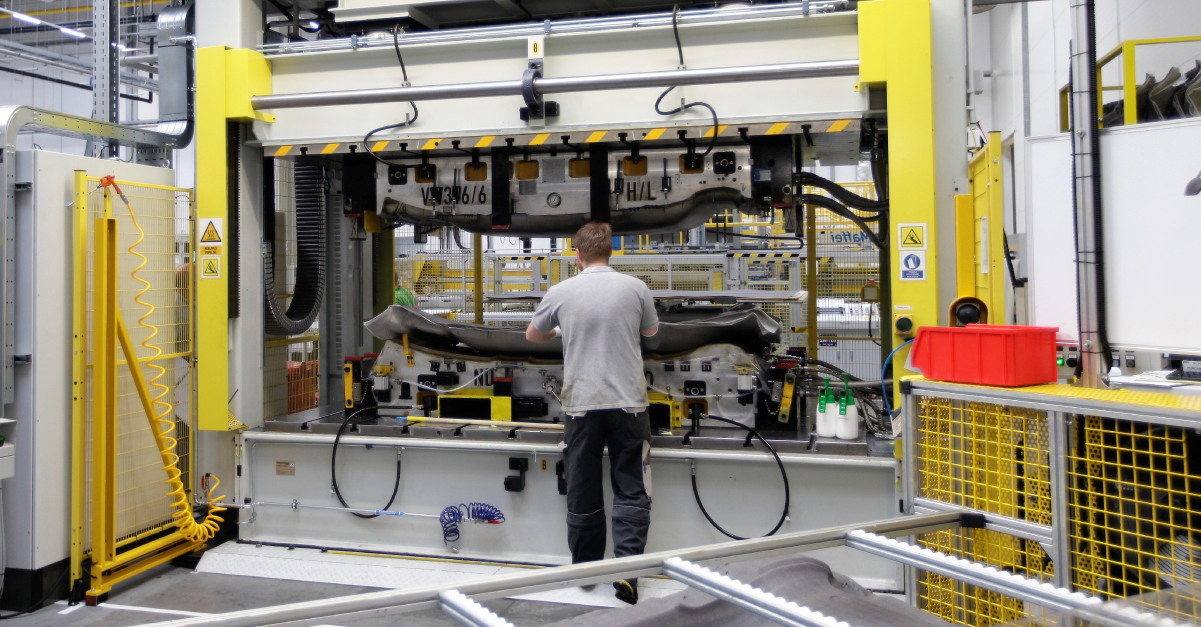
Five tips for successfully digitalising a plastics production line
Plastics manufacturing is a knotty problem for digitalisation – but it can be untangled successfully. A typical production hall is furnished with variously old presses from a variety of manufacturers. Each one has a different communication standard, e.g. OPC DA, OPC UA or Euromap 73 or 77. How can you collect operator and machine data in this complicated environment human-free? Can you stay constantly informed and in charge of every event? Take inspiration from the story of this company that presses plastics for the leading automakers and gain a guide on how to implement projects successfully.
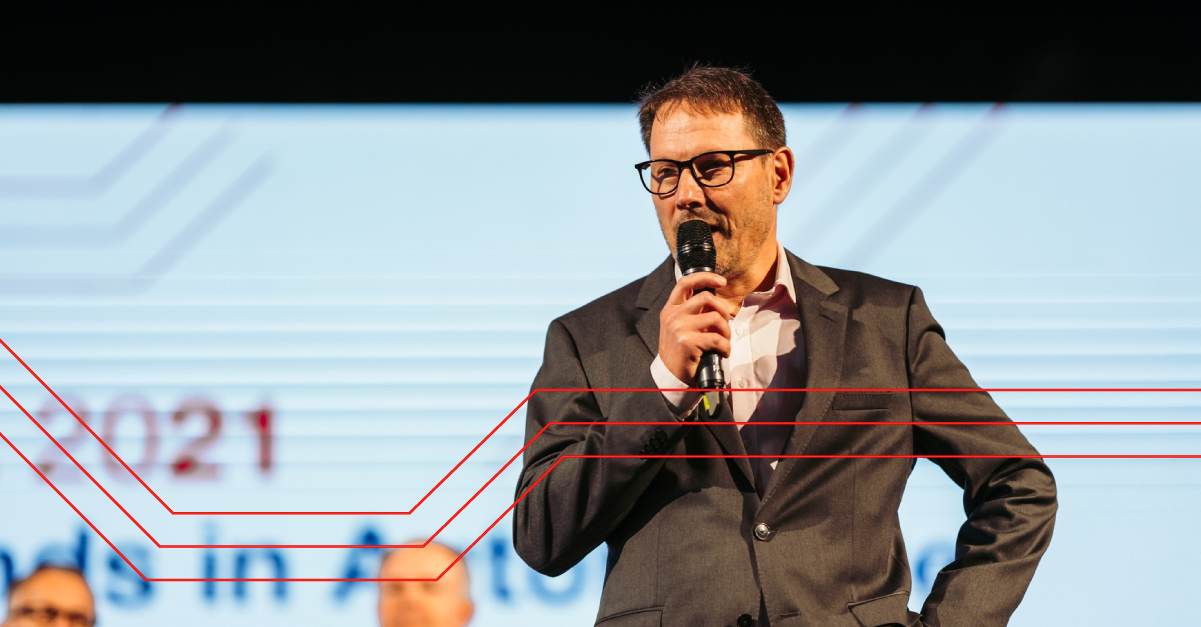
The Trends in Automotive Logistics Conference 2023: Take a Backstage Look at the Digital Factory
Despite all the current crises, digitalisation is running full steam – for manufacturing firms, the digital transformation is not just a possibility, but rather a necessity if they are to remain competitive. Anyone asleep at the wheel today may face a severe handicap in five to ten years, says Aimtec’s co-founder and supervisory board chairman Roman Žák. He also extends a cordial invitation to this year’s TAL conference, dedicated to digitalisation and other trends in automotive logistics.
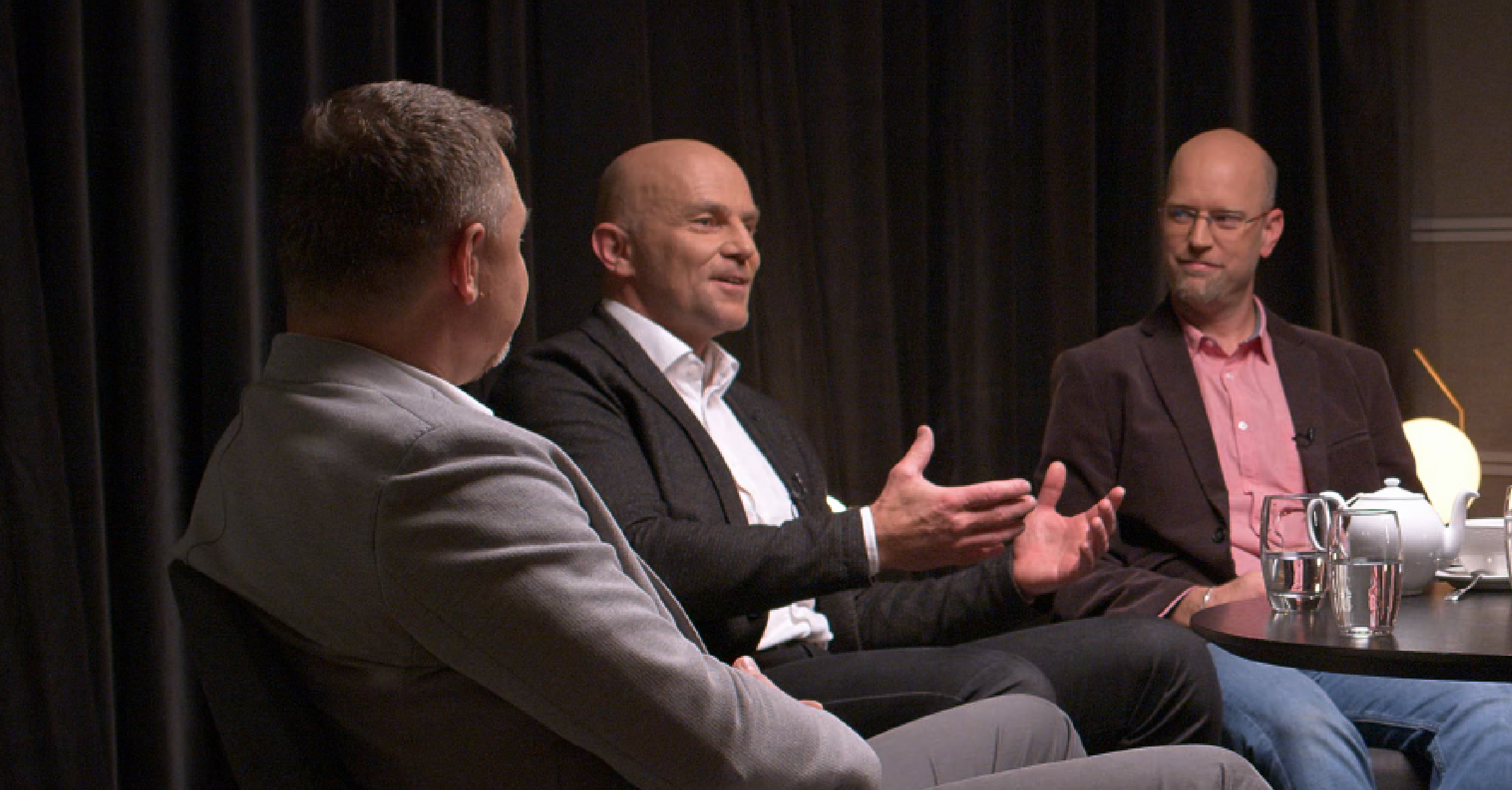
Automation: only a scalable concept will ensure companies a place in the market in ten years' time
Automation has been penetrating logistics for many years. Automation technologies often include a barcode scanner, a device that is several decades old. It is therefore not surprising that the intentions and expectations associated with automation have evolved over time. These and other topics were discussed by Jindřich Kadeřávek, Managing Director and executive officer at Element Logic, Libor Mihalka, Managing Director at LogTech, David Strnad, Head of Logistics at ŠKODA AUTO, Jan Linhart, Senior Project Manager at Alza.cz and Rostislav Schwob, Supply Chain Solutions Director at Aimtec.

Automation diminishes flexibility. Aimtec’s Rostislav Schwob explains how to restore it.
A full 95% of the firms approached in the Trends in Czech Logistics 2022 study stated that they plan to automate and acquire more modern machinery within five years. Meanwhile, new technologies, sensors and approaches to managing large datasets are being developed constantly. New orders often bring changes to the processes and conditions inside a company. Many interconnections are formed in the midst of all this, which necessitates changing and developing a firm’s overall control logic. How should you approach these demands? Is it even possible to connect it all, manage it digitally from one place and have a single, functional digital world? We asked Rostislav Schwob, Supply Chain Solutions Director at Aimtec.
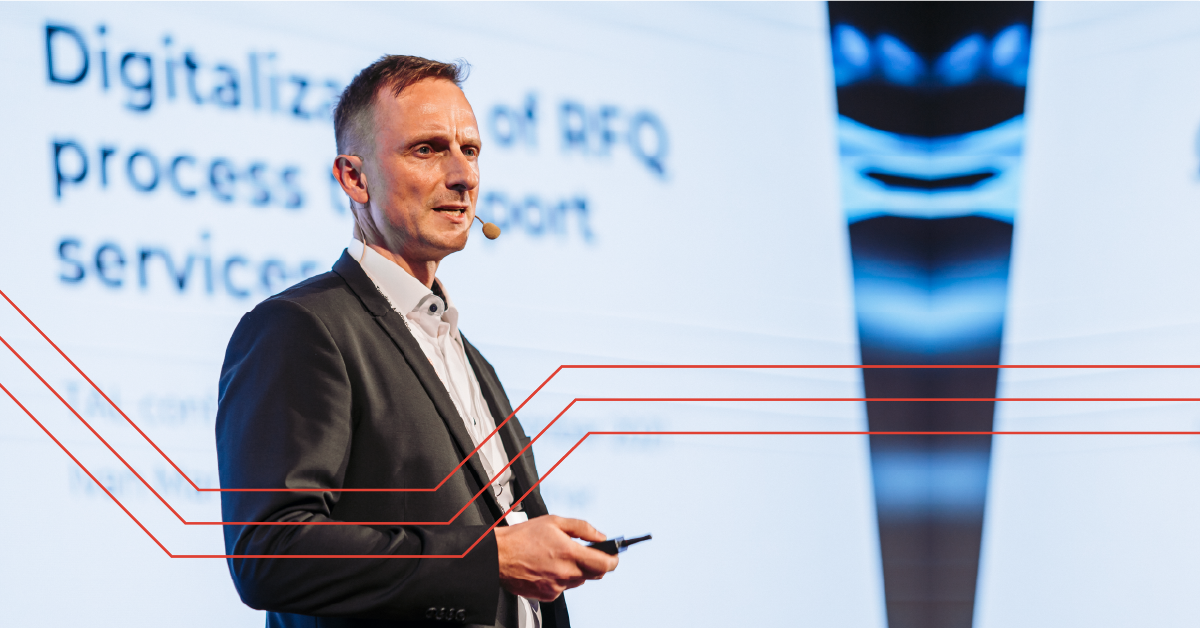
Digital tools will prevent deadheading and save tens of percent in transport costs
The cost of transporting goods is one of the most expensive items on a company's books. However, companies largely underestimate the choice of carriers. Using smart tools, costs can be reduced by tens of percent. Tomáš Marinec from AIM Partners explained how to do it at the TAL conference in Pilsen.
Moving to the cloud is just a matter of timing
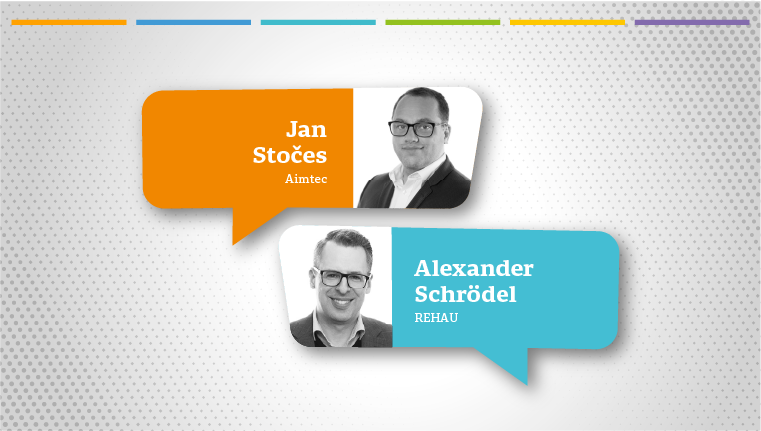
Alexander Schrödel is responsible for IT at Rehau Industries. The company, which supplies polymer solutions for automotive, construction and other industries, has extensive experience in EDI. Schrödel himself sees the electronic exchange of data as a condition that allows the group to do business in the volume and time required. "It is a great challenge to achieve automation in the entire process chain and to start perceiving and optimizing the EDI process as a whole and not just as a queue of orders," says the German manager in an interview with Jan Stočes, Director of Cloud & Integration Solutions at Aimtec.