
Automotive
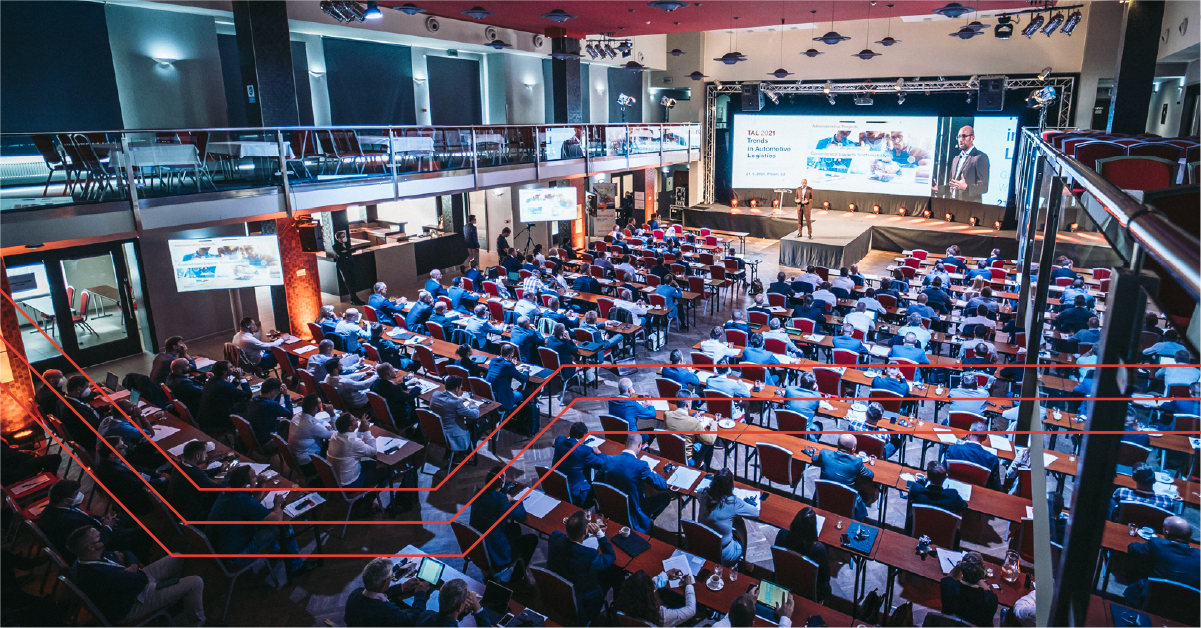
The TAL 2021 Conference: Logistics Digitalisation Must Come with Balance
Fourteen speakers from throughout Europe assembled in Pilsen on 21 September for the Trends in Automotive Logistics (TAL) conference, organised by Aimtec in cooperation with IHK Regensburg and DTIHK. The automotive logistics experts appearing on the conference stage included Marco Prüglmeier from i2market and Michael Schneider from idealworks. The topic of establishing the right balance regarding logistics digitalisation accompanied the entire programme. And the conclusion? Constant balancing, the seeking of new paths and evaluation of individual solutions’ pros and cons is, the speakers say, what is most likely to guarantee success for both small projects and cross-company transformations. TAL 2021’s participants found confirmations of this in the majority of the conference presentations.

Automotive should learn from e‑commerce. Through data and digitalisation.
If you want to succeed, learn from the best. That is why we’ve interviewed Ivan Marinec, with his rich portfolio of experience from operations and logistics management in automotive. Over 20 years in this field have given him a unique perspective on the current turbulent situation and more importantly on the trend of digitalisation in automotive manufacturing. We asked him for tips as well as lessons learned that have helped him to start his own company.

Automotive for a New Age: Localised Manufacturing and Supply Chains Alongside New Business Models
For over a year now, the global economy has seen a trial by fire, and it is struggling with the impacts of anti-epidemic measures. In automotive, the pandemic has mercilessly revealed the vulnerability of global manufacturing and supply structures, and meanwhile this sector is seeing the greatest change in a century, with combustion engines gradually giving way to electric.
TAL 2021: The topic for automotive logistics in 2021 will be finding a balance
Audi, BMW Group, ŠKODA AUTO, ZF Friedrichshafen, Volkswagen, Eissmann Group Automotive – návštěvníci konference Trends in Automotive Logistics (TAL) už měli v minulosti možnost vyslechnout si zkušenosti, případové studie a inspiraci od těchto velkých hráčů v automotive a také od desítek jiných. Loni v únoru přilákal jubilejní 20. ročník do Plzně téměř 300 českých i zahraničních účastníků, kteří podle zpětné vazby odjížděli spokojeni. I v letošním roce chystáme inspiraci v podobě toho nejlepšího z logistiky v automotive. Posun na podzimní datum 21. 9. 2021 vidíme jako příležitost setkat se v Plzni znovu osobně a navázat tak na úspěšné předchozí ročníky. O tom, na co se letos můžete těšit, jsme si povídali s Romanem Žákem, předsedou představenstva Aimtecu.
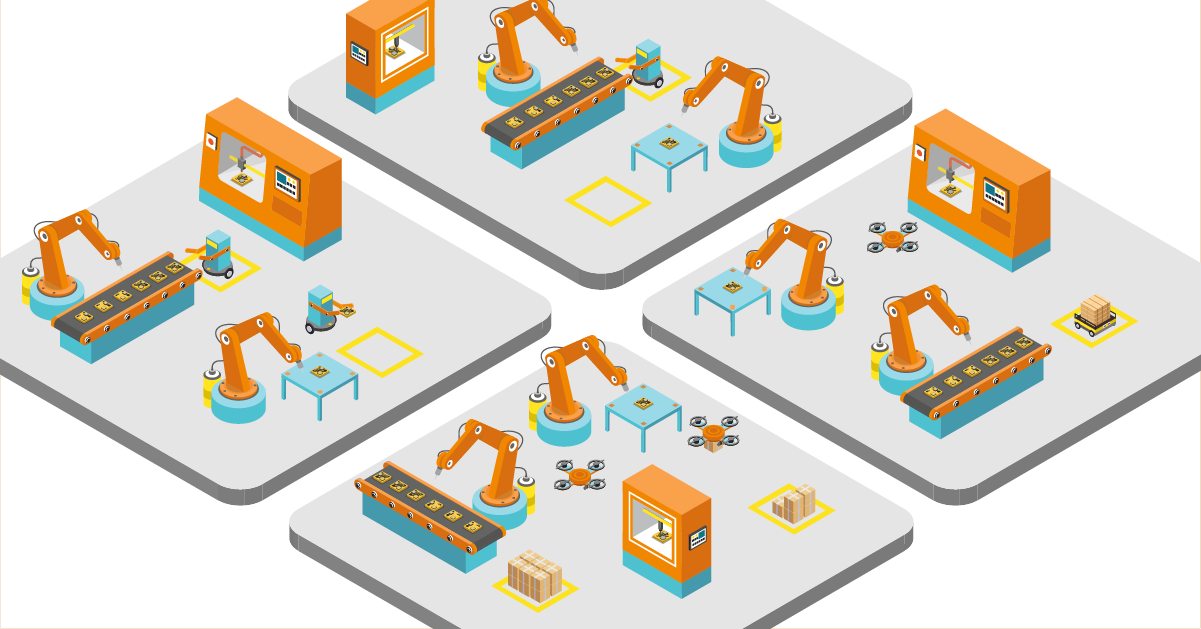
Local automotive manufacturing? Smart microfactories will make it possible.
Traditional production lines may soon be replaced by innovative microfactories consisting of manufacturing cells with flexible robotic stations. These can make do with a floor area that’s two orders of magnitude smaller and can be brought into operation considerably faster.

Expensive electromobility may endanger Europe’s OEMs
Even ten years from now, European OEMs will still spend more to produce each electric vehicle than they would for a compact automobile with an internal combustion engine. Pressure on companies’ profitability will continue to grow, and in time it can lead them to merge into larger units – and to share R&D costs as well. Will Europe’s automotive leaders fall into the red?
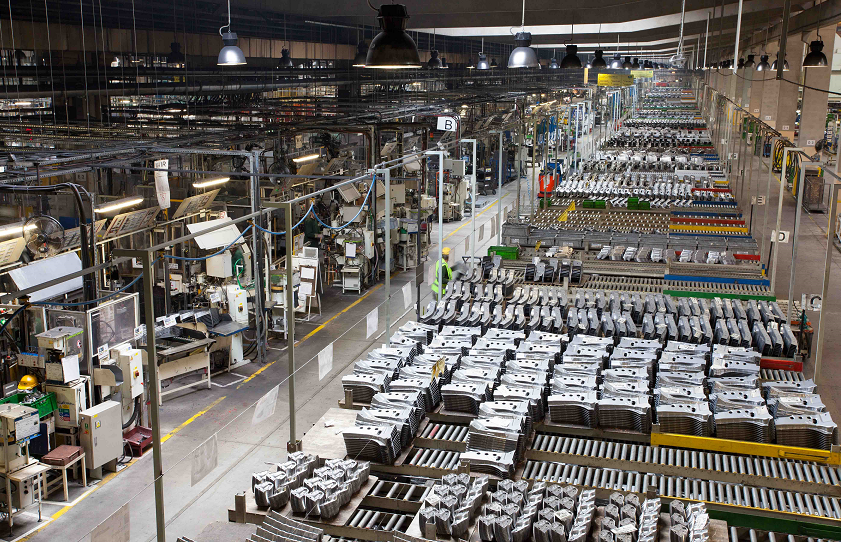
Asprova Opened Our Eyes. Thanks to It We Were Able to Reduce Our Stock by 50%
The Futaba Czech company started an implementation of the Asprova system for advanced planning and production controlling in April 2014. It has been fully relying on this APS system since the beginning of 2015.
How Does the EDI Communication in the Fiat Chrysler Automobiles Car Plant Look Like?
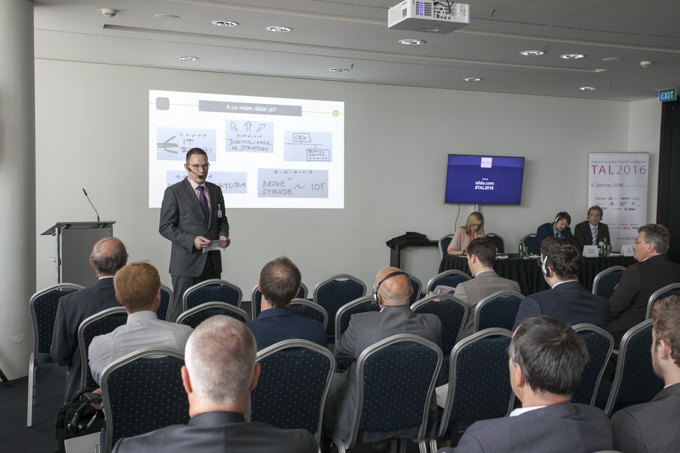
The TAL Conference Has Attracted Well‑Known Experts
The Trends in Automotive Logistics conference (TAL) took place on June 9th, 2016. This annual and eagerly awaited action took place in an interesting and attractive environment again – the 28th floor of the Prague highest building, in Pankrác.
František Finger, TRCZ: We Implemented WMS Mainly for Traceability
The TRCZ company is a daughter company of the Tokai Rika company, Japan. The company manufactures automotive parts, safety elements, and keys for cars. In the Czech plant in Lovosice, the company has implemented, step by step, a complex solution for the management of material flow, from call-offs to shipment, in cooperation with the Aimtec company.

The Specifics of Delivering for Jaguar Land Rover (JLR)
A new JLR plant is being constructed in Slovakia. This is one of the largest foreign investments in Slovakia’s modern history.
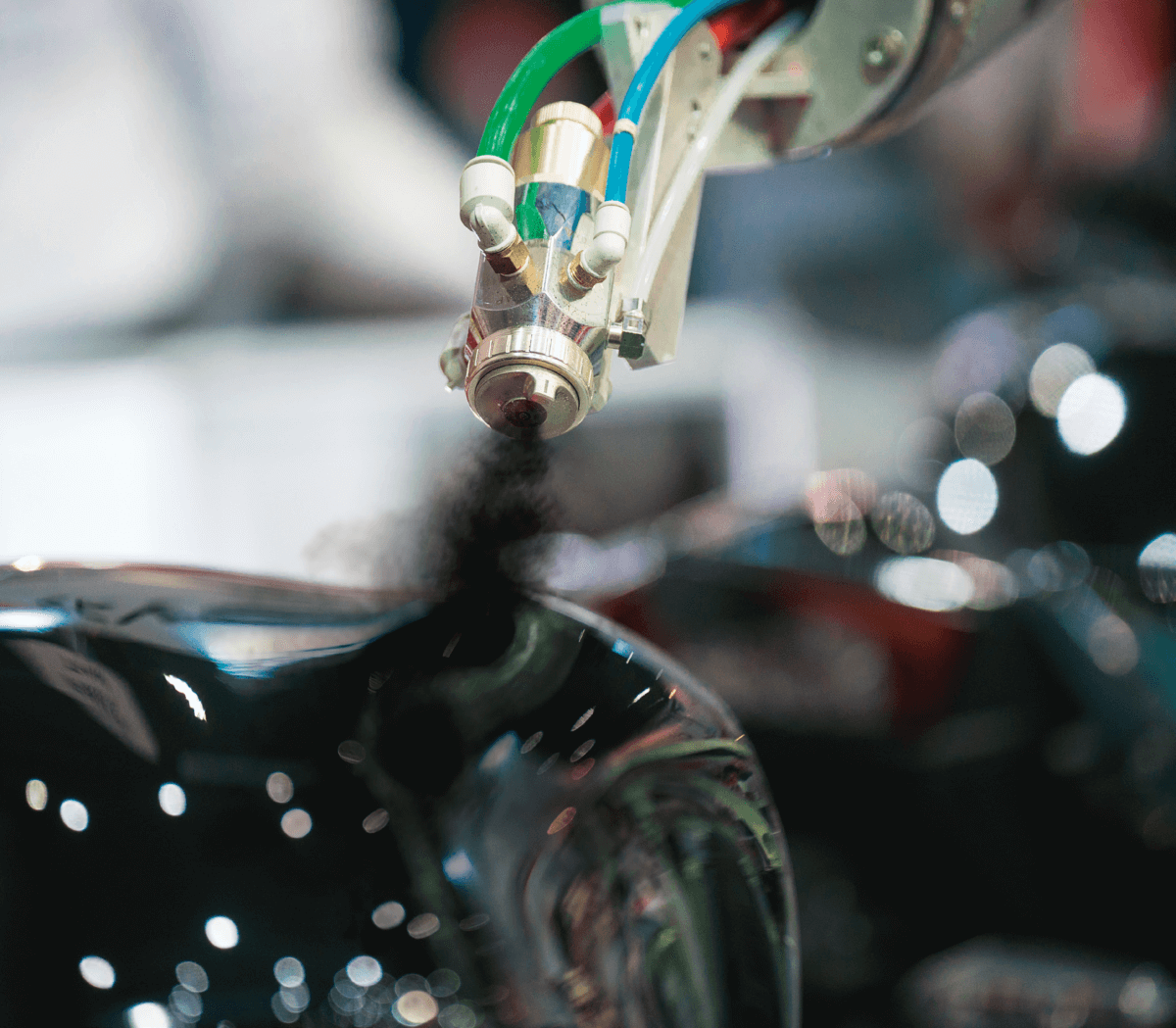
How Does a Car Get Painted aka APS in Paint Shops
You come into the showroom, the salesman hands over the keys and you step up to your new car for the first time.

Mapping Factory ‑ Developing EDI Conversions
The Digital Factory doesn’t have to only mean introducing Industry 4.0 at manufacturing and logistics firms. We also have our own digital factory at Aimtec.
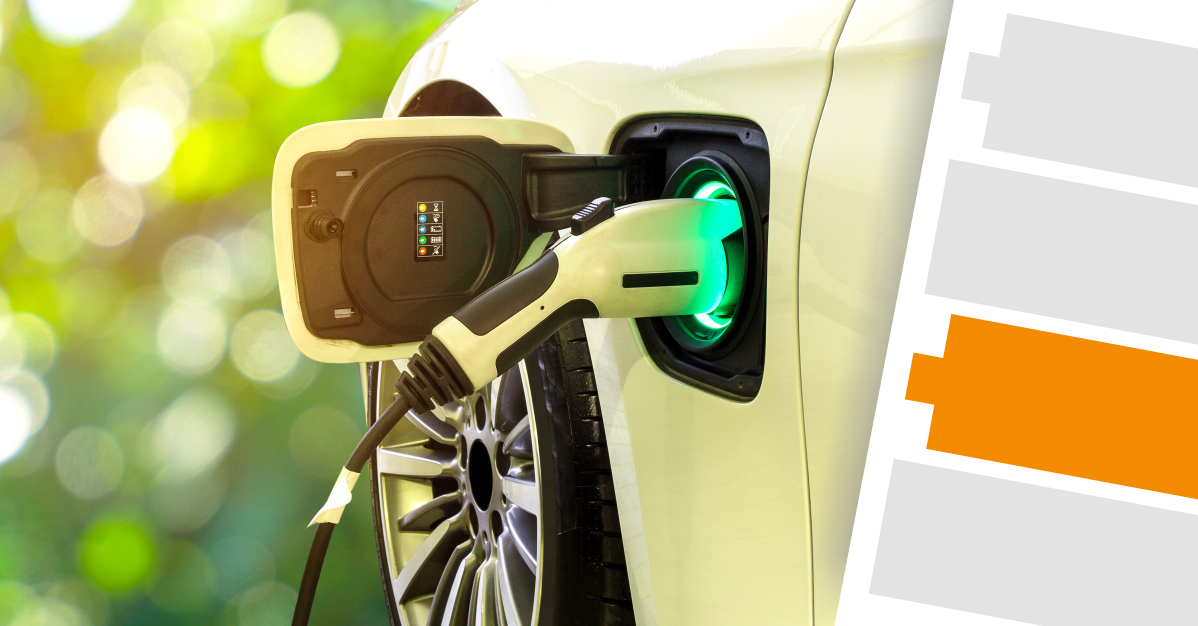
The Future of Automotive Industry: Will Electric Motors Replace the Combustion Engines?
After over a century of using combustion engines as the main system of propulsion in passenger cars, this type of engine is slowly being curbed in favour of electric motors. The world is expecting that electric cars will skyrocket… Or is it? Why? What sort of impact may e-mobility have on Europe’s automotive industry? Which unanswered questions regarding e-mobility remain on the table? We try to answer these questions in our series, starting with this article.

The Future of Automotive Industry: Who Invests into E‑Mobility?
Electric cars are the theme of all the big automakers, and it seems that we are going to have a rapid onslaught of e-cars. Or not? After introducing the issue, in the next episode of our series on the impact of e-mobility on the automotive industry, we will focus on the investments into e-mobility and whether batteries are the only alternative to the combustion engine.

The Future of Automotive Industry: Consequences of E‑Mobility
What changes do automotive suppliers expect with the increasing trend of e-cars? And is the only change awaiting us in passenger cars the engine? We respond to this in the third part of our mini-series on electromobility and its impact on the automotive industry.
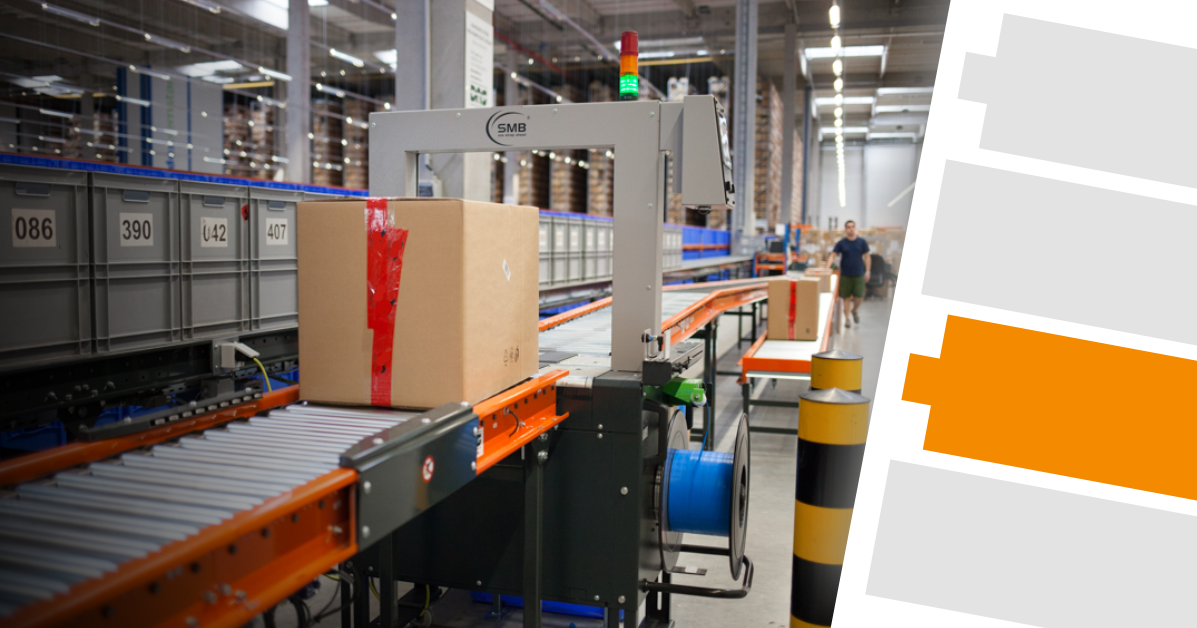
The Future of the Automotive Industry: Automation and New Partnerships are the Solutions
Regulations, technological development and a change of view of car ownership all affect the automotive industry as we know it. In our latest episode on the future of the automotive industry, we focused on what automakers and their suppliers can do differently to keep pace and place amongst the list of the most successful companies.
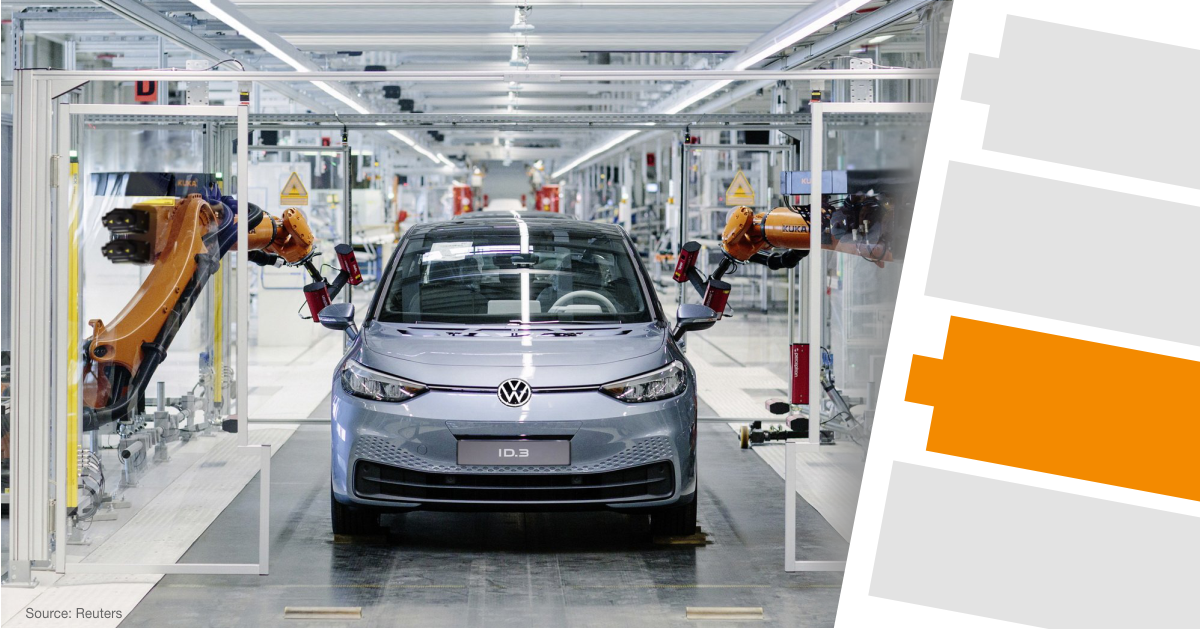
Electromobility: Even Production at a Loss Can Pay Off
In August of 2019, the Deloitte consulting firm published a study focused on automotive suppliers (the 2019 Global Automotive Supplier Study). It states that automotive suppliers’ revenues in 2018 amounted to 1,700 billion USD. Their segment analysis revealed that the income for certain components (the fuel system) may drop by up to 20 percent by 2025, and meanwhile certain attractive products (the electric drive unit) can generate up to three times as much revenue as they do today.
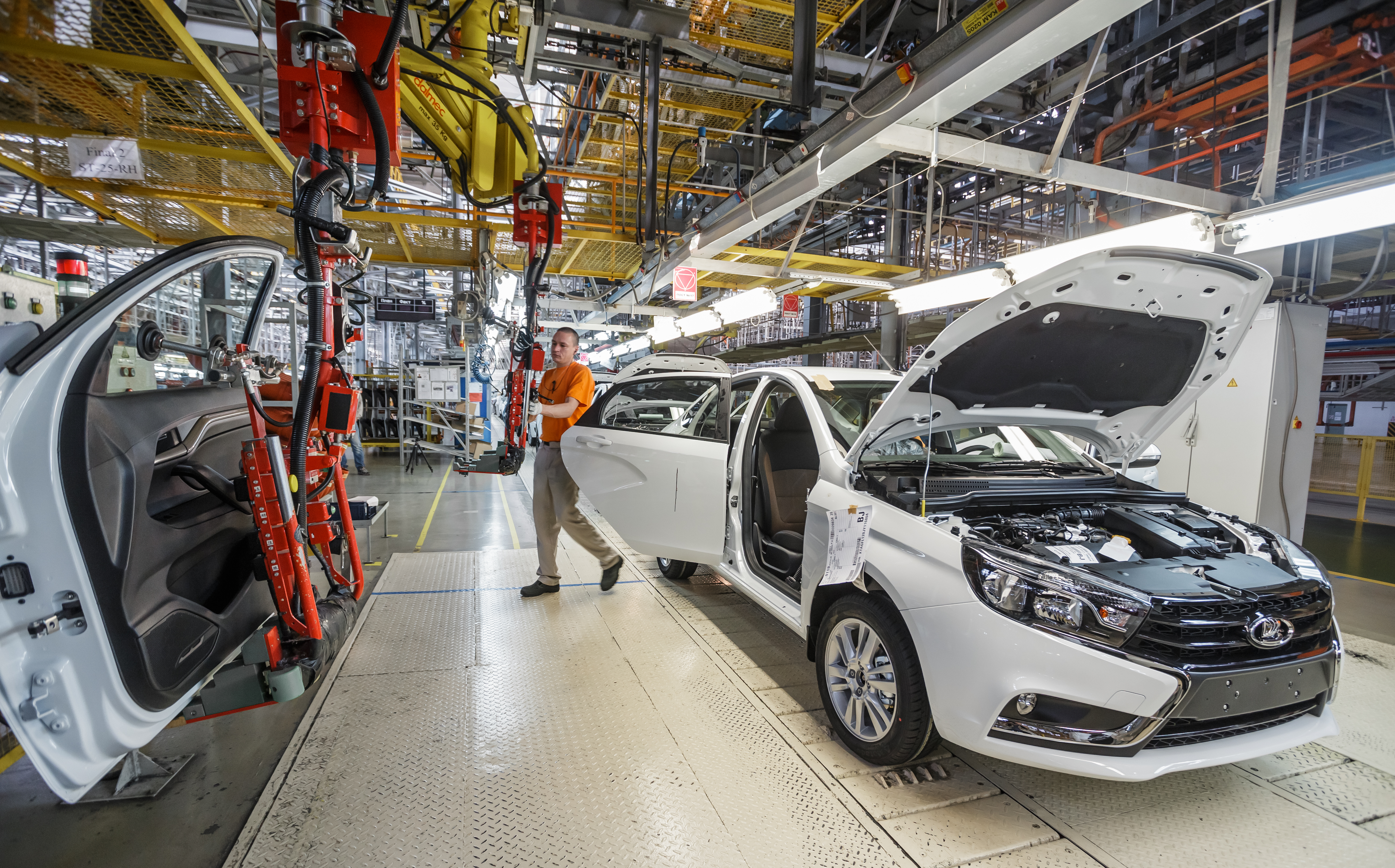
B2B Communication in Automotive: The Basics
The automotive sector places greater demands on suppliers than almost any other sector. Individual components need to meet strict criteria for the quality and traceability of materials, and additionally electronic data interchange (EDI) plays a key role.
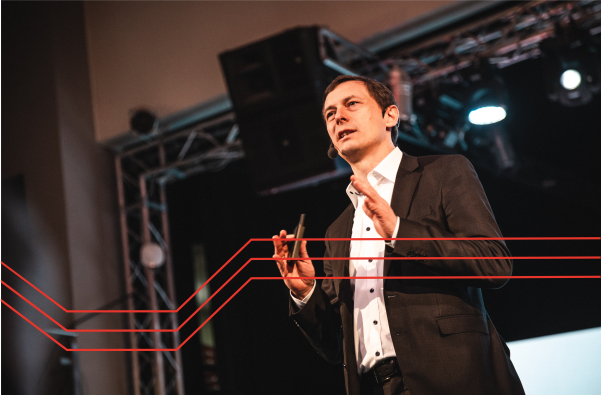
The 8 Most Interesting Quotes from TAL 2020
What you might have missed at the conference, but is good to remind yourself.
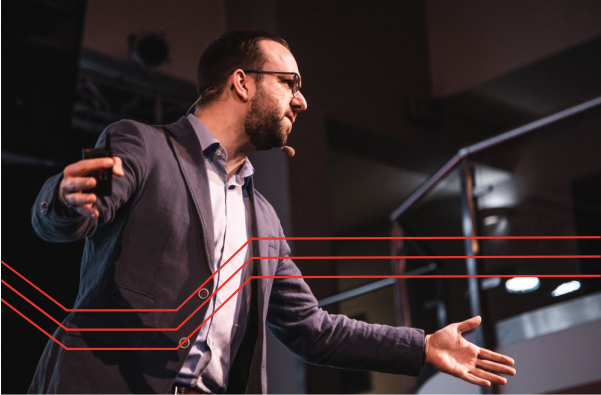
The Digital Transformation: Are You a Driver or a Follower?
If you were there in the audience at TAL 2020, Filip Dřímalka may have piqued your curiosity right as it began. If you weren’t there, here’s a summary of all his key points, as well as some tips on what to do to stay a true driver of the digital transformation.
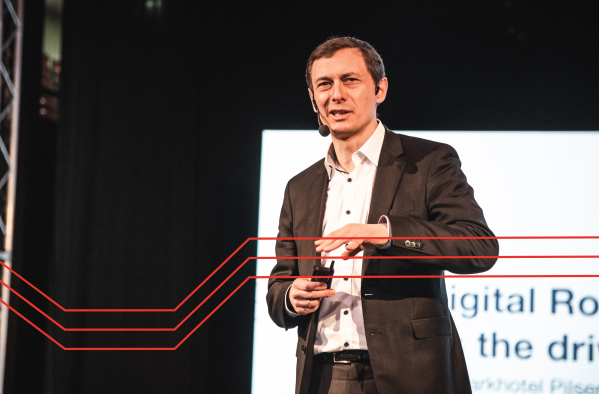
What Makes Smart Logistics Smart? An Interview With Marco Prüglmeier From BMW Group
When it comes to digitalization in logistics and manufacturing, the question most often asked is what will happen to the human workers. Will they be made redundant? The very clear answer is “no”. Digitalization is nothing without human workers. It is there to support them, not to replace them.