Trends

Augmented Reality – from Ice Cream to the Production Line
According to a study by the University of Washington, a full 65% of children have one or more imaginary friends. But that’s nothing compared to all the people out there chasing imaginary animals down real streets, or waiting with some help from their phone to give their ice cream just the right consistency.
The Czech Republic’s Biggest Logistics Innovations of 2018
Every year, the renowned media house Economia organises Zóna logistika, a conference at which it presents awards for the best logistics innovations.


From the Internet of People to the Internet of Things
Before machines were first connected via wires or airwaves, they were connected by people. People were a sort of phase-zero Internet of things (IoT), ensuring machines were connected and weren’t overheated. If a machine was near a critical temperature, they turned it off.
The Future of Automotive Industry: Will Electric Motors Replace the Combustion Engines?
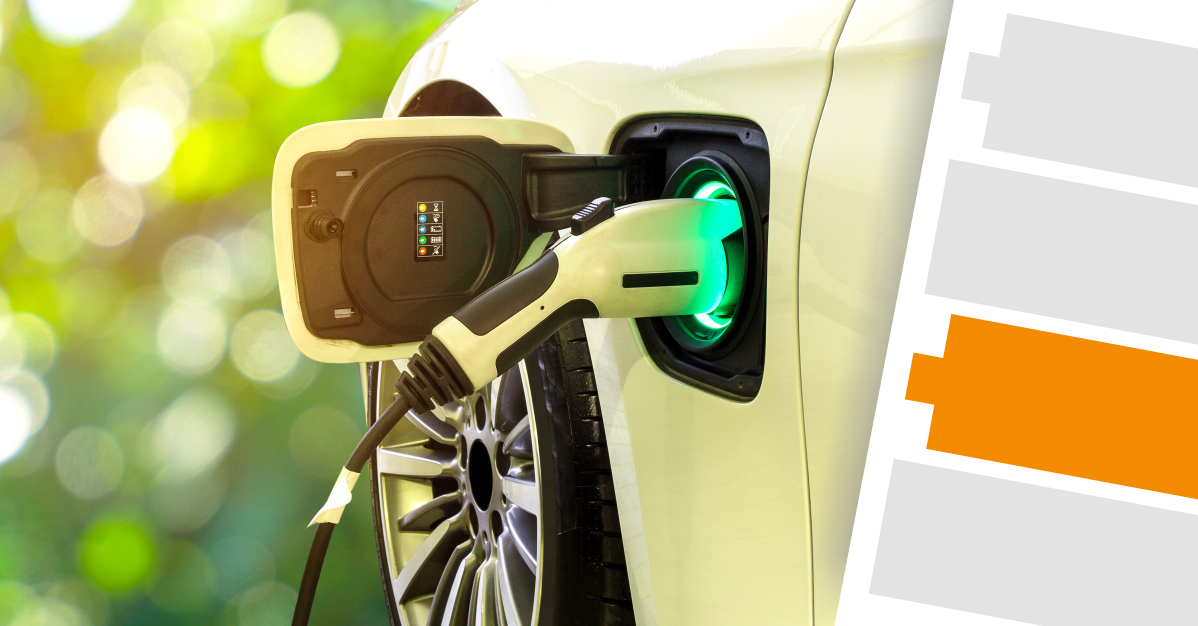
After over a century of using combustion engines as the main system of propulsion in passenger cars, this type of engine is slowly being curbed in favour of electric motors. The world is expecting that electric cars will skyrocket… Or is it? Why? What sort of impact may e-mobility have on Europe’s automotive industry? Which unanswered questions regarding e-mobility remain on the table? We try to answer these questions in our series, starting with this article.

The Future of Automotive Industry: Who Invests into E‑Mobility?
Electric cars are the theme of all the big automakers, and it seems that we are going to have a rapid onslaught of e-cars. Or not? After introducing the issue, in the next episode of our series on the impact of e-mobility on the automotive industry, we will focus on the investments into e-mobility and whether batteries are the only alternative to the combustion engine.

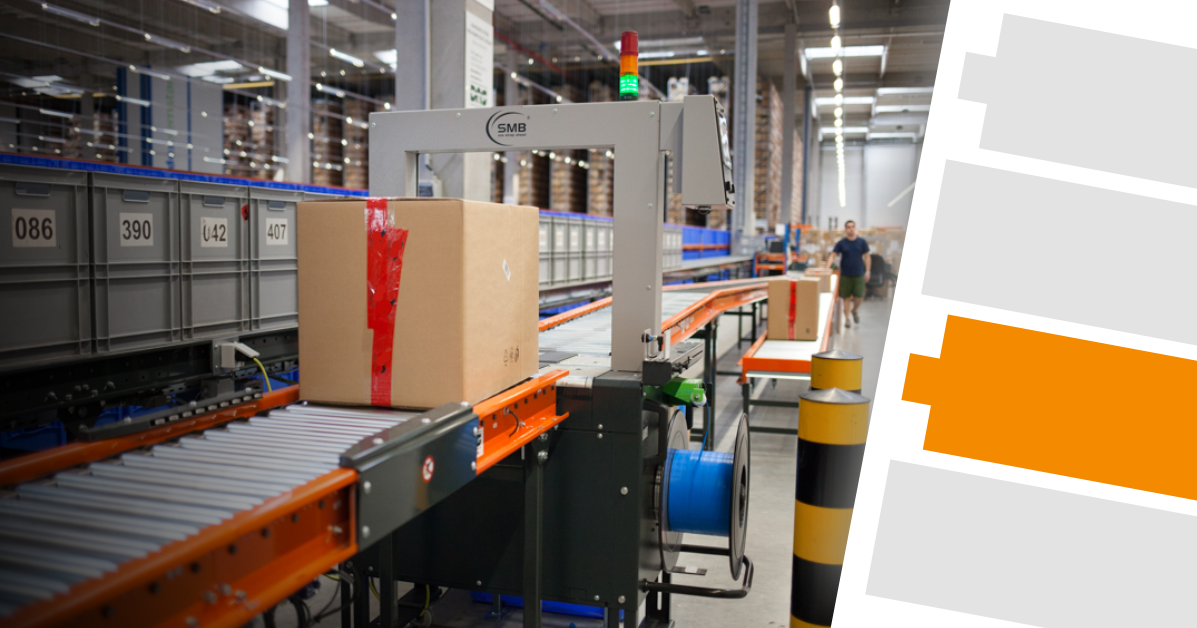
The Future of the Automotive Industry: Automation and New Partnerships are the Solutions
Regulations, technological development and a change of view of car ownership all affect the automotive industry as we know it. In our latest episode on the future of the automotive industry, we focused on what automakers and their suppliers can do differently to keep pace and place amongst the list of the most successful companies.

The TAL 2020 Conference: The Best in European Automotive
“Each year’s TAL has one thing in common. Our wish for its participants to bring home the best of experiences, as well as ideas that will help them towards an even better formulation of their vision and strategy for manufacturing and logistics management,” says Roman Žák, chairman of the board at Aimtec, on the history of Trends in Automotive Logistics (TAL). Originally a side event for Autosalon, a trade fair in Brno, it has become an independent conference with international speakers and attendees, will be celebrating 20 years in 2020 and promises an attractive programme once again.
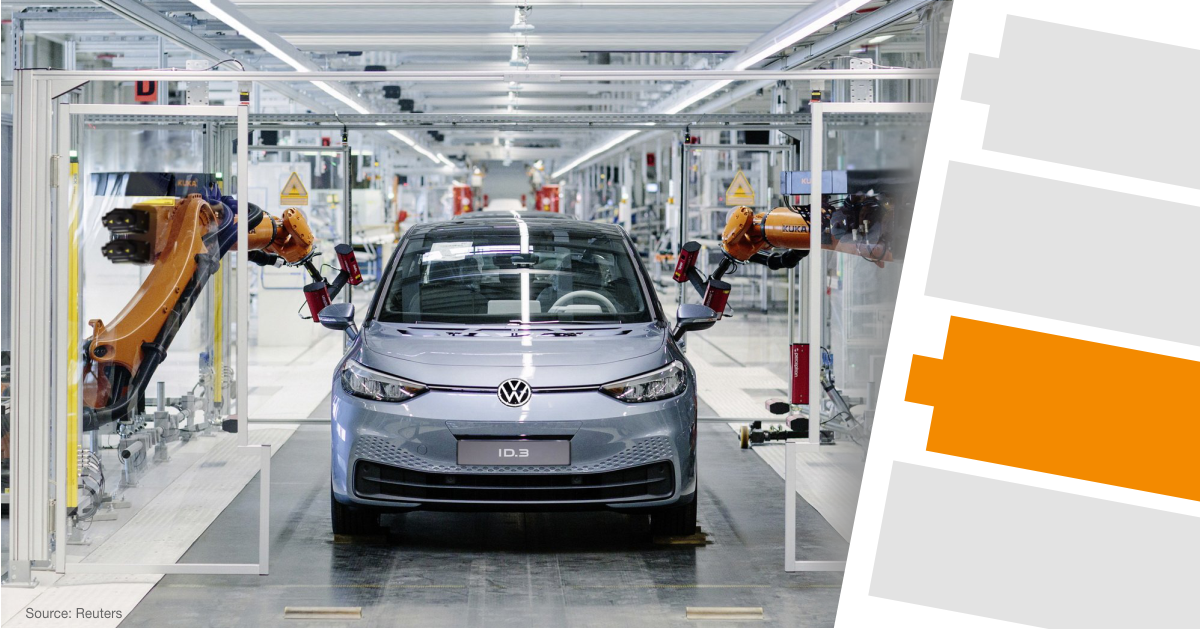
Electromobility: Even Production at a Loss Can Pay Off
In August of 2019, the Deloitte consulting firm published a study focused on automotive suppliers (the 2019 Global Automotive Supplier Study). It states that automotive suppliers’ revenues in 2018 amounted to 1,700 billion USD. Their segment analysis revealed that the income for certain components (the fuel system) may drop by up to 20 percent by 2025, and meanwhile certain attractive products (the electric drive unit) can generate up to three times as much revenue as they do today.
The 8 Most Interesting Quotes from TAL 2020
What you might have missed at the conference, but is good to remind yourself.
The Digital Transformation: Are You a Driver or a Follower?
If you were there in the audience at TAL 2020, Filip Dřímalka may have piqued your curiosity right as it began. If you weren’t there, here’s a summary of all his key points, as well as some tips on what to do to stay a true driver of the digital transformation.
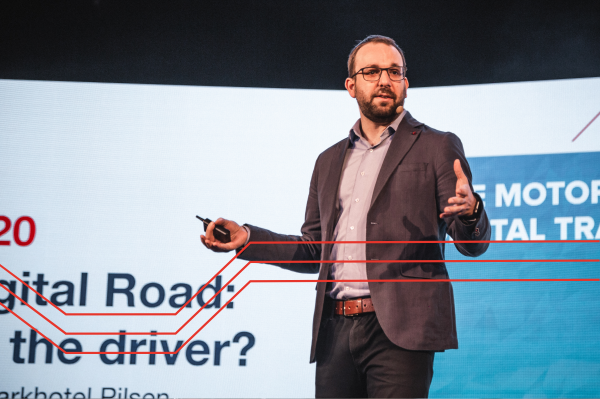
Filip Dřímalka: The Future Will Be Fantastic
Filip Dřímalka is a law graduate, and yet you’ll more likely come across him as a consultant for your company’s digital transformation, or as a speaker. And speaking was his role at TAL 2020 – where we also questioned him in a bit more detail.
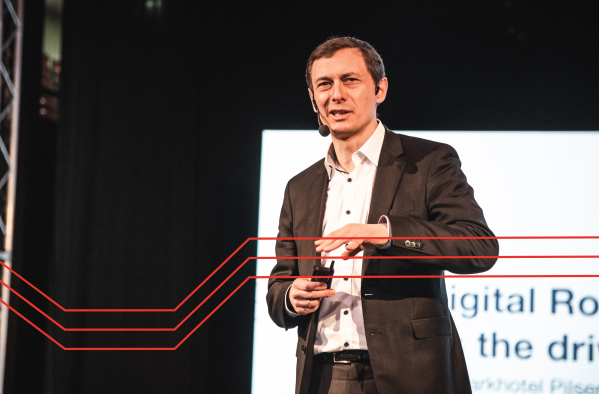
What Makes Smart Logistics Smart? An Interview With Marco Prüglmeier From BMW Group
When it comes to digitalization in logistics and manufacturing, the question most often asked is what will happen to the human workers. Will they be made redundant? The very clear answer is “no”. Digitalization is nothing without human workers. It is there to support them, not to replace them.
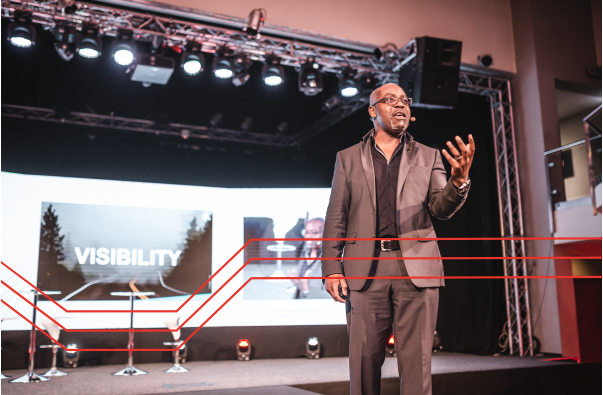
How Do We Create Intelligent Automation?
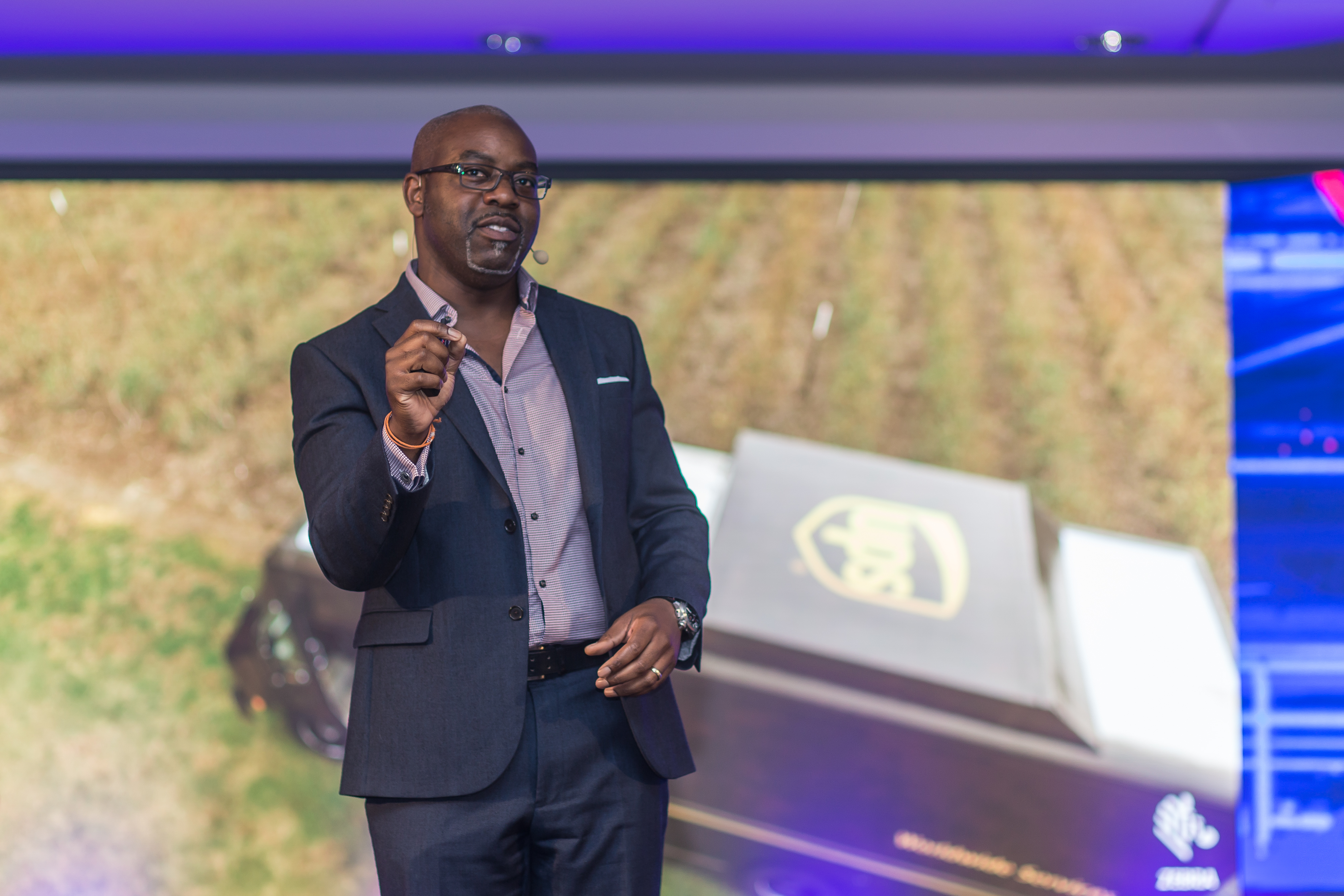
That’s the question Paul Norford from Zebra Technologies tried to answer at TAL 2020. Yet his speech at this conference definitely was not about technologies and different products and features. Anyone who’s had the good fortune to meet this enthusiast already knows what element Paul considers the most important in automation; for the rest of you, we have a short summary of his presentation.

It Won’t Work without Robots: How to Accommodate the Extreme Personalisation of Manufacturing
Autonomous robots are gradually becoming common “employees” at manufacturing and logistics companies. Everyone wants them. However, the presentation by Faouzi Grebici from OMRON at TAL 2020 led us to realise that they are the mere tip of the iceberg of a modern, maximally efficient warehouse. Nevertheless, they do play an important role in the transformation of manufacturing and logistics. Will robots play a greater role than their human colleagues?