
Automotive

E‑invoicing in B2B: How to Get Ready for Mandatory Digitalisation
A new mandatory requirement is taking effect in Germany in 2025: companies must accept digital invoices. Also, from 2027 they will have to both receive and send them digitally. Other countries will also have to comply with similar legislative requirements by then. The European Union directive involved is part of a broader trend of digitalisation of public and company processes throughout Europe with the goal of making business more transparent and efficient. For companies doing business with German partners, this change is a key milestone for which they will have to prepare thoroughly.
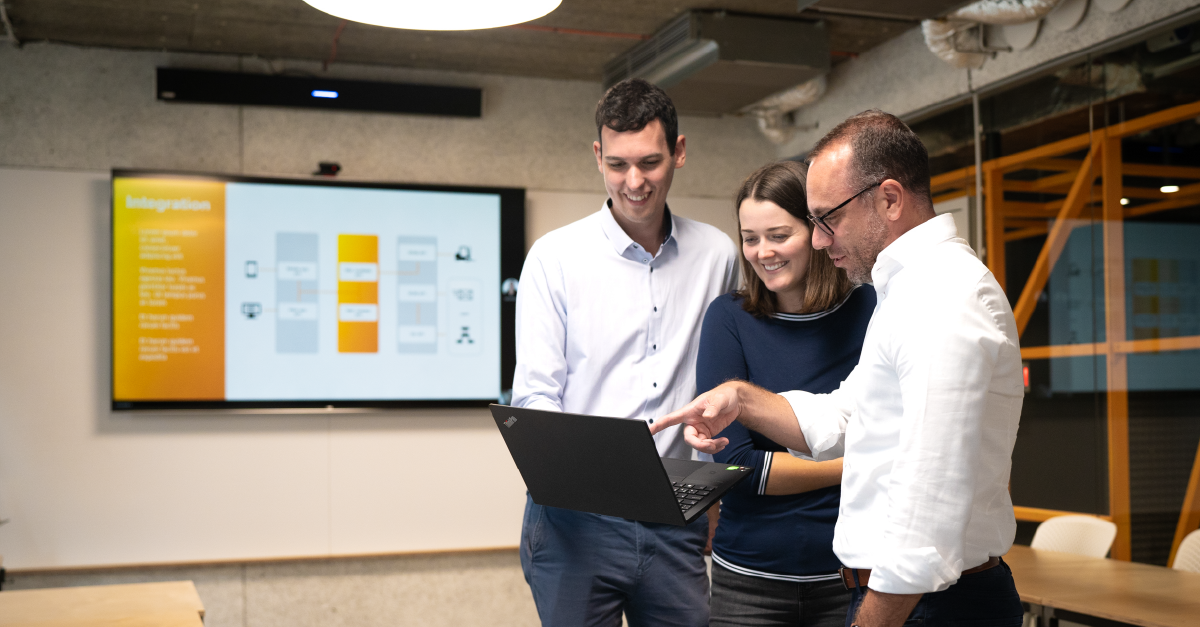
Aimtec Integration Platform: An Effective Solution for EDI, WebEDI and System Integration
In the globalised, interconnected world of industry today, flexibility and effectiveness are crucial for staying competitive. And tools that go beyond just handling ordinary operations and further streamline your processes are essential. Aimtec Integration Platform is a comprehensive solution for managing and optimising electronic data interchange and integrating internal systems.
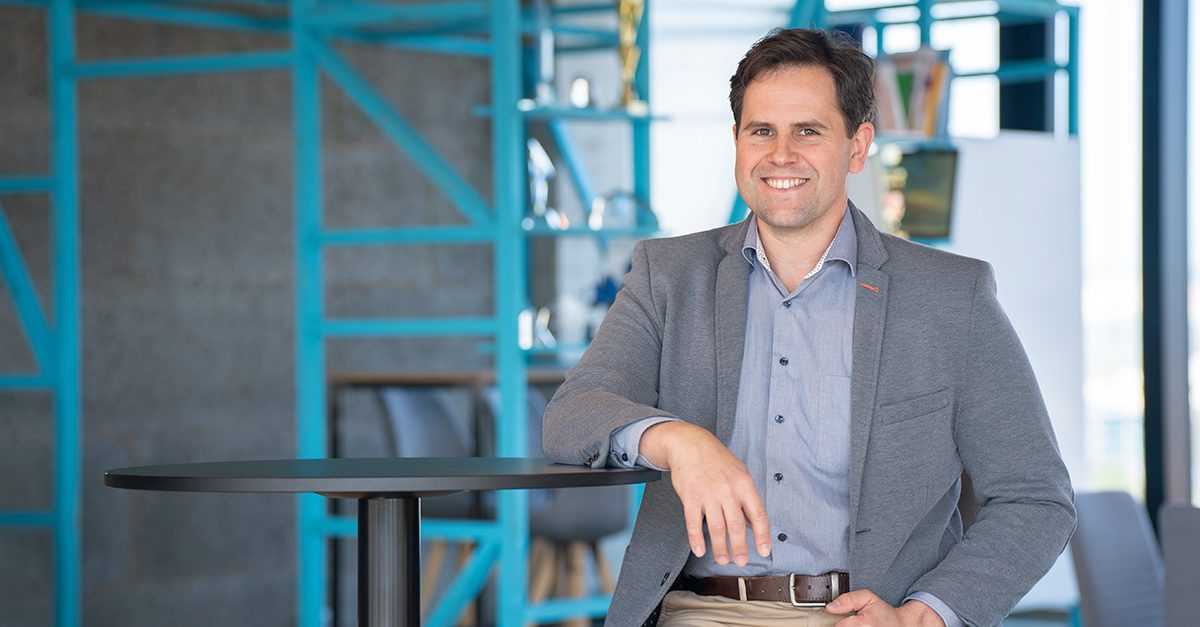
We must not forget the values that support our foundations
For the first time in Aimtec’s history, neither of its founders is serving as its CEO. Jaroslav Follprecht and Roman Žák have placed the company in the hands of Pavel Boháč, an experienced manager previously in charge of the division that handles planning and data processing.

3 tips for strengthening automotive supply chains
The last few years have been full of upheavals that have exposed the hidden weaknesses of international supply chains. These developments urgently remind us that we will all need to focus on improving our resilience from here forward. What specific steps can automotive industry suppliers take to protect themselves against production stoppages, delivery interruptions and cost overruns?

Migrating to SAP S/4HANA: Harness the potential of EDI for supply chain optimisation
SAP is one of the world’s most widely used ERP systems today, and its first version dates all the way back to the 1970s. The business world has changed dynamically since that era, and these changes have made it essential for companies to have an ever more complex and robust information infrastructure to support their digitalisation and automation. In 2015, this led SAP to come forward with a breakthrough solution: SAP S/4HANA. It represents a technological leap towards greater speed and stability and a modern user interface. But, above all, it’s ready to support companies as they go about transforming their business, integrating new technologies, plugging in AI, working with data and more.
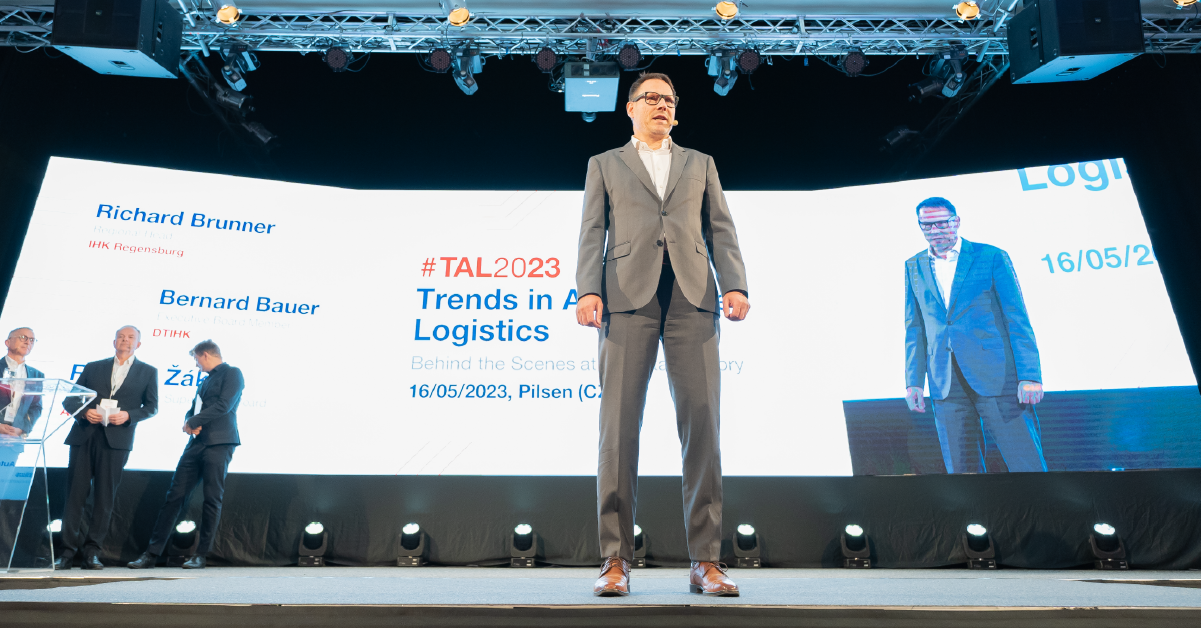
The Trends in Automotive Logistics Conference 2024: In the fast lane of the digitalisation highway
Digital transformation is like a road that enterprises drive down to adapt to changing conditions and gain a competitive advantage. What do the “drivers” – CEOs, logisticians and IT experts – need so they can enter the fast lane of the digitalisation highway? What abilities, platforms and technologies are necessary to ensure they and their teams are confidently pointed towards their goals? We spoke with Roman Žák, co- founder of the conference organiser Aimtec, on the topics for the next TAL conference, which will take place in Pilsen on 18 June.
Global Flexibility with B2G E‑Invoicing
Business is constantly evolving in our digitalised age. The transition to electronic Invoicing (e-Invoicing) within B2G (Business-to-Government) is a key element for ensuring transparency and compliance.
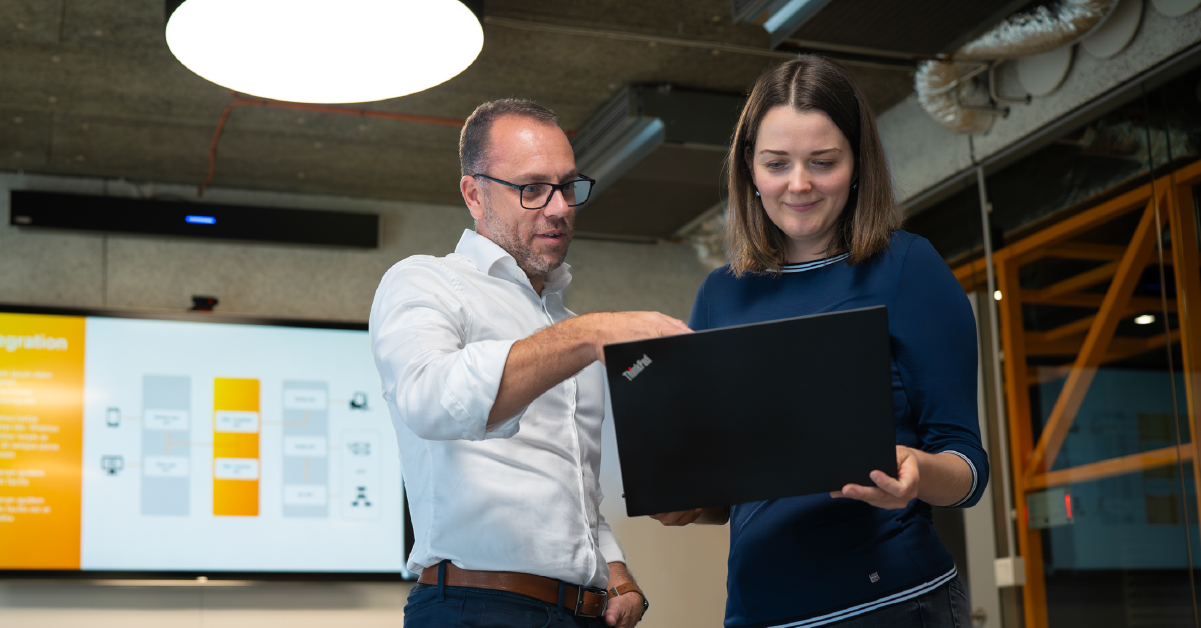
Three tips for EDI migration in the automotive industry without a hitch
Electronic Data Interchange systems are the lifeline of communications in the automotive industry. Companies have a vested interest in keeping the systems robust and up-to-date. Migrating from legacy systems to the cloud early on can streamline processes and save money. Despite all the advantages, EDI migration comes with some risks. Aimtec, an automotive industry digitalisation partner with more than twenty-six years of experience working with suppliers and manufacturers throughout the entire automotive value chain, provides three tips for successfully migrating your EDI system.
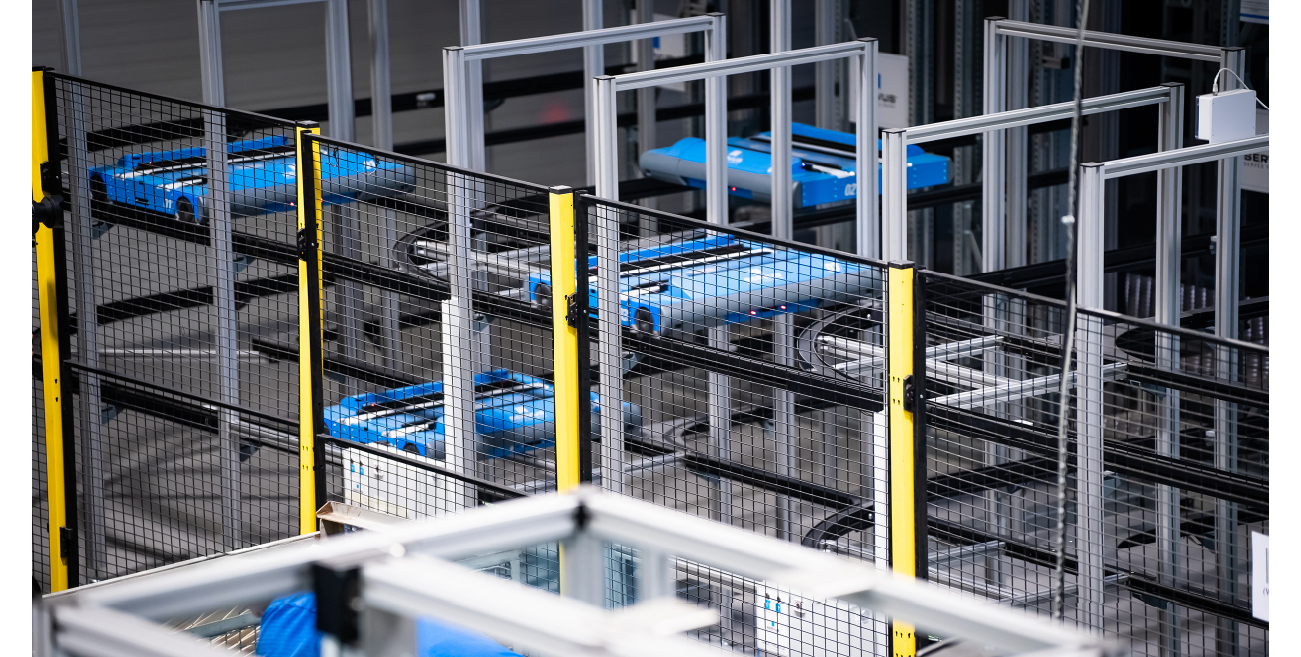
Scherdel ‑ Flexibility as a key goal of automation
Inhouse logistics starts to be a difficult issue from companies of medium size. One such company is SCHERDEL, whose Czech division has embarked on a project to automate and digitalize logistics, specifically by implementing a fully automated warehouse full of self-driving robots. During the work, the entire concept changed several times, because one of the key conditions of the whole solution was flexibility, which is not easy to provide through automation. The experience of building an automated warehouse was submitted by the company's managers in a presentation at the TAL 2023 conference.
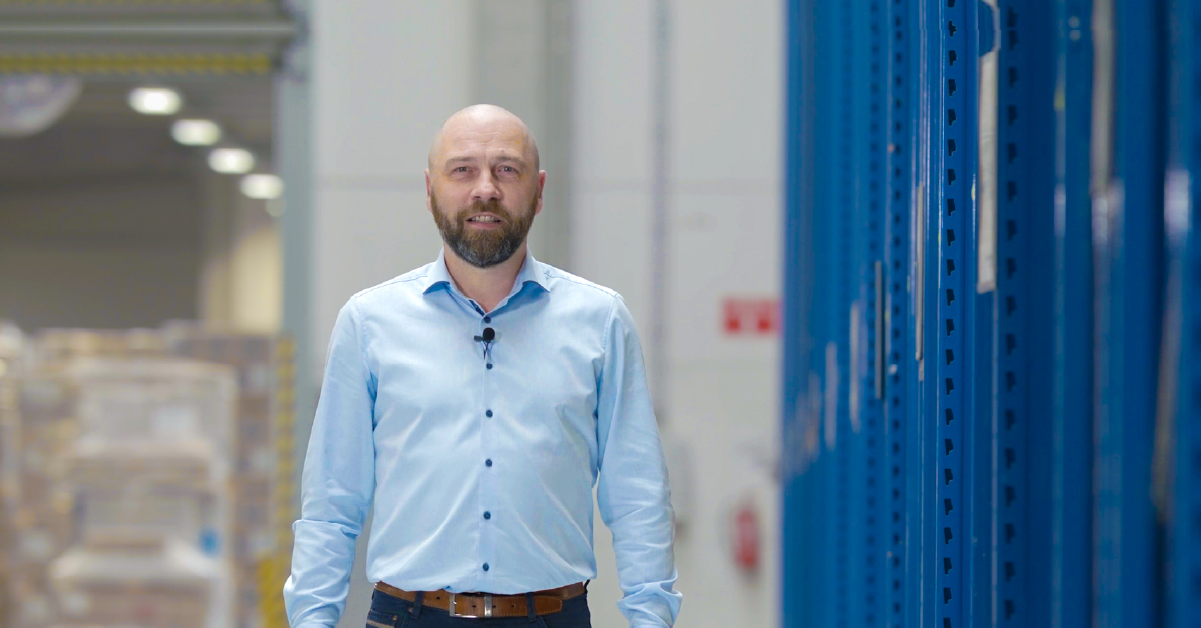
An interview with LASSELSBERGER's Head of Logistics on a successful introduction of changes
RAKO is a brand with over 140 years of tradition. It’s also a member of the LASSELSBERGER group – one of the world’s largest producers of ceramic tiles. I visited the RAKO distribution centre in Chlumčany and spoke with Pavel Vokáč, Head of Logistics at the Czech branch, about how these products’ logistics has some surprising specifics.
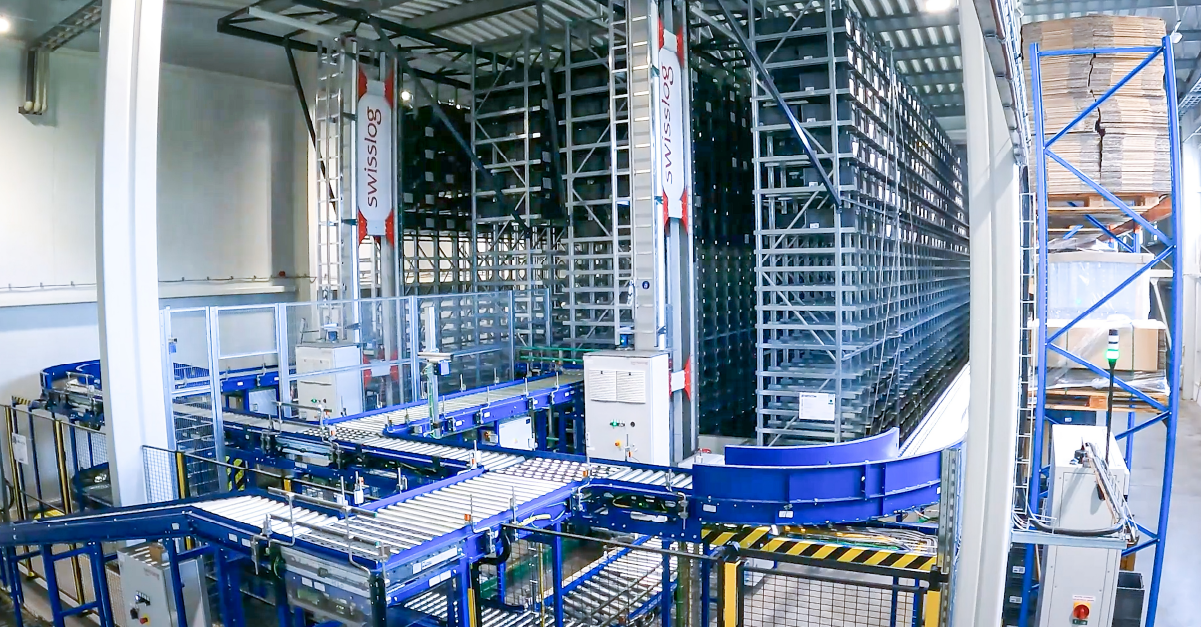
Brano ‑ the path to 21st century logistics
From complete locking mechanisms, other mechanical parts, door handles to fuel tank caps for Skoda Auto and other car companies. This is the business of Brano, which has recently committed to a change in logistics and invested in digitizing its warehouse to minimize the role of humans. At the TAL 2023 conference, Denis Kittrich, a technologist from Brano, together with Jiří Žižka, project manager at Aimtec, explained how the project was carried out.
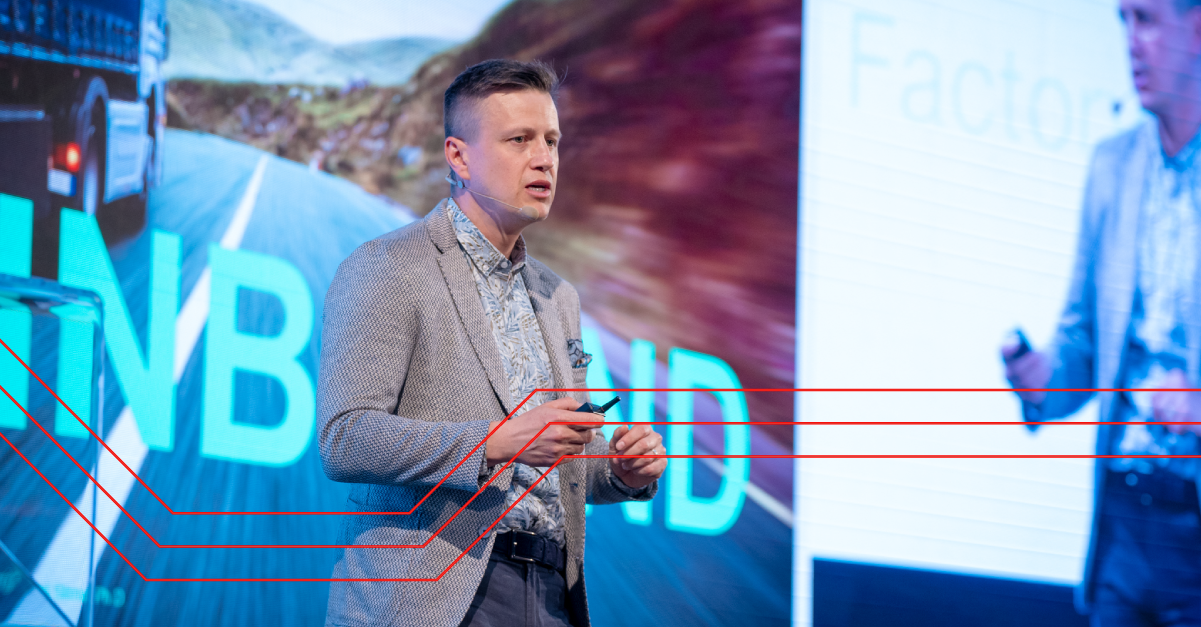
Behind the scenes: how new resilient logistics is being built at Skoda Auto
The demands on manufacturing logistics change over time, and this change has accelerated at an unprecedented rate in recent years with the accompanying phenomena of the Covid-19 pandemic. David Strnad, Head of Logistics at Škoda Auto, presented how these challenges are being dealt with and how they are preparing for the next ones in the largest domestic automotive company at the Trends in Automotive Logistics 2023 conference.
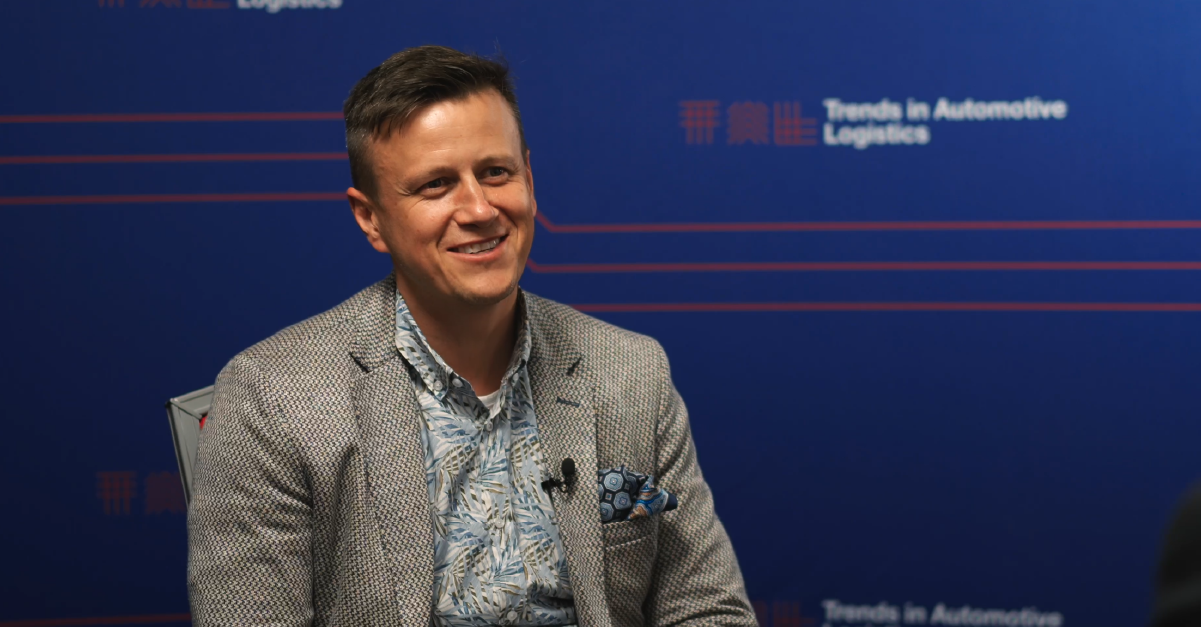
Resilience, prediction and risk monitoring form the key to modern logistics, says David Strnad
The automaker Škoda Auto is a major player in the world of logistics. Every day, 3,500 freight trucks arrive at his races. Managing everything from the perspective of warehouses and the entire system, and ensuring production and employment for 30,000 people, is a challenging task. Can an automaker turn logistics trends such as digitalisation and automation into a company reality? What’s the right way to face today’s challenges, and what does a successful project look like? David Strnad, Head of Brand Logistics at Škoda Auto, has shared his opinions in an interview with Aimtec’s Rostislav Schwob.
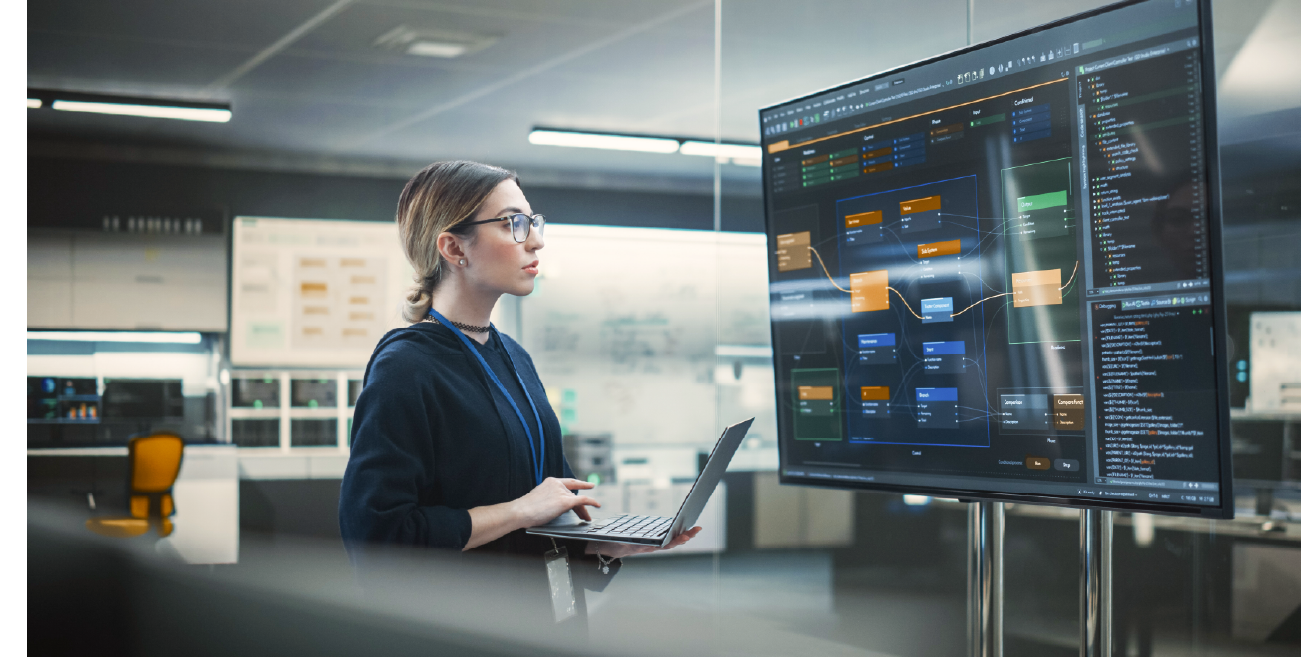
When EDI migration means a real upgrade
Few things inspire more dread in the imagination of IT department heads than EDI migration. Even for mid-sized companies, the EDI process catalogue contains a large number of items and gigabytes of data, so it's no wonder that managers put off the crucial decision to initiate such an operation on the fly. But in companies where they have made the commitment, moving from a legacy system to the new solution has provided strategic benefits, reflected in a rapid return on investment.

Disrupted supply chains and the future of the automotive industry with Robert Cameron
The global automotive industry has been grappling with unprecedented disruptions in supply chains, creating a complex and uncertain landscape. The burning questions on the minds of industry leaders and experts are how long it will take to restore stability and whether such stability can ever be fully achieved. Are there multiple approaches available to address the situation? Can lessons from other industries be applied to the automotive sector?