
WMS

Rostislav Schwob: The Latest Aimtec DCIx Version Makes Connected Manufacturing and AI/ML a Reality
The world around us is constantly accelerating and globalising. That means growing competition, and companies are pushed into ever greater and more frequent changes. New technologies are rushing at them from all sides. It seems like just about everything can be automated now, and everything can control itself with help from digitalisation and artificial intelligence. How can the Aimtec DCIx digitalisation platform help companies with this? And what will our October seminar for customers be showing them? We came with these questions to the person best placed to answer them: Aimtec’s Supply Chain Solutions Director Rostislav Schwob.
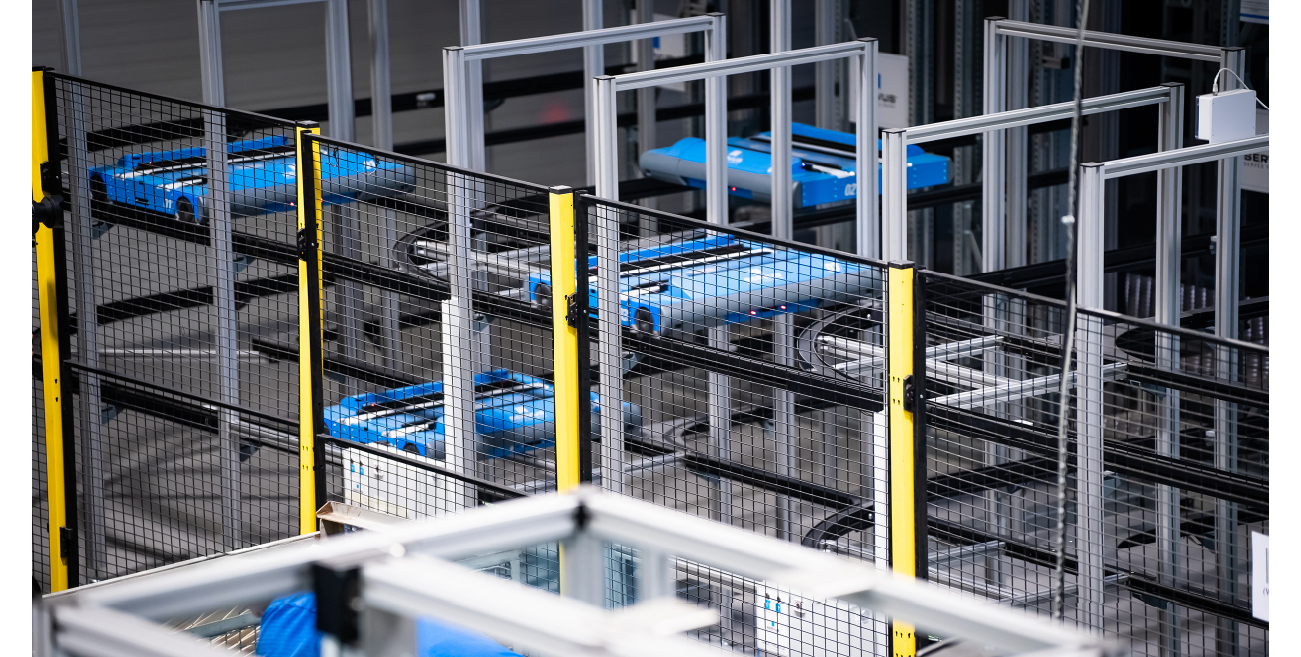
Scherdel - Flexibility as a key goal of automation
Inhouse logistics starts to be a difficult issue from companies of medium size. One such company is SCHERDEL, whose Czech division has embarked on a project to automate and digitalize logistics, specifically by implementing a fully automated warehouse full of self-driving robots. During the work, the entire concept changed several times, because one of the key conditions of the whole solution was flexibility, which is not easy to provide through automation. The experience of building an automated warehouse was submitted by the company's managers in a presentation at the TAL 2023 conference.
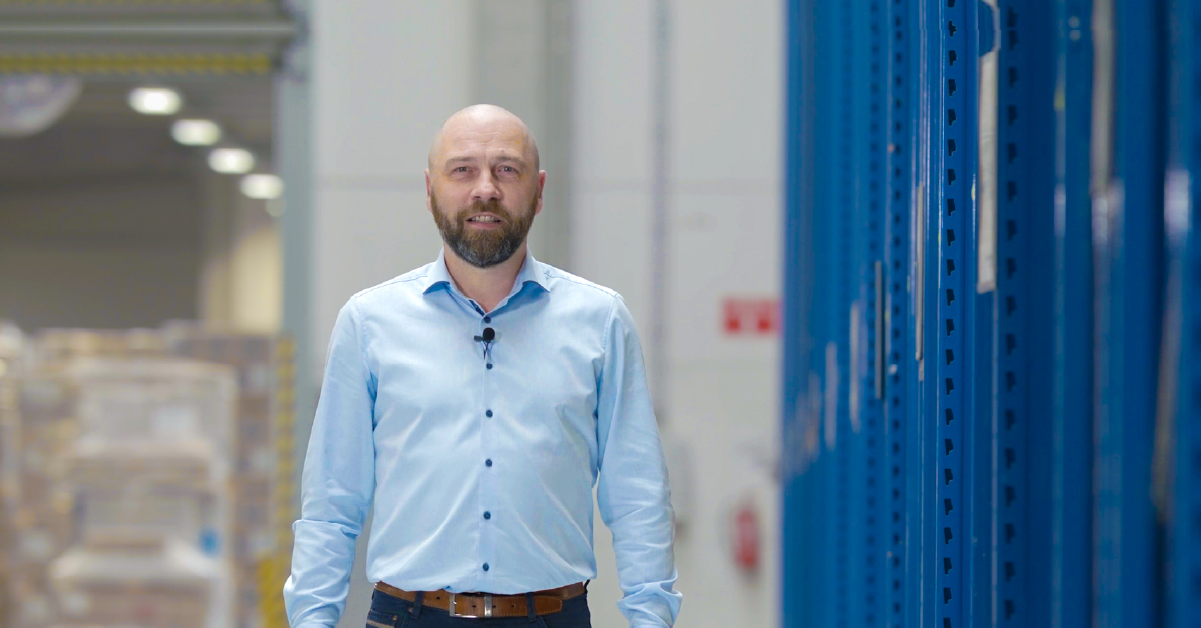
An interview with LASSELSBERGER's Head of Logistics on a successful introduction of changes
RAKO is a brand with over 140 years of tradition. It’s also a member of the LASSELSBERGER group – one of the world’s largest producers of ceramic tiles. I visited the RAKO distribution centre in Chlumčany and spoke with Pavel Vokáč, Head of Logistics at the Czech branch, about how these products’ logistics has some surprising specifics.
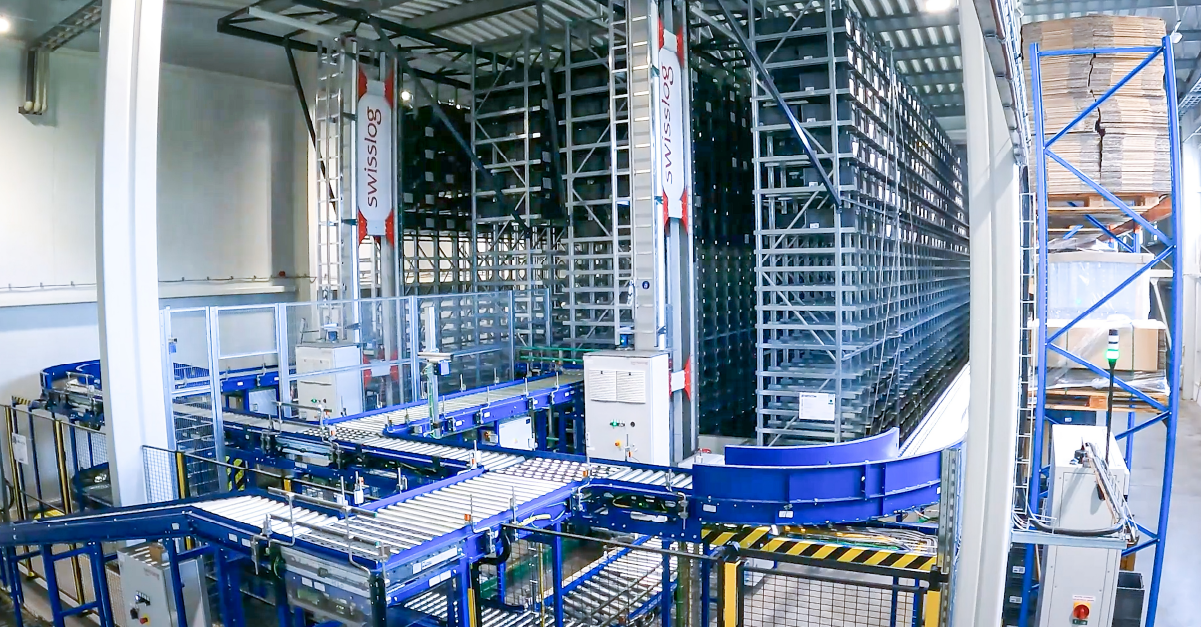
Brano - the path to 21st century logistics
From complete locking mechanisms, other mechanical parts, door handles to fuel tank caps for Skoda Auto and other car companies. This is the business of Brano, which has recently committed to a change in logistics and invested in digitizing its warehouse to minimize the role of humans. At the TAL 2023 conference, Denis Kittrich, a technologist from Brano, together with Jiří Žižka, project manager at Aimtec, explained how the project was carried out.

New logistics management let Germany’s RKT get a lead on its competition
Material handling costs, precise traceability, compliance with expiration dates. Every pharmaceutical company has to grapple with all this – including the German firm RKT. We had an opportunity to speak with RKT’s Director of Supply Chain and Logistics Management Martin Hofstetter about how it dealt with not only a digital transformation of its warehouse logistics, but also an entirely new warehouse management method.

Automation Remains Main Trend in Czech Logistics Even in Times of Expected Crisis
What does the present and future of Czech logistics look like? Where are investments going? To what extent is the storage and logistics sector affected by the post-COVID situation and the war in Ukraine? These and other questions were answered in the unique Trends in Czech Logistics 2022 survey conducted by Ipsos for the SKLAD trade association, of which Aimtec is a member. 132 companies took part in the survey and the responses by their managers show an emphasis on deepening digitalization and optimization of logistics processes and warehousing.

Data. Data. And more data! How can you master it and ensure it’s clear and on time?
In manufacturing and logistics, you’re faced with mountains of data, and you need to master those mountains. It would be a shame not to use them. But how should you work with them and display them to ensure that they’re truly of value and that you can make good and informed decisions? How can you gain the information you need in just a few clicks – and in an an easily navigable form? Get to know the different types of reports that can help you.
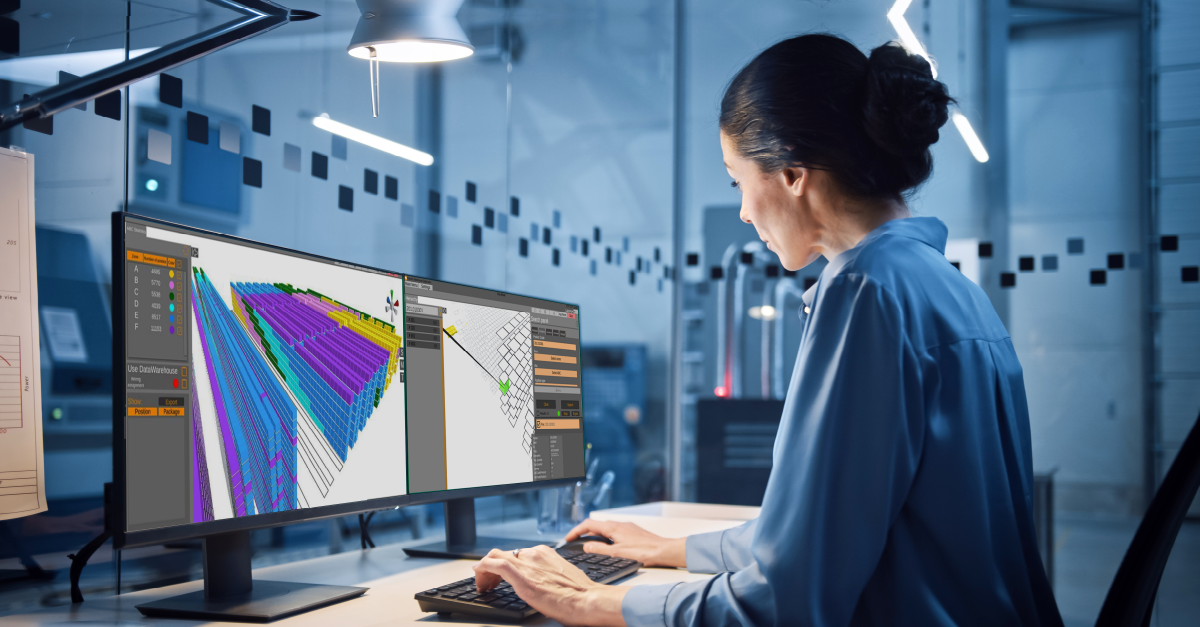
Reporting, digitization and 3D visualization streamlines logistics processes by tens of percent
The complexity of today's industrial production brings manufacturing companies a huge amount of data that needs to be processed and then used efficiently. One example of such use of reporting data in manufacturing logistics is the data warehouse and the application of the digital twin of the physical warehouse, i.e. its 3D visualization. Aimtec supplied just such a solution to Continental's domestic division. Thanks to this it has reduced the work of warehouse stackers with high-volume material to a third and gained a perfect overview of in-house logistics, which will also facilitate crucial strategic decisions.

SappyMOM: How to take local needs into account in a central system
How to reconcile the bosses' demand for SAP standardization with the needs of local plants for which the standard is not enough? Aimtec's SappyMOM add-on solves this common dilemma.
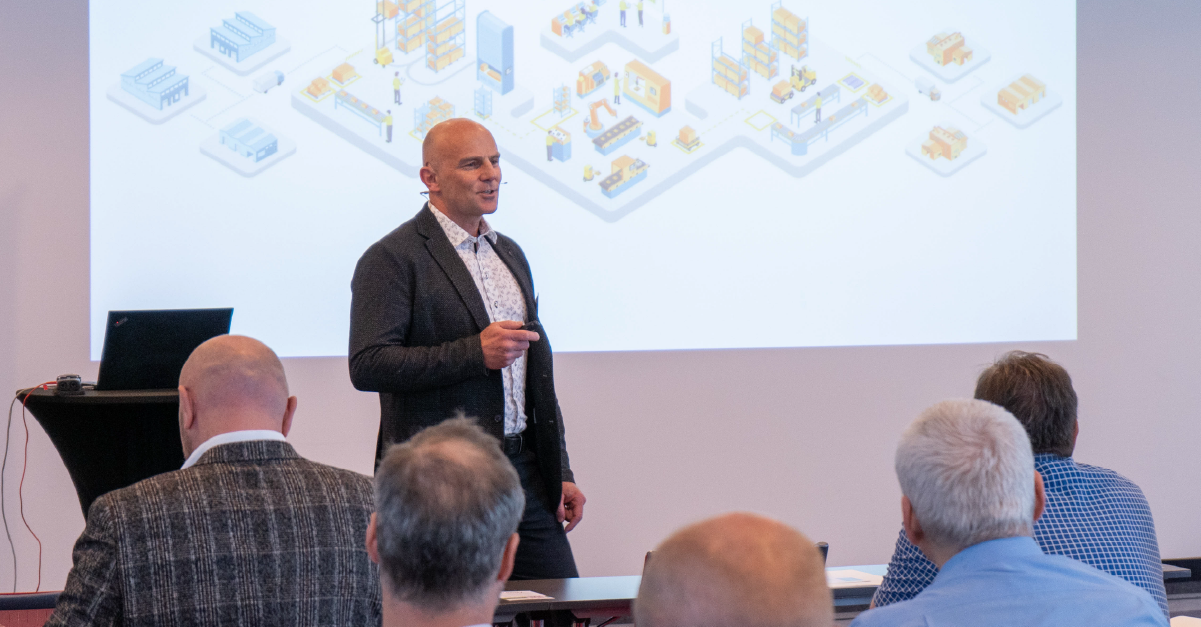
With DCIx7, the dream of a digitalisation platform running in the cloud becomes a reality
The User Group for Aimtec’s DCIx met up at the start of this May in Pilsen, and attendees could learn what visions are out there for logistics and what new features DCIx will soon have in store. Representatives from Koito Czech and Continental Automotive showed their approach to automation via practical examples. The event also included morning workshops about advanced stock management with WMS, new processes in MES and the role of DCIx in the digital factory. Couldn’t be there, or want a refresher on a few key points? Watch the presentations from the main afternoon section.
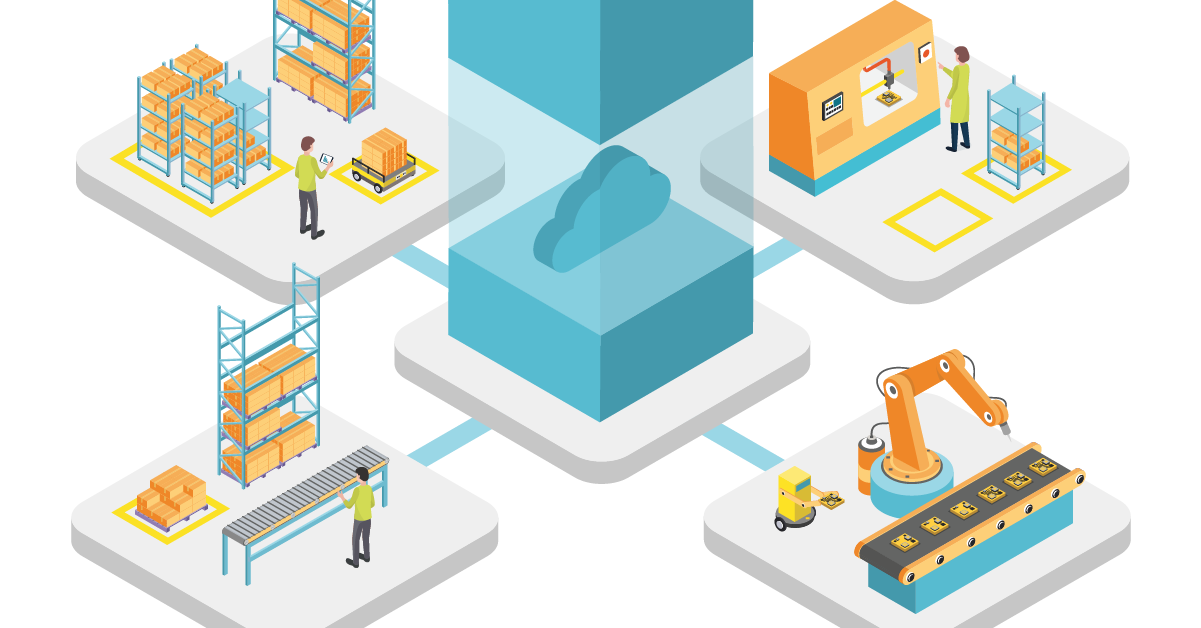
WMS and MES are changing. How will automation and the cloud affect them?
The accuracy of predictions by the consultants at Gartner is uncanny. What sort of future do they prophesy for WMS (Warehouse Management Systems) and MES (Manufacturing Execution Systems)? From monitoring plant or warehouse status, these systems should gradually grow to take on the role of strategic tools – they will enable a degree of automation that until recently was just a dream. All this joined with a perfect overview of the supply chain and, of course, support from the cloud.

The warehouse automation market will see strong growth – powered by e-commerce
The research company Statista is predicting a doubling of the warehouse market automation market by 2026. The volume of investments into automated warehouses, and thus into related technologies as well, is predicted to rise worldwide from its 2019 level of $15 billion up to $30 billion in 2026. This trend was already growing before the pandemic, but now companies that operate warehouses have been forced to shift automation away from “nice-to-have” priority up to “must-have”. If they want to remain relevant in this field, such a strategy change is a necessity. How high will this trend rise?

The three most common mistakes when choosing a WMS
A Warehouse Management System is capable of controlling processes throughout the whole warehouse, making it the first choice for internal logistics. The latest study by the SKLAD association has shown that an unbelievable 53% of Czech logistics companies want to invest in a WMS over the next year. Are you among them? Then make sure that while you’re choosing, you’re not making any of these mistakes that can endanger the whole project’s success!
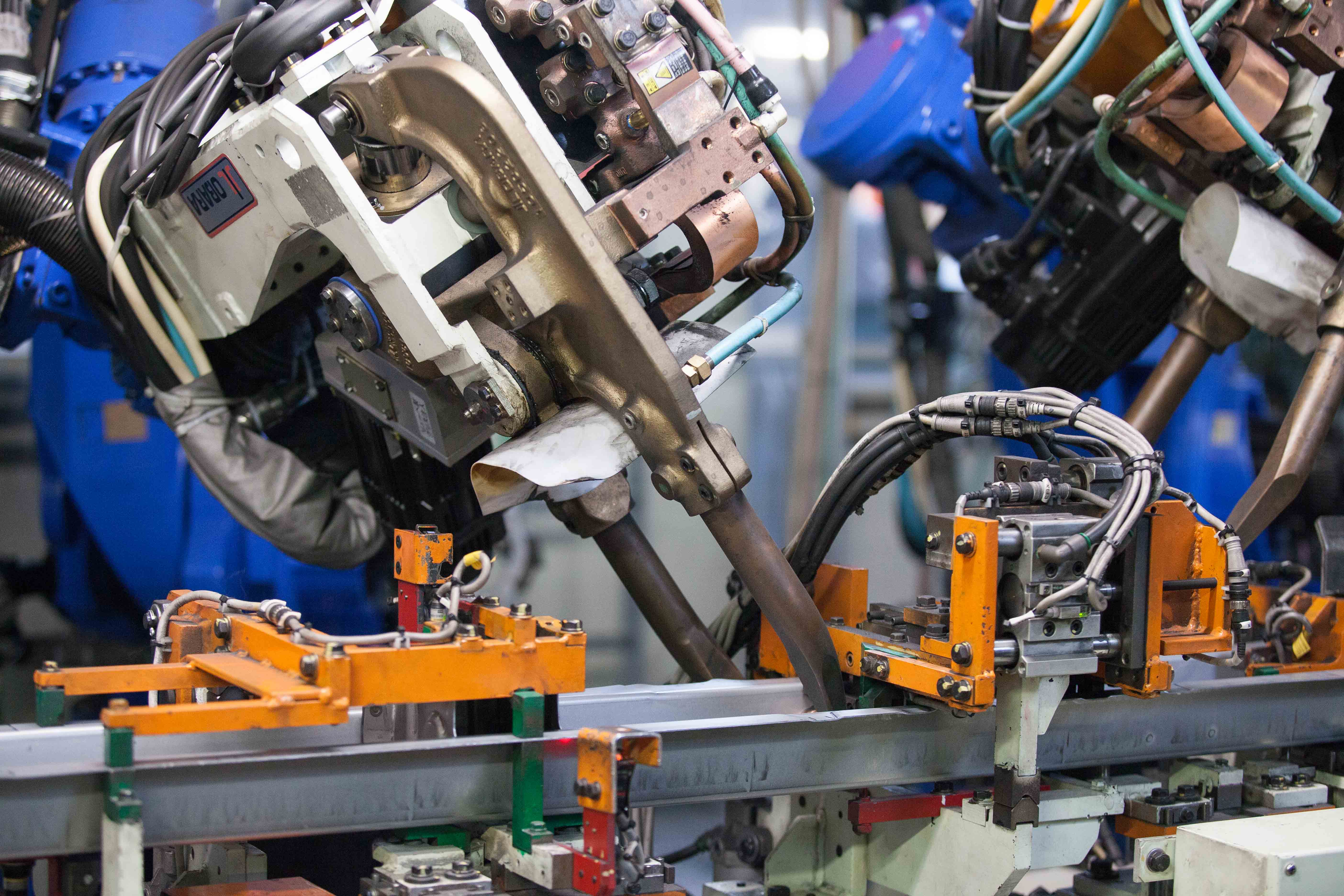
MES Is for More Than Manufacturing
MES has an established role as the main system support for manufacturing. Its primary function is data collection and evaluation. The manufacturing data it collects can then be used as a foundation for monitoring, assessing and managing the manufacturing process based on a plan. But managers aren’t the only consumers of this data. Operators and maintenance staff use it too. That’s why MES is a key component in enterprise systems and is also receiving growing interest in relation to the rise of new technologies and the overall trend of interconnecting manufacturing and logistics.