From digitalising processes to digitalising decisions


Aimtec
8. 9. 2026
4 minutes reading
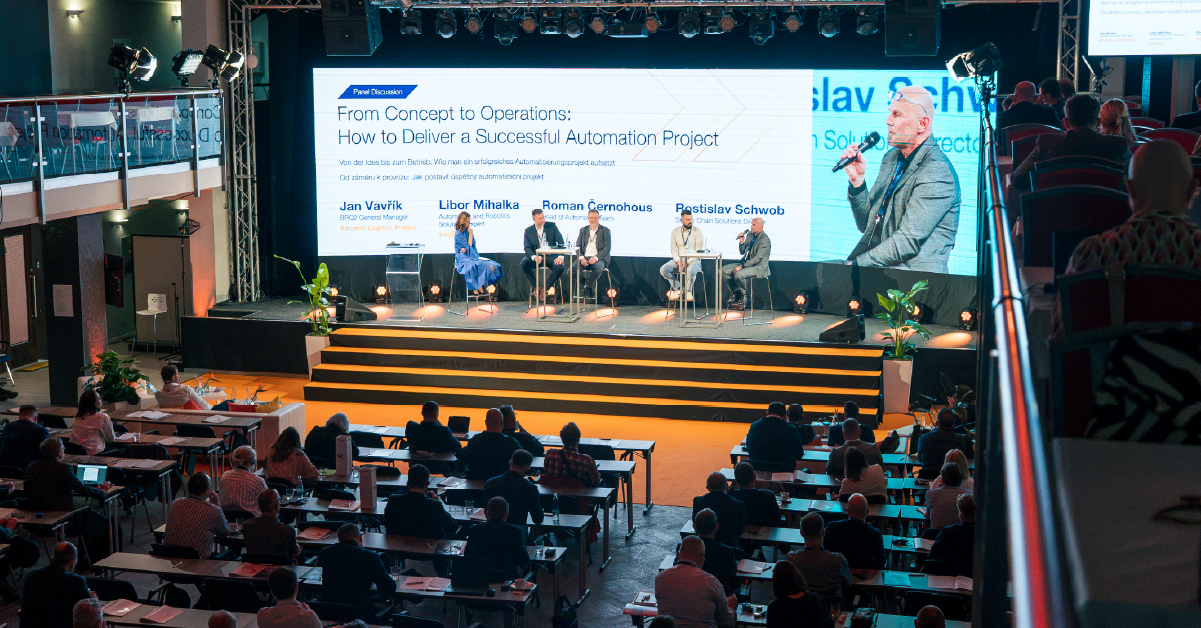
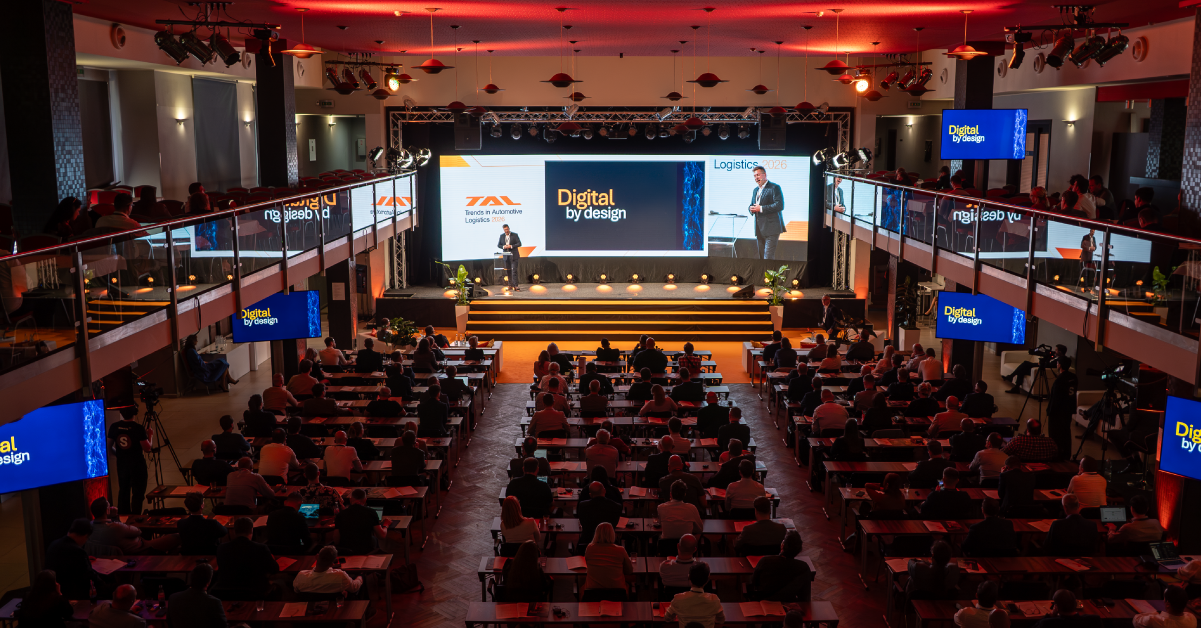
Digitalisation is more than just converting processes into digital form or introducing new tools. Its real goal is to help a company decide based on what’s likely to happen tomorrow, rather than just assessing yesterday. At the TAL 2026 conference this June, Aimtec’s Supply Chain Solutions Director Rostislav Schwob described what manufacturers need to do and where to begin.
A digital factory that sees ahead
The pressure to reduce prices, shorten delivery times and raise quality forces manufacturers to seek more efficient ways of managing their operations. The situation is complicated by growing costs, demand fluctuation, a lack of qualified people, supply-chain uncertainty and growing cybersecurity demands.
All of this makes the ability to respond to events in real time and pass on information to where it’s needed right now a top priority. “There’s no future in decision-making based on what happened yesterday. We need to know ahead of time what will happen tomorrow, a week from now, or a month, and act accordingly,” Rostislav said. The Digital Factory concept helps with this – it interconnects work sites, machines, people, logistics, suppliers and customers. Workers receive the latest instructions, machines report each manufactured piece’s parameters and the system monitors the quality and status of materials on the fly. Meanwhile, this is not yet another central system that weighs everything down.
Time is the most expensive resource. Strategies can be bought or drafted, but they only make a difference when they’re implemented. Because of this, it doesn’t pay to wait for ideal conditions.
Clean core, flexible surroundings
Companies often grapple with dependence on older, hard-to-modify monolithic ERP systems. Excessive customisation can meet a specific need in the short term, but it often slows down upgrades and locks a company into a single solution. That’s why the goal here isn’t to replace the ERP, but to keep its core as clean as possible and build a modular digitalisation layer around it. That layer interconnects production, logistics, quality, maintenance and data and makes it possible to swap individual tools in and out in real time, in stages and in-house, without needing to involve external suppliers. Event-driven (API-first) integration ensures that information on things happening in production reliably reaches all the systems that need it.
AI replaces manual algorithm-building
“Data is a treasure – but only when people trust in it and are capable of harnessing it. If the data is low-quality, neither prediction nor artificial intelligence will work,” Rostislav emphasises. When data is clean and up to date, AI can build on it too. Instead of manual programming of every scenario, it is fed rules and constraints, such as who carries heavy and light boxes, where expensive goods are stored, when deliveries are being made to a specific customer or what priority an order has. The system then calculates the order of tasks on the fly and proposes the best variant based on the current situation. The algorithm can fine-tune its decisions at any given moment, precisely according to the rules provided.
Time is the most precious resource
Companies should start out by confirming that digitalisation is a part of their strategy, then setting responsibilities and mapping obstacles in the existing architecture. Then they need to clarify the specific operational problem and its expected impact on the customer, costs, delivery times or operator workload. A pilot project only makes sense in cases where it is designed for expansion from the start. Alongside the technology, a company thus needs to assign an owner, assemble a team from Production, IT, Logistics and Data, set measurable benefits and engage shop-floor users. The change must make people’s work easier rather than adding more paperwork.
Our recommendation is simple: choose a single use case that makes sense, cleanse your data and connect your systems so that they share events in real time. Verify the benefit for operations, adapt solutions based on the people who work with them, and only start scaling after that. Because delaying your decision tends not to be a safe choice – it just lengthens the road to results.

Get top stories from logistics, production and IT.
By registering, you agree to the processing of your personal data by Aimtec as described in the Privacy policy.
Related stories