
Digital Factory

Mapping Factory ‑ Developing EDI Conversions
The Digital Factory doesn’t have to only mean introducing Industry 4.0 at manufacturing and logistics firms. We also have our own digital factory at Aimtec.
Real‑Time Location System: Your Bodyguard
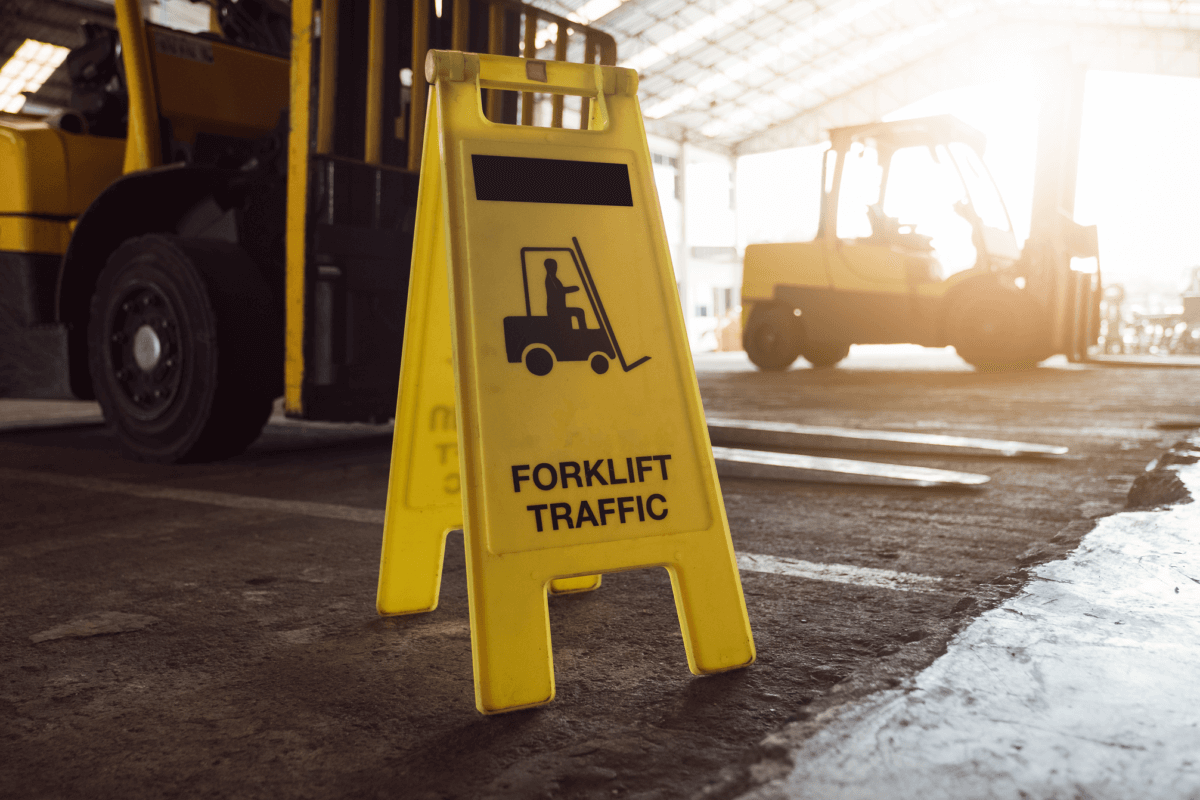
Imagine a warehouse where the workers don’t have to scan shelf positions and where the forklifts automatically avoid high-traffic spots so that they never have to wait and yield.

The TAL 2020 Conference: The Best in European Automotive
“Each year’s TAL has one thing in common. Our wish for its participants to bring home the best of experiences, as well as ideas that will help them towards an even better formulation of their vision and strategy for manufacturing and logistics management,” says Roman Žák, chairman of the board at Aimtec, on the history of Trends in Automotive Logistics (TAL). Originally a side event for Autosalon, a trade fair in Brno, it has become an independent conference with international speakers and attendees, will be celebrating 20 years in 2020 and promises an attractive programme once again.
Deloitte and the Digital Factory
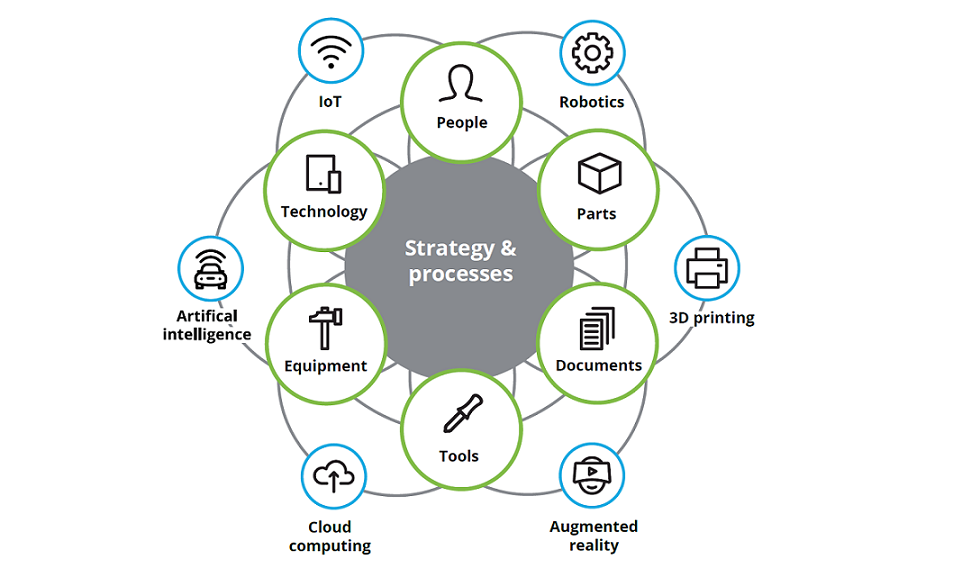
Manufacturers are facing a new age of physical production. Advanced processes, new materials and increasing automation are reshaping the industry. Business leaders are beginning to ask themselves how to keep up with market changes…
MES Is for More Than Manufacturing
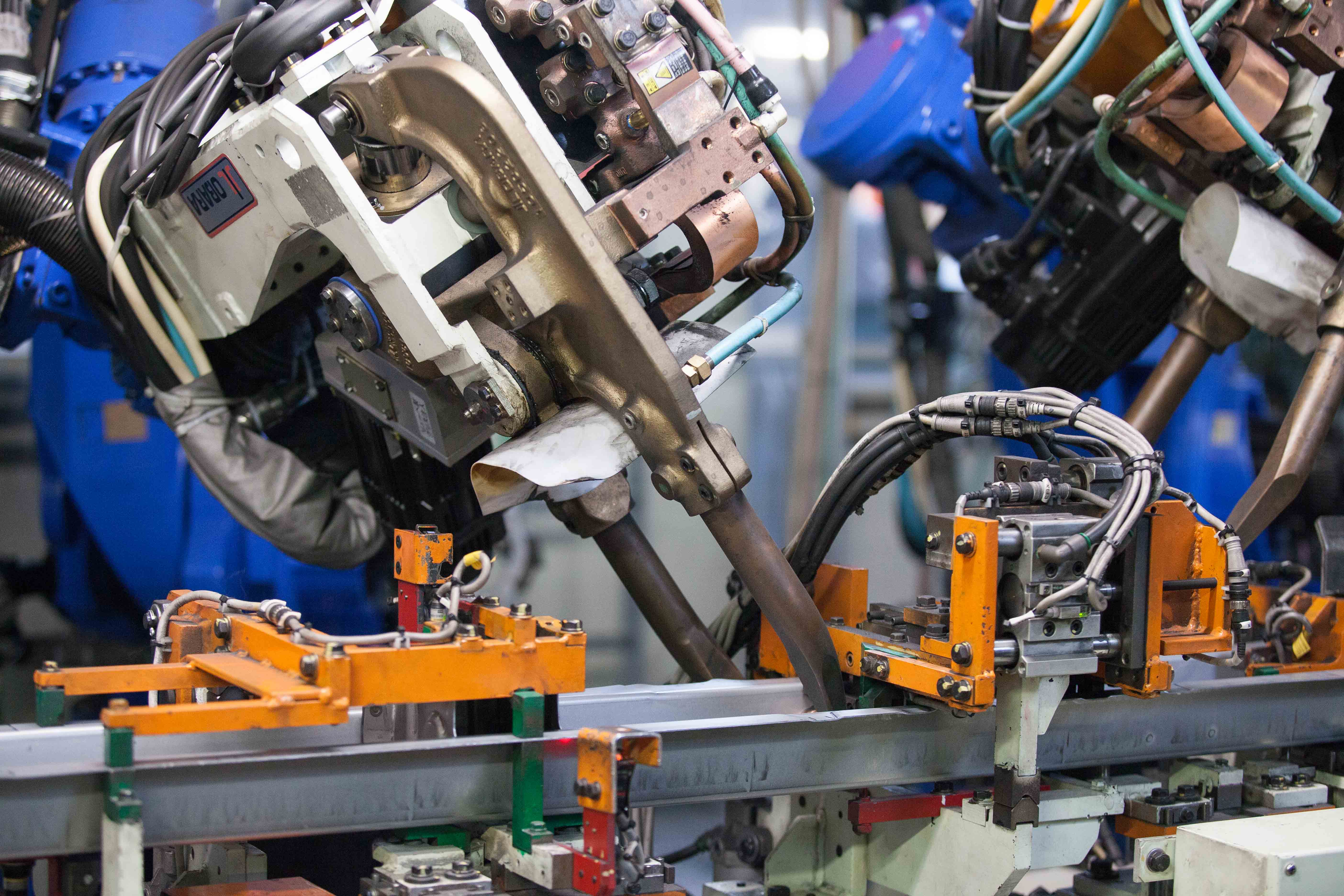
MES has an established role as the main system support for manufacturing. Its primary function is data collection and evaluation. The manufacturing data it collects can then be used as a foundation for monitoring, assessing and managing the manufacturing process based on a plan. But managers aren’t the only consumers of this data. Operators and maintenance staff use it too. That’s why MES is a key component in enterprise systems and is also receiving growing interest in relation to the rise of new technologies and the overall trend of interconnecting manufacturing and logistics.

How to Approach Logistics Automation
Automation. It’s so tightly tied to industrial manufacturing that just about everyone thinks of robots when they think of assembly lines. But what do you think of when you hear the phrase “internal logistics automation”? Self-driving forklifts? Conveyor belts? Warehousing and logistics was a back-burner field until recently, but now it’s time to change that. After all, inefficient intralogistics processes generate considerable financial losses. Thanks to the latest technologies, we can free workers’ hands and take productivity to a level that would be unachievable with manual warehouse operations. But how does one approach automation? What are its possibilities? What can it lead to? We have some answers for you.

Automation and Jobs: The Skills Revolution Is a Necessity
Automation replaces people. But does this mean we’re losing jobs? The media might make that seem at first to be the case, but what’s the real situation? Should we worry about massive redundancy and thousands of the unemployed? The jobs experts at Manpower and their study named “Humans Wanted: Robots Need You” tell us the opposite. Companies are seeking employees despite automation – new positions are being created with entirely new work tasks. After all, robots can’t get by without people. Thus we can expect a shift towards completely new activities and the need for a different approach to employees.

Warehouse Automation Achievement: Sellier & Bellot
Sellier & Bellot is one of the most successful industrial firms in the Czech Republic – and one of the oldest munitions manufacturers in the world. And it is also a renowned name in sport, for example in shooting disciplines and biathlon. Interestingly enough, it is likely the only company to have its own game reserve on its premises. But let’s take a look at the Sellier & Bellot warehouses, which saw a key turning point in 2016, when a new hall was built and equipped with a fully automated warehouse.
How Can You Master Automation? Your Internal Team and Innovative Project Tools Are the Key
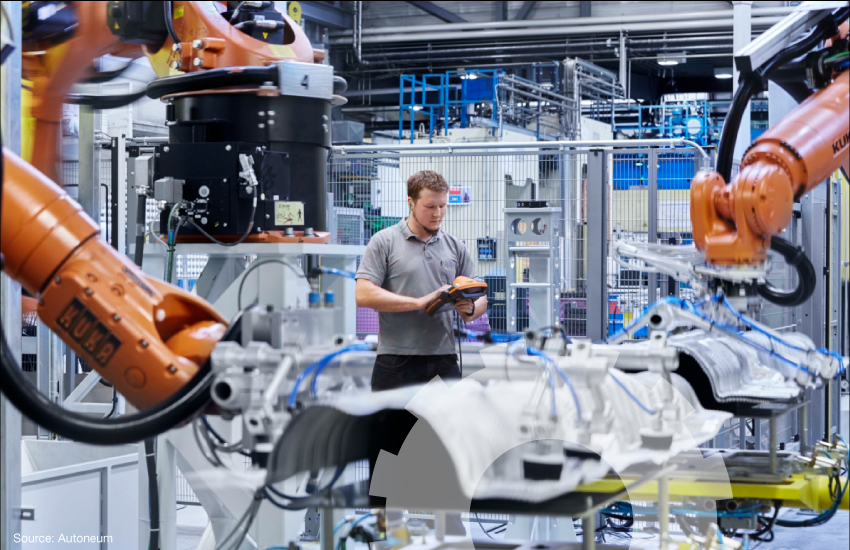
Automation’s benefits are clear – saved costs, reduced human error, and faster, more efficient processes. But how much time will it take your team to grasp this Holy Grail? How can you prepare your key people for what awaits them and empower them to enable a smooth course for the entire project? Success is not just about suppliers and technologies, although they do play an important role. An often forgotten, but fundamental pillar lies elsewhere. In your people’s time.
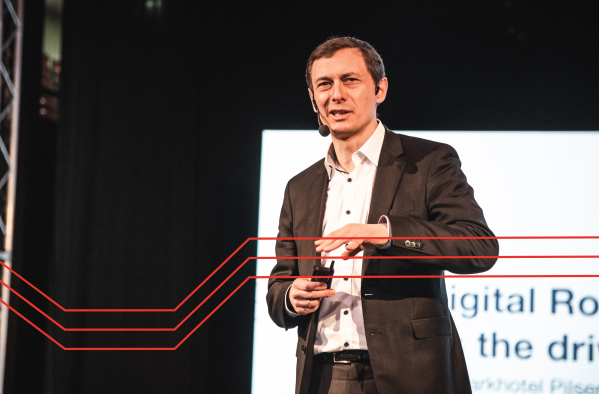
What Makes Smart Logistics Smart? An Interview With Marco Prüglmeier From BMW Group
When it comes to digitalization in logistics and manufacturing, the question most often asked is what will happen to the human workers. Will they be made redundant? The very clear answer is “no”. Digitalization is nothing without human workers. It is there to support them, not to replace them.

Petr Eret on Remote Delivery: It’s More a Mental Change Than a Technological One
Delivering software solutions entirely remotely? Completion of projects without the need to visit the plant or warehouse is one option offered by Aimtec, a consulting and technology firm based in the Czech city of Pilsen, which has been providing software solutions for manufacturing and logistics for almost 25 years. How important a role does COVID-19 play in the shift to remote delivery, and what demands does this delivery method place on the customer? We’ve asked Aimtec’s Senior Business Consultant Petr Eret about all this and more.
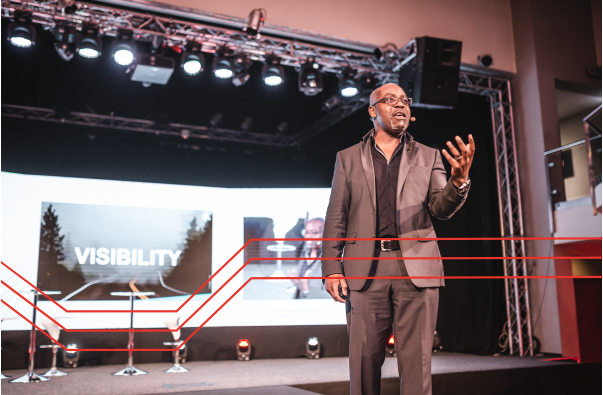
How Do We Create Intelligent Automation?
That’s the question Paul Norford from Zebra Technologies tried to answer at TAL 2020. Yet his speech at this conference definitely was not about technologies and different products and features. Anyone who’s had the good fortune to meet this enthusiast already knows what element Paul considers the most important in automation; for the rest of you, we have a short summary of his presentation.
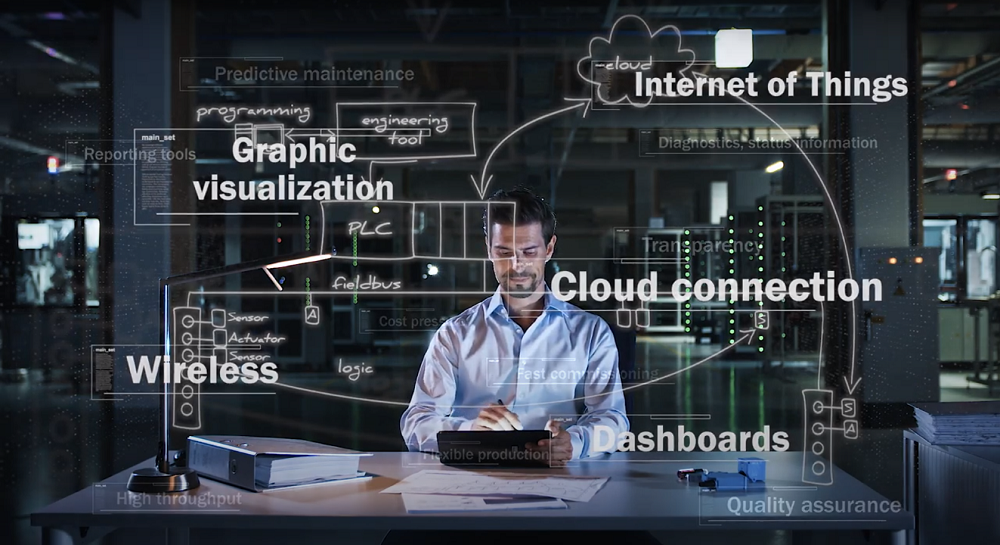
Get the Data You Need for Industry 4.0 with IO‑Link Communication
The Covid-19 viral pandemic is affecting both human health and the global economy. The restrictions on movements of persons, above all, have revealed certain weaknesses in manufacturing and supply systems across different fields. Even before this global crisis broke out, automation and industrial robotisation – jointly known as Industry 4.0 – were of growing importance. So it is very likely that pressure for automation of manufacturing and logistics will increase in further areas even after the crisis ends.

It Won’t Work without Robots: How to Accommodate the Extreme Personalisation of Manufacturing
Autonomous robots are gradually becoming common “employees” at manufacturing and logistics companies. Everyone wants them. However, the presentation by Faouzi Grebici from OMRON at TAL 2020 led us to realise that they are the mere tip of the iceberg of a modern, maximally efficient warehouse. Nevertheless, they do play an important role in the transformation of manufacturing and logistics. Will robots play a greater role than their human colleagues?
5 can’t‑miss changes in DCIx
Far greater and more efficient utilisation for the data you collect, broader possibilities for in-house editing and transaction creation, and of course a cloud-native approach. And the new offerings in DCIx go beyond just this – there’s news in the client applications as well. Read up on the system’s five most important changes, which are not to be missed.