
Automation
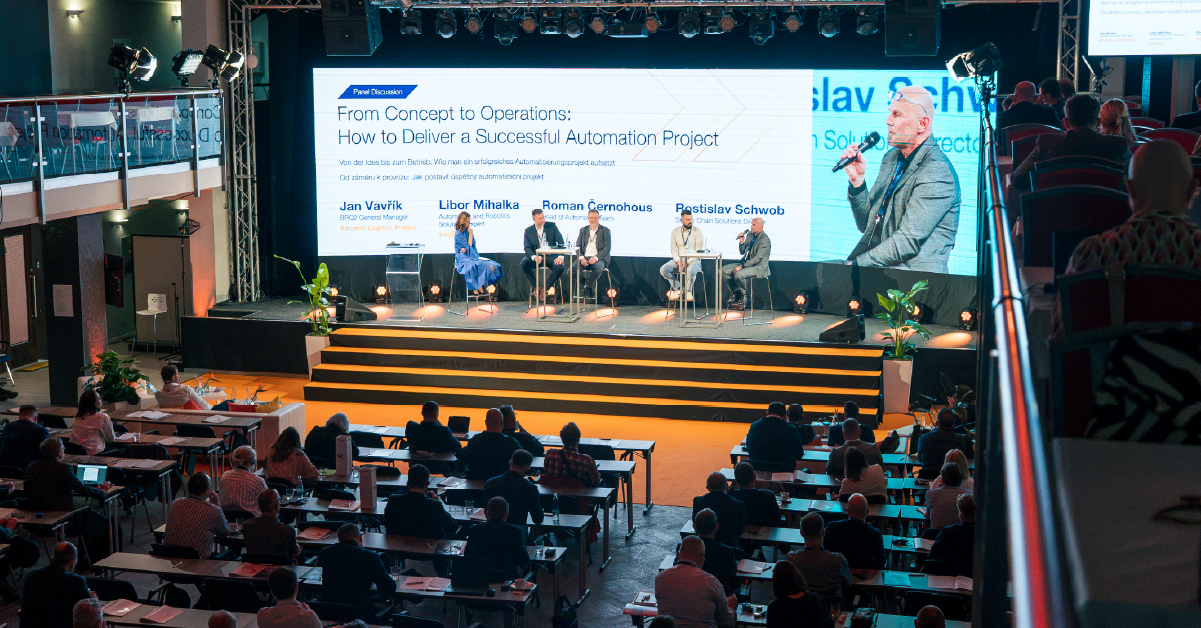
Automation Starts with Processes, Not Robots
An automation project’s success is built on more than just your choice of technologies. Above all, it’s built on good data, well-configured processes and a realistic plan. How can you integrate simulations, digitalisation and AI so that your investment weathers changeable operations? Jan Vavřík from Amazon, Rostislav Schwob from Aimtec, Roman Černohous from Logio and Libor Mihalka from LogTech shared their experience at June’s TAL 2026 conference.

Automation? Don’t Ask Whether – Ask How.
Manufacturing and distribution companies aren’t just considering automation today – they are planning it. But the key thing is to know where to start, what to think over in advance and how to tell if you’re truly ready to get the most out of this type of project. Aimtec’s Automation Projects Director Jindřich Bek guides customers through the entire process – from the first question to project launch.

An Interview with Martin Kraus: “Simulations Help Us Be Confident We’re Making Good Decisions”
Making decisions about production or logistics changes is always risky. Every step – changing a layout, adding a shift or investing in automation – can transform the whole system’s performance. How can you evade mistakes and decide with confidence? We chatted about all this with Martin Kraus, a simulation specialist at Aimtec.

Vinyl Production at GZ Media Is Built on Expertise, Technology and a Good Team
Among the distinctive speakers at the Trends in Automotive Logistics (TAL) 2025 conference was GZ Media’s Chief Executive Officer Michal Štěrba. This company from Loděnice, a small town near Prague, has an inspiring story: since its founding in 1951, it has seen a number of changes that have led it into the ranks of the world leaders in vinyl record manufacturing. One of this firm’s key innovations in recent years is the logistics and manufacturing automation project that it launched in 2023.
Trends in Czech Logistics 2025 Study: Automation Is Essential
Automation, the collection, evaluation and utilisation of data, the deployment of AI tools, and sustainability. These are the pillars of future growth – and the solution to logistics' most urgent problems, such as the manpower crunch, wage growth pressure and increasing regulation from the EU. These are the conclusions from the Trends in Czech Logistics 2025 study, prepared for SKLAD by the Ipsos agency.

Petr Kraus, SPORTISIMO: Automation technologies can work miracles. But not on their own – these miracles take effort.
Petr Kraus has been in IT for over two decades. He’s full of insights into retail, logistics and manufacturing. The interconnectedness of these areas is what lets him view things with the needed distance. One recent project that he’s just completed is for the Ostrava central distribution centre of the sporting goods distributor SPORTISIMO, s.r.o. What questions did he consider? What challenges did he face? Did everything always turn out smoothly when he knew exactly what he wanted? How did he select suppliers and technologies, and what could he recommend, based on his rich experience, to other companies seeking to automate? We asked Petr about all this and more.

Efficient in the Dark: The Five Phases on the Way to a Dark Warehouse
Fully automated warehouses – dark warehouses – aren’t just science fiction anymore. They’re coming to the forefront in the real world. They operate without human intervention and in the dark, because their robots and machines can work without light, and their processes run based on system commands. What are the ideal steps and paths on the way to a dark warehouse? Can digital twins help with deploying these warehouses?

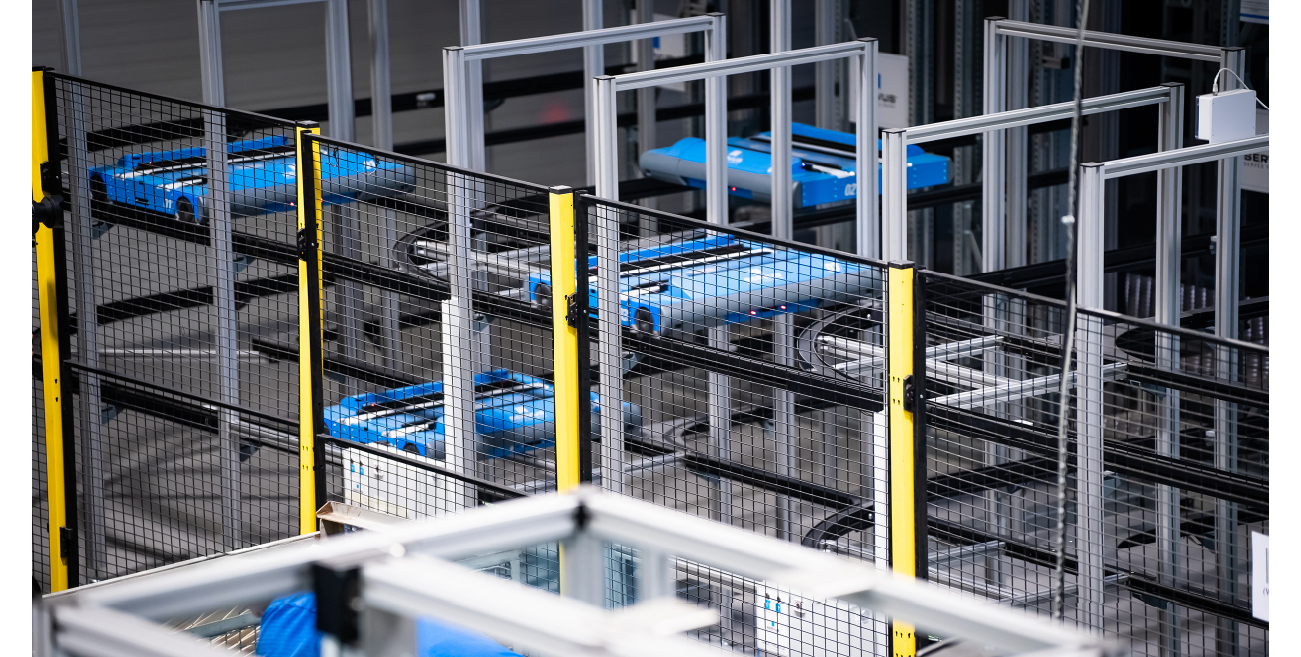
Scherdel ‑ Flexibility as a key goal of automation
Inhouse logistics starts to be a difficult issue from companies of medium size. One such company is SCHERDEL, whose Czech division has embarked on a project to automate and digitalize logistics, specifically by implementing a fully automated warehouse full of self-driving robots. During the work, the entire concept changed several times, because one of the key conditions of the whole solution was flexibility, which is not easy to provide through automation. The experience of building an automated warehouse was submitted by the company's managers in a presentation at the TAL 2023 conference.
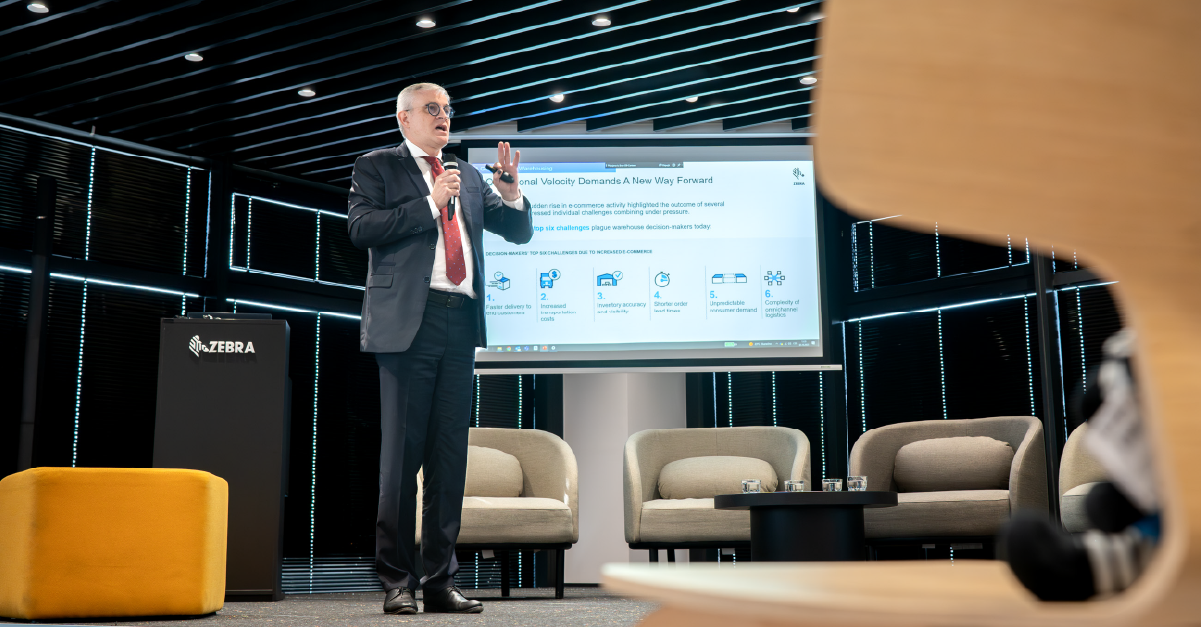
Market pressure is the greatest catalyst for change
Zebra Technologies, a global leader and innovator in automatic identification, conducted a Warehousing Vision Study among thousands of industry decision makers around the world, which yielded interesting industry perspectives and preferences. Marian Šramko, Vice President Sales, Eastern Europe & Middle East at Zebra Technologies, spoke about some of them.
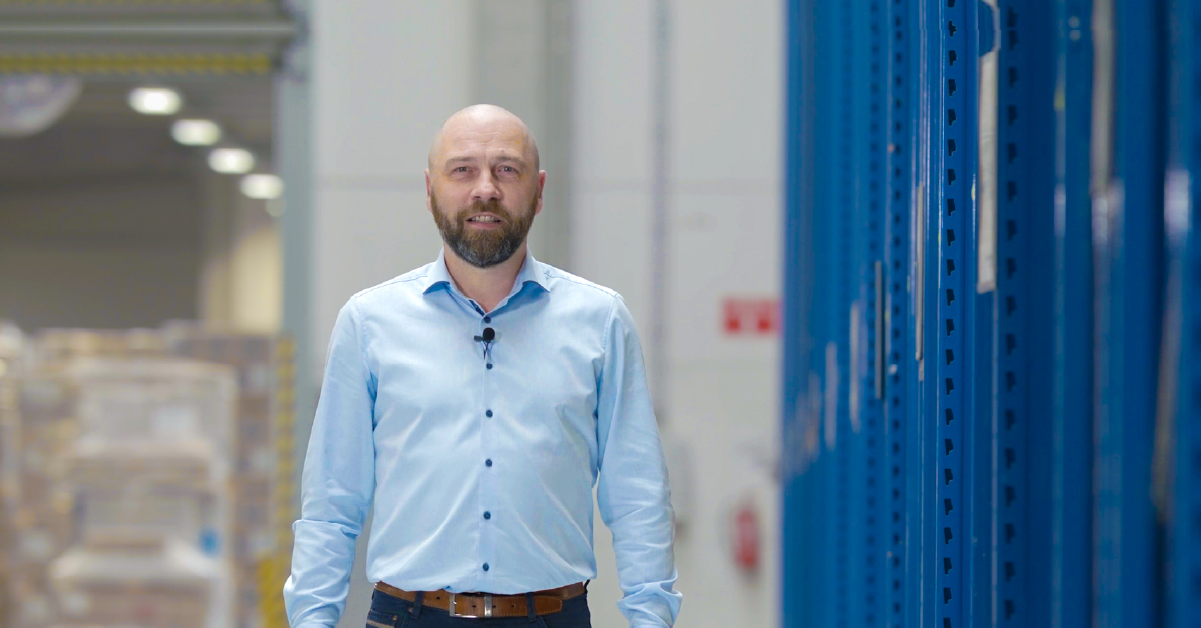
An interview with LASSELSBERGER's Head of Logistics on a successful introduction of changes
RAKO is a brand with over 140 years of tradition. It’s also a member of the LASSELSBERGER group – one of the world’s largest producers of ceramic tiles. I visited the RAKO distribution centre in Chlumčany and spoke with Pavel Vokáč, Head of Logistics at the Czech branch, about how these products’ logistics has some surprising specifics.
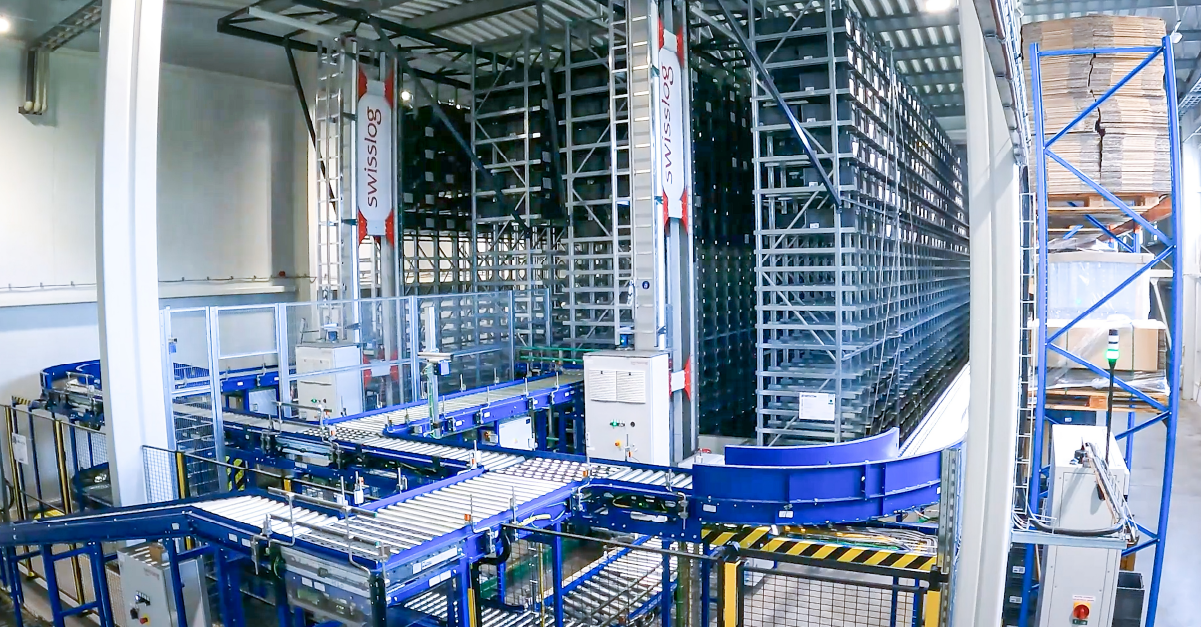
Brano ‑ the path to 21st century logistics
From complete locking mechanisms, other mechanical parts, door handles to fuel tank caps for Skoda Auto and other car companies. This is the business of Brano, which has recently committed to a change in logistics and invested in digitizing its warehouse to minimize the role of humans. At the TAL 2023 conference, Denis Kittrich, a technologist from Brano, together with Jiří Žižka, project manager at Aimtec, explained how the project was carried out.
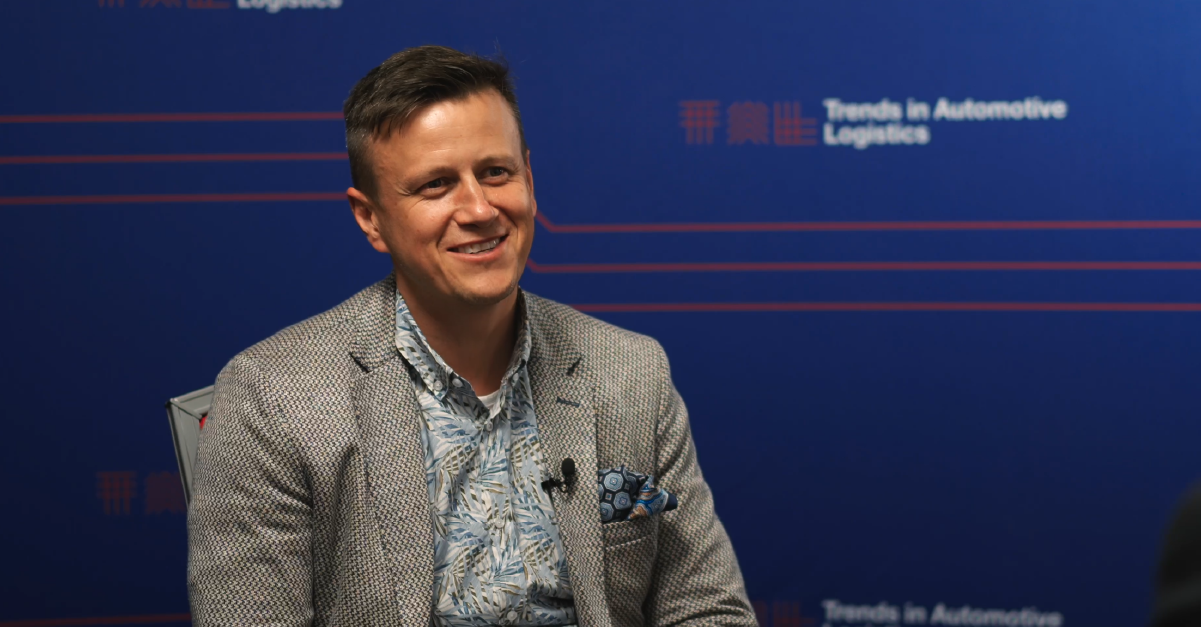
Resilience, prediction and risk monitoring form the key to modern logistics, says David Strnad
The automaker Škoda Auto is a major player in the world of logistics. Every day, 3,500 freight trucks arrive at his races. Managing everything from the perspective of warehouses and the entire system, and ensuring production and employment for 30,000 people, is a challenging task. Can an automaker turn logistics trends such as digitalisation and automation into a company reality? What’s the right way to face today’s challenges, and what does a successful project look like? David Strnad, Head of Brand Logistics at Škoda Auto, has shared his opinions in an interview with Aimtec’s Rostislav Schwob.
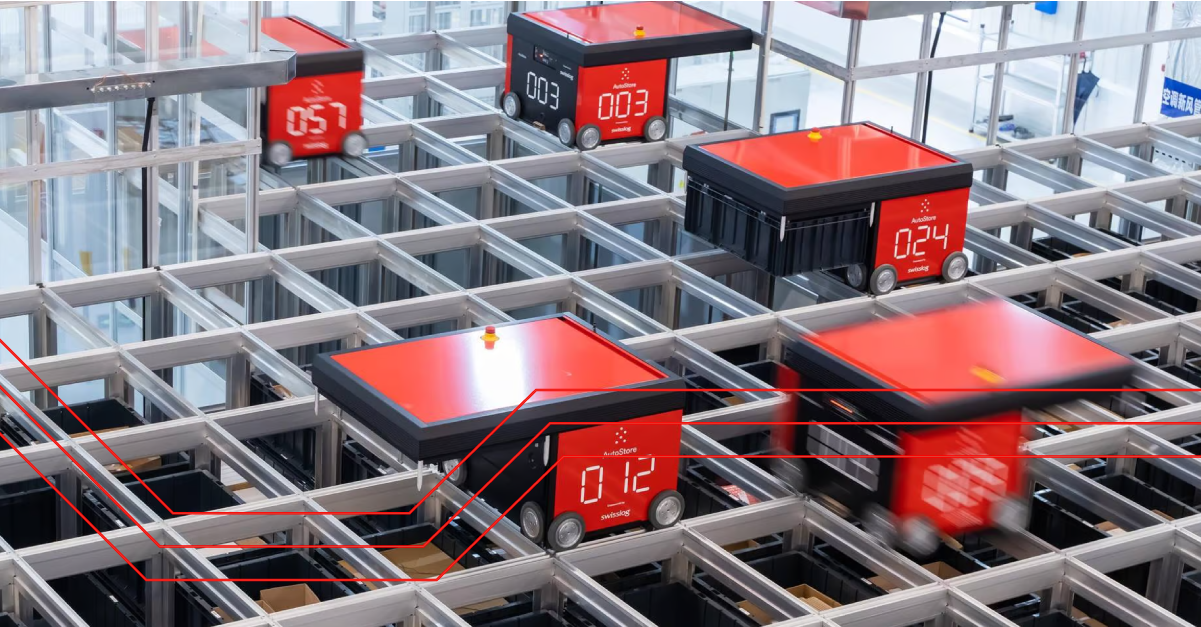
Warehouse automation has become the key to competitive advantage
Swisslog, one of our main partners at the Trends in Automotive Logistics (TAL) 2023 Conference, is a leading provider of automation solutions for warehouses and distribution centers. In today's fast-paced business landscape, speed of fulfillment has become a critical factor for success. Customers expect goods to be available and delivered quickly, and businesses that cannot meet these demands risk losing customers to their competitors. In this article, Swisslog share their insights into the importance of flexible automation in today's fast-changing logistics landscape.

Hunger for change and the need for a strong team ‑ what do our TAL speakers emphasize when building a career?
The Trends in Automotive Logistics conference (TAL) is not just about technology and projects - it's about people and sharing experiences. So we asked the speakers what had given them the biggest boost in their professional career, what was most important to them. The question for all involved was: What do you consider the most important thing you have learned during your career?

Automation: only a scalable concept will ensure companies a place in the market in ten years' time
Automation has been penetrating logistics for many years. Automation technologies often include a barcode scanner, a device that is several decades old. It is therefore not surprising that the intentions and expectations associated with automation have evolved over time. These and other topics were discussed by Jindřich Kadeřávek, Managing Director and executive officer at Element Logic, Libor Mihalka, Managing Director at LogTech, David Strnad, Head of Logistics at ŠKODA AUTO, Jan Linhart, Senior Project Manager at Alza.cz and Rostislav Schwob, Supply Chain Solutions Director at Aimtec.

Automation Remains Main Trend in Czech Logistics Even in Times of Expected Crisis
What does the present and future of Czech logistics look like? Where are investments going? To what extent is the storage and logistics sector affected by the post-COVID situation and the war in Ukraine? These and other questions were answered in the unique Trends in Czech Logistics 2022 survey conducted by Ipsos for the SKLAD trade association, of which Aimtec is a member. 132 companies took part in the survey and the responses by their managers show an emphasis on deepening digitalization and optimization of logistics processes and warehousing.

Optimising material flows thanks to smart automation
This July, experts in manufacturer material flow and value chain optimisation met up in Nuremberg, Germany under the leadership of the Bayern Innovativ business networking organisation to discuss things together and share best practices. The individual presentations offered up specific technologies and verified approaches and best practices when implementing innovations. Sales Manager Jiří Hanžl joined the event to present Aimtec’s experience in this area through a presentation on smart logistics automation.
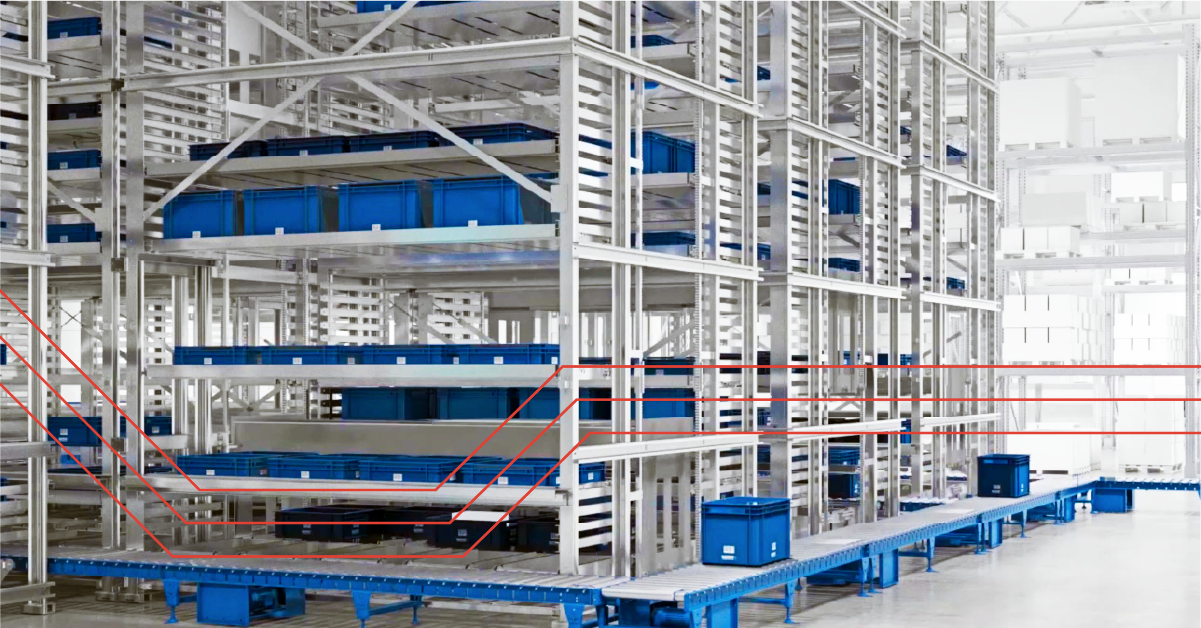
Automation in Logistics – From Hardware to Artificial Intelligence
Intralogistics and warehouse automation were once again among the main topics at this year’s TAL conference. And Czech technology start-up VertiFlex, which was one of the main partners for the entire event, focuses on precisely these areas. VertiFlex is active on eight markets in Central and Eastern Europe, to which it supplies automated vertical stackers for warehousing from Swedish manufacturer Weland Solutions boosted with its own VertiNode AI software, which makes use of the possibilities offered by artificial intelligence. In our interview with their managing partner Bohumil Tejnický, we spoke on the development of automation in intralogistics

The warehouse automation market will see strong growth – powered by e‑commerce
The research company Statista is predicting a doubling of the warehouse market automation market by 2026. The volume of investments into automated warehouses, and thus into related technologies as well, is predicted to rise worldwide from its 2019 level of $15 billion up to $30 billion in 2026. This trend was already growing before the pandemic, but now companies that operate warehouses have been forced to shift automation away from “nice-to-have” priority up to “must-have”. If they want to remain relevant in this field, such a strategy change is a necessity. How high will this trend rise?

The Five Things You Need for Successfully Launching Your Production and Logistics Automation Project
The automation of logistics and manufacturing is steaming ahead. This trend has been helped along by the constant pressure for efficiency, along with the digital transformation and a shift towards greater freedom from human capital. All this has made way for the deployment of new technologies, with which automation is often connected. How can you maximise logistics automation’s potential while making sure your project goes as smoothly as possible?
Digitalisation goes hand in hand with automation. And it can bring companies durability and flexibility.
Projects aiming to automate logistics tend to be a major challenge for companies. In this interview with Aimtec co-founder Roman Žák, we discussed the most common errors one encounters in projects like these – as well as how automation relates to digitalisation.
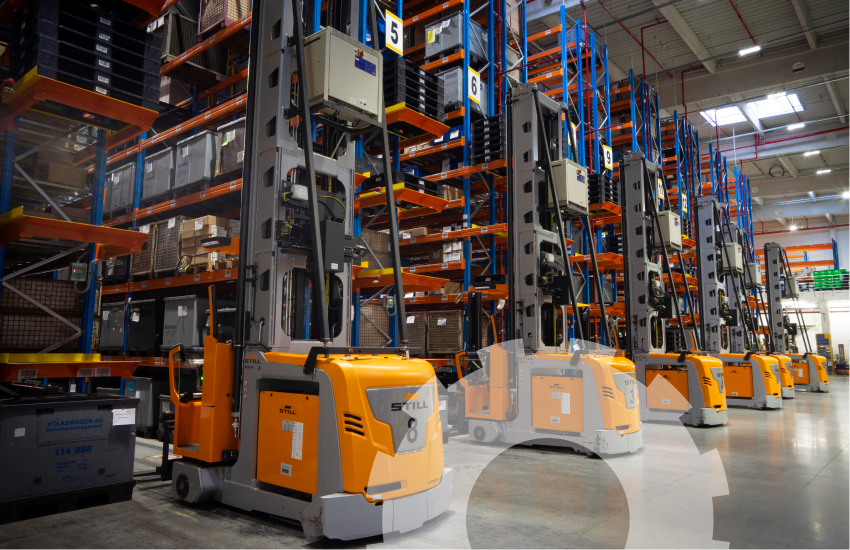
How to Automate Warehouse Processes with VNA: The General Prerequisites
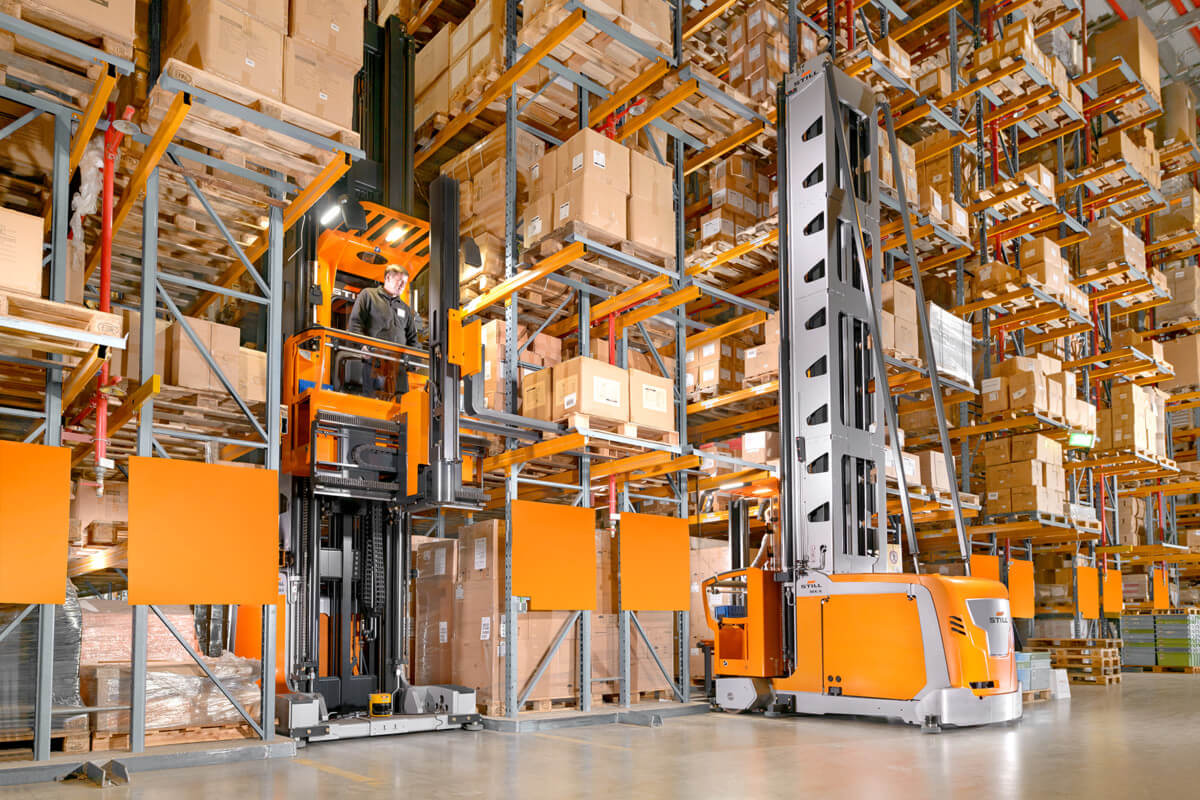
More and more often warehouse halls contain VNA (Very Narrow Aisle) forklifts that zip through aisles all on their own, or in semi-automatic mode. But before they can do that, you need to integrate them into their surroundings properly. Unless you want VNA to stand for “Very Nasty Automation,” you need to make sure not to underestimate preparations. How can you prepare your warehouse and processes for this expansion of your fleet? We have a few tips on how to approach it.

Automation: Keeping Your Control System in Great Shape
In our previous article on how to tackle automation, we mainly focused on your team and on how to take an efficient and modern approach to your new control system’s deployment. Today we’ll look under the hood (or into the code?) of the system itself. You want it to grow along with you – and with the evolution of your processes and the hardware technologies in use at your warehouse. So you need it to be configurable, and naturally you need to attend to its maintenance too. But you can entrust that maintenance to… automation! Join us for a look at how to “automate automation” and have a control system that’s still as good as new after years of utilisation.
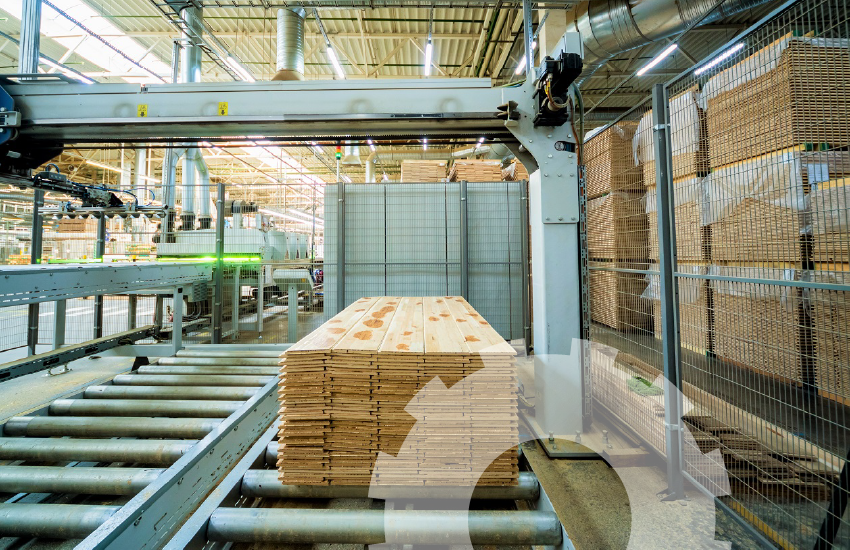
“We Originally Just Wanted to Improve Our Processes, but in the End We Automated Our Whole Warehouse,”
states Libor Toman from the board of directors of DŘEVO TRUST, a.s. He answered our questions just weeks after the start of live operation for their fully automated warehouse – that is, in a very special phase of the project. Mr. Toman captained the new warehouse’s investment project, and therefore we asked him about his experience and the path leading up to the automation.
Automation and HW Technologies in Logistics. a Visible Part of Digital Transformation
In our last issue, we wrote about the digital transformation; about processes, people and changes to the business model.

Automatic Monitoring ‑ Cloud Systems Outages Prevention
Cloud services don’t just mean moving a server off-site. Using them also gives you many services in the background that would otherwise burden your internal team.