

Tomáš Svoboda
Aimtec
Tomáš Svoboda works as Aimtec’s Business Analyst. He’s here to seek out new business opportunities and analyse trends on the market where Aimtec is active or plans to be active. His inputs serve as foundations for the company’s strategic management and business planning.
Tomáš has this to say about mobility trends: “The foreseeable future will bring great changes to the methods and forms of transport used by each of us. Due to strong pressure from regulators and public opinion, traditional individual automobile transport in cities will transform into more efficient and city-friendly ways of transporting people and products. This change will be thanks to industrial digitalisation and automation, the sharing-economy boom, ever-improving access to electric mobility and changing consumer behaviour.”
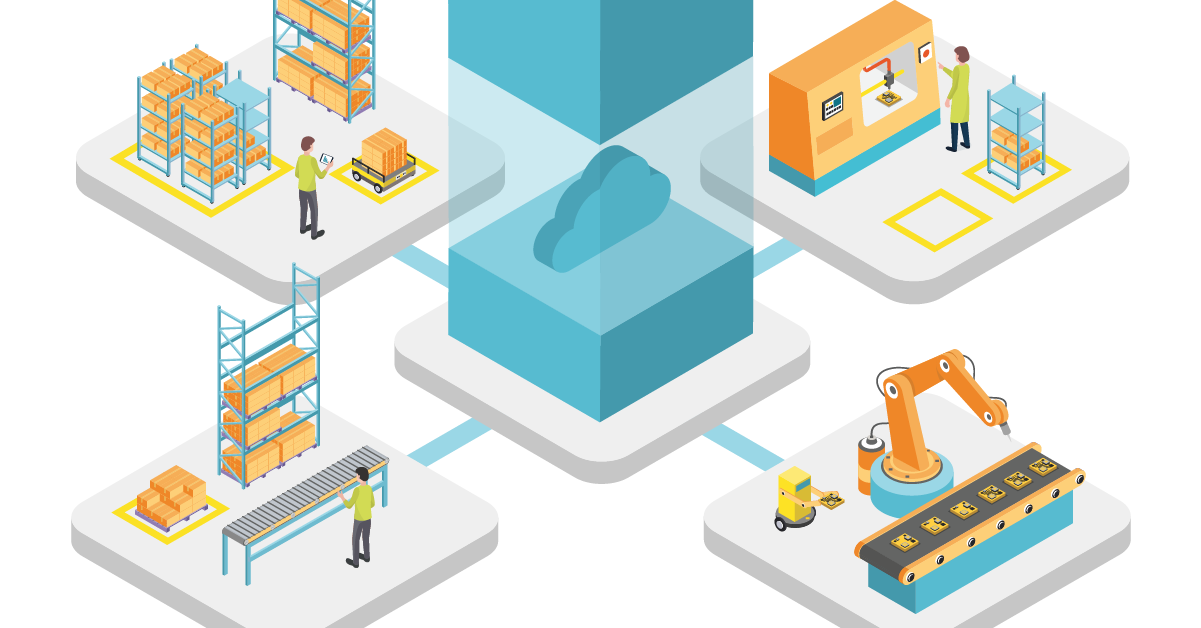
WMS and MES are changing. How will automation and the cloud affect them?
The accuracy of predictions by the consultants at Gartner is uncanny. What sort of future do they prophesy for WMS (Warehouse Management Systems) and MES (Manufacturing Execution Systems)? From monitoring plant or warehouse status, these systems should gradually grow to take on the role of strategic tools – they will enable a degree of automation that until recently was just a dream. All this joined with a perfect overview of the supply chain and, of course, support from the cloud.

Switching to SaaS: a strategic change that saves CAPEX and OPEX
Security, scalability and cost optimisation – these are just a few of the cloud benefits that will surprise few people today. But what else does the cloud conceal? This year we’re expected to see an unbelievable 23% increase in cloud-services spending over 2020 – partly but not solely due to the need to secure remote workforces and optimise IT costs. That’s because the transition to SaaS services has unlocked an entirely new category of company-wide benefits for the strategic development of companies that use it.

Automotive for a New Age: Localised Manufacturing and Supply Chains Alongside New Business Models
For over a year now, the global economy has seen a trial by fire, and it is struggling with the impacts of anti-epidemic measures. In automotive, the pandemic has mercilessly revealed the vulnerability of global manufacturing and supply structures, and meanwhile this sector is seeing the greatest change in a century, with combustion engines gradually giving way to electric.
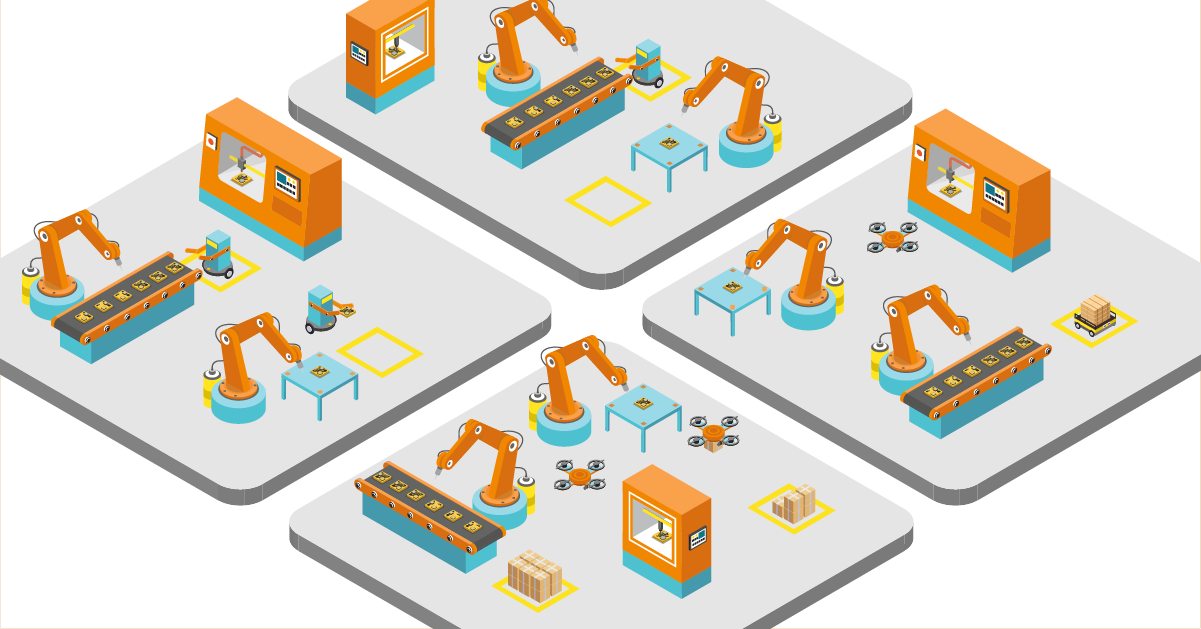
Local automotive manufacturing? Smart microfactories will make it possible.
Traditional production lines may soon be replaced by innovative microfactories consisting of manufacturing cells with flexible robotic stations. These can make do with a floor area that’s two orders of magnitude smaller and can be brought into operation considerably faster.

The warehouse automation market will see strong growth – powered by e‑commerce
The research company Statista is predicting a doubling of the warehouse market automation market by 2026. The volume of investments into automated warehouses, and thus into related technologies as well, is predicted to rise worldwide from its 2019 level of $15 billion up to $30 billion in 2026. This trend was already growing before the pandemic, but now companies that operate warehouses have been forced to shift automation away from “nice-to-have” priority up to “must-have”. If they want to remain relevant in this field, such a strategy change is a necessity. How high will this trend rise?

Expensive electromobility may endanger Europe’s OEMs
Even ten years from now, European OEMs will still spend more to produce each electric vehicle than they would for a compact automobile with an internal combustion engine. Pressure on companies’ profitability will continue to grow, and in time it can lead them to merge into larger units – and to share R&D costs as well. Will Europe’s automotive leaders fall into the red?
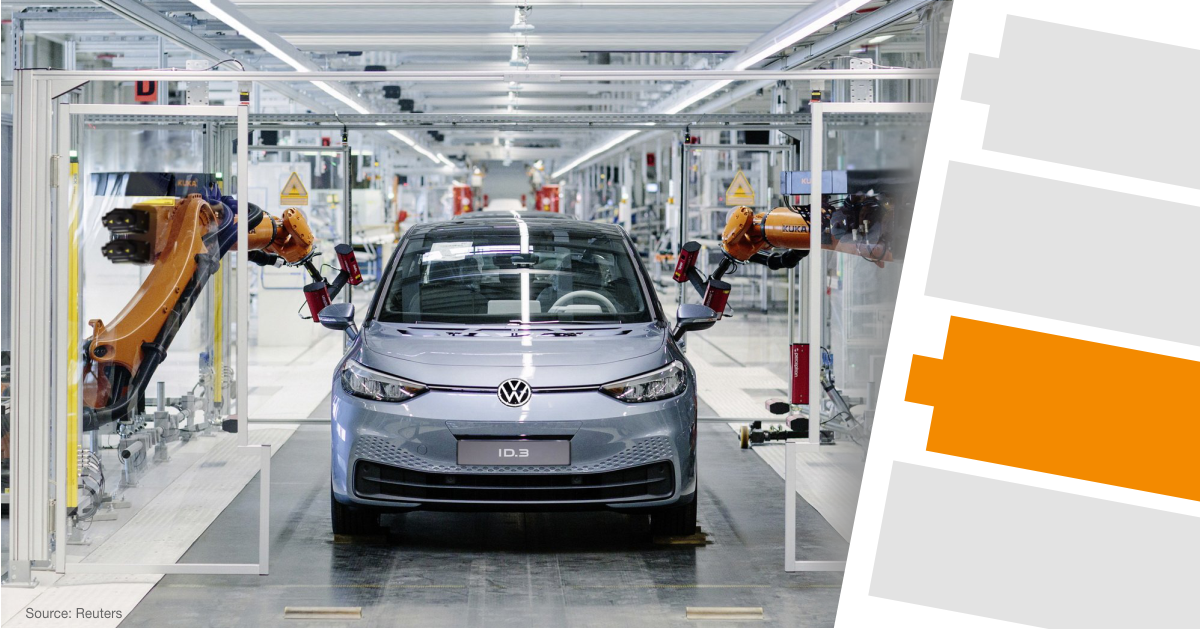
Electromobility: Even Production at a Loss Can Pay Off
In August of 2019, the Deloitte consulting firm published a study focused on automotive suppliers (the 2019 Global Automotive Supplier Study). It states that automotive suppliers’ revenues in 2018 amounted to 1,700 billion USD. Their segment analysis revealed that the income for certain components (the fuel system) may drop by up to 20 percent by 2025, and meanwhile certain attractive products (the electric drive unit) can generate up to three times as much revenue as they do today.
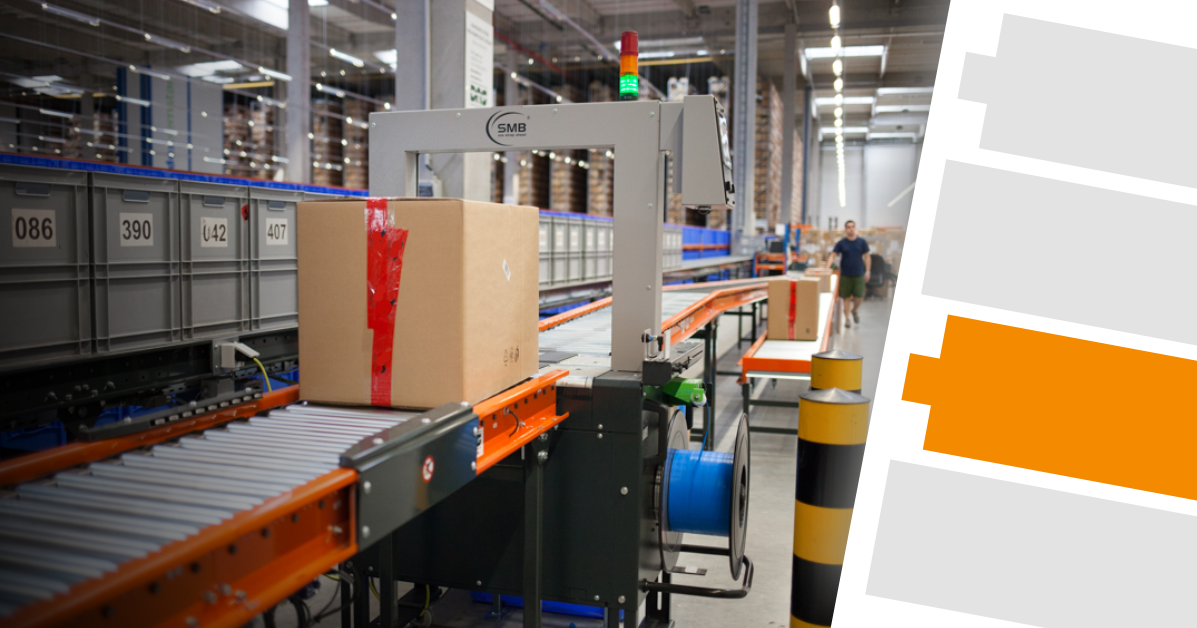
The Future of the Automotive Industry: Automation and New Partnerships are the Solutions
Regulations, technological development and a change of view of car ownership all affect the automotive industry as we know it. In our latest episode on the future of the automotive industry, we focused on what automakers and their suppliers can do differently to keep pace and place amongst the list of the most successful companies.

The Future of Automotive Industry: Consequences of E‑Mobility
What changes do automotive suppliers expect with the increasing trend of e-cars? And is the only change awaiting us in passenger cars the engine? We respond to this in the third part of our mini-series on electromobility and its impact on the automotive industry.

The Future of Automotive Industry: Who Invests into E‑Mobility?
Electric cars are the theme of all the big automakers, and it seems that we are going to have a rapid onslaught of e-cars. Or not? After introducing the issue, in the next episode of our series on the impact of e-mobility on the automotive industry, we will focus on the investments into e-mobility and whether batteries are the only alternative to the combustion engine.

The Future of Automotive Industry: Will Electric Motors Replace the Combustion Engines?
After over a century of using combustion engines as the main system of propulsion in passenger cars, this type of engine is slowly being curbed in favour of electric motors. The world is expecting that electric cars will skyrocket… Or is it? Why? What sort of impact may e-mobility have on Europe’s automotive industry? Which unanswered questions regarding e-mobility remain on the table? We try to answer these questions in our series, starting with this article.