
MES

Rostislav Schwob: The Latest Aimtec DCIx Version Makes Connected Manufacturing and AI/ML a Reality
The world around us is constantly accelerating and globalising. That means growing competition, and companies are pushed into ever greater and more frequent changes. New technologies are rushing at them from all sides. It seems like just about everything can be automated now, and everything can control itself with help from digitalisation and artificial intelligence. How can the Aimtec DCIx digitalisation platform help companies with this? And what will our October seminar for customers be showing them? We came with these questions to the person best placed to answer them: Aimtec’s Supply Chain Solutions Director Rostislav Schwob.
Five tips for successfully digitalising a plastics production line
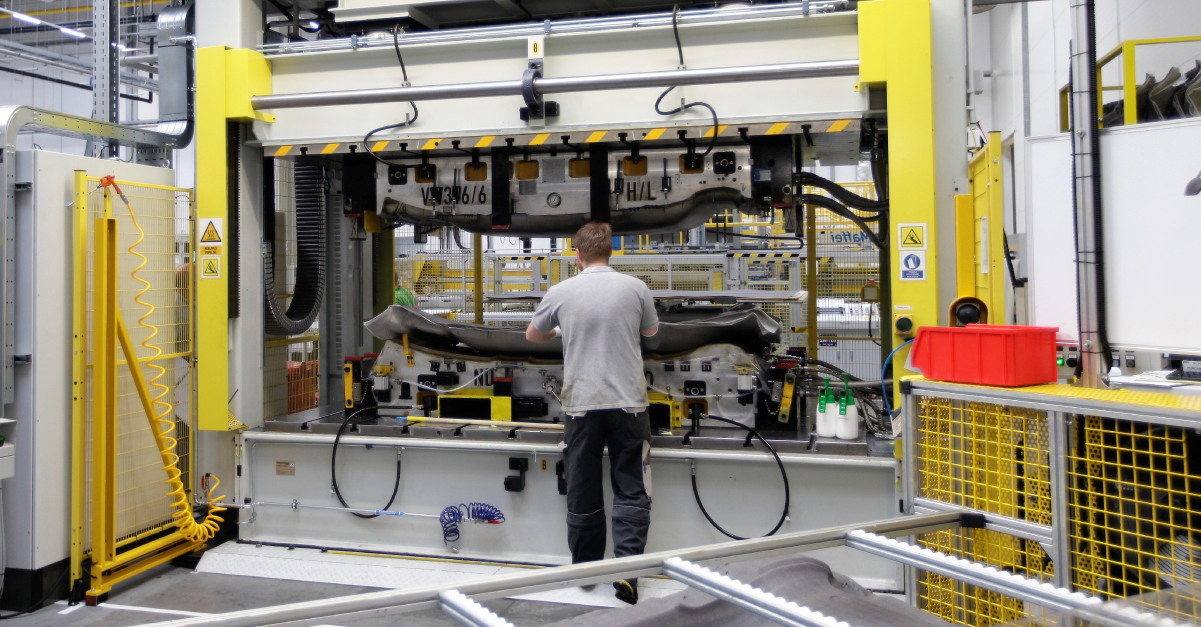
Plastics manufacturing is a knotty problem for digitalisation – but it can be untangled successfully. A typical production hall is furnished with variously old presses from a variety of manufacturers. Each one has a different communication standard, e.g. OPC DA, OPC UA or Euromap 73 or 77. How can you collect operator and machine data in this complicated environment human-free? Can you stay constantly informed and in charge of every event? Take inspiration from the story of this company that presses plastics for the leading automakers and gain a guide on how to implement projects successfully.

Automation diminishes flexibility. Aimtec’s Rostislav Schwob explains how to restore it.
A full 95% of the firms approached in the Trends in Czech Logistics 2022 study stated that they plan to automate and acquire more modern machinery within five years. Meanwhile, new technologies, sensors and approaches to managing large datasets are being developed constantly. New orders often bring changes to the processes and conditions inside a company. Many interconnections are formed in the midst of all this, which necessitates changing and developing a firm’s overall control logic. How should you approach these demands? Is it even possible to connect it all, manage it digitally from one place and have a single, functional digital world? We asked Rostislav Schwob, Supply Chain Solutions Director at Aimtec.

SappyMOM: How to take local needs into account in a central system
How to reconcile the bosses' demand for SAP standardization with the needs of local plants for which the standard is not enough? Aimtec's SappyMOM add-on solves this common dilemma.

Digitalisation brings new perspectives on manufacturing efficiency
A register of scrap and manufactured units, operator and machine downtime tracking… approaches like these have become a standard part of production monitoring and reporting. In our digital age, can monitoring of overall equipment effectiveness (OEE) in terms of availability, performance and quality be improved even further, and can the needed data be acquired even more quickly and easily? What’s changing in this area, what new features is digitalisation bringing, and can we expect any specific tangible results?

Digitalisation platforms – an inexhaustible tool for manufacturing optimisation
Have you ever had the feeling that your manufacturing can’t be optimised any further, and you’ve reached its limits? Is it at all realistic to have completely interconnected manufacturing, in which people, machines, tools, materials and products all communicate simultaneously? The solution is a digitalisation platform that is able to connect to anything you can think of. With its help, you can configure any behaviour you desire for individual outputs and set up a variety of possible reactions. This way you can have complete information from manufacturing in real time – and digitally control it as well.
With DCIx7, the dream of a digitalisation platform running in the cloud becomes a reality
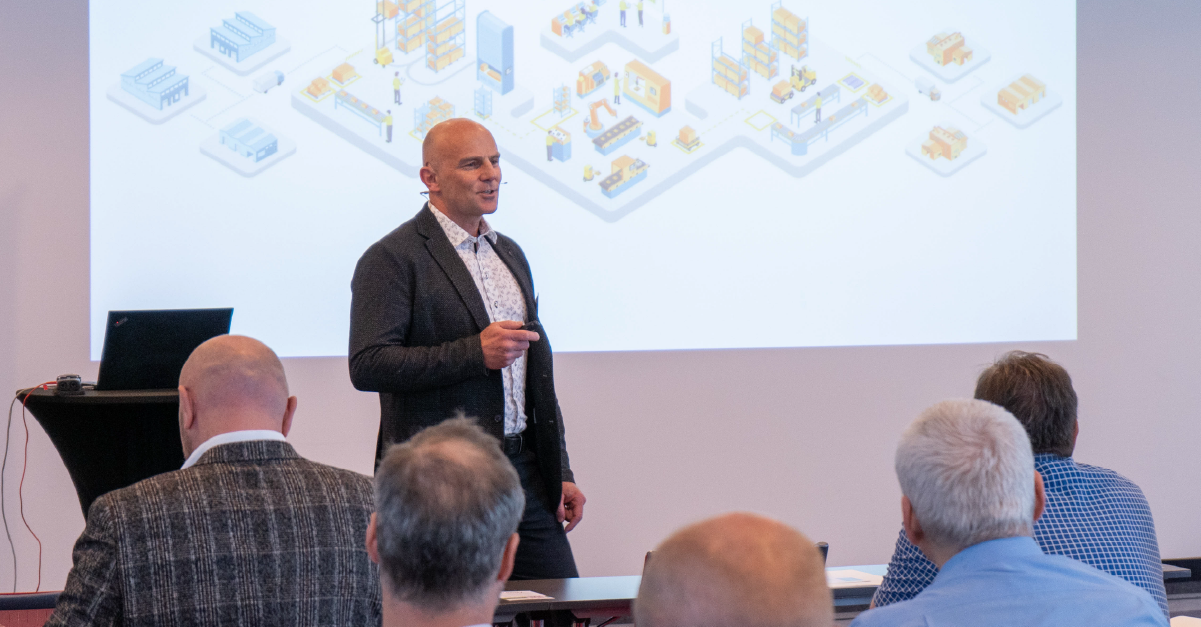
The User Group for Aimtec’s DCIx met up at the start of this May in Pilsen, and attendees could learn what visions are out there for logistics and what new features DCIx will soon have in store. Representatives from Koito Czech and Continental Automotive showed their approach to automation via practical examples. The event also included morning workshops about advanced stock management with WMS, new processes in MES and the role of DCIx in the digital factory. Couldn’t be there, or want a refresher on a few key points? Watch the presentations from the main afternoon section.
WMS and MES are changing. How will automation and the cloud affect them?
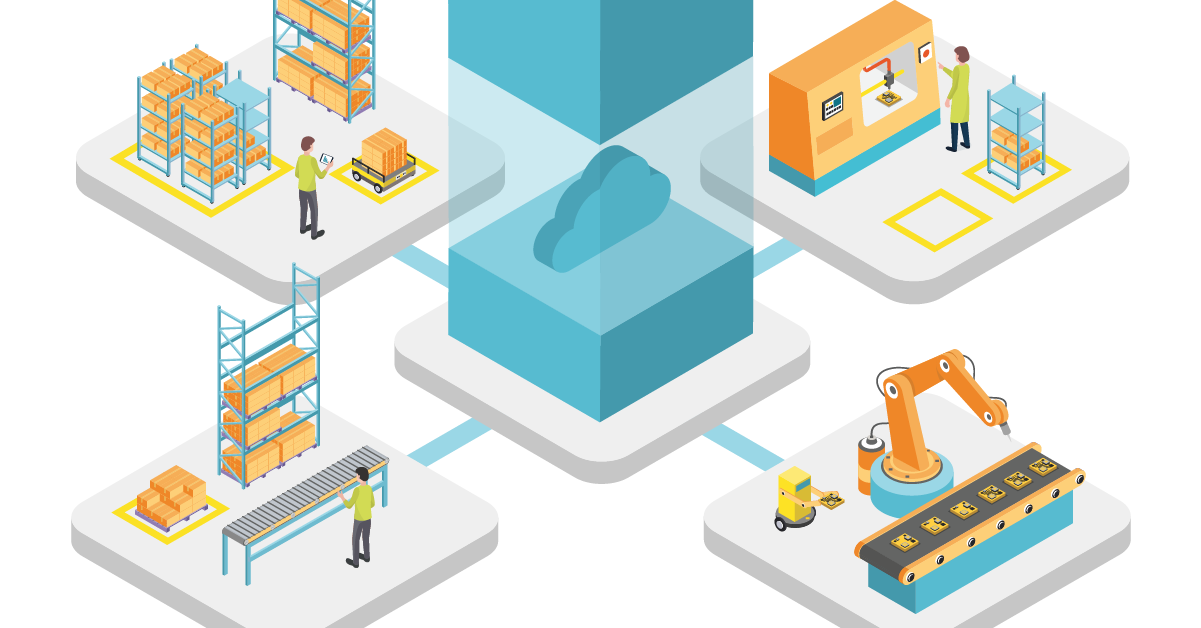
The accuracy of predictions by the consultants at Gartner is uncanny. What sort of future do they prophesy for WMS (Warehouse Management Systems) and MES (Manufacturing Execution Systems)? From monitoring plant or warehouse status, these systems should gradually grow to take on the role of strategic tools – they will enable a degree of automation that until recently was just a dream. All this joined with a perfect overview of the supply chain and, of course, support from the cloud.
MES Is for More Than Manufacturing
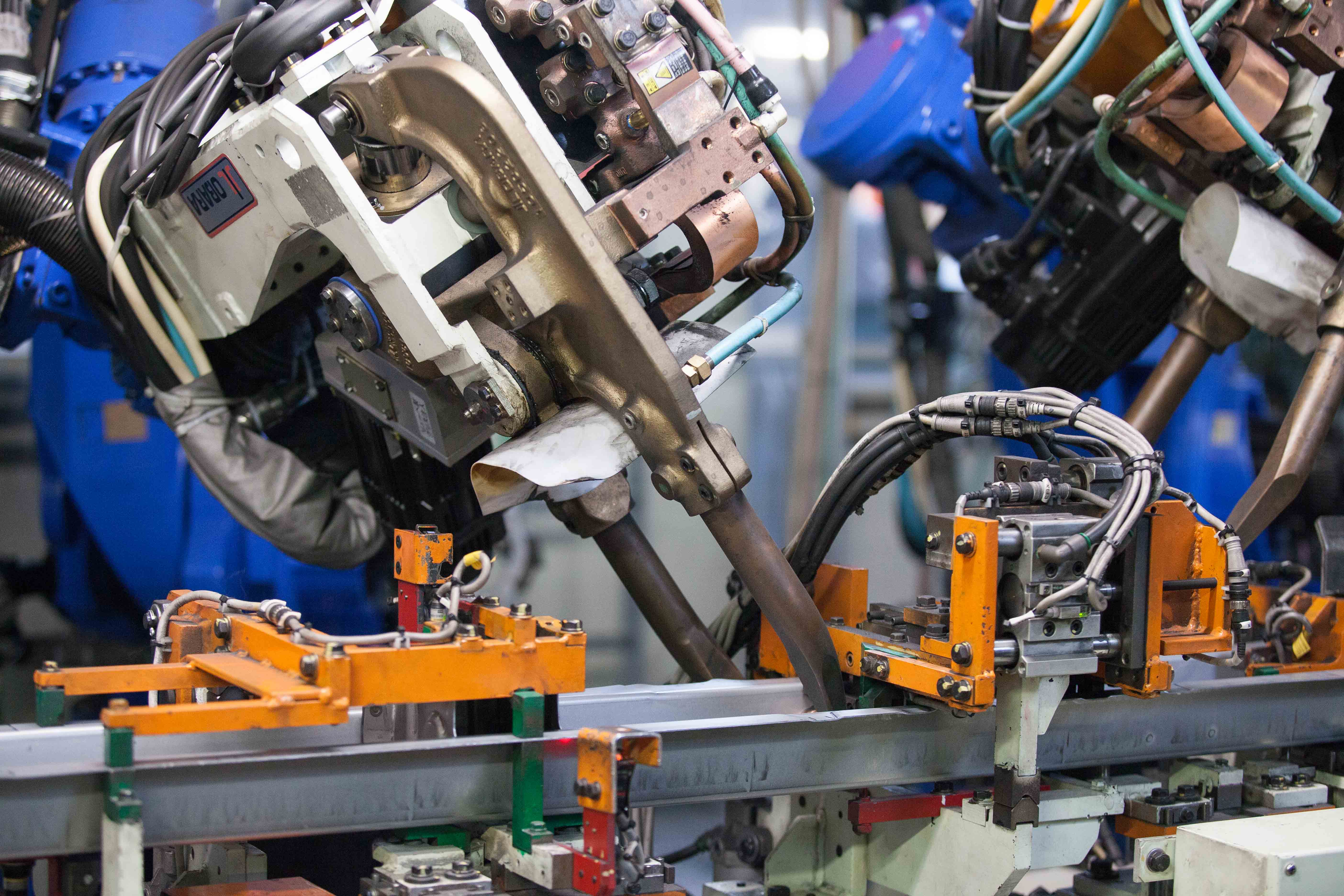
MES has an established role as the main system support for manufacturing. Its primary function is data collection and evaluation. The manufacturing data it collects can then be used as a foundation for monitoring, assessing and managing the manufacturing process based on a plan. But managers aren’t the only consumers of this data. Operators and maintenance staff use it too. That’s why MES is a key component in enterprise systems and is also receiving growing interest in relation to the rise of new technologies and the overall trend of interconnecting manufacturing and logistics.

From the Internet of People to the Internet of Things
Before machines were first connected via wires or airwaves, they were connected by people. People were a sort of phase-zero Internet of things (IoT), ensuring machines were connected and weren’t overheated. If a machine was near a critical temperature, they turned it off.
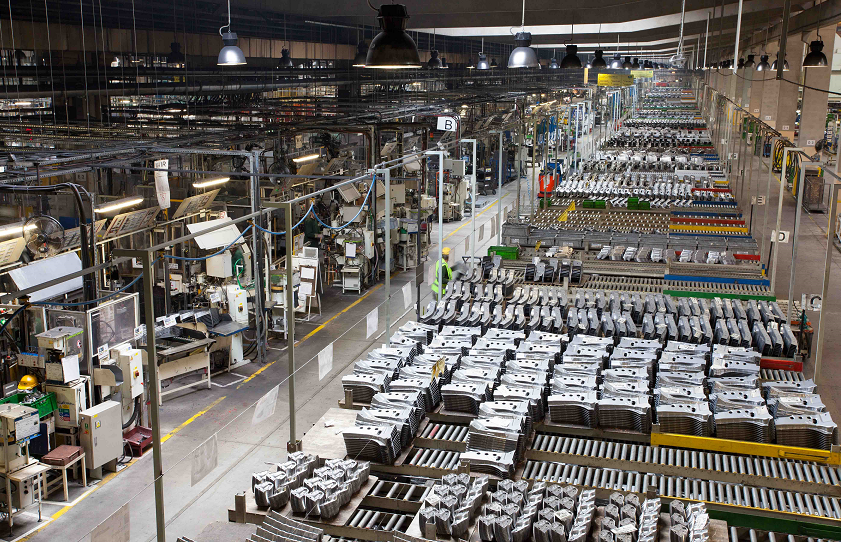
Asprova Opened Our Eyes. Thanks to It We Were Able to Reduce Our Stock by 50%
The Futaba Czech company started an implementation of the Asprova system for advanced planning and production controlling in April 2014. It has been fully relying on this APS system since the beginning of 2015.