
Automation

How to Approach Logistics Automation
Automation. It’s so tightly tied to industrial manufacturing that just about everyone thinks of robots when they think of assembly lines. But what do you think of when you hear the phrase “internal logistics automation”? Self-driving forklifts? Conveyor belts? Warehousing and logistics was a back-burner field until recently, but now it’s time to change that. After all, inefficient intralogistics processes generate considerable financial losses. Thanks to the latest technologies, we can free workers’ hands and take productivity to a level that would be unachievable with manual warehouse operations. But how does one approach automation? What are its possibilities? What can it lead to? We have some answers for you.

Automation and Jobs: The Skills Revolution Is a Necessity
Automation replaces people. But does this mean we’re losing jobs? The media might make that seem at first to be the case, but what’s the real situation? Should we worry about massive redundancy and thousands of the unemployed? The jobs experts at Manpower and their study named “Humans Wanted: Robots Need You” tell us the opposite. Companies are seeking employees despite automation – new positions are being created with entirely new work tasks. After all, robots can’t get by without people. Thus we can expect a shift towards completely new activities and the need for a different approach to employees.
Warehouse Automation: The Technologies
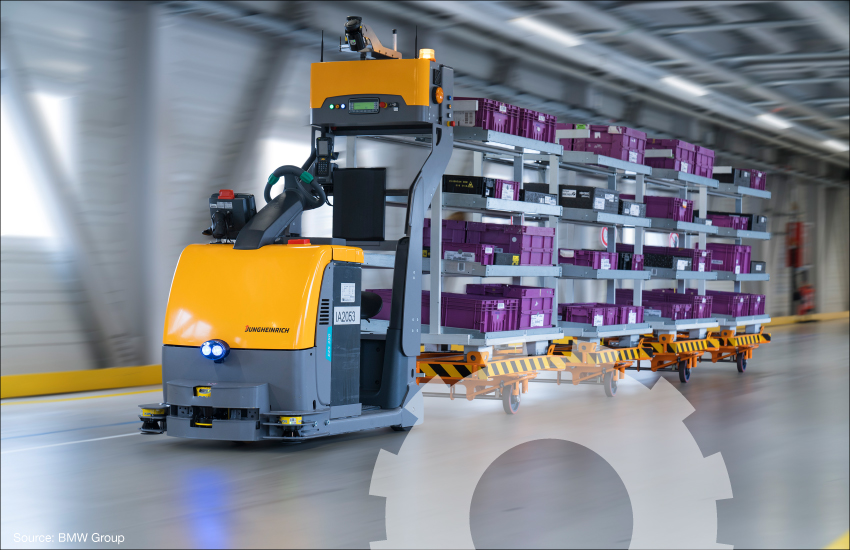
Many automation projects start with the idea of replacing manually driven vehicles with automated ones. But this solution may not bring the desired results, and usually, even before the fleet’s replacement, it becomes clear that a deeper analysis of automation type and level is required. Not always it is possible and beneficial to opt for a fully automated warehouse or autonomous handling equipment. Often a gradual process, which lets you prepare for changes and absorb them, will be a better choice. But a radical change can work too. What are the options, and which technologies can you use? And what should you consider before deploying them?
Catch a Ride with Autonomous Guided Vehicles into the World of Industry 4.0
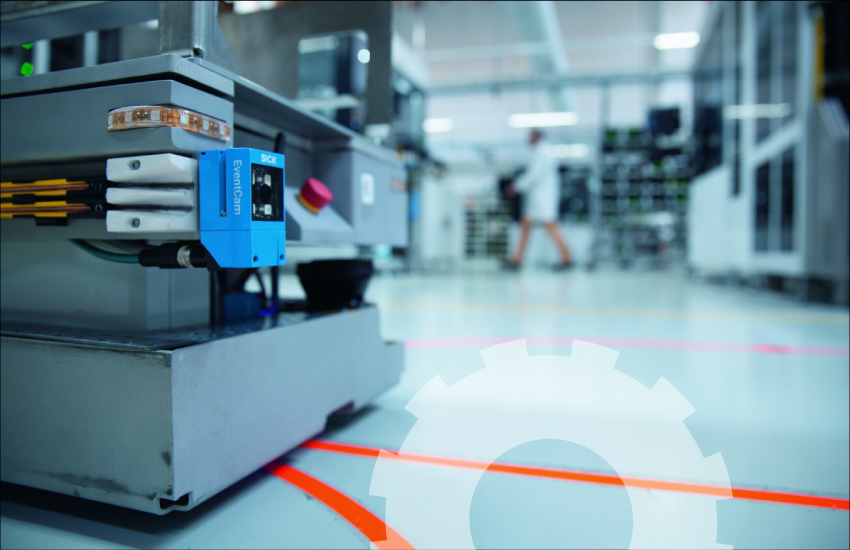
While self-driving is fairly problematic for automobiles, carts without human operators are appearing in factories and warehouses with growing frequency. They differ in how they navigate and in the degree of their autonomy. For intralogistics, autonomous guided vehicles are a way to make processes faster and more efficient, and naturally, they’re also a way to free up people’s hands. Because they’re moving around among people, safety is important as well.

Warehouse Automation Achievement: Sellier & Bellot
Sellier & Bellot is one of the most successful industrial firms in the Czech Republic – and one of the oldest munitions manufacturers in the world. And it is also a renowned name in sport, for example in shooting disciplines and biathlon. Interestingly enough, it is likely the only company to have its own game reserve on its premises. But let’s take a look at the Sellier & Bellot warehouses, which saw a key turning point in 2016, when a new hall was built and equipped with a fully automated warehouse.
How Can You Master Automation? Your Internal Team and Innovative Project Tools Are the Key
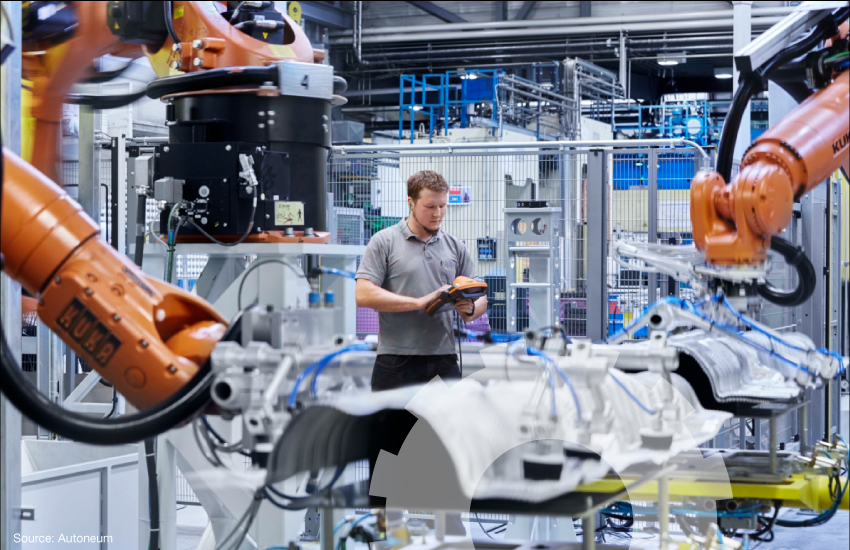
Automation’s benefits are clear – saved costs, reduced human error, and faster, more efficient processes. But how much time will it take your team to grasp this Holy Grail? How can you prepare your key people for what awaits them and empower them to enable a smooth course for the entire project? Success is not just about suppliers and technologies, although they do play an important role. An often forgotten, but fundamental pillar lies elsewhere. In your people’s time.

“Above All, Communicate Your Automation Internally,”
advises Jiří Ovesný, founder of the logistics consulting firm INTRALOG SERVICES. He has been working in logistics and industry for thirteen years, and he currently provides consulting focused on automation, improving process effectiveness and putting Industry 4.0 into practice. We asked him for his opinions on how to approach automation and what to focus on right away in the project planning phase.