Digital by Design: Digitalisation Is Not a Patch, It Is the Foundation

Aimtec
26. 3. 2026
4 minutes reading
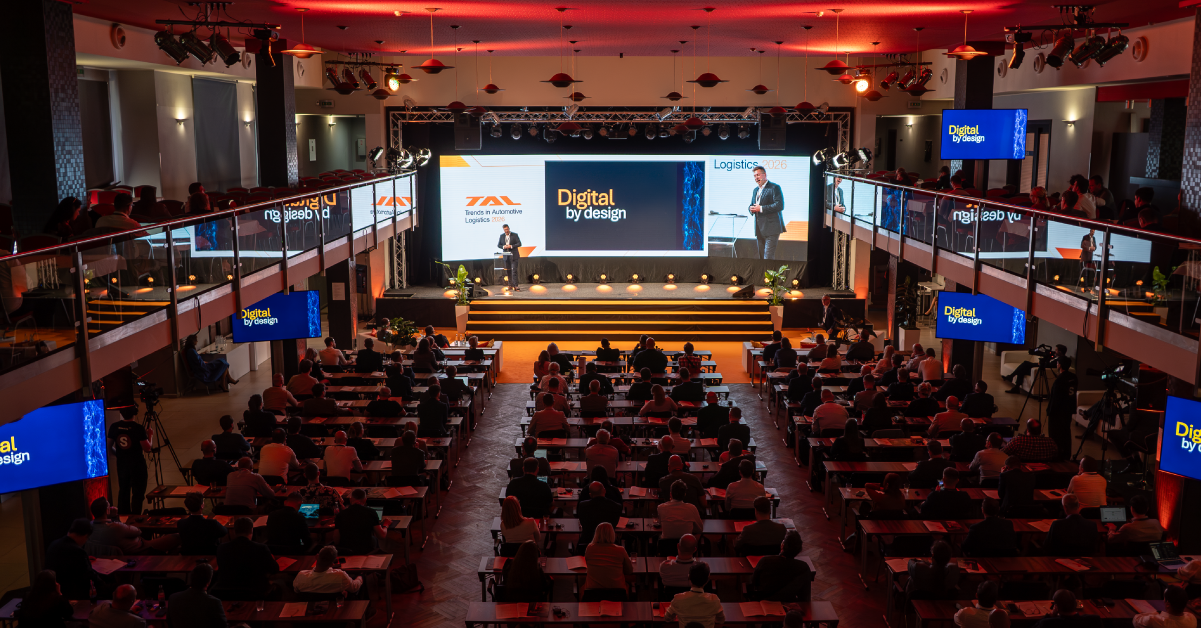
This year’s Trends in Automotive Logistics (TAL) conference marks a double milestone: the 25th edition of the event coincides with Aimtec’s 30th anniversary. Yet the significance goes beyond round numbers. The conference subtitle Digital by Design raises a question that many manufacturing companies are currently facing: how to approach digitalisation strategically without being constrained by the legacy of historical systems.
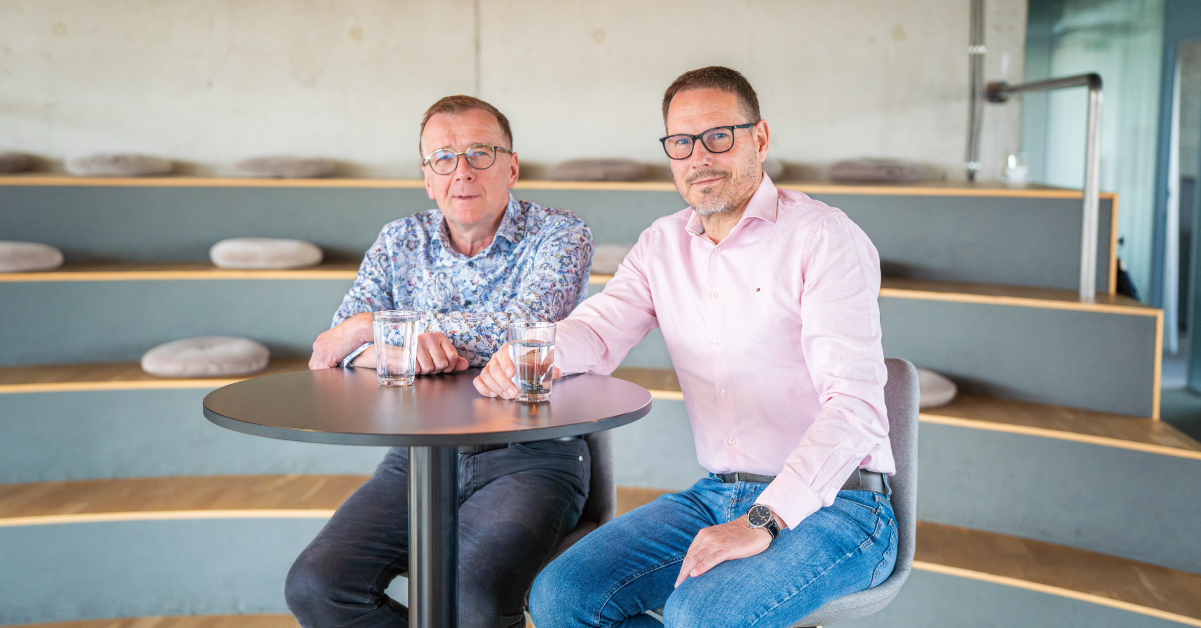
Why even the most advanced AI in manufacturing and logistics is only as good as the processes and teams behind it was the subject of our conversation with Roman Žák, founder of Aimtec and Chairman of the Supervisory Board, and Pavel Boháč, CEO of Aimtec. As every year, the TAL conference will take place in Pilsen, this year on 16 June at Parkhotel Pilsen.
Aimtec is celebrating 30 years, while TAL is being held for the 25th time. How have customers’ expectations of digitalisation partners changed over the years, and how has this influenced the conference itself?
Roman, you have been building digital solutions for manufacturing and logistics for thirty years. Today many people say that automation and AI are changing the rules of the game more dramatically than anything before. Do you agree?
The subtitle Digital by Design highlights an important idea: digitalisation cannot be a patch applied later. It must be embedded in the company’s DNA from the beginning. However, many manufacturing companies operate within complex legacy IT landscapes. What helps organisations manage the transition without paralysing their operations?
Technological waves arrive regularly and each one initially appears revolutionary. However, AI does seem to be genuinely transformative.
If each of you had to name one reason why someone working in automotive logistics should attend TAL this year, what would it be?
Roman Žák: The connection between the digital and the physical world. This year we will focus strongly on smart automation in logistics. Not as an abstract concept, but through real-world experiences of companies that are already implementing it. Come and find inspiration you can begin applying in your own organisation the very next day.

Get top stories from logistics, production and IT.
By registering, you agree to the processing of your personal data by Aimtec as described in the Privacy policy.
Related stories