
AGV

Automation Remains Main Trend in Czech Logistics Even in Times of Expected Crisis
What does the present and future of Czech logistics look like? Where are investments going? To what extent is the storage and logistics sector affected by the post-COVID situation and the war in Ukraine? These and other questions were answered in the unique Trends in Czech Logistics 2022 survey conducted by Ipsos for the SKLAD trade association, of which Aimtec is a member. 132 companies took part in the survey and the responses by their managers show an emphasis on deepening digitalization and optimization of logistics processes and warehousing.
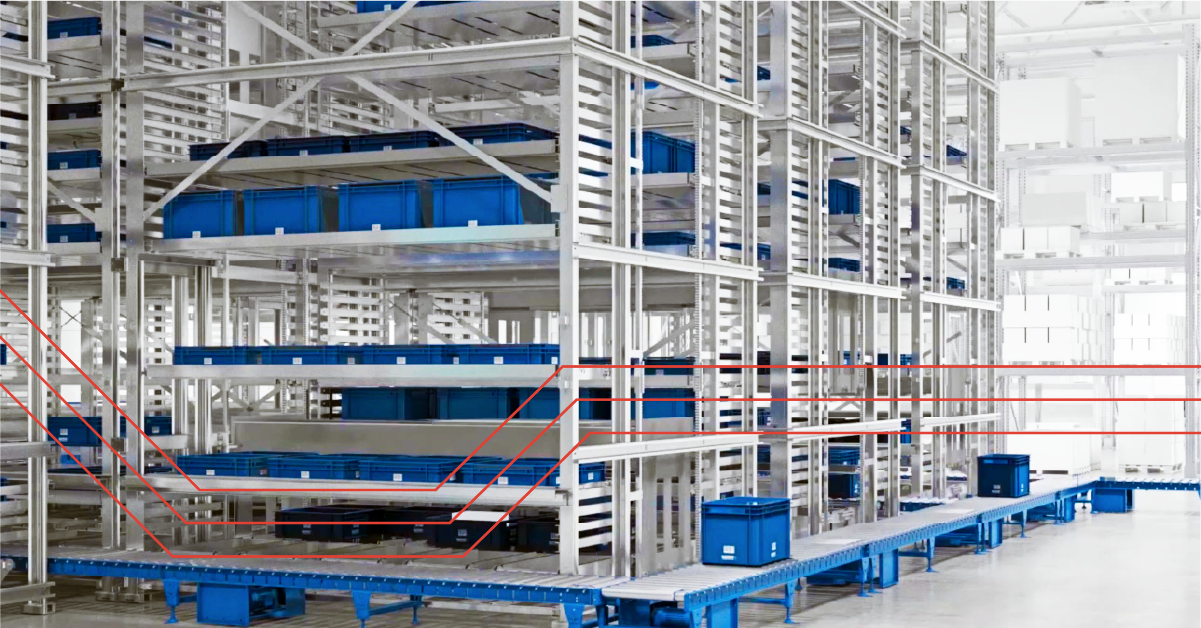
Automation in Logistics – From Hardware to Artificial Intelligence
Intralogistics and warehouse automation were once again among the main topics at this year’s TAL conference. And Czech technology start-up VertiFlex, which was one of the main partners for the entire event, focuses on precisely these areas. VertiFlex is active on eight markets in Central and Eastern Europe, to which it supplies automated vertical stackers for warehousing from Swedish manufacturer Weland Solutions boosted with its own VertiNode AI software, which makes use of the possibilities offered by artificial intelligence. In our interview with their managing partner Bohumil Tejnický, we spoke on the development of automation in intralogistics
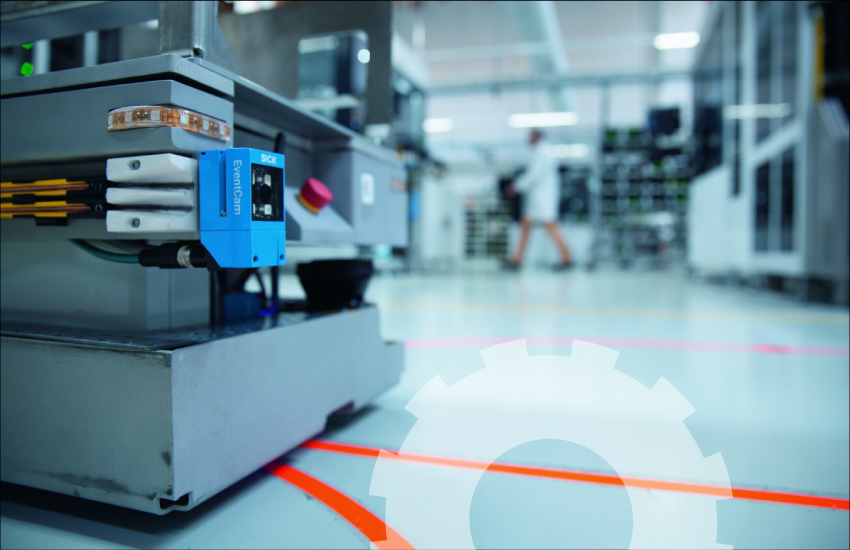
Catch a Ride with Autonomous Guided Vehicles into the World of Industry 4.0
While self-driving is fairly problematic for automobiles, carts without human operators are appearing in factories and warehouses with growing frequency. They differ in how they navigate and in the degree of their autonomy. For intralogistics, autonomous guided vehicles are a way to make processes faster and more efficient, and naturally, they’re also a way to free up people’s hands. Because they’re moving around among people, safety is important as well.
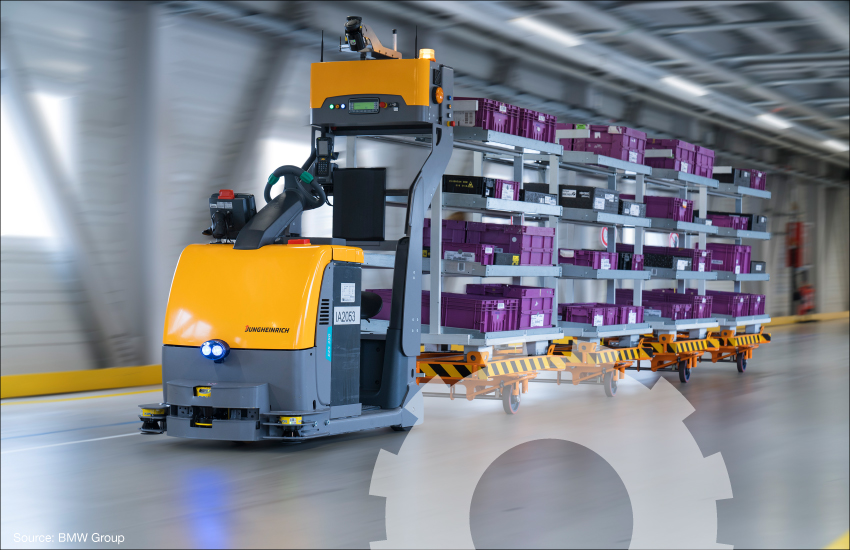
Warehouse Automation: The Technologies
Many automation projects start with the idea of replacing manually driven vehicles with automated ones. But this solution may not bring the desired results, and usually, even before the fleet’s replacement, it becomes clear that a deeper analysis of automation type and level is required. Not always it is possible and beneficial to opt for a fully automated warehouse or autonomous handling equipment. Often a gradual process, which lets you prepare for changes and absorb them, will be a better choice. But a radical change can work too. What are the options, and which technologies can you use? And what should you consider before deploying them?

How to Approach Logistics Automation
Automation. It’s so tightly tied to industrial manufacturing that just about everyone thinks of robots when they think of assembly lines. But what do you think of when you hear the phrase “internal logistics automation”? Self-driving forklifts? Conveyor belts? Warehousing and logistics was a back-burner field until recently, but now it’s time to change that. After all, inefficient intralogistics processes generate considerable financial losses. Thanks to the latest technologies, we can free workers’ hands and take productivity to a level that would be unachievable with manual warehouse operations. But how does one approach automation? What are its possibilities? What can it lead to? We have some answers for you.